

 Wyślij
 Udostępnij
 Szczegóły
 Przewodnik

 Pobierz plik obrazu
 Podobne obiekty
 Pokaz slajdów
 Statystyki
Orpheus


 Czytaj więcej
Ręcznie malowana reprodukcja olejowa
Ręcznie malowany obraz olejny na płótnie, wykonany na zamówienie przez naszych artystów w wybranym przez Ciebie wymiarze i oprawie. ( Przełącz na wersję drukowaną Przełącz na wersję cyfrową)




































Wybierz spośród naszych standardowych rozmiarów, które zachowują oryginalne proporcje dzieła sztuki.

Wpisz wymaganą szerokość i wysokość, aby obraz pasował do Twojej ramy lub ściany. Ponieważ jest to dzieło malowane ręcznie, w przypadku rozmiaru o innym proporcji artysta może domalować nieco więcej wokół obrazu lub przyciąć fragmenty — wybór należy do Ciebie. Przed rozpoczęciem pracy prześlemy Ci cyfrową wizualizację do zatwierdzenia. Obraz widoczny na tej stronie nie przedstawia rzeczywistego efektu — jedynie wizualizacja oddaje realny rezultat.
Po złożeniu zamówienia zespół OriginalUniqueArt.com skontaktuje się z klientem drogą mailową w celu uzyskania instrukcji i prześle wizualizację projektu
Dostawa na całym świecie () w ciągu 3–4 tygodni zamiast standardowych 5 tygodni. (24 Październik). Bez kompromisów w kwestii jakości.

Bezpłatna ekspresowa wysyłka na cały świat

Wysokiej jakości płótno lniane

Pełne ubezpieczenie transportowe

Gwarancja zwrotu należności celnych i podatków importowych

Gwarancja idealnego odwzorowania barw

100-dniowy okres na zwrot dzieła w przypadku wykrycia wad produkcyjnych

Gwarancja 100% zwrotu pieniędzy

Oferta przy zakupie wielu sztuk
 Opcja ze szkłem jest dostępna wyłącznie w rozmiarach poniżej 110 cm

Orpheus
Technika wykonania
Rozmiar reprodukcji
-


Suma do zapłaty
zł 1151
A Symphony in Marble: Unveiling Antonio Canova’s Orpheus
Antonio Canova's "Orpheus," completed in 1776, isn’t merely a sculpture; it’s an immersive experience. This monumental work, originally intended for the garden of Villa Falier at Asolo, transports us to a realm where myth and emotion converge with breathtaking artistry. The piece captures the legendary musician's poignant descent into the underworld to retrieve his lost love, Eurydice, a narrative steeped in grief, longing, and ultimately, the enduring power of music.
Canova’s genius lies not just in replicating the classical form but in imbuing it with an astonishing depth of feeling. The figure of Orpheus is rendered with a remarkable dynamism—one arm raised as if conducting an invisible orchestra, his body leaning forward with a palpable sense of urgency and despair. The subtle shifts in musculature, the delicate curve of his lips, and the anguished expression on his face all speak to the profound sorrow he carries within him. The sculpture’s placement within a rocky base subtly grounds this ethereal figure, anchoring it to the earthly realm from which he's venturing into the shadowy depths.
Neoclassical Mastery: Technique and Materials
Crafted entirely from Carrara marble—a material renowned for its purity and luminosity—"Orpheus" exemplifies Canova’s unparalleled technical skill. The surface is polished to a breathtaking sheen, reflecting light in a way that highlights the intricate details of the drapery and the musculature of the body. Note the masterful rendering of folds and creases in the fabric, suggesting both movement and weight. Canova's technique demonstrates an almost obsessive attention to detail; every line, every shadow, contributes to the sculpture’s overall sense of realism and emotional intensity. The use of contrasting textures—the smooth, polished marble against the rougher texture of the base—further enhances the visual impact.
The work's scale is also significant – a monumental piece designed to command attention and evoke contemplation. Canova’s decision to create such a large-scale sculpture speaks to his ambition and his desire to capture not just a likeness but an entire emotional state. The sheer size of the figure invites viewers to step closer, to lose themselves in its details, and to feel the weight of Orpheus's sorrow.
Mythic Resonance: Symbolism and Interpretation
Beyond the literal depiction of the myth, “Orpheus” is rich with symbolic meaning. The raised arm, often interpreted as a gesture of pleading or lamentation, underscores Orpheus’s desperate attempt to sway Hades and Eurydice back to him. The laurel wreath, a symbol of victory and honor, subtly juxtaposes the tragedy of his loss with the enduring power of his music—a testament to his artistic legacy. The setting itself – a rocky outcrop reminiscent of the underworld – reinforces the sculpture’s themes of death, mourning, and the journey beyond earthly boundaries.
The story of Orpheus and Eurydice has resonated throughout Western art and literature for centuries, serving as a potent metaphor for love, loss, and the transformative power of creativity. Canova's "Orpheus" captures this enduring resonance with remarkable sensitivity and skill, offering viewers a timeless meditation on the human condition.
A Legacy in Stone: Context and Influence
Created during the height of the Neoclassical period (late 18th century), “Orpheus” reflects the movement’s emphasis on classical ideals—harmony, balance, and idealized beauty. Canova was a leading figure in this artistic revival, drawing inspiration from ancient Greek and Roman sculpture while imbuing his work with a distinctly modern sensibility. His ability to capture human emotion with such precision and grace cemented his reputation as one of the greatest sculptors of all time.
Today, Canova’s “Orpheus” continues to captivate audiences worldwide. Reproductions offer an accessible way to experience this masterpiece, bringing its profound beauty and emotional depth into homes and galleries. It stands as a powerful reminder of the enduring legacy of classical mythology and the transformative power of art.
Pytania i odpowiedzi
Jak jasny jest Orpheus w ogólnym ujęciu?
Ogólnie rzecz biorąc, "Orpheus" charakteryzuje się poziomem shadow. Postrzegana jasność opisuje, jak jasne lub ciemne wydaje się dzieło.
Jaki klimat wprowadziłaby do wnętrza reprodukcja „Orpheus” autorstwa Antonio Canova?
Dzięki swojemu Calm nastrojowi, "Orpheus" idealnie sprawdzi się w Living Room.
W jakiej technice wykonano „Orpheus” autorstwa Antonio Canova?
Antonio Canova wykorzystał/a technikę Marble w pracy "Orpheus". Technika ta definiuje materię oryginalnego dzieła.
Biografia artysty
Antonio Canova: Życie wykute w marmurze
- Urodzony: Possagno, Włochy (1757)
- Zmarł: 1822
Antonio Canova jawi się jako monumentalna postać w historii sztuki zachodniej, powszechnie uznawany za najwybitniejszego rzeźbiarza klasycyzmu. Jego mistrzostwo w obróbce marmuru oraz niezwykła zdolność do tchnięcia głębokich emocji w klasyczne formy zapewniły mu miejsce wśród największych artystów wszech czasów. Urodzony w Possagno we Włoszech, jako syn kamieniarza Pietro Canovy, od najmłodszych lat dorastał w otoczeniu sztuki, która ukształtowała jego wrażliwość.
Wczesne lata i kształcenie
- Wczesny rozwój artystyczny: Jeszcze przed dziesiątym rokiem życia Canova wykazywał niezwykłe umiejętności, tworząc małe marmurowe sanktuaria, które stanowiły dowód jego wrodzonego daru. Szlifował swój kunszt jako uczeń Giuseppe Bernardiego (zwanego „Torretto”) oraz Giovanniego Ferrariego.
- Studia akademickie: Jego studia w Accademia di Belle Arti w Wenecji zaowocowały licznymi nagrodami, co umocniło jego reputację obiecującego młodego artysty. Pracownia mieszcząca się w klasztorze dała mu przestrzeń niezbędną do rozwoju rzemiosła.
- Pierwsze zlecenia: Wczesne prace, takie jak posągi Orfeusza i Eurydyki dla senatora Giovanniego Faliera (1775-1777), prezentowały rodzący się styl rokoko, będący zapowiedzią późniejszej, klasycystycznej subtelności.
Wzlot do sławy i styl neoklasyczny
- Definicja klasycyzmu: Twórczość Canovy charakteryzuje się eleganckimi formami, idealizacją postaci oraz powrotem do estetycznych zasad starożytnej Grecji i Rzymu. Po mistrzowsku unikał melodramatyzmu baroku, jednocześnie stawiając opór chłodności, która często towarzyszyła wcześniejszym próbom odrodzenia antyku.
- Kluczowe dzieła i uznanie: Rzeźby takie jak Amor i Psyche (ok. 1787-1793), Pokutująca Magdalena oraz Herakles i Lichas ugruntowały jego sławę w całej Europie. Jego prace cieszyły się ogromnym pożądaniem wśród królów i arystokracji.
- Budowanie reputacji: Canova strategicznie promował swoją karierę poprzez publikację rycin swoich dzieł oraz tworzenie marmurowych wersji gipsowych odlewów, co zapewniło szerokie rozprzestrzenienie jego sztuki.
Wielkie dzieła i dziedzictwo
- Wybitne rzeźby: Poza wspomnianymi wcześniej arcydziełami, do najważniejszych prac Canovy należą Wenus Italica, Muza Polihymnia, Trzy Gracje w tańcu oraz przejmujące przedstawienie Eurydyki.
- Monumentalne zlecenia: Otrzymywał prestiżowe zamówienia na grobowce, z których najsłynniejszym jest bogato zdobiony Grobowiec papieża Klemensa XIII w Bazylice św. Piotra w Rzymie – świadectwo jego biegłości zarówno w rzeźbie, jak i projektowaniu architektonicznym.
- Gipsoteca Antonio Canova: Muzeum Gipsoteca Antonio Canova skrywa najistotniejszą kolekcję jego dzieł, oferując bezcenną wgląd w proces twórczy i ewolucję artystyczną mistrza.
- Wpływ na kolejne pokolenia: Wpływ Canovy wykraczał daleko poza jego własne życie, kształtując bieg rzeźby neoklasycznej i inspirując kolejne pokolenia artystów swoją techniczną maestrią i siłą wyrazu.
Znaczenie historyczne
- Ucieleśnienie klasycyzmu: Imię Antonio Canova stało się synonimem ruchu neoklasycznego, uosabiając jego ideały ładu, klarowności i powrotu do antyku.
- Rzeźbiarz dworski i dyplomata: Pozycja rzeźbiarza dworskiego wielu europejskich władców zapewniła mu znaczące wpływy polityczne i pozwoliła kształtować gusta artystyczne na całym kontynencie.
- Innowacja techniczna: Niezrównana umiejętność pracy w marmurze przesuwała granice tego, co uważano za możliwe, ustanawiając nowy standard doskonałości rzeźbiarskiej.
- Trwałe dziedzictwo artystyczne: Jego rzeźby nieustannie zachwycają widzów na całym świecie, utwierdzając jego miejsce jako jednego z najważniejszych i najbardziej wpływowych artystów w historii.

Antonio Canova
1757 - 1822 , Włochy
Najważniejsze informacje
- Artistic Movement Or Style: Neoklasycizm
- Artists Or Movements Influenced By This Artist: ['Neoklasycyzm']
- Artists Who Influenced This Artist: ['Barok']
- Date Of Birth: 1757
- Date Of Death: 1822
- Full Name: Antonio Canova
- Nationality: Włoski
- Notable Artworks:
- Psyche i Kupidyn
- Madalena Pokuta
- Herkules i Lizy
- Place Of Birth (City And Country): Possagno, Włochy
Zobacz także powiązane artykuły

10 Legendarnych Brązów Rzeźbiarskich, Które Zmieniły Sztukę | OriginalUniqueArt
Odkryj 10 legendarnych rzeźb brązowych od Rodina, Degasa i innych mistrzów! Poznaj historię powstania arcydzieł sztuki i inspiruj się do dekoracji wnętrz. Reprodukcje najwyższej jakości na OriginalUniqueArt.com – zobacz kolekcję!

Trwałe Formy: Ewolucja Technik i Tematów w Rzeźbie Przez Wieki – Od Antyku do Renesansu
Poznaj fascynującą historię rzeźby od antyku do renesansu! Odkryj techniki, wybitnych artystów i wpływ na współczesną sztukę. Ekspercka analiza dla kolekcjonerów i miłośników.
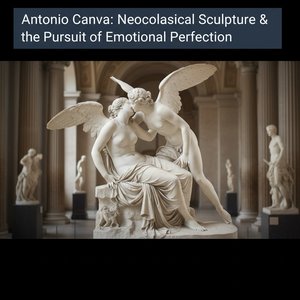
Antonio Canova: Neoclassical Sculpture & the Pursuit of Emotional Perfection
Explore the life & art of Antonio Canova, the greatest Neoclassical sculptor. Discover his masterpieces, innovative techniques, and lasting influence on fine art collecting. Expert insights for discerning investors.

Urok marmuru w historii sztuki: od klasycznej rzeźby do nowoczesnej abstrakcji
Odkryj fascynującą historię rzeźby marmurowej – od klasycznych arcydzieł po nowoczesną abstrakcję. Poznaj techniki, artystów i wartość kolekcjonerską tego wyjątkowego medium. Ekspercka analiza dla miłośników sztuki.
Timeless Elegance: A Complete Guide to the Sublime Beauty and Artistry of Marble Sculpture
Discover the sublime beauty of marble art through an expert exploration of Renaissance and Neoclassical masterpieces. From the delicate textures of Carpeaux to the grandeur of Sansovino, immerse yourself in a guide to timeless elegance and sculptural perfection.
