

 Zobacz w skali 1:1
 Wyślij
 Udostępnij
 Szczegóły
 Przewodnik

 Pobierz plik obrazu
 Podobne obiekty
 RTG
RTG Pokaz slajdów
 Statystyki
Feed the Hungry


 Czytaj więcej
Giclée / Wydruk artystyczny
Wydruki giclée lub płótna o jakości muzealnej, szybka realizacja i szeroki wybór opcji wykończenia. ( Kup ręcznie malowany obraz Przełącz na wersję cyfrową)




P118B zł10

P118H zł10

P118W zł10

P438Z zł10

P508JH zł12

P508YH zł12

P805H zł10

P805Z zł10

P919BZ zł10

P919G zł10

P919XJ zł10

P959ZH zł10

P968JZ zł12

W106C zł8

W218G zł10

W218JH zł8

W218Y zł10

W307PJ zł10

W316G zł10

W316PJ zł8

W316Y zł10

W398PJ zł8

W4111J zł10

W500HY zł15

W500JH zł15

W692G zł12

W849H zł8

W940BG zł15

W953PJ zł8




Wybierz spośród naszych standardowych rozmiarów, które zachowują oryginalne proporcje dzieła sztuki.

Możesz wprowadzić własne wymiary, aby dopasować dzieło do konkretnej ramy lub przestrzeni. Jeśli wybrany rozmiar nie będzie odpowiadał proporcjom oryginalnego obrazu, przytniecie dzieło lub rozszerzymy obraz za pomocą odbicia lustrzanego lub jednolitego wypełnienia krawędzi. Przed rozpoczęciem produkcji prześlemy cyfrową wizualizację do Twojej akceptacji.
Prosimy pamiętać, że podgląd na ekranie nie odzwierciedla faktycznego przycinania ani rozszerzania. Tylko wizualizacja dokładnie pokaże końcową kompozycję.
Mimo dostępności niestandardowych rozmiarów, zalecamy wybór wymiaru z listy zdefiniowanej, aby zachować oryginalne proporcje.
Dostawa na cały świat () w ciągu 2 tygodni zamiast standardowych 4/5 tygodni. (13 Październik)

Bezpłatna ekspresowa wysyłka na cały świat

Wysokiej jakości płótno lniane

Pełne ubezpieczenie transportowe

Gwarancja zwrotu należności celnych i podatków importowych

Gwarancja idealnego odwzorowania barw

100-dniowy okres na zwrot dzieła w przypadku wykrycia wad produkcyjnych

Gwarancja 100% zwrotu pieniędzy

Oferta przy zakupie wielu sztuk
 Opcja ze szkłem jest dostępna wyłącznie w rozmiarach poniżej 110 cm

Feed the Hungry
Giclée / Wydruk artystyczny
Rozmiar reprodukcji
-


Suma do zapłaty
zł 298
Antonio Canova’s “Feed the Hungry”: A Testament to Compassion and Neoclassical Grace
“Feed the Hungry,” created in 1795 by the Italian sculptor Antonio Canova, is more than just a depiction of a mother nurturing her child; it's a profound meditation on charity, vulnerability, and the enduring power of human connection. Executed as a plaster relief – a technique favored by Canova for its delicate texture and ability to capture subtle nuances of expression – the work embodies the core tenets of Neoclassical sculpture: idealized beauty, rational composition, and an emphasis on moral virtue. The scene unfolds with remarkable serenity; a woman, her face etched with gentle concern, offers nourishment to her infant, while a man stands beside them, seemingly observing with quiet dignity. This isn’t a dramatic tableau of suffering, but rather a quietly powerful statement about the fundamental act of caring for the most vulnerable.
Canova's mastery of marble and plaster is immediately evident in the work’s exquisite detail. Note the softness of the mother’s garments, rendered with an almost tactile quality; the delicate curve of the baby’s arm reaching out to receive sustenance; and the subtle play of light and shadow across their faces. The figures are sculpted with a remarkable sense of realism, yet they possess an undeniable grace and elegance characteristic of Canova's style. He meticulously studied classical sculpture, particularly the works of Greek artists like Phidias, striving to achieve a harmonious balance between form and emotion. This influence is palpable in the work’s balanced composition, its idealized figures, and its restrained emotional expression.
The Context of Revolutionary Italy
“Feed the Hungry” was commissioned by Abbondio Rezzonico, a wealthy Venetian nobleman with a deep commitment to social welfare. This commission occurred during a period of significant political and social upheaval in Italy – the tumultuous years following the French Revolution and the rise of Napoleon’s empire. The ideals of liberty, equality, and fraternity, championed by the revolutionaries, were spreading throughout Europe, prompting a renewed interest in humanitarianism and charitable works. Rezzonico's decision to commission Canova’s work reflects this burgeoning concern for the poor and marginalized within Venetian society. The relief served as part of a larger collection intended to adorn his villa, showcasing not only artistic beauty but also a commitment to ethical principles.
Interestingly, the choice of depicting a mother feeding her child was particularly resonant during this era. It invoked images of Roman motherhood and the nurturing role traditionally associated with women – a powerful symbol of continuity and hope amidst political instability. Canova skillfully utilized these classical associations to imbue his work with a timeless message of compassion and resilience.
Symbolism and Emotional Resonance
Beyond its historical context, “Feed the Hungry” is rich in symbolic meaning. The act of feeding represents not just physical sustenance but also spiritual nourishment – a connection between generations and a reaffirmation of human values. The man’s presence suggests a broader community responsibility; he embodies the role of protectors and providers, reinforcing the idea that caring for others is a shared duty. The overall mood is one of quiet dignity and understated tenderness, avoiding overt sentimentality. Canova masterfully conveys a sense of profound empathy without resorting to melodrama.
The work’s emotional impact lies in its ability to evoke a feeling of warmth and connection. It reminds us of the simple yet powerful act of kindness – an act that can transcend social boundaries and offer solace in times of hardship. It's a testament to the enduring human capacity for compassion, rendered with exquisite beauty and technical skill.
Reproductions and Collecting
Today, “Feed the Hungry” continues to resonate with audiences worldwide. High-quality reproductions, such as those offered by OriginalUniqueArt.com, allow art lovers to experience Canova’s masterpiece in their own homes or offices. When selecting a reproduction, consider the medium – a fine art print on archival paper will best capture the original's delicate textures and subtle tonal variations. The work’s timeless themes of charity, family, and human connection make it an ideal addition to any collection, serving as a constant reminder of our shared humanity.
Pytania i odpowiedzi
Jaki ładunek emocjonalny niesie ze sobą „Feed the Hungry” autorstwa Antonio Canova?
Emocjonalny ton przypisany do „Feed the Hungry” autorstwa Antonio Canova to Nostalgic. Podsumowuje on uczucia, jakie wyraża to dzieło.
Jaki dominujący odcień przenika „Feed the Hungry” autorstwa Antonio Canova?
Dominującym odcieniem dzieła „Feed the Hungry” autorstwa Antonio Canova jest Warm Sunset Tones. Odcień ten stanowi bazową tonację palety barw.
Który artysta i jaki styl stoją za "Feed the Hungry"?
"Feed the Hungry" powstało autorstwa Antonio Canova w stylu Neoclassical Sculpture. Artysta oraz nurt definiują tradycję tego dzieła.
Jaka technika i styl charakteryzują „Feed the Hungry” autorstwa Antonio Canova?
W "Feed the Hungry" technika Acrylic On Canvas spotyka się z nurtem Neoclassical Sculpture.
Do jakiego nurtu w sztuce należy „Feed the Hungry” autorstwa Antonio Canova?
„Feed the Hungry” autorstwa Antonio Canova należy do nurtu Neoclassical Sculpture. Nurt ten stanowi stylistyczny kontekst dzieła.
Jaki rozmiar i orientacja są zalecane dla wydruku dzieła „Feed the Hungry” autorstwa Antonio Canova?
Rozmiar Medium, orientacja Square: to sugerowane ustawienia druku dla „Feed the Hungry” autorstwa Antonio Canova.
Czy dzieło „Feed the Hungry” autorstwa Antonio Canova, znajdujące się w zbiorach Museo Correr, może być legalnie reprodukowane?
Oryginał dzieła „Feed the Hungry” znajduje się w Museo Correr, a utwór jest stanowi domenę publiczną – autorskie prawa majątkowe wygasły.
Jaki jest ogólny nastrój dzieła „Feed the Hungry” autorstwa Antonio Canova?
"Feed the Hungry" ma Elegant atmosferę.
Biografia artysty
Antonio Canova: Życie wykute w marmurze
- Urodzony: Possagno, Włochy (1757)
- Zmarł: 1822
Antonio Canova jawi się jako monumentalna postać w historii sztuki zachodniej, powszechnie uznawany za najwybitniejszego rzeźbiarza klasycyzmu. Jego mistrzostwo w obróbce marmuru oraz niezwykła zdolność do tchnięcia głębokich emocji w klasyczne formy zapewniły mu miejsce wśród największych artystów wszech czasów. Urodzony w Possagno we Włoszech, jako syn kamieniarza Pietro Canovy, od najmłodszych lat dorastał w otoczeniu sztuki, która ukształtowała jego wrażliwość.
Wczesne lata i kształcenie
- Wczesny rozwój artystyczny: Jeszcze przed dziesiątym rokiem życia Canova wykazywał niezwykłe umiejętności, tworząc małe marmurowe sanktuaria, które stanowiły dowód jego wrodzonego daru. Szlifował swój kunszt jako uczeń Giuseppe Bernardiego (zwanego „Torretto”) oraz Giovanniego Ferrariego.
- Studia akademickie: Jego studia w Accademia di Belle Arti w Wenecji zaowocowały licznymi nagrodami, co umocniło jego reputację obiecującego młodego artysty. Pracownia mieszcząca się w klasztorze dała mu przestrzeń niezbędną do rozwoju rzemiosła.
- Pierwsze zlecenia: Wczesne prace, takie jak posągi Orfeusza i Eurydyki dla senatora Giovanniego Faliera (1775-1777), prezentowały rodzący się styl rokoko, będący zapowiedzią późniejszej, klasycystycznej subtelności.
Wzlot do sławy i styl neoklasyczny
- Definicja klasycyzmu: Twórczość Canovy charakteryzuje się eleganckimi formami, idealizacją postaci oraz powrotem do estetycznych zasad starożytnej Grecji i Rzymu. Po mistrzowsku unikał melodramatyzmu baroku, jednocześnie stawiając opór chłodności, która często towarzyszyła wcześniejszym próbom odrodzenia antyku.
- Kluczowe dzieła i uznanie: Rzeźby takie jak Amor i Psyche (ok. 1787-1793), Pokutująca Magdalena oraz Herakles i Lichas ugruntowały jego sławę w całej Europie. Jego prace cieszyły się ogromnym pożądaniem wśród królów i arystokracji.
- Budowanie reputacji: Canova strategicznie promował swoją karierę poprzez publikację rycin swoich dzieł oraz tworzenie marmurowych wersji gipsowych odlewów, co zapewniło szerokie rozprzestrzenienie jego sztuki.
Wielkie dzieła i dziedzictwo
- Wybitne rzeźby: Poza wspomnianymi wcześniej arcydziełami, do najważniejszych prac Canovy należą Wenus Italica, Muza Polihymnia, Trzy Gracje w tańcu oraz przejmujące przedstawienie Eurydyki.
- Monumentalne zlecenia: Otrzymywał prestiżowe zamówienia na grobowce, z których najsłynniejszym jest bogato zdobiony Grobowiec papieża Klemensa XIII w Bazylice św. Piotra w Rzymie – świadectwo jego biegłości zarówno w rzeźbie, jak i projektowaniu architektonicznym.
- Gipsoteca Antonio Canova: Muzeum Gipsoteca Antonio Canova skrywa najistotniejszą kolekcję jego dzieł, oferując bezcenną wgląd w proces twórczy i ewolucję artystyczną mistrza.
- Wpływ na kolejne pokolenia: Wpływ Canovy wykraczał daleko poza jego własne życie, kształtując bieg rzeźby neoklasycznej i inspirując kolejne pokolenia artystów swoją techniczną maestrią i siłą wyrazu.
Znaczenie historyczne
- Ucieleśnienie klasycyzmu: Imię Antonio Canova stało się synonimem ruchu neoklasycznego, uosabiając jego ideały ładu, klarowności i powrotu do antyku.
- Rzeźbiarz dworski i dyplomata: Pozycja rzeźbiarza dworskiego wielu europejskich władców zapewniła mu znaczące wpływy polityczne i pozwoliła kształtować gusta artystyczne na całym kontynencie.
- Innowacja techniczna: Niezrównana umiejętność pracy w marmurze przesuwała granice tego, co uważano za możliwe, ustanawiając nowy standard doskonałości rzeźbiarskiej.
- Trwałe dziedzictwo artystyczne: Jego rzeźby nieustannie zachwycają widzów na całym świecie, utwierdzając jego miejsce jako jednego z najważniejszych i najbardziej wpływowych artystów w historii.

Antonio Canova
1757 - 1822 , Włochy
Najważniejsze informacje
- Artistic Movement Or Style: Neoklasycizm
- Artists Or Movements Influenced By This Artist: ['Neoklasycyzm']
- Artists Who Influenced This Artist: ['Barok']
- Date Of Birth: 1757
- Date Of Death: 1822
- Full Name: Antonio Canova
- Nationality: Włoski
- Notable Artworks:
- Psyche i Kupidyn
- Madalena Pokuta
- Herkules i Lizy
- Place Of Birth (City And Country): Possagno, Włochy
Zobacz także powiązane artykuły

Urok marmuru w historii sztuki: od klasycznej rzeźby do nowoczesnej abstrakcji
Odkryj fascynującą historię rzeźby marmurowej – od klasycznych arcydzieł po nowoczesną abstrakcję. Poznaj techniki, artystów i wartość kolekcjonerską tego wyjątkowego medium. Ekspercka analiza dla miłośników sztuki.

Trwała Forma: Rzeźba w Historii – Technika i Rezonans Emocjonalny
Poznaj historię rzeźby od antyku do współczesności! Ekspercka analiza technik, stylów i emocjonalnego wpływu arcydzieł. Inspiracje dla kolekcjonerów i miłośników sztuki.
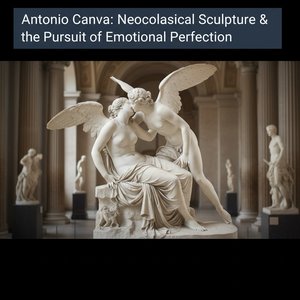
Antonio Canova: Neoclassical Sculpture & the Pursuit of Emotional Perfection
Explore the life & art of Antonio Canova, the greatest Neoclassical sculptor. Discover his masterpieces, innovative techniques, and lasting influence on fine art collecting. Expert insights for discerning investors.

10 Legendarnych Brązów Rzeźbiarskich, Które Zmieniły Sztukę | OriginalUniqueArt
Odkryj 10 legendarnych rzeźb brązowych od Rodina, Degasa i innych mistrzów! Poznaj historię powstania arcydzieł sztuki i inspiruj się do dekoracji wnętrz. Reprodukcje najwyższej jakości na OriginalUniqueArt.com – zobacz kolekcję!

Trwałe Formy: Ewolucja Technik i Tematów w Rzeźbie Przez Wieki – Od Antyku do Renesansu
Poznaj fascynującą historię rzeźby od antyku do renesansu! Odkryj techniki, wybitnych artystów i wpływ na współczesną sztukę. Ekspercka analiza dla kolekcjonerów i miłośników.
