
 Zamów wydruk Kup cyfrowy obraz
 Udostępnij
 Udostępnij
 Szczegóły dzieła
 Dodaj do ulubionych

 Pobierz
 Podobne obiekty
 RTG
RTG
 Pokaz slajdów
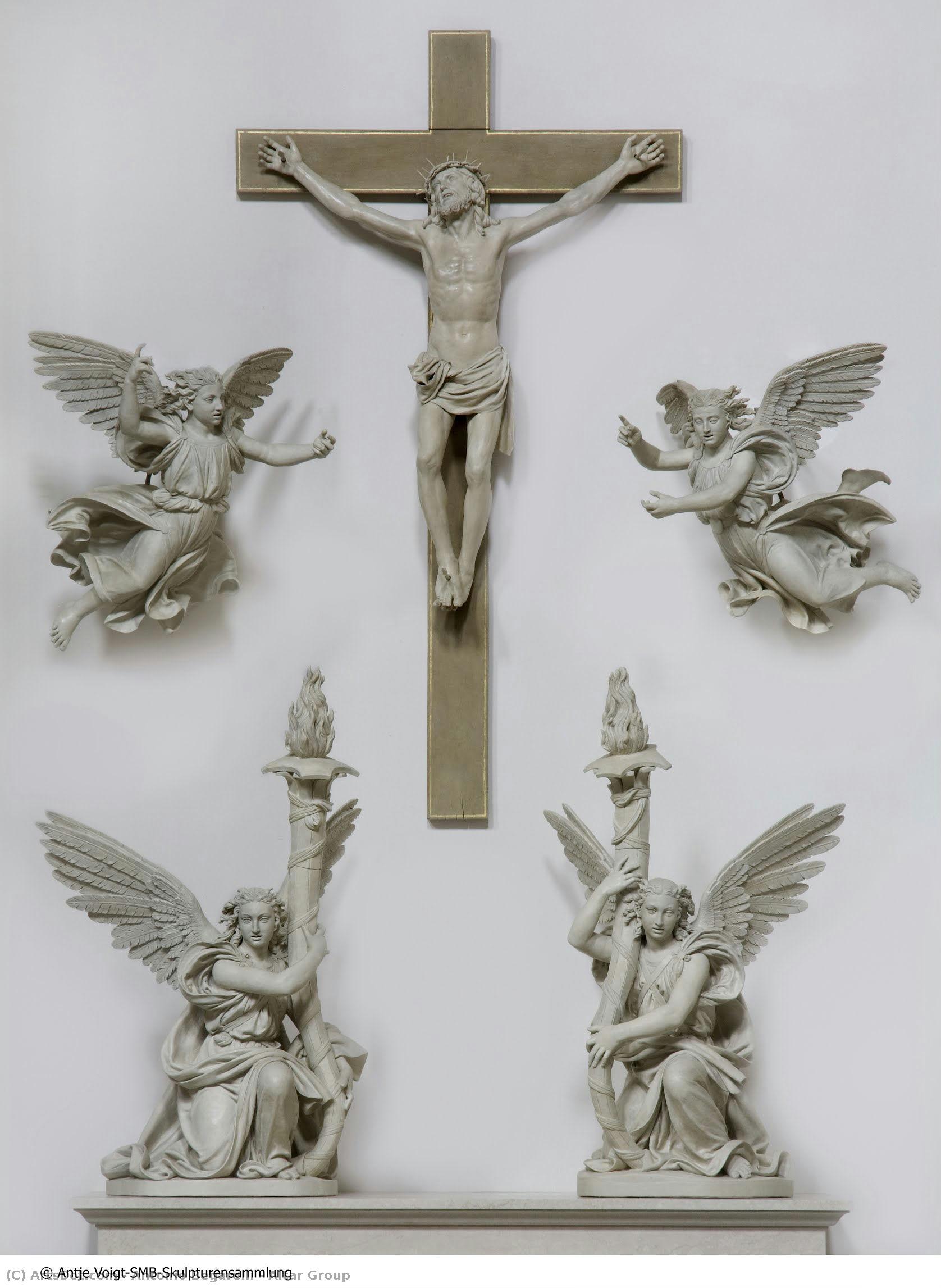
Altar Group

 Rozwiń treść
Ręcznie malowana reprodukcja olejowa
Ręcznie malowany olej na płótnie w Twoim wymiarze i ramie, tworzony na zamówienie przez naszych artystów.




































Wybierz spośród naszych predefiniowanych rozmiarów, które zachowują oryginalne proporcje dzieła sztuki.

Możesz wprowadzić własne wymiary, aby dopasować obraz do konkretnej ramy lub przestrzeni. Jeśli wybrany rozmiar nie będzie odpowiadał proporcjom oryginału, przytniecie dzieło sztuki lub rozszerzymy je o dodatkowe elementy, ręcznie domalowane przez artystę. Przed rozpoczęciem produkcji wyślemy projekt cyfrowy do Twojej akceptacji.
Należy pamiętać, że podgląd na ekranie nie odzwierciedla rzeczywistego przycinania ani rozszerzania obrazu. Tylko projekt dokładnie pokaże ostateczną kompozycję.
Choć oferujemy możliwość zamówienia niestandardowych rozmiarów, zalecamy wybór wymiaru z gotowej listy, aby zachować oryginalne proporcje dzieła.
Po złożeniu zamówienia zespół OriginalUniqueArt.com skontaktuje się z klientem drogą mailową w celu uzyskania instrukcji i prześle wizualizację projektu
Dostawa na całym świecie () w ciągu 3/4 tygodni zamiast standardowych 5 tygodni. (22 Lipiec). Bez kompromisów w kwestii jakości.

Bezpłatna ekspresowa wysyłka na cały świat

Wysokiej jakości płótno lniane

Pełne ubezpieczenie przesyłki

Gwarancja zwrotu należności celnych

Gwarancja pełnego zgodności kolorystycznej

Polityka 60-dniowego zwrotu (tylko w przypadku wad)

Gwarancja 100% zwrotu pieniędzy

Zniżka przy większych zamówieniach
 Opcja szkła jest dostępna wyłącznie w rozmiarach poniżej 110 cm

Altar Group
Technika reprodukcji
Wymiary reprodukcji
-


Cena całkowita
-
Opis dzieła
Biografia artysty
Antonio Begarelli: The Sculptor Who Replaced Paint
Antonio Begarelli (c. 1499 – 1565) stands as a singular figure in the artistic landscape of Renaissance Italy, particularly renowned for his pioneering approach to sculptural decoration—a deliberate substitution of painted panels with terracotta reliefs that fundamentally altered the aesthetic sensibilities of his time. Born in Modena, he emerged from the workshop of Giovanni dell’Abbate, Niccolò’s father, absorbing influences from the burgeoning realism championed by artists like Guido Mazzoni II Modanino. This stylistic shift marked a decisive break from prevailing conventions and cemented Begarelli's place as an innovator.- Early Life & Training: Begarelli’s formative years were spent honing his craft under Giovanni dell’Abbate, immersing himself in the artistic currents of Modena during a period characterized by fervent religious fervor.
- Modena Workshops: He established himself as a dominant sculptor in Modena, collaborating extensively with Mazzoni II Modanino and transforming churches throughout the region into spaces adorned with terracotta sculptures—a revolutionary technique that prioritized textural richness and sculptural presence over illusionistic color.
- Parma Patronage & Correggio Connection: Begarelli’s reputation extended beyond Modena when he secured commissions from Parma’s aristocratic elite, furthering his artistic explorations. While speculation persists regarding a connection between Begarelli and Raphael (Correggio), scholarly consensus suggests their stylistic differences—Begarelli favoring earthy tones and monumental scale—demonstrate distinct artistic trajectories.
A Unique Sculptural Style: Terra Cotta & Marble Illusion
Begarelli’s distinctive style distinguished him from his contemporaries, notably Correggio. Unlike Correggio's ethereal frescoes employing sfumato techniques to create atmospheric depth and illusionistic perspective, Begarelli opted for terracotta—a readily available material—to achieve a strikingly realistic effect. He skillfully employed white pigment to mimic the appearance of marble, elevating the sculptural reliefs to levels of grandeur and sophistication previously unattainable through painting alone. Giorgio Vasari famously remarked that Michelangelo considered Begarelli’s terracotta sculptures “most excellent productions,” highlighting their impact on artistic discourse.- Material Choice: The deliberate use of terracotta contrasted sharply with Correggio's mastery of fresco, emphasizing sculptural form and texture over optical illusion.
- Color Palette: Begarelli favored a monochrome palette—primarily white—creating an impression of marble luminosity that captivated viewers and established a new standard for decorative sculpture.
Influences & Legacy
Begarelli’s artistic sensibilities were profoundly shaped by Benvenuto Tisi da Caravaggio, whose dramatic chiaroscuro style mirrored Begarelli's commitment to conveying emotion through sculptural form. Vasari noted that Michelangelo admired Begarelli’s sculptures for their ability to evoke profound feelings—a testament to the sculptor’s mastery of expressive technique. His pupils included Alberto Fontana and Niccolò dell’Abbate, ensuring the continuation of his innovative approach to terracotta sculpture.- Caravaggio Influence: Begarelli's style reflects Caravaggio's emphasis on dramatic lighting and emotional intensity—a stylistic convergence that underscores the shared artistic vision of their era.
Notable Works & Recognition
Begarelli’s enduring legacy resides in his monumental terracotta sculptures adorning churches throughout Modena and Parma, particularly “Deposition” (1530) and “Altar Group,” which exemplify the pinnacle of Renaissance sculptural achievement. His contribution to artistic history is undeniable—he ushered in a transformative era where sculpture supplanted painting as the dominant medium for religious decoration, forever altering the visual culture of his time.
Antonio Begarelli
1490 - 1565 , Italy
Kluczowe informacje
- Artistic Movement Or Style: Late Renaissance
- Artists Or Movements Influenced By This Artist: ['Benvenuto Tisi']
- Artists Who Influenced This Artist: ['Guido Mazzoni']
- Date Of Birth: ca. 1499
- Date Of Death: 1565
- Full Name: Antonio Begarelli
- Nationality: Italian
- Notable Artworks:
- Deposition
- Altar Group
- Madonna del Latte
- Place Of Birth: Modena, Italy

