Zobacz w skali 1:1
 Wyślij
 Udostępnij
 Szczegóły
 Przewodnik

 Pobierz plik obrazu
 Podobne obiekty
 RTG
RTG Pokaz slajdów
 Statystyki
Self-Portrait
 Acrylic
- WallArt
- Neoclassical Revival
 1776
1776 90.0 x 66.0 cm
 Metropolitan Museum of Art
 Czytaj więcej
Giclée / Wydruk artystyczny
Wydruki giclée lub płótna o jakości muzealnej, szybka realizacja i szeroki wybór opcji wykończenia. ( Kup ręcznie malowany obraz Przełącz na wersję cyfrową)




P118B zł10

P118H zł10

P118W zł10

P438Z zł10

P508JH zł12

P508YH zł12

P805H zł10

P805Z zł10

P919BZ zł10

P919G zł10

P919XJ zł10

P959ZH zł10

P968JZ zł12

W106C zł8

W218G zł10

W218JH zł8

W218Y zł10

W307PJ zł10

W316G zł10

W316PJ zł8

W316Y zł10

W398PJ zł8

W4111J zł10

W500HY zł15

W500JH zł15

W692G zł12

W849H zł8

W940BG zł15

W953PJ zł8




Wybierz spośród naszych standardowych rozmiarów, które zachowują oryginalne proporcje dzieła sztuki.

Wpisz wymaganą szerokość i wysokość, aby dopasować grafikę do ramy lub ściany. Wydruk można jedynie przyciąć, nigdy nie powiększając go poza oryginalny obraz, dlatego format o innym proporcji spowoduje utratę części kompozycji. Przed rozpoczęciem druku prześlemy Ci cyfrowy podgląd do zatwierdzenia. Obraz wyświetlany na tej stronie nie pokazuje rzeczywistego przycięcia — jedynie podgląd oddaje ten efekt.
Dostawa na cały świat () w ciągu 2 tygodni zamiast standardowych 4/5 tygodni. (23 Październik)

Bezpłatna ekspresowa wysyłka na cały świat

Wysokiej jakości płótno lniane

Pełne ubezpieczenie transportowe

Gwarancja zwrotu należności celnych i podatków importowych

Gwarancja idealnego odwzorowania barw

100-dniowy okres na zwrot dzieła w przypadku wykrycia wad produkcyjnych

Gwarancja 100% zwrotu pieniędzy

Oferta przy zakupie wielu sztuk
 Opcja ze szkłem jest dostępna wyłącznie w rozmiarach poniżej 110 cm

Self-Portrait
Giclée / Wydruk artystyczny
Rozmiar reprodukcji
-


Suma do zapłaty
zł 307
A Portrait Steeped in Classical Idealism: Exploring Anton Raphael Mengs’ Self-Portrait
The painting “Self-Portrait” by Anton Raphael Mengs stands as a testament to the artistic fervor of the Enlightenment and embodies the burgeoning fascination with reviving classical forms after the excesses of Rococo. Executed in Madrid in 1776, shortly before Mengs succumbed to illness – a visible swelling on his forehead serving as poignant reminder of his physical vulnerability – this artwork transcends mere likeness; it’s an embodiment of intellectual conviction and artistic ambition.- Subject Matter: The portrait depicts Mengs himself in a contemplative pose, gazing directly at the viewer with unwavering gaze. This deliberate confrontation establishes an intimate connection between artist and observer, inviting contemplation on themes of self-awareness and artistic identity.
- Style & Technique: Mengs’ style aligns squarely with Neoclassicism, prioritizing clarity, balance, and idealized beauty—characteristics championed by Johann Joachim Winckelmann, whose influence extended far beyond the realm of painting. The artist employs meticulous brushwork, layering thin glazes to achieve remarkable luminosity and capturing subtle nuances of expression. He skillfully utilizes chiaroscuro – dramatic contrasts between light and shadow – to sculpt the figure’s form and imbue it with depth.
Historical Context: Rome and Beyond
Mengs' artistic development unfolded against a backdrop of significant cultural shifts. Following the opulent grandeur of Rococo, Rome experienced a resurgence of interest in Greco-Roman art and philosophy, fueled by thinkers like Winckelmann who advocated for studying antiquity as a guide to artistic excellence. Mengs’s formative years in Rome solidified his commitment to these ideals, shaping his aesthetic vision and informing his approach to portraiture. He was actively engaged in the intellectual debates of his time, reflecting the broader Enlightenment preoccupation with reason and moral virtue.- Symbolism: The inclusion of books symbolizes Mengs’ erudition and dedication to scholarship—a cornerstone of Enlightenment thought. Furthermore, the chair serves as a grounding element, anchoring the figure within a domestic setting and subtly conveying notions of stability and contemplation.
Emotional Impact & Artistic Legacy
“Self-Portrait” resonates powerfully with viewers due to its unflinching honesty and psychological depth. Mengs’ gaze conveys not only confidence but also vulnerability, acknowledging the fragility inherent in human existence. The painting's luminous palette and masterful technique elevate it beyond a simple depiction of appearance; it communicates an inner state—a profound engagement with artistic contemplation and intellectual inquiry. As a pivotal work within Neoclassical art history, Mengs’ Self-Portrait continues to inspire artists and collectors alike, serving as a timeless emblem of classical beauty and humanist ideals.Pytania i odpowiedzi
Jaki nastrój towarzyszy stylowi Neoclassical Revival w dziele „Self-Portrait”?
Reflective emocja dzieła „Self-Portrait” współgra z jego stylem Neoclassical Revival.
Czy dzieło "Self-Portrait" pozostało w ojczyźnie swojego artysty?
Nie – dzieło znajduje się za granicą. Dzieło "Self-Portrait" znajduje się w United States of America, podczas gdy Anton Raphael Mengs urodził(a) się w Czech Republic.
Jak kolory w dziele "Self-Portrait" współgrają ze sobą?
Harmonia kolorystyczna dzieła "Self-Portrait" została określona jako Strong Color Unity.
Biografia artysty
Most między światami: Życie i sztuka Anton Raphaela Mengsa
Anton Raphael Mengs pojawił się w fascynującym okresie w historii sztuki europejskiej, w czasach, gdy ozdobne finezje rokoka zaczynały ustępować miejsca odrodzonemu uwielbieniu dla ideałów klasycznych. Urodzony w 1728 roku w Ústí nad Labem w Czechach – regionie, który dziś stanowi część Republiki Czeskiej – jego artystyczna droga została głęboko ukształtowana zarówno przez jego dziedzictwo, jak i intelektualne prądy Oświecenia. Jego ojciec, Ismael Mengs, duński malarz cieszący się mecenatem na dworze w Dreźnie, wcześnie dostrzegł wyjątkowy talent młodego Antona. To uznanie doprowadziło do przełomowego wydarzenia w 1741 roku: przeprowadzki do Rzymu, gdzie rodzący się artysta zanurzył się w studiach nad antycznymi arcydziełami oraz dziełami mistrzów renesansu, takich jak Rafael. To właśnie to obcowanie z przeszłością nieodwracalnie odcisnęło piętno na jego wrażliwości estetycznej, zaszczepiając w nim głęboki szacunek do klasycznej formy, klarowności i kompozycji – cech, które stały się znakami rozpoznawczymi jego dojrzałego stylu. Wczesne lata poświęcił skrupulatnemu kopiowaniu dzieł, nie tylko jako ćwiczeniu technicznemu, ale jako głębokiemu aktowi artystycznej pielgrzymki, chłonąc esencję geniuszu Rafaela.Od Drezna do Madrytu: Kariera na europejskich dworach
Kariera Mengsa rozwijała się na kilku prestiżowych dworach Europy, a każdy z nich pozostawił swój unikalny ślad w jego rozwoju artystycznym. W 1749 roku uzyskał zaszczytną funkcję malarza dworskiego Fryderyka Augusta, elektora Saksonii – rolę, która zapewniła mu zarówno stabilność finansową, jak i swobodę utrzymywania bazy w Rzymie, będącym epicentrum jego artystycznej inspiracji. Jednak to właśnie freski przyniosły mu prawdziwą sławę. *Parnas* w Villa Albani w Rzymie, ukończony około 1761 roku, stał się natychmiastową sensacją, wychwalany za harmonijną kompozycję, eleganckie postaci oraz subtelne, a zarazem potężne przywołanie mitologii klasycznej. Dzieło to nie było jedynie dekoracyjnym akcentem; stanowiło manifest – świadomą próbę syntezy barokowego przepychu z rodzącymiymi się zasadami klasycyzmu. Następowały kolejne zlecenia, w tym oszałamiający fresk zdobiący kopułę kościoła Sant'Eusebio w Rzymie, prezentujący jego mistrzostwo w monumentalnej dekoracji i iluzji przestrzennej. Być może jego najbardziej ambitnym przedsięwzięciem było zaproszenie z dworu hiszpańskiego w 1761 roku. Podróżował do Madrytu, gdzie powierzono mu dekorację kilku królewskich pałaców, co zwieńczyło wspaniałe sklepienie Sali Bankietowej Pałacu Królewskiego – dzieło uznawane za jedno z jego najwybitniejszych osiągnięć, demonstrujące niezwykłą zdolność do łączenia włoskiej elegancji z hiszpańską wrażliwością.Relacja z Winckelmannem: Kształtowanie myśli neoklasycznej
Ewolucja artystyczna Mengsa nie wynikała wyłącznie ze studiów wizualnych; była ona głęboko spleciona z dyskursem intelektualnym. Kluczowy punkt zwrotny nastąpił wraz z jego bliską przyjaźnią i współpracą z Johannem Joachimem Winckelmannem, pionierem historii sztuki, którego pisma stały się fundamentem ruchu neoklasycznego. Winckelmann opowiadał się za powrotem do postrzeganej czystości i prostoty sztuki starożytnej Grecji, postulując estetykę opartą na rozumie, porządku i idealizowanych formach. Mengs nie tylko ilustrował teorie Winckelmanna; on aktywnie uczestniczył w ich kształtowaniu, przekładając abstrakcyjne koncepcje na namacalne wyrazy artystyczne. Wspólnie wierzyli, że prawdziwe piękno nie tkwi w powierzchownej ornamentyce, lecz w podstawowych zasadach harmonii i proporcji odnalezionych w antyku. To partnerstwo wykraczało poza dyskusje teoretyczne; objawiało się w samych malowidłach Mengsa, które coraz częściej odzwierciedlały nacisk Winckelmanna na szlachetną prostotę i powściągliwość emocji. Wpływ ten był obustronny: pisma Winckelmanna dostarczały ram filozoficznych dla artystycznych dążeń Mengsa, podczas gdy sztuka Mengsa służyła jako wizualny dowód na żywotność – i piękno – ideałów neoklasycznych.Dziedzictwo i wpływ: Pionier swoich czasów
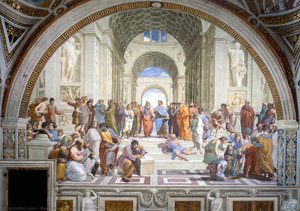
Anton Raphael Mengs zmarł w Rzymie w 1779 roku, pozostawiając po sobie dziedzictwo wykraczające daleko poza jego imponujący dorobek artystyczny. Był kimś więcej niż tylko malarzem; był kluczową postacią w procesie przejścia od jednej ery artystycznej do drugiej. Choć zakorzeniony w tradycji barokowej – co widoczne jest w dramatycznym operowaniu światłocieniem i mistrzostwie technik iluzjonistycznych – Mengs odważnie przyjął rodzące się zasady klasycyzmu, torując drogę artystom takim jak Jacques-Louis David czy Antonio Canova. Jego nacisk na ideały klasyczne, w połączeniu z techniczną wirtuozerią, uczynił go wiodącą siłą kształtującą sztukę XVIII wieku. *Szkoła Ateńska*, namalowana dla księcia Northumberland, stanowi świadectwo jego zdolności do syntezy historycznego precedensu ze współczesną wrażliwością artystyczną. Poza malarstwem i freskami, wpływ Mengsa rozciągał się na edukację; pełnił funkcję dyrektora Watykańskiej Szkoły Malarskiej, wychowując nowe pokolenie artystów przesiąkniętych zasadami klasycznymi. Był postacią złożoną – gorliwym katolikiem, który jednocześnie angażował się w myśl oświeceniową, artystą, który potrafił zrównoważyć tradycję z innowacją. Jego życie i twórczość stanowią fascynujące przecięcie umiejętności artystycznych, ciekawości intelektualnej i uwarunkowań historycznych, utwierdzając jego miejsce jako prawdziwego pioniera sztuki neoklasycznej. Jego wpływ rezonuje nawet dzisiaj, przypominając nam o trwałej mocy ideałów klasycznych w inspirowaniu i przekształcaniu ekspresji artystycznej.
Anton Raphael Mengs
1728 - 1779 , Czech Republic
Najważniejsze informacje
- Artistic Movement Or Style: Neoklasycyzm
- Artists Or Movements Influenced By This Artist:
- Jacques-Louis David
- Antonio Canova
- Artists Who Influenced This Artist:
- Raphael
- Correggio
- Date Of Birth: 12 marca 1728
- Date Of Death: 29 czerwca 1779
- Full Name: Anton Raphael Mengs
- Nationality: Niemiec
- Notable Artworks:
- Świętych Apostołów Ołtarz
- Parnassus
- Place Of Birth: Ústí nad Labem, Czech Republic
Zobacz także powiązane artykuły

Baroque Classicism: The Grandeur of Order and Drama in 17th-Century Art History
Explore the profound elegance of Baroque Classicism. Discover how 17th-century masters synthesized dramatic emotion with classical order through the lens of the Counter-Reformation and the works of legends like Carlo Maratta and Andrea Sacchi.
Barokowy Klasycyzm: Synteza Dramatu i Porządku w Sztuce XVII Wieku
Poznaj fascynujący świat barokowego klasycyzmu! Analiza ideologii kontrreformacji, syntezy antyku z dramatyzmem oraz mistrzowskich technik malarskich. Ekspercka wiedza o sztuce XVII wieku.
Spojrzenie Przez Wieki: Klasyczny Portret i Odzwierciedlenie Wartości Społecznych
Odkryj historię portretu klasycznego i jego odzwierciedlenie wartości społecznych. Analiza arcydzieł renesansu, techniki malarskie i współczesne interpretacje. Zamów reprodukcję lub portret na zamówienie!
10 Arcydzieł Neoklasycyzmu: Sztuka, Historia i Inspiracje dla Twojego Domu
Poznaj 10 arcydzieł neoklasycyzmu! Odkryj historie Davida, Ingresa i Canovy. Inspiracje wnętrzarskie z malarstwem klasycznym i rzeźbą. Reprodukcje najwyższej jakości na OriginalUniqueArt.com – sztuka dla Twojego domu.
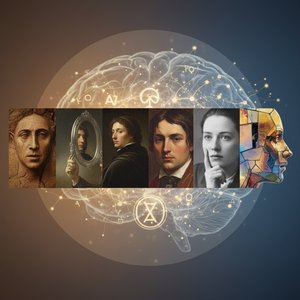
Reflecting the Self: A History of Portraiture & Psychological Insight
Explore the fascinating history of self-portraiture from Renaissance masters like Dürer & Rembrandt to modern interpretations. Discover the psychological insights and artistic techniques behind these iconic works. Expert analysis for art enthusiasts.