

 Podgląd w skali
 Wyślij jako kartkę
 Udostępnij
 Szczegóły dzieła

 Pobierz
 Podobne obiekty
 RTG
RTG Pokaz slajdów
Les Plaisirs du bal


 Rozwiń treść
Giclée / Wydruk artystyczny
Druk giclée lub płótno o jakości muzealnej, szybka realizacja i szeroki wybór opcji wykończenia. ( Zamów ręcznie malowaną reprodukcję Kup obraz wysokiej rozdzielczości)




P118B $10

P118H $10

P118W $10

P438Z $10

P508JH $12

P508YH $12

P805H $10

P805Z $10

P919BZ $10

P919G $10

P919XJ $10

P959ZH $10

P968JZ $12

W106C $8

W218G $10

W218JH $8

W218Y $10

W307PJ $10

W316G $10

W316PJ $8

W316Y $10

W398PJ $8

W4111J $10

W500HY $15

W500JH $15

W692G $12

W849H $8

W940BG $15

W953PJ $8




Wybierz spośród naszych standardowych rozmiarów, które zachowują oryginalne proporcje dzieła sztuki.

Możesz wprowadzić własne wymiary, aby dopasować dzieło do konkretnej ramy lub przestrzeni. Jeśli wybrany rozmiar nie będzie odpowiadał proporcjom oryginalnego obrazu, przytniecie dzieło lub rozszerzymy obraz za pomocą odbicia lustrzanego lub jednolitego wypełnienia krawędzi. Przed rozpoczęciem produkcji prześlemy cyfrową wizualizację do Twojej akceptacji.
Prosimy pamiętać, że podgląd na ekranie nie odzwierciedla faktycznego przycinania ani rozszerzania. Tylko wizualizacja dokładnie pokaże końcową kompozycję.
Mimo dostępności niestandardowych rozmiarów, zalecamy wybór wymiaru z listy zdefiniowanej, aby zachować oryginalne proporcje.
Dostawa na cały świat () w ciągu 2 tygodni zamiast standardowych 4/5 tygodni. (24 Sierpień)

Bezpłatna ekspresowa wysyłka na cały świat

Wysokiej jakości płótno lniane

Pełne ubezpieczenie przesyłki

Gwarancja zwrotu należności celnych i podatków importowych

Gwarancja wiernego odwzorowania kolorów

Polityka 60-dniowego zwrotu (tylko w przypadku wad)

Gwarancja 100% zwrotu kosztów

Zniżka przy zamówieniu wielu produktów
 Opcja ze szkłem jest dostępna wyłącznie w rozmiarach poniżej 110 cm

Les Plaisirs du bal
Giclée / Wydruk artystyczny
Wymiary reprodukcji
-


Cena całkowita
$ 80
Opis kolekcjonerski
The Enigmatic Charm of “The Pleasures of the Ball”
Jean-Antoine Watteau’s “The Pleasures of the Ball,” painted in 1717 and now residing within the hallowed halls of the Dulwich Picture Gallery, is more than just a depiction of an aristocratic gathering; it's a shimmering portal into the heart of Rococo France. This oil on panel masterpiece isn’t merely a scene of elegant figures enjoying themselves; it’s a carefully constructed tableau brimming with subtle social commentary, evocative atmosphere, and a profound sense of fleeting beauty. Watteau, a pivotal figure in the transition from Baroque to this lighter, more sensual style, masterfully captures the ephemeral joy of a *fête galante*, an outdoor entertainment favored by the French aristocracy – a world of refined leisure and carefully orchestrated pleasure. The painting immediately draws the eye with its pastel palette—soft pinks, blues, and creams—creating a dreamlike quality that belies the underlying complexity of the scene. It’s a world where light seems to dance across surfaces, inviting the viewer into an intimate, almost voyeuristic experience.The composition itself is remarkably sophisticated. Watteau eschews the rigid formality of earlier court paintings, opting instead for a looser, more natural arrangement of figures within a carefully designed architectural setting. An archway and columns frame the scene, hinting at a grand ballroom or courtyard beyond, while several individuals stand outside under an archway. The placement of the figures—some clustered together in animated conversation, others observing from a distance—suggests a dynamic social network, a delicate dance of flirtation, observation, and unspoken desires. Notice how Watteau uses diagonals to draw the eye through the composition, leading us on a visual journey through the scene. The inclusion of a small dog adds an element of liveliness and playfulness, grounding the otherwise ethereal atmosphere with a touch of domesticity.
Rococo Revelations: Style and Technique
“The Pleasures of the Ball” is a quintessential example of Rococo art, a style that emerged in France during the 18th century as a reaction against the grandeur and formality of the Baroque period. Characterized by its delicate curves, soft colors, and lighthearted themes, Rococo sought to evoke feelings of pleasure, grace, and elegance. Watteau’s masterful use of *sfumato*, a technique borrowed from Renaissance masters like Leonardo da Vinci, creates a hazy, atmospheric effect that softens the edges of the figures and contributes to the painting's dreamlike quality. The artist’s brushwork is loose and feathery, adding to the sense of movement and spontaneity. Furthermore, Watteau’s choice of *oil on panel* allowed for an exceptional level of detail and texture—one can almost feel the silk of the costumes and the smoothness of the marble columns. The use of light is particularly noteworthy; it's diffused and flattering, bathing the figures in a warm glow that enhances their beauty and creates a sense of intimacy.A Social Commentary: Class and Desire
Beyond its aesthetic qualities, “The Pleasures of the Ball” offers a subtle commentary on 18th-century French society. The presence of both men and women from different social classes—a clear indication of the era’s evolving social dynamics—suggests a world where aristocratic leisure was increasingly intertwined with the aspirations of the rising merchant class. However, a deeper layer of meaning emerges when we consider the inclusion of two figures in darker clothing – likely enslaved individuals – positioned discreetly within the scene. This detail has sparked considerable debate among art historians and raises questions about the painting’s underlying message. Are these figures merely decorative elements, or do they represent the hidden costs of aristocratic pleasure? Watteau's choice to include them subtly challenges the viewer to consider the social inequalities that underpinned this world of refined entertainment. The artist doesn’t explicitly condemn the scene, but he forces us to confront its complexities and acknowledge the darker side of luxury.Echoes of a Lost Era: Historical Context
“The Pleasures of the Ball” was created during a period of significant social and political change in France. Following the death of Louis XIV, the court moved from Versailles to Paris, ushering in a new era of aristocratic leisure and entertainment. The *fête galante*, popularized by Watteau, became a favored pastime for wealthy patrons who sought to escape the constraints of court life and indulge in a more intimate and informal social experience. The painting reflects this shift in values—a move away from the rigid formality of the Baroque era towards a more relaxed and sensual aesthetic. It’s important to note that Watteau's work was deeply influenced by Italian comedy, particularly the *commedia dell’arte*, which provided him with a rich source of characters and scenarios. The painting is thus not simply a depiction of a ball; it’s a carefully constructed homage to the pleasures of social interaction and artistic invention.Reproductions of “The Pleasures of the Ball” offer a remarkable opportunity to experience the beauty and sophistication of this iconic work of art. Whether displayed in a grand salon or a more intimate setting, this painting continues to captivate viewers with its evocative atmosphere, subtle social commentary, and timeless appeal.
O artyście
A Delicate Brushstroke: The Life and Art of Jean-Antoine Watteau
Jean-Antoine Watteau, a name synonymous with the blossoming Rococo style, emerged from the northern French city of Valenciennes in 1684. His brief but incandescent career irrevocably altered the course of eighteenth-century painting, shifting its focus from the grandeur and drama of the Baroque to an intimate world of elegance, leisure, and subtle emotion. Unlike many artists who followed a clearly defined path, Watteau’s journey was marked by initial struggles for recognition within the established art institutions of Paris. Born into a family of modest means—his father a master roofer—young Jean-Antoine displayed an early aptitude for drawing, initially sketching the colorful characters and bustling scenes of his hometown streets. This formative experience instilled in him a keen eye for observation and a fascination with everyday life, themes that would permeate his later work. His initial training under local artists Jacques-Albert Gérin and Julien provided a foundation, but it was his move to Paris around 1702 that truly ignited his artistic development.From Theatrical Scenes to *Fêtes Galantes*
In the vibrant heart of Paris, Watteau entered the workshop of Claude Gillot, a painter specializing in theatrical designs and the popular genre of *fêtes galantes*—depictions of aristocratic outdoor entertainments. This apprenticeship proved pivotal. Gillot’s influence exposed Watteau to the world of commedia dell’arte, with its masked characters and playful narratives, which would become a recurring motif throughout his oeuvre. However, Watteau’s artistic sensibilities didn’t neatly align with the rigid categories favored by the Académie Royale de Peinture et de Sculpture. His genre paintings were deemed unsuitable for official recognition, leading to initial rejection when he attempted to compete for the prestigious Prix de Rome. Undeterred, and demonstrating a remarkable resilience, Watteau persevered, eventually gaining acceptance as a *maître amateur* in 1717—a status that allowed him to exhibit his work independently. This period marked a crucial turning point, allowing him to fully develop his unique style characterized by luminous colors, delicate brushwork, and an air of wistful melancholy. He began to move away from direct theatrical representation towards more poetic and evocative scenes, inventing the *fête galante* as a distinct genre—idyllic gatherings in park-like settings where aristocratic figures engaged in flirtatious pursuits and refined pastimes.The Essence of Rococo: Style and Masterpieces
Watteau’s paintings are instantly recognizable for their distinctive qualities. He possessed an unparalleled ability to capture the elegance and refinement of aristocratic life, not through bombastic displays of power or wealth, but through subtle gestures, nuanced expressions, and a masterful use of light and color. His figures exude a poetic grace and a delicate emotional depth that sets them apart from the more formal portraits of his predecessors. The Country Dance (1718-1721), perhaps one of his most celebrated works, exemplifies this perfectly—a vibrant scene depicting carefree rustic life with exquisite detail and an underlying sense of longing. Other masterpieces such as Ceres (Summer) (1705) demonstrate his skill in portraying the beauty of nature and the human form, while The Embarkation for Cythera (1717) and its companion piece, Pilgrimage to Cythera, are iconic depictions of mythological journeys to the island of love, imbued with a sense of mystery and romantic yearning. Even his theatrical portraits, like Gilles (1719), possess an enigmatic quality that invites contemplation. Watteau’s technique was equally innovative; he employed a feathery brushstroke and a delicate layering of colors to create a shimmering effect, capturing the fleeting beauty of light and atmosphere.Influences and Development
Watteau's artistic lineage is complex, drawing inspiration from diverse sources. He deeply admired Venetian Renaissance masters like Titian and Veronese, particularly their rich color palettes and dynamic compositions. The influence of Flemish artists such as Rubens is also evident in his energetic brushwork and sensuous figures. However, Watteau didn’t simply imitate these predecessors; he synthesized their influences into something entirely new and uniquely his own—a style that became the hallmark of Rococo painting. His early work shows a clear debt to the meticulous draftsmanship of the Flemish masters, particularly in his detailed studies of hands and drapery. As he matured, Watteau’s palette grew increasingly luminous and airy, reflecting the influence of Venetian color theory. He was also deeply affected by the works of Rembrandt, whose masterful use of light and shadow informed his own approach to modeling forms and creating a sense of atmosphere. Despite these diverse influences, Watteau developed a distinctly personal style—characterized by its delicate grace, poetic sensibility, and subtle emotional depth.Legacy and Enduring Influence
Watteau's artistic lineage is complex, drawing inspiration from diverse sources. He deeply admired Venetian Renaissance masters like Titian and Veronese, particularly their rich color palettes and dynamic compositions. The influence of Flemish artists such as Rubens is also evident in his energetic brushwork and sensuous figures. However, Watteau didn’t simply imitate these predecessors; he synthesized their influences into something entirely new and uniquely his own—a style that became the hallmark of Rococo painting. Despite a tragically short life—he succumbed to tuberculosis in 1721 at the age of just thirty-seven—Watteau left an indelible mark on art history. His work profoundly influenced generations of artists, including Fragonard and Boucher, who further developed the themes and techniques he pioneered. He redefined genre painting, elevating it to a level of artistic sophistication previously reserved for historical or religious subjects. Today, his paintings are treasured in major museums worldwide—from the National Gallery of Art in Washington D.C. to the Museo del Prado in Madrid—continuing to captivate audiences with their beauty, grace, and enduring appeal, solidifying his place as one of the most important and beloved artists of the Rococo period.
Antoine Watteau
1684 - 1721 , Francja
Krótka nota
- Artistic Movement Or Style: Rokoko
- Artists Or Movements Influenced By This Artist:
- Fragonard
- Boucher
- Artists Who Influenced This Artist:
- Rubens
- Tycjan
- Date Of Birth: 1684
- Date Of Death: 1721
- Full Name: Jean-Antoine Watteau
- Nationality: Francuz
- Notable Artworks:
- Taniec Wiejski
- Ceres (Lato)
- Kontrakt Małżeński
- Place Of Birth: Walenciennes, Francja
Powiązane artykuły

Top 10 arcydzieł epoki rokoka: artyści, historia i dekoracje wnętrz | OriginalUniqueArt.com
Odkryj 10 arcydzieł epoki rokoka! Poznaj Watteau, Boucher’a i Fragonarda – artystów, którzy zdefiniowali ten styl. Inspiracje wnętrzarskie, pastelowe kolory i reprodukcje obrazów najwyższej jakości na OriginalUniqueArt.com. Eksploruj kolekcję online!

Rokokowy przepych: Bunt i rozkosz w sztuce XVIII wieku
Poznaj fascynujący świat rokoka – stylu pełnego wdzięku i przepychu! Odkryj historię, charakterystykę oraz wpływ tego nurtu na sztukę XVIII wieku. Ekspercka analiza i inspiracje dla miłośników historii sztuki.

Urok Elegancji w Sztuce: Historyczna i Estetyczna Eksploracja Wzniosłości i Gracji
Odkryj historię elegancji w sztuce – od rokoka po neoklasycyzm. Analiza dzieł Sir Joshua Reynoldsa i wpływu estetyki XVIII wieku na współczesne wnętrza. Ekskluzywne reprodukcje obrazów na OriginalUniqueArt.com.
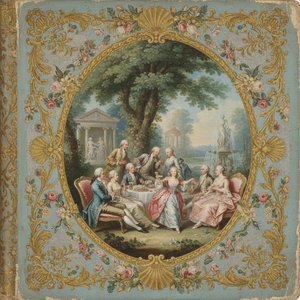
Rokokowy Styl: Arystokratyczne Przestrzenie Rozkoszy i Poszukiwanie Piękna w Sztuce XVIII Wieku
Odkryj świat rokoka – elegancji, luksusu i subtelności XVIII wieku. Poznaj mistrzów malarstwa, charakterystyczne cechy stylu oraz wpływ na sztukę i kulturę. Ekskluzywne reprodukcje obrazów na OriginalUniqueArt.com.

The Fête Galante & Beyond: Exploring the Artistic World of Jean-Antoine Watteau
Discover the captivating world of Jean-Antoine Watteau, master of the Fête Galante! Explore his iconic paintings, symbolism, and lasting influence on Rococo art. A deep dive for classic art enthusiasts.



