Baroque Art · 1604
Triptych (Annibale Carracci, 1604)
Annibale Carracci (1560–1609) stworzył Triptych. Dzieło pochodzi z 1604. Należy do nurtu Baroque Art. Przechowywane jest w Galleria Nazionale d'Arte Antica w Rzym, Włochy. Wymiary to 37 × 24 cm.
- 1604
- 37 × 24 cm
- Galleria Nazionale d'Arte Antica, Rzym

 Podgląd w skali 1:1

 Ręcznie malowany obraz olejny
 Wyślij jako kartkę
 Udostępnij
 Karta informacyjna


 Pobierz obraz
 Podobne obiekty
 RTG
 Pokaz slajdów
 Pytania i odpowiedzi

 Statystyki
Triptych w skrócie
- Tytuł
- Triptych
- Artysta
- Annibale Carracci (1560–1609)
- Miejsce urodzenia artysty
- Bolonia, Włochy
- Data powstania
- 1604
- Wymiary
- 37 × 24 cm
- Gdzie można je zobaczyć
- Galleria Nazionale d'Arte Antica, Rzym, Włochy
- Ruch
- Baroque Art
- Temat
- triptych, annibale carracci, baroque, angels, allegory, copper
Co przedstawia Triptych?
Annibale Carracci’s Triptych: A Baroque Masterpiece of Light, Faith, and Divine Order
Annibale Carracci's 1604 Triptych, currently housed within the Galleria Nazionale d'Arte Antica in Rome, stands as a pivotal example of the burgeoning Baroque style. More than simply a religious depiction, it’s a carefully orchestrated symphony of light, color, and symbolism—a testament to the artist’s mastery of composition and his deep understanding of both classical ideals and emerging emotional expression. This oil-on-copper painting, measuring 37 x 24 cm, invites viewers into a world where earthly beauty intertwines with divine grace, offering a profound meditation on faith, knowledge, and the very nature of existence.
Composition and Symbolism: A Dance of Allegory and Divine Presence
The triptych format itself is deeply rooted in religious tradition, allowing for a layered narrative to unfold. The central panel immediately draws the eye to an angelic figure, radiating serenity and holding aloft a book—a potent symbol of both Holy Scripture and the pursuit of divine knowledge. Surrounding this central emblem are cherubs, their youthful innocence adding a touch of ethereal joy to the scene. The left and right panels introduce allegorical figures engaged in distinct activities: one grasping a scroll or document, representing wisdom and law, while the other holds an object suggestive of power and authority. These flanking scenes aren’t merely decorative; they serve as crucial contextual elements, enriching the central theme with layers of meaning and inviting contemplation on the foundations of faith and governance.
Technique and Artistic Innovation: A Synthesis of Renaissance and Baroque
Carracci's skill is evident in every meticulously rendered detail. The use of light and shadow—a hallmark of Baroque art—is particularly striking, creating a dynamic sense of movement and emotion within the painted space. Notice how the light seems to emanate from an unseen source, illuminating the figures with a radiant glow while simultaneously casting deep shadows that heighten their three-dimensionality. The artist’s mastery extends beyond mere technique; he seamlessly blends elements of Florentine linear draftsmanship—inherited from his artistic lineage—with Venetian color and atmospheric effects, creating a unique style that revitalized Italian painting. The copper panel itself contributes to the work's luminosity, reflecting light in subtle ways that enhance its visual impact. The intricate details – the folds of the garments, the texture of hair, the play of light on skin – demonstrate an extraordinary level of observation and artistic control.
Historical Context and Artistic Legacy: A Bridge Between Eras
Annibale Carracci emerged from a vibrant artistic community in Bologna during the late 16th century, a period marked by a desire to move beyond the constraints of Mannerism. Alongside his brother Agostino and cousin Ludovico, he spearheaded the Accademia degli Incamminati, an institution dedicated to reviving High Renaissance ideals while embracing a more naturalistic approach. This ambitious project aimed to re-establish Italy as a leading force in European art. Carracci’s Triptych exemplifies this spirit of innovation, bridging the gap between the classical past and the emerging Baroque style. His work profoundly influenced subsequent generations of artists, shaping the course of Italian painting for decades to come, and continues to inspire awe and admiration today. As a masterpiece of Italian art, it stands as a powerful reminder of the enduring beauty and spiritual depth that can be achieved through masterful artistic skill.
Further Information: Explore more works by Annibale Carracci on OriginalUniqueArt.com, delve into the history of the Galleria Nazionale d'Arte Antica at OriginalUniqueArt.com, and discover other Baroque masterpieces such as Caravaggio’s *Crucifixion of Saint Peter* on WGA.hu.
W którym muzeum znajduje się Triptych?
Galleria Nazionale d'Arte Antica
Rzym, Włochy
Historia Galleria Nazionale d'Arte Antica Galleria Nazionale d'Arte Antica została założona w 1893 roku w Rzymie, we Włoszech. Ta wyjątkowa instytucja funkcjonuje w dwóch odrębnych, lecz równie zachwycających przestrzeniach: Palazzo Barberini oraz Palazzo Corsini. To właśnie w tych murach skrywane są kolekcje obejmujące fascynujący okres od włoskiego renesansu aż po pełną przepychu epokę baroku.


Zdjęcia w wysokiej rozdzielczości dzieła Triptych

Domena publiczna: artysta zmarł w 1609.
Inne rozmiary, kadrowanie i cytowanie →Annibale Carracci, Triptych (1604), Galleria Nazionale d'Arte Antica. Domena publiczna
Odpowiedzi na pytania dotyczące Triptych
Gdzie można zobaczyć oryginał „Triptych” – Annibale Carracci?
Oryginał dzieła „Triptych” można zobaczyć w Galleria Nazionale d'Arte Antica, Rzym, Włochy.
W którym roku powstało „Triptych” – Annibale Carracci?
"Triptych" powstało w 1604 roku. Data ta pozwala umiejscowić dzieło w kontekście twórczości Annibale Carracci oraz epoki, w której powstało.
Jakie są rzeczywiste wymiary dzieła „Triptych” – Annibale Carracci?
Wymiary dzieła „Triptych” – Annibale Carracci to 37 x 24 cm. Reprodukcje można zamówić w innych rozmiarach, zachowując te same proporcje.
Co przedstawia "Triptych"?
„Triptych” – Annibale Carracci przedstawia: triptych, annibale carracci, baroque, angels, allegory, copper, renaissance, rome.
Czy „Triptych” – Annibale Carracci znajduje się w domenie publicznej?
„Triptych” – Annibale Carracci znajduje się w domenie publicznej (należy do domeny publicznej – autorskie prawa majątkowe wygasły). Status ten określa zasady reprodukcji obrazu tego dzieła.
Któremu artyście przypisuje się "Triptych"?
Autorem dzieła „Triptych” jest Annibale Carracci. Praca ta figuruje w katalogu pod nazwiskiem Annibale Carracci.
Do jakiego nurtu należy "Triptych"?
„Triptych” – Annibale Carracci należy do nurtu Baroque Art. Nurt ten stanowi stylistyczny kontekst dzieła.
Do którego etapu twórczości Annibale Carracci należy dzieło „Triptych”?
W dorobku artystycznym Annibale Carracci dzieło „Triptych” przypada na Baroque Maturity. Ten etap pozwala zestawić je z innymi pracami twórcy.
W jakim wieku Annibale Carracci stworzył(a) "Triptych"?
Gdy w 1604 roku powstało dzieło „Triptych”, Annibale Carracci – urodzony/a w 1560 – miał/a 44 lat.
O artyście: Annibale Carracci
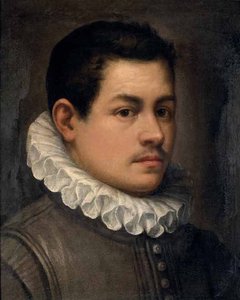
1560–1609, Włochy
Annibale Carracci
Early Life and the Bolognese Roots Annibale Carracci, born on November 3, 1560, in Bologna, was a product of a family deeply intertwined with the artistic traditions of his city. His early life wasn’t marked by privilege or formal training in the conventional sense; rather, it unfolded within the nurturing environment of his father’s workshop—a modest tailor’s shop—where he absorbed the values and skills associated with craftsmanship. This grounding in practical artistry laid a crucial foundation for his later development as a painter, instilling in him an appreciation for meticulous detail, skillful execution, and a connection to the tangible world. Bologna at the close of the 16th century was a city brimming with intellectual ferment—a vibrant crossroads where humanist ideals mingled with burgeoning artistic innovation.
Inne prace Annibale Carracci
 Słońce pośród bób
 Wybór Heraklesa
 Wybor Heraklesa1596
 Krajobraz rzeki1589
Eseje o Triptych
 The Architecture of Divinity: Tracing the Evolution of Angelic Iconography in Renaissance ArtExplore the evolution of angelic iconography from early Christian art to the Baroque. Trace the divine history with our expert analysis.
 25 Masterpieces by Sir Anthony van Dyck: The King of Baroque PortraitureStep into the elegance of the Baroque era with our curated guide to Sir Anthony van Dyck's top 25 masterpieces. Explore royal portraits and…
 Caravaggism and Bolognese Classicism: Two Paths of the BaroqueMaster the differences between Caravaggism and Bolognese Classicism. Explore the dramatic tension of the Baroque era now.