Baroque · 1592
Pan (Annibale Carracci, 1592)
Annibale Carracci (1560–1609) stworzył Pan. Dzieło pochodzi z 1592. Należy do nurtu Baroque. Wykonano w technice Oil On Canvas. Przechowywane jest w National Gallery of Victoria w Melbourne, Australia. Wymiary to 109 × 135 cm.
- 1592
- Oil On Canvas
- 109 × 135 cm
- National Gallery of Victoria, Melbourne

 Podgląd w skali 1:1

 Ręcznie malowany obraz olejny
 Wyślij jako kartkę
 Udostępnij
 Karta informacyjna


 Pobierz obraz
 Podobne obiekty
 RTG
 Pokaz slajdów
 Pytania i odpowiedzi

 Statystyki
Pan w skrócie
- Tytuł
- Pan
- Artysta
- Annibale Carracci (1560–1609)
- Miejsce urodzenia artysty
- Bolonia, Włochy
- Data powstania
- 1592
- Technika wykonania
- Oil On Canvas
- Wymiary
- 109 × 135 cm
- Gdzie można je zobaczyć
- National Gallery of Victoria, Melbourne, Australia
- Ruch
- Baroque
- Temat
- pan, greek god, mythology, carracci, foreshortening, renaissance
Co przedstawia Pan?
A Vision of Rustic Divinity: Annibale Carracci’s Pan
Annibale Carracci's "Pan," painted circa 1592, is not merely a depiction of the Greek god; it’s an embodiment of primal nature, a vibrant assertion of earthly delight rendered with breathtaking technical skill and imbued with the burgeoning spirit of the Bolognese school. This painting transcends simple portraiture, offering instead a glimpse into a world teeming with instinct, fertility, and the intoxicating allure of the wild. Commissioned by Cesare d'Este for his opulent Palazzo dei Diamanti in Ferrara – a palace itself reflecting the lavish tastes of the Renaissance court – “Pan” was intended to be part of a larger decorative scheme, a carefully orchestrated symphony of classical mythology designed to evoke grandeur and celebrate the power of the Este family.
Carracci’s genius lies in his masterful manipulation of perspective and color. The scene unfolds with a dramatic *di sotto in sù* foreshortening – a technique borrowed from earlier Renaissance masters but perfected by Carracci – that draws the viewer into the god's immediate presence. Pan, seated atop a ram or goat (the animal’s identity deliberately ambiguous), is presented not as an imposing deity, but as a youthful, almost mischievous figure. His pose is relaxed, his expression playful, and his limbs are rendered with a remarkable sense of naturalism that distinguishes this work from the more idealized depictions prevalent at the time. The rich palette – dominated by earthy reds, ochres, and greens – creates a tactile quality, inviting the viewer to almost feel the warmth of the Italian sun on Pan’s skin and the rough texture of his attire.
The Language of Symbolism
Pan, in Greek mythology, is the god of shepherds, flocks, wild animals, music, and revelry. He embodies the untamed spirit of nature, a force both alluring and potentially dangerous. Carracci’s portrayal captures this duality perfectly. The ram or goat beneath Pan isn't simply an animal; it represents fertility, abundance, and the cyclical rhythms of life and death – essential themes within the context of the Renaissance fascination with classical antiquity. The inclusion of the pipe, a traditional instrument associated with Pan, further reinforces his role as the patron of music and dance, suggesting a celebration of earthly pleasures.
Notably, the presence of the book or scroll in Pan’s hand hints at a deeper layer of meaning. While often depicted as a wild god, Pan was also associated with prophecy and knowledge – a connection that aligns with the intellectual climate of Renaissance Italy. The object could represent his ability to interpret the signs of nature, offering a glimpse into the mysteries of the world.
A Bridge Between Eras
“Pan” stands as a pivotal work in the transition from the High Renaissance to the Baroque period. Carracci’s embrace of naturalism and dramatic perspective – hallmarks of the Bolognese school – paved the way for the heightened emotional intensity and dynamic compositions that would characterize the Baroque style. His meticulous attention to detail, combined with his innovative use of *di sotto in sù* foreshortening, demonstrates a profound understanding of both classical principles and contemporary artistic trends. The painting’s placement within a larger decorative scheme further highlights its significance as a key element in the revival of classical art during the late 16th century.
A Timeless Appeal
More than four centuries after its creation, “Pan” continues to captivate viewers with its vibrant energy and evocative imagery. It’s a painting that speaks to our enduring fascination with nature, mythology, and the primal instincts that lie at the heart of human experience. Reproductions of this masterpiece offer an opportunity to bring this extraordinary vision into any setting, adding a touch of rustic divinity and timeless beauty to your home or office.
W którym muzeum znajduje się Pan?
National Gallery of Victoria
Melbourne, Australia
Początki i historia National Gallery of Victoria National Gallery of Victoria została założona w 1861 roku. Jej powstanie przypadło na erę gorączki złota, czas gwałtownego rozkwitu kolonii. Instytucja ta rozpoczęła swoją działalność jako skromne repozytorium odlewów gipsowych, które miały stanowić pomost łączący nowo powstały świat z ugruntowanymi tradycjami artystycznymi Europy.


Zdjęcia w wysokiej rozdzielczości dzieła Pan

Domena publiczna: artysta zmarł w 1609.
Inne rozmiary, kadrowanie i cytowanie →Annibale Carracci, Pan (1592), National Gallery of Victoria. Domena publiczna
Odpowiedzi na pytania dotyczące Pan
Gdzie można obecnie zobaczyć dzieło „Pan” – Annibale Carracci?
Oryginał dzieła „Pan” – Annibale Carracci znajduje się w National Gallery of Victoria, Melbourne, Australia. Reprodukcja pozwala na eksponowanie pracy w domu.
W którym roku powstało dzieło "Pan"?
„Pan” – Annibale Carracci powstało w 1592.
W jakiej technice wykonano „Pan” – Annibale Carracci?
Technika wykonania dzieła „Pan” – Annibale Carracci to Oil On Canvas. Reprodukcje mają na celu wierne oddanie wyglądu tej techniki.
Jakie są wymiary oryginalnego dzieła „Pan” – Annibale Carracci?
Oryginalny utwór „Pan” – Annibale Carracci ma wymiary 109 x 135 cm.
Co przedstawia "Pan"?
Tematyka dzieła "Pan" to pan, greek god, mythology, carracci, foreshortening, renaissance, baroque, deity.
Czy obraz „Pan” – Annibale Carracci można swobodnie reprodukować?
Status praw autorskich dla „Pan” – Annibale Carracci: dzieło znajduje się w należy do domeny publicznej – autorskie prawa majątkowe wygasły. Określa to, czy reprodukcje obrazu mogą być sporządzane swobodnie.
Któremu artyście przypisuje się "Pan"?
„Pan” zostało stworzone przez Annibale Carracci. Informacje na tej stronie dotyczą oryginalnego dzieła autorstwa Annibale Carracci.
Do jakiego nurtu należy "Pan"?
„Pan” to dzieło należące do nurtu Baroque. Nurt ten określa tradycję artystyczną, w której osadzone jest dzieło.
Do którego etapu twórczości Annibale Carracci należy dzieło „Pan”?
W dorobku artystycznym Annibale Carracci dzieło „Pan” przypada na Mature Period. Ten etap pozwala zestawić je z innymi pracami twórcy.
O artyście: Annibale Carracci
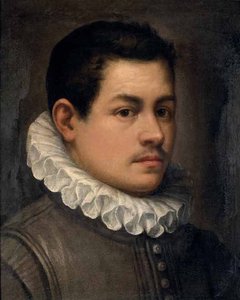
1560–1609, Włochy
Annibale Carracci
Early Life and the Bolognese Roots Annibale Carracci, born on November 3, 1560, in Bologna, was a product of a family deeply intertwined with the artistic traditions of his city. His early life wasn’t marked by privilege or formal training in the conventional sense; rather, it unfolded within the nurturing environment of his father’s workshop—a modest tailor’s shop—where he absorbed the values and skills associated with craftsmanship. This grounding in practical artistry laid a crucial foundation for his later development as a painter, instilling in him an appreciation for meticulous detail, skillful execution, and a connection to the tangible world. Bologna at the close of the 16th century was a city brimming with intellectual ferment—a vibrant crossroads where humanist ideals mingled with burgeoning artistic innovation.
Inne prace Annibale Carracci
 Słońce pośród bób
 Wybór Heraklesa
 Wybor Heraklesa1596
 Krajobraz rzeki1589

Eseje o Pan
 The Language of Animals in Art: From Ancient Egypt to the RenaissanceExplore the profound history of animal symbolism from Egypt to the Renaissance. Trace these ancient motifs through art history now.
 Annibale Carracci: Bridging Renaissance Ideals & Baroque InnovationExplore the life & art of Annibale Carracci, a pivotal figure bridging Renaissance ideals with Baroque innovation. Discover his masterpiece…
 Divine Beauty: The 25 Most Iconic Masterpieces by Fra AngelicoJourney through the divine beauty of Fra Angelico's finest works. Explore 25 iconic Renaissance masterpieces, from ethereal frescoes to sac…