

 Zobacz w skali 1:1
 Wyślij
 Udostępnij
 Szczegóły
 Guide
Guide

 Pobierz plik obrazu
 Podobne obiekty
 RTG
RTG Pokaz slajdów
 Statystyki
Lamentation of Christ
 Oil On Canvas
- WallArt
- Baroque Revival
 1606
1606- Early Modern
 92.0 x 103.0 cm
 Narodowa Galeria Sztuki
 Czytaj więcej
Ręcznie malowana reprodukcja olejowa
Ręcznie malowany obraz olejny na płótnie, wykonany na zamówienie przez naszych artystów w wybranym przez Ciebie wymiarze i oprawie. ( Przełącz na wersję drukowaną Przełącz na wersję cyfrową)




P118B $10

P118H $10

P118W $10

P438Z $10

P508JH $12

P508YH $12

P805H $10

P805Z $10

P919BZ $10

P919G $10

P919XJ $10

P959ZH $10

P968JZ $12

W106C $8

W218G $10

W218JH $8

W218Y $10

W307PJ $10

W316G $10

W316PJ $8

W316Y $10

W398PJ $8

W4111J $10

W500HY $15

W500JH $15

W692G $12

W849H $8

W940BG $15

W953PJ $8




Wybierz spośród naszych standardowych rozmiarów, które zachowują oryginalne proporcje dzieła sztuki.

Możesz wprowadzić własne wymiary, aby dopasować obraz do konkretnej ramy lub przestrzeni. Jeśli wybrany rozmiar nie będzie odpowiadał proporcjom oryginału, przytniecie dzieło sztuki lub rozszerzymy je o dodatkowe elementy, ręcznie domalowane przez artystę. Przed rozpoczęciem produkcji wyślemy projekt cyfrowy do Twojej akceptacji.
Należy pamiętać, że podgląd na ekranie nie odzwierciedla rzeczywistego przycinania ani rozszerzania obrazu. Tylko projekt dokładnie pokaże ostateczną kompozycję.
Choć oferujemy możliwość zamówienia niestandardowych rozmiarów, zalecamy wybór wymiaru z gotowej listy, aby zachować oryginalne proporcje dzieła.
Po złożeniu zamówienia zespół OriginalUniqueArt.com skontaktuje się z klientem drogą mailową w celu uzyskania instrukcji i prześle wizualizację projektu
Dostawa na całym świecie () w ciągu 3–4 tygodni zamiast standardowych 5 tygodni. (21 Wrzesień). Bez kompromisów w kwestii jakości.

Bezpłatna ekspresowa wysyłka na cały świat

Wysokiej jakości płótno lniane

Pełne ubezpieczenie transportowe

Gwarancja zwrotu należności celnych i podatków importowych

Gwarancja idealnego odwzorowania barw

100-dniowy okres na zwrot dzieła w przypadku wykrycia wad produkcyjnych

Gwarancja 100% zwrotu pieniędzy

Oferta przy zakupie wielu sztuk
 Opcja ze szkłem jest dostępna wyłącznie w rozmiarach poniżej 110 cm

Lamentation of Christ
Technika wykonania
Rozmiar reprodukcji
-


Suma do zapłaty
$ 300
A Symphony of Sorrow: The Emotional Grandeur of Annibale Carracci
The moment one gazes upon Annibale Carracci’s Lamentation of Christ, the air seems to thicken with the weight of profound grief. Completed in 1606, this oil on canvas masterpiece serves as a cornerstone of the Baroque era, capturing a pivotal moment of spiritual and human tragedy. The scene is not merely a depiction of a biblical event; it is a visceral experience designed to pull the viewer into the very heart of mourning. Carracci, a pioneer of the Bolognese school, masterfully orchestrates a composition that balances monumental stability with an almost restless energy. Through a pyramidal arrangement of figures, he provides a structural anchor for the eye, yet this classical rigor is constantly challenged by the swirling drapery and the agitated, expressive brushstrokes that define the Baroque spirit. The Mastery of Light and ColorTechnically, the painting is a triumph of coloristic richness and dramatic chiaroscuro. Carracci draws heavily from the luminous palettes of the Venetian masters, infusing the scene with vibrant shades of deep blue, crimson, and earthy yellows that breathe life into the somber subject matter. The interplay of light and shadow does more than just define form; it sculpts the emotional landscape of the piece. Light falls upon the central figure of Christ, highlighting the physical toll of his sacrifice, while deeper shadows envelop the surrounding mourners, pulling them into a shared space of quiet, heavy despair. For the collector or interior designer, this dynamic use of light offers an unparalleled depth that can transform a room, providing a focal point that commands attention through its sheer atmospheric intensity.
A Legacy of Innovation and Naturalism
To understand the impact of this work, one must look to the revolutionary spirit of the Carracci family. Alongside his brother Agostino and cousin Ludovict, Annibale sought to move away from the artificiality of Mannerism, striving instead for a renewed naturalism rooted in classical reverence. This painting embodies that mission perfectly—it is both classically structured and intensely human. The figures are not distant, idealized icons; they possess a palpable, fleshy reality that makes their sorrow feel contemporary and relatable. By blending the structural discipline of the High Renaissance with a new, emotive dynamism, Carracci created a visual language that would influence generations of European artists. An Enduring Presence for the Discerning CollectorFor those seeking to adorn a space with art that speaks to the soul, the Lamentation of Christ offers more than mere decoration. It is an invitation to contemplation. The painting’s ability to evoke empathy through its rich textures and dramatic composition makes it a profound addition to any curated collection. Whether placed in a grand gallery or a sophisticated private study, the work acts as a window into the human condition, reminding us of our shared capacity for loss and resilience. Owning a high-quality reproduction of such a masterpiece allows one to bring this historical gravity and aesthetic brilliance into the modern home, ensuring that the legacy of the Baroque continues to inspire awe and reflection.
Biografia artysty
Early Life and the Bolognese Roots
Annibale Carracci, born on November 3, 1560, in Bologna, was a product of a family deeply intertwined with the artistic traditions of his city. His early life wasn’t marked by privilege or formal training in the conventional sense; rather, it unfolded within the nurturing environment of his father’s workshop—a modest tailor’s shop—where he absorbed the values and skills associated with craftsmanship. This grounding in practical artistry laid a crucial foundation for his later development as a painter, instilling in him an appreciation for meticulous detail, skillful execution, and a connection to the tangible world.
Bologna at the close of the 16th century was a city brimming with intellectual ferment—a vibrant crossroads where humanist ideals mingled with burgeoning artistic innovation. Yet, it also possessed a certain provincialism, a sense that it lagged behind the dominant currents flowing from Rome and Venice, centers of unparalleled artistic power. This awareness fueled within Annibale and his brother Agostino, along with their cousin Ludovico Carracci, a desire to forge their own path—to create an art that would not merely imitate the masters but also revitalize Italian painting by drawing upon the legacy of the High Renaissance while simultaneously embracing a more naturalistic approach.
The Carracci family’s artistic lineage extended beyond Annibale himself. His grandfather, Francesco Carracci, had been a painter for the Gonzaga court in Mantua, and his father, Antonio, continued this tradition, working as a tailor before transitioning to painting. This familial connection provided Annibale with an early exposure to the world of art, fostering within him a deep respect for artistic skill and a sense of belonging to a creative lineage.
The Accademia degli Incamminati: A Crucible of Innovation
In 1582, this ambition materialized in the establishment of the *Accademia degli Incamminati*, initially known as the Academy of the Desiderosi. This wasn’t simply a studio; it was a revolutionary institution—a crucible for artistic innovation, a space dedicated to rigorous life drawing, spirited debate, and a collective pursuit of artistic excellence. The academy's name itself—the “Progressives”—signified their intent: to move beyond the stylistic complexities of Mannerism and chart a new course toward a more grounded, emotionally resonant form of expression.
The Incamminati became a model for art academies across Europe, emphasizing observation from life as the cornerstone of artistic training. They rejected the prevailing reliance on memory drawings and idealized forms, advocating instead for direct engagement with the human body—a radical shift that would profoundly influence the course of Italian painting. The academy’s members—Annibale, Agostino, and Ludovico—collaborated closely, sharing ideas, critiquing each other's work, and pushing one another to strive for greater technical mastery and artistic vision.
The *Accademia degli Incamminati* wasn’t merely a place of instruction; it was also a social hub where artists engaged in lively discussions about art history, theory, and technique. They studied the works of the Old Masters—Raphael, Andrea del Sarto, Michelangelo—analyzing their compositions, color palettes, and methods of rendering form. This intellectual engagement informed their own artistic practice, allowing them to synthesize diverse influences and develop a unique style that would distinguish them from their contemporaries.
A Synthesis of Styles and Influences
Carracci’s artistic vision wasn't born in a vacuum; it was meticulously crafted through a deep engagement with the legacies of past masters. He possessed an extraordinary ability to synthesize diverse influences, creating a style that felt both deeply rooted in tradition and strikingly original. He admired the clarity of line and compositional balance found in the works of Raphael and Andrea del Sarto, seeking to emulate their grace and harmony. Yet, he also recognized the power of color and atmospheric effects championed by Venetian painters like Titian, infusing his own work with a vibrant luminosity and emotional depth.
The influence of Correggio was particularly profound, evident in Carracci’s dynamic compositions and illusionistic techniques—especially those showcased in his frescoes. He wasn't simply copying these masters; he was absorbing their strengths and forging them into something new. This eclectic blend became the hallmark of the Bolognese School, a significant branch of Baroque art that emphasized both classical ideals and naturalistic observation. Carracci’s genius lay in his ability to reconcile seemingly disparate elements, creating a harmonious whole that resonated with both intellectual rigor and emotional power.
The Roman Triumph: Palazzo Farnese and Beyond
The invitation to decorate the Palazzo Farnese in Rome marked a pivotal moment in Annibale Carracci’s career. This monumental commission—a vast fresco cycle depicting scenes from mythology—provided him with an unparalleled opportunity to showcase his artistic prowess and establish his reputation on a grand scale. The *Triumph of Bacchus and Ariadne*, arguably his masterpiece, is a breathtaking display of illusionistic technique, dynamic composition, and vibrant color. The frescoes seem to dissolve the boundaries between painting and reality, drawing the viewer into a world of mythic grandeur.
Alongside the *Triumph*, Carracci also undertook *The Loves of the Gods* at Palazzo Farnese, further exploring themes of mythology and love with a blend of classical idealism and keen observation. These works weren’t merely decorative; they were statements about the power of art to elevate the human spirit and celebrate the beauty of the natural world. His success in Rome solidified his position as one of the leading artists of his time, attracting a stream of commissions and influencing generations of painters.
Legacy and Historical Significance
Annibale Carracci’s impact on art history is immeasurable. He played a crucial role in bridging the gap between the High Renaissance and the Baroque period, moving away from the stylized complexities of Mannerism toward a more dynamic, emotionally charged aesthetic. His emphasis on naturalism—on depicting figures with anatomical accuracy and psychological depth—paved the way for artists like Caravaggio, who would further revolutionize Italian painting with their dramatic use of light and shadow.
The Accademia degli Incamminati, founded by Carracci and his associates, served as a model for art academies across Europe, promoting artistic training based on observation and classical principles. His frescoes at Palazzo Farnese remain iconic examples of Baroque illusionism and artistic grandeur, continuing to inspire awe and admiration centuries after their creation. The collective legacy of the Carracci family—Annibale, Agostino, and Ludovico—is one of profound innovation and enduring influence, establishing Bologna as a major center for artistic creativity.
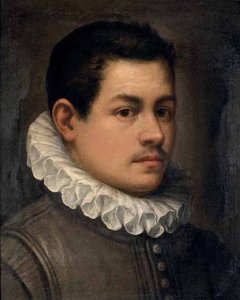
Annibale Carracci
1560 - 1609 , Włochy
Najważniejsze informacje
- Artistic Movement Or Style: Barok Boloński
- Artists Or Movements Influenced By This Artist:
- Caravaggio
- Mannerismo
- Artists Who Influenced This Artist:
- Rafaello
- Andrea del Sarto
- Tycjan
- Date Of Birth: 3 listopada 1560
- Date Of Death: 15 lipca 1609
- Full Name: Annibale Carracci
- Nationality: Włoski
- Notable Artworks:
- Triumph Bacchus
- Loves Gods
- Portret Gabrieli
- Place Of Birth: Bolonia, Italia
Zobacz także powiązane artykuły
Dramatyzm i mistycyzm w sztuce baroku: władza, wiara i emocje na płótnie
Odkryj dramatyzm i mistycyzm w sztuce baroku! Analiza dzieł Caravaggia, Rembrandta i Rubensa. Poznaj wpływ kontrreformacji na malarstwo epoki. Reprodukcje najwyższej jakości – OriginalUniqueArt.
Złoty Wiek Odnowiony: Dramatyczny Realizm i Duchowny Zapał w Sztuce Hiszpańskiego Baroku
Poznaj fascynujący świat baroku hiszpańskiego! Analiza dramatycznego realizmu Velázqueza, Zurbarána i Ribery oraz wpływu kontrreformacji na sztukę. Ekspercka wiedza dla kolekcjonerów i miłośników historii malarstwa.

Dramatyczny Rozkwit Baroku: Dziedzictwo Sztuki Kontrreformacji i Mistrzowie Chiaroscuro
Odkryj dramatyczny świat baroku! Poznaj historię sztuki kontrreformacji, mistrzów chiaroscuro i weneckich arcydzieł. Reprodukcje najwyższej jakości na OriginalUniqueArt.com.

The Visceral Stage: Exploring Dramatic Narratives & Emotional Intensity in Baroque Art
Explore the dramatic world of Baroque art! Discover iconic masters like Caravaggio & Rembrandt, their techniques, and the movement's lasting impact. Expert insights for collectors & enthusiasts at OriginalUniqueArt.
Annibale Carracci: Bridging Renaissance Ideals & Baroque Innovation
Explore the life & art of Annibale Carracci, a pivotal figure bridging Renaissance ideals with Baroque innovation. Discover his masterpieces and lasting influence on Italian painting.


