
 Podgląd w skali 1:1
 Wyślij jako kartkę
 Udostępnij
 Szczegóły dzieła
 Przewodnik

 Pobierz obraz
 Podobne obiekty
 RTG
RTG Pokaz slajdów
 Pytania i odpowiedzi
 Statystyki
Apples in a Box

- 65.0 x 80.0 cm


 Rozwiń treść
Dzieło sztuki prezentowane na tej stronie podlega ochronie prawem autorskim, co oznacza, że nie mamy prawa do tworzenia ani sprzedaży jego identycznej reprodukcji. Ochrona ta jest egzekwowana na mocy umów międzynarodowych, takich jak Konwencja berneńska oraz przez przepisy prawa krajowego, w tym te określone w Prawo autorskie USA – Tytuł 17.
Metoda ta jest w pełni zgodna z przepisami prawa autorskiego, ponieważ nie polega na kopiowaniu ani powielaniu chronionego dzieła. Stanowi ona kreatywną reinterpretację – nowy obraz, który czerpie inspirację z oryginału, ale nie jest z nim tożsamy.
Giclée / Wydruk artystyczny
Wydruki giclée lub płótna o jakości muzealnej, szybka realizacja i szeroki wybór opcji wykończenia. ( Zamów ręcznie malowaną reprodukcję Przejdź do wersji cyfrowej)




P118B zł10

P118H zł10

P118W zł10

P438Z zł10

P508JH zł12

P508YH zł12

P805H zł10

P805Z zł10

P919BZ zł10

P919G zł10

P919XJ zł10

P959ZH zł10

P968JZ zł12

W106C zł8

W218G zł10

W218JH zł8

W218Y zł10

W307PJ zł10

W316G zł10

W316PJ zł8

W316Y zł10

W398PJ zł8

W4111J zł10

W500HY zł15

W500JH zł15

W692G zł12

W849H zł8

W940BG zł15

W953PJ zł8




Wybierz spośród naszych standardowych rozmiarów, które zachowują oryginalne proporcje dzieła sztuki.

Wpisz wymaganą szerokość i wysokość, aby dopasować grafikę do ramy lub ściany. Wydruk można jedynie przyciąć, nigdy nie powiększając go poza oryginalny obraz, dlatego format o innych proporcjach spowoduje utratę części kompozycji. Przed rozpoczęciem druku prześlemy Ci cyfrowy podgląd do zatwierdzenia. Obraz wyświetlany na tej stronie nie pokazuje rzeczywistego przycięcia — jedynie podgląd oddaje ten efekt.
Dostawa na cały świat () w ciągu 2 tygodni zamiast standardowych 4/5 tygodni. (6 Listopad)

Bezpłatna ekspresowa wysyłka na cały świat

Wysokiej jakości płótno lniane

Pełne ubezpieczenie przesyłki

Gwarancja zwrotu należności celnych i podatków importowych

Gwarancja wiernego odwzorowania kolorów

100-dniowa polityka zwrotów (tylko w przypadku wad)

Gwarancja 100% zwrotu pieniędzy

Zniżka przy zakupie wielu sztuk
 Opcja ze szkłem jest dostępna wyłącznie w rozmiarach poniżej 110 cm

Apples in a Box
Giclée / Wydruk artystyczny
Wymiary reprodukcji
-


Cena całkowita
zł 317
Biografia artysty
A Life Immersed in Stillness: The World of Annabel Obholzer
Annabel Obholzer, born in 1942, is a contemporary artist whose work quietly commands attention through its masterful exploration of the still life genre. While biographical details remain somewhat elusive – a deliberate choice perhaps, reflecting her preference for allowing the paintings themselves to speak – her artistic journey has been one of consistent dedication to observing and interpreting the beauty found in everyday objects, particularly those drawn from the natural world. Obholzer’s canvases are not merely representations of fruit or flowers; they are meditations on light, form, and the ephemeral nature of existence. Her art resonates with a sense of peaceful contemplation, inviting viewers to slow down and appreciate the subtle nuances often overlooked in the rush of modern life.Early Influences and Artistic Development
Though specific details regarding her formal training are scarce, it’s clear that Obholzer's artistic roots lie deeply embedded within the traditions of European still life painting. The influence of Dutch Masters like Willem Kalf and Rachel Ruysch is palpable in her meticulous attention to detail and her ability to imbue commonplace objects with a sense of dignity and presence. However, Obholzer doesn’t simply replicate these historical styles; she filters them through a distinctly contemporary lens. Her work also hints at an appreciation for the Impressionists' handling of light and color, though tempered by a more restrained palette and a focus on solid form rather than fleeting impressions. This unique blend creates a style that feels both timeless and remarkably fresh. Early works demonstrate a gradual refinement of technique, moving from relatively straightforward depictions to increasingly complex arrangements characterized by layered textures and nuanced tonal variations.Themes and Symbolism in Obholzer’s Paintings
The recurring motifs in Annabel Obholzer's paintings – fruit, flowers, glass, porcelain – are not chosen arbitrarily. They carry a rich symbolic weight that adds depth to her compositions. Fruit, traditionally associated with abundance, fertility, and the passage of time, often appears on the verge of ripeness or decay, prompting reflection on mortality and the beauty of impermanence. Flowers, similarly, represent both life’s vibrancy and its inevitable decline. The inclusion of glass objects introduces themes of transparency, fragility, and reflection – both literal and metaphorical. Obholzer's arrangements are rarely ostentatious; instead, they evoke a sense of quiet intimacy, suggesting moments captured in time. The artist avoids overt narrative or symbolism, allowing viewers to project their own interpretations onto the work.Technique and Materials
Obholzer’s paintings are characterized by her exceptional technical skill. She typically works in oil on canvas, employing a layering technique that builds up rich textures and luminous surfaces. Her brushwork is often subtle and controlled, creating a sense of depth and realism without sacrificing painterly quality. The artist demonstrates a keen understanding of color theory, using a restrained palette to create harmonious compositions that emphasize the interplay of light and shadow.- Her mastery of glazing techniques allows her to achieve remarkable luminosity.
- She often employs scumbling – a technique involving applying thin layers of broken color – to create atmospheric effects.
- The careful selection of materials, from the quality of the oil paints to the texture of the canvas, underscores her commitment to craftsmanship.
Historical Significance and Contemporary Relevance
While not seeking widespread fame or notoriety, Annabel Obholzer has established a dedicated following among collectors who appreciate her refined aesthetic and thoughtful approach to painting. Her work represents a continuation of the still life tradition, but with a distinctly contemporary sensibility. In an era dominated by abstraction and conceptual art, Obholzer’s commitment to representational painting is both refreshing and significant. She reminds us that beauty can be found in the simplest of things, and that careful observation can reveal profound truths about the world around us. Her paintings offer a welcome respite from the noise and chaos of modern life, inviting viewers to pause, reflect, and appreciate the quiet moments of stillness that often go unnoticed. Her legacy lies not in groundbreaking innovation, but in her unwavering dedication to her craft and her ability to create works of enduring beauty and emotional resonance.
Annabel Obholzer
1942 -
Powiązane artykuły
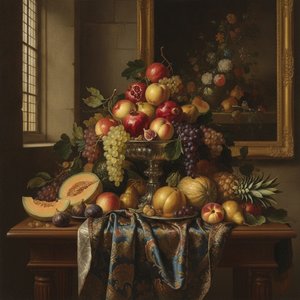
Nature's Bounty: The Art History of Fruit Arrangement Masterpieces and the Baroque Still Life Tradition
Explore the profound beauty of fruit arrangement masterpieces. From Dutch Golden Age opulence to Baroque chiaroscuro, discover the art history, symbolism, and timeless elegance of classical still life paintings for the discerning collector.
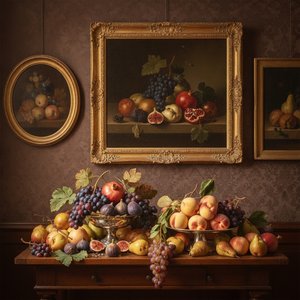
Nature's Bounty: The Timeless Allure and Art History of Fruit Still Life Paintings
Discover the profound beauty of fruit still life paintings. Explore the rich symbolism, Baroque mastery, and timeless allure of nature's bounty through an art-historical lens, perfect for collectors and enthusiasts of classical fine art.

The Bountiful Still Life: Symbolism & Artistic Representation of Fruit Across Art History
Explore the rich history of still life painting & the symbolism of fruit across art movements. Discover masterpieces from Caravaggio to Cézanne with OriginalUniqueArt – expert guidance & museum-quality reproductions.

Olej na płótnie: Historia, techniki i ponadczasowy urok malarskiego medium
Poznaj historię i techniki malarstwa olejowego! Od renesansowych mistrzów po współczesne zastosowania – wszystko o oleju na płótnie. Poradniki, konserwacja i inspiracje dla pasjonatów sztuki.

Trwała Spuścizna Malarstwa Olejnego: Technika, Historia i Estetyczny Wpływ
Poznaj historię i technikę malarstwa olejnego! Eksperckie artykuły o konserwacji, renowacji oraz współczesnych zastosowaniach. Dowiedz się więcej o mistrzach i trwałości obrazów olejnych.