Rozmiar tekstu

() ·

Obraz stworzony dla Ciebie, własnoręcznie

Warren de la Rue

Ręcznie malowana reprodukcja olejowa

Ręcznie malowany obraz olejny na płótnie, wykonany na zamówienie przez naszych artystów w wybranym przez Ciebie wymiarze i oprawie. ( Przełącz na wydania drukowane Przejdź do wersji cyfrowej)

Opis obiektu

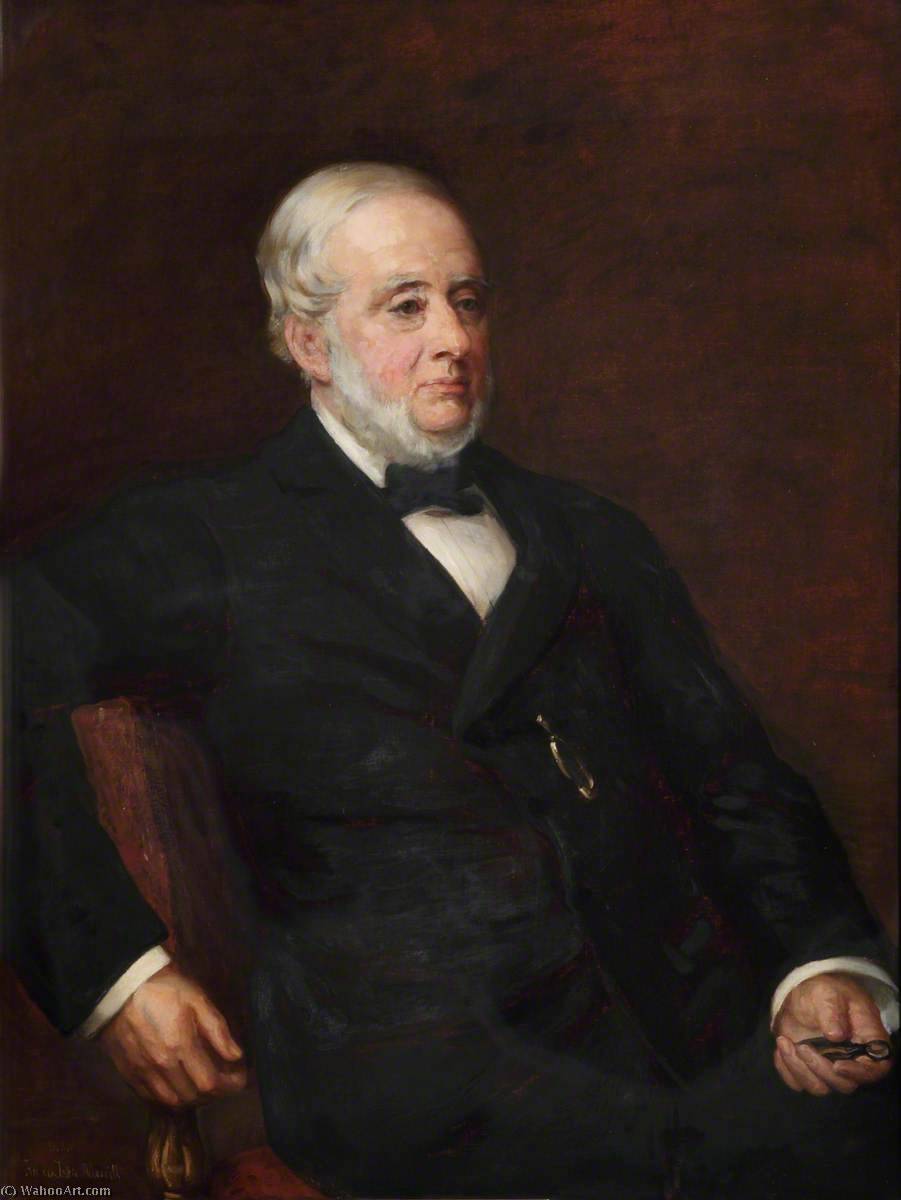
Discover Anna Lea Merritt’s ‘Warren de la Rue,’ a stunning 1886 oil painting of an elderly gentleman. Explore this Pre-Raphaelite portrait's detail & Victorian charm at The Royal Institution.

Biografia artysty

Anna Lea Merritt (1844-1930): American Pre-Raphaelite painter celebrated in England for portraits, landscapes & 'Love Locked Out,' the first work by a woman acquired for Britain's national collection.

od ·

Rozdział 1

Jak duży powinien być ten format?

Przesuń suwak, aby zmienić rozmiar; obraz po lewej stronie przedstawia ramę w jej rzeczywistej szerokości. Zachowano proporcje oryginału.

Standardowy format
personalizowane
CM
INCH

Wybierz spośród naszych standardowych rozmiarów, które zachowują oryginalne proporcje dzieła sztuki.

szerokość
wysokość

Wpisz wymaganą szerokość i wysokość, aby obraz pasował do Twojej ramy lub ściany. Ponieważ jest to dzieło malowane ręcznie, w przypadku rozmiaru o innych proporcjach artysta może domalować nieco więcej wokół obrazu lub przyciąć jego fragmenty — wybór należy do Ciebie. Przed rozpoczęciem pracy prześlemy Ci cyfrową wizualizację do zatwierdzenia. Obraz widoczny na tej stronie nie przedstawia rzeczywistego efektu — jedynie wizualizacja oddaje realny rezultat.

Rozdział 2

W jaki sposób ma zostać dostarczone?

Wybierz krawędzie płótna naciągniętego na ramę

Wybierz ramę

Corner sample of the WhiteWrap canvas edge finish, stretched on lite drewno bars
Białe krawędzie zł1
Corner sample of the BlurSideWrap canvas edge finish, stretched on lite drewno bars
rozmyte krawędzie zł1
Corner sample of the ExtendedWrap canvas edge finish, stretched on lite drewno bars
Przedłużony zł1
Corner sample of the P118B picture frame: polistyren formowany, 5 cm wide and 3 cm thick
P118B zł10
Corner sample of the P118H picture frame: polistyren formowany, 5 cm wide and 3 cm thick
P118H zł10
Corner sample of the P118W picture frame: polistyren formowany, 5 cm wide and 3 cm thick
P118W zł10
Corner sample of the P438Z picture frame: polistyren formowany, 5.5 cm wide and 3.5 cm thick
P438Z zł10
Corner sample of the P508JH picture frame: polistyren formowany, 7 cm wide and 3.5 cm thick
P508JH zł12
Corner sample of the P508YH picture frame: polistyren formowany, 7 cm wide and 3.5 cm thick
P508YH zł12
Corner sample of the P805H picture frame: polistyren formowany, 5 cm wide and 3.5 cm thick
P805H zł10
Corner sample of the P805Z picture frame: polistyren formowany, 5 cm wide and 3.5 cm thick
P805Z zł10
Corner sample of the P919BZ picture frame: polistyren formowany, 7 cm wide and 3.5 cm thick
P919BZ zł10
Corner sample of the P919G picture frame: polistyren formowany, 7 cm wide and 3.5 cm thick
P919G zł10
Corner sample of the P919XJ picture frame: polistyren formowany, 7 cm wide and 3.5 cm thick
P919XJ zł10
Corner sample of the P959ZH picture frame: polistyren formowany, 5 cm wide and 3 cm thick
P959ZH zł10
Corner sample of the P968JZ picture frame: polistyren formowany, 6 cm wide and 4 cm thick
P968JZ zł12
Corner sample of the W106C picture frame: lite drewno, 5 cm wide and 3 cm thick
W106C zł8
Corner sample of the W218G picture frame: lite drewno, 5 cm wide and 3 cm thick
W218G zł10
Corner sample of the W218JH picture frame: lite drewno, 5 cm wide and 3 cm thick
W218JH zł8
Corner sample of the W218Y picture frame: lite drewno, 5 cm wide and 3 cm thick
W218Y zł10
Corner sample of the W307PJ picture frame: lite drewno, 6 cm wide and 3 cm thick
W307PJ zł10
Corner sample of the W316G picture frame: lite drewno, 6 cm wide and 3 cm thick
W316G zł10
Corner sample of the W316PJ picture frame: lite drewno, 6 cm wide and 3 cm thick
W316PJ zł8
Corner sample of the W316Y picture frame: lite drewno, 6 cm wide and 3 cm thick
W316Y zł10
Corner sample of the W398PJ picture frame: lite drewno, 5 cm wide and 3 cm thick
W398PJ zł8
Corner sample of the W4111J picture frame: lite drewno, 6.5 cm wide and 3.5 cm thick
W4111J zł10
Corner sample of the W500HY picture frame: lite drewno, 7 cm wide and 5 cm thick
W500HY zł15
Corner sample of the W500JH picture frame: lite drewno, 7 cm wide and 5 cm thick
W500JH zł15
Corner sample of the W692G picture frame: lite drewno, 8 cm wide and 4 cm thick
W692G zł12
Corner sample of the W849H picture frame: lite drewno, 5 cm wide and 3 cm thick
W849H zł8
Corner sample of the W940BG picture frame: lite drewno, 7.5 cm wide and 4.5 cm thick
W940BG zł15
Corner sample of the W953PJ picture frame: lite drewno, 6 cm wide and 3.5 cm thick
W953PJ zł8
Corner sample of the H24-GOLD picture frame: rzeźbione drewno pokryte gipsem, 10 cm wide and 6 cm thick
H24-GOLD zł30
Corner sample of the H24-SILVER picture frame: rzeźbione drewno pokryte gipsem, 10 cm wide and 6 cm thick
H24-SILVER zł30
Corner sample of the H36-GOLD picture frame: rzeźbione drewno pokryte gipsem, 15 cm wide and 6.5 cm thick
H36-GOLD zł45
Corner sample of the H36-SILVER picture frame: rzeźbione drewno pokryte gipsem, 15 cm wide and 6.5 cm thick
H36-SILVER zł45

Profil: . Wymiar całkowity w ramie: .

Rozdział 3

Kto go maluje i czy coś powinno ulec zmianie?

Przykłady możliwych zmian: Zastąpienie twarzy zdjęciem klienta; Dodanie zwierzęcia (np. zamiana kota na psa); Ukrycie wiadomości w tle; Zmiana krajobrazu lub elementów tła.
Po złożeniu zamówienia zespół OriginalUniqueArt.com skontaktuje się z klientem drogą mailową w celu uzyskania instrukcji i prześle podgląd projektu

Dostawa na całym świecie () w ciągu 3–4 tygodni zamiast standardowych 5 tygodni. (8 Listopad). Bez kompromisów w kwestii jakości.

Rozdział 4

Ostatnie szlify

Tabliczka informacyjna, jak w muzeum?

Szczegóły grawerowanej brązowej tabliczki

This elegant plaque features the artist's name and the title of the artwork, finely engraved for a timeless presentation.

It is made from bronze with a refined, elegant finish. The text is precisely laser-engraved for a sharp and permanent result. Measuring 9x2 cm, the plaque is compact yet easy to read. It's built to be durable and scratch-resistant, offering a professional, museum-quality look. Mounting is simple thanks to the included adhesive backing.

Szczegóły przezroczystej tabliczki akrylowej

The plaque includes essential engraved details such as the artist's name, the title of the artwork, the date it was created, the type of media used-like oil on canvas or watercolor-a brief description of the piece, and a QR code that links to the complete artwork information.

It is crafted from clear acrylic, offering a sleek, modern appearance. The text is UV-engraved in black to ensure strong visual contrast. With a size of 10x15 cm, it ensures optimal readability. It comes equipped with two metal hooks for secure wall mounting. The plaque is designed to be weather-resistant, making it suitable for various environments, and it includes interactive features that work seamlessly with smartphone scanning.

Szczegóły czarnej tabliczki akrylowej

This elegant plaque includes engraved information such as the artist's name, the title of the artwork, the date it was created, the type of media used (like oil on canvas or watercolor), a short description of the artwork, and a QR code for quick access to more information.

The plaque itself is made from refined black acrylic with a premium finish. The text is laser-engraved in white for high contrast and readability. Its size is 10x15 cm, designed to be easy to read. It comes with two metal hooks for professional mounting. The design is sleek and fits any interior style. It is also weather-resistant and durable, with built-in digital integration for mobile compatibility.

Werniks ochronny?

Kiedy potrzebujesz dostawy?

Rozdział 5

Twoje dzieło, dokładnie tak, jak zamówiłeś

Warren de la Rue

Technika reprodukcji

Wymiary reprodukcji

-

Wybitny mistrz artystyczny

Większa szczegółowość, finezja i dodatkowy czas na realizację

-

Opcje oprawy reprodukcji

-

-

W przypadku dzieł sztuki lub reprodukcji, których którykolwiek z boków przekracza 105 cm (około 41 cali), rama zostanie wysłana w formie zestawu do samodzielnego montażu. Metoda ta zapewnia bezpieczną dostawę i zapobiega uszkodzeniom podczas transportu.

Wymagany profesjonalny montaż – nie jest to produkt typu DIY.
Zestaw musi zostać złożony, a płótno naciągnięte przez doświadczonego profesjonalnego ramiarza, przy użyciu kleju do drewna (brak w zestawie), kleszczy do naciągania płótna oraz ścisków, które utrzymają krosna w równej pozycji podczas schnięcia kleju. Nieprawidłowy montaż lub nierównomierne napięcie płótna może trwale uszkodzić dzieło sztuki i nie podlega naszej gwarancji.

  • W zestawie znajdują się wszystkie listwy z litego drewna, precyzyjnie docięte do wymiarów.

  • Montaż odbywa się przy użyciu dołączonych wkrętów oraz kleju do drewna do łączenia narożników, którego zestaw nie zawiera i który musi zostać dostarczony przez ramiarza.

  • Wymagane są profesjonalne narzędzia, których nie ma w zestawie: kleszcze do naciągania płótna (napinacz) oraz zaciski, które pozwolą utrzymać listwy w równej pozycji podczas schnięcia kleju.

Ważne:
Do połączenia narożników niezbędny jest klej do drewna, listwy należy unieruchomić za pomocą ścisków do momentu całkowitego wyschnięcia kleju, a naciągnięcie płótna na złożoną ramę wymaga użycia kleszczy do naciągania płótna. Żaden z tych elementów nie jest dołączony do zestawu. Przed zamówieniem tego rozmiaru zalecamy konsultację z doświadczonym ramiarzem.

Etykieta obiektu

-

-

Lakier ochronny

Lakier z połyskiem (pogłębia kolory, chroni przed światłem i wilgocią)

-

Personalizacja dzieła

Przykłady możliwości personalizacji: zastąp twarz zdjęciem klienta; dodaj zwierzę domowe (np. zamień kota na psa); umieść ukrytą wiadomość w tle; zmień krajobraz lub elementy tła.

-

Ekspresowa

Dostawa na cały świat () w ciągu 3–4 tygodni zamiast standardowych 5 tygodni. (8 Listopad). Bez kompromisów w kwestii jakości.

-

Przesyłka ekspresowa

Dostawa na cały świat () w ciągu 5 tygodni. (15 Listopad).

W cenie

Cena całkowita

zł 1174

Suma całkowita zł 1174

Opcja ze szkłem jest dostępna wyłącznie w rozmiarach poniżej 110 cm

W każdym zamówieniu

  • Bezpłatna ekspresowa wysyłka na cały świat
  • Wysokiej jakości płótno lniane
  • Pełne ubezpieczenie przesyłki
  • Gwarancja zwrotu należności celnych i podatków importowych
  • Gwarancja wiernego odwzorowania kolorów
  • 100-dniowa polityka zwrotów (tylko w przypadku wad)
  • Gwarancja 100% zwrotu pieniędzy
  • Zniżka przy zakupie wielu sztuk

A Glimpse into Victorian Dignity

In the quiet, somber depths of Anna Lea Merritt’s 1886 masterpiece, Warren de la Rue, we encounter more than just a portrait; we enter a profound meditation on character and time. This exquisite oil on canvas captures an elderly gentleman seated with a composed, contemplative stillness that commands the viewer's respect. As he sits in his chair, hands clasped in a gesture of quiet reflection, the painting transcends simple representation to become a study of a life lived with purpose. The subject, dressed in the formal attire of the late 19th century—a meticulously rendered suit and tie—serves as an anchor for a composition that feels both intimate and monumental.

The atmosphere of the piece is thick with the weight of history and the dignity of age. Merritt, an artist whose American roots and European training allowed her to bridge different artistic sensibilities, utilizes a dark, indistinct background to push the subject toward the foreground. This technique creates a dramatic chiaroscroll effect, where light seems to emerge from the shadows to illuminate the textures of the man's weathered skin and the fine weave of his clothing. For the collector or interior designer, this painting offers a sense of grounded permanence, making it an ideal centerpiece for spaces that value tradition, intellectual depth, and a touch of Victorian gravitas.

Mastery of Light and Texture

Technically, Warren de la Rue is a triumph of the realistic style, showcasing Merritt’s exceptional ability to manipulate oil paint to mimic the physical world. The artist employs a sophisticated layering technique, building up colors to create a palpable sense of three-dimensionality. One cannot help but notice the way the light, seemingly emanating from a single source above and to the side, catches the subtle highlights on the subject's face and the structural lines of his chair. This careful management of light does more than define shape; it breathes life into the inanimate, lending a soft glow to the fabric and a rugged authenticity to the wood grain.

The color palette is intentionally restrained, dominated by deep browns, blacks, and charcoal tones, which are punctuated by the stark, honest whites and greys of the subject's features. This monochromatic leaning enhances the somber, serious tone of the work, ensuring that the viewer's focus remains entirely on the psychological depth of the sitter. The brushwork, while precise enough to capture the intricate details of a collar or a button, retains a painterly texture that reminds us of the artist's hand, adding an organic warmth to the formal composition.

Symbolism and Emotional Resonance

Beyond its technical brilliance, the painting serves as a powerful symbol of status and the enduring nature of the human spirit. In the context of the late 19th century, such a portrait was a declaration of wealth and social standing, yet Merritt imbues it with a much more personal, emotional resonance. The clasped hands and the steady, serious gaze suggest a man lost in thought, perhaps reflecting on the triumphs and tribulations of his long journey. There is a quiet melancholy present in the shadows, a reminder of the passage of time that invites the viewer to reflect on their own experiences.

For those looking to adorn a home or gallery with a high-quality reproduction, this work offers an unparalleled opportunity to introduce a sense of narrative and soul into a room. It is not merely a decorative object but a window into a bygone era of elegance and introspection. Whether placed in a study, a library, or a formal dining area, Warren de la Rue acts as a silent interlocutor, sparking conversation and providing a sophisticated focal point that celebrates the beauty of realism and the profound dignity of the human condition.

Pytania i odpowiedzi

Czy mogę obejrzeć "Warren de la Rue" w formie pełnoekranowej prezentacji slajdów?

Dostępna jest prezentacja zdjęć: strona Prezentacja slajdów dzieła „Warren de la Rue” – Anna Lea Merritt.

Jaki klimat wprowadziłaby do wnętrza reprodukcja „Warren de la Rue” – Anna Lea Merritt?

„Warren de la Rue” – Anna Lea Merritt ma Elegant atmosferę i jest polecane do Living Room. Nastrój to to, co dzieło wnosi do otaczającej je przestrzeni.

Ile światła zdają się odbijać kolory dzieła "Warren de la Rue"?

Kolory dzieła "Warren de la Rue" charakteryzują się luminancją na poziomie Dark.

Więcej o tym obrazie

Podgląd w skali 1:1 Podgląd AR Przełącz na wydania drukowane Przejdź do wersji cyfrowej Wyślij jako kartkę
Szczegóły dzieła Przewodnik Dodaj do ulubionych Pobierz obraz Podobne obiekty RTG Pokaz slajdów Pytania i odpowiedzi Statystyki

W liczbach

  • 1886rok powstania dzieła
  • 29dostępne ramy do wyboru
  • standardowe formaty, w ich własnych proporcjach
  • 5tygodni na namalowanie i dostarczenie dzieła
Anna Lea Merritt

Anna Lea Merritt

1844 - 1930, United States of America

Krótkie informacje o Anna Lea Merritt

  • Full Name: Anna Lea Merritt
  • Nationality: American/British
  • Date Of Birth: 1844
  • Date Of Death: 1930
  • Place Of Birth: Philadelphia, United States of America
  • Notable Artworks:
    • Love Locked Out
    • Warren de la Rue
    • Henry Merritt
  • Artistic Movement Or Style: Pre-Raphaelite
  • Artists Who Influenced This Artist:
    • Stefano Ussi
    • Heinrich Hoffman
    • Léon Cogniet
    • Alphonse Legros

Biografia artysty

A Transatlantic Life in Art: The Story of Anna Lea Merritt

Anna Lea Merritt, born in Philadelphia in 1844, embodies a fascinating intersection of American origins and British artistic flourishing. Her life was one of dedicated study, personal tragedy, and ultimately, significant achievement within the Victorian art world. Coming from an affluent Quaker family, she benefited from opportunities for education uncommon for women of her time, initially pursuing studies that even touched upon medicine – a testament to her intellectual curiosity and keen observation of the human form, qualities that would later deeply inform her portraiture. The family’s relocation to Europe in 1865 proved pivotal, exposing Merritt to the artistic currents of the continent and providing access to instruction from esteemed artists like Stefano Ussi, Heinrich Hoffman, Léon Cogniet, and Alphonse Legros. This period was formative, broadening her technical skills and aesthetic sensibilities as she absorbed diverse influences that would shape her unique style. The move to London in 1870, prompted by the shadow of the Franco-Prussian War, marked a decisive shift, setting the stage for her mature artistic career and integration into the British art scene.

Love, Loss, and Artistic Resilience

Merritt’s personal life was dramatically altered by her marriage in 1877 to Henry Merritt, an accomplished art critic and conservator who became both her mentor and husband. This union, tragically brief – lasting only three months before his untimely death – profoundly impacted her artistic trajectory. The grief she experienced found its most poignant expression in Love Locked Out, a deeply symbolic work created as a memorial to Henry. Depicting Cupid poised before a locked door, the painting speaks of longing and unattainable reunion. Merritt was initially hesitant to allow reproductions of this intensely personal piece, fearing misinterpretations of its delicate symbolism. Despite numerous requests, she guarded its meaning closely, recognizing the vulnerability inherent in sharing such raw emotion through her art. Yet, from this profound loss emerged a renewed dedication to her craft. She resolutely returned to painting, demonstrating remarkable resilience and a commitment to honoring her husband’s memory through continued artistic creation.

A Multifaceted Artistic Practice

Anna Lea Merritt's artistic range was remarkably diverse. While celebrated for her evocative portraits – capturing the likenesses of notable figures like James Russell Lowell and Dr. Oliver Wendell Holmes with sensitivity and skill – she also excelled in landscapes and religious scenes. Her work often reveals a distinct Pre-Raphaelite influence, characterized by meticulous detail, rich symbolism, and a narrative quality that draws the viewer into the scene. This is particularly evident in her ambitious decorative projects, most notably the murals at St. Martin’s Church in Blackheath Village. These depictions of scenes from the life of Christ were executed using an innovative technique – painting on dry plaster with silicone-based paints – designed to combat the damp conditions prevalent in English churches. Beyond these grander undertakings, Merritt explored a unique niche combining floral symbolism with representations of women. These paintings often portray women embodying qualities associated with flowers—grace, beauty, and a certain languor—reflecting emerging feminist perspectives within the artistic landscape of the late 19th century.

Legacy and Breaking Barriers

Despite her American birth, Anna Lea Merritt achieved considerable recognition in England during her lifetime. She exhibited regularly at prestigious venues like the Royal Academy, establishing herself as a respected artist within the British art establishment. Her most significant achievement came with Love Locked Out, which became the first painting by a woman artist to be acquired for the British national collection through the Chantrey Bequest – a landmark moment in recognizing female artistic talent. Merritt was also a thoughtful commentator on the challenges faced by women artists, acknowledging the societal pressures and the often-unacknowledged support roles played by husbands or family members in enabling their creative pursuits. Her writings offer valuable insights into the realities of navigating a male-dominated art world. Anna Lea Merritt’s career stands as a testament to her talent, perseverance, and contribution to a broader understanding of artistic expression beyond traditional boundaries. She died in 1930, leaving behind a legacy that continues to inspire and resonate with those who appreciate the beauty and depth of her work.

Najważniejsze informacje

  • Artistic style: Pre-Raphaelite
  • Dimensions: 106 x 80 cm
  • Location: The Royal Institution (London, United Kingdom)
  • Notable elements or techniques: Realistic rendering; Brushstrokes convey texture.
  • Subject or theme: Portraiture