

 Zobacz w skali 1:1
 Wyślij
 Udostępnij
 Szczegóły
 Przewodnik

 Pobierz plik obrazu
 Podobne obiekty
 RTG
RTG Pokaz slajdów
 Statystyki
Interior, Brøndums Annex


 Czytaj więcej
Ręcznie malowana reprodukcja olejowa
Ręcznie malowany obraz olejny na płótnie, wykonany na zamówienie przez naszych artystów w wybranym przez Ciebie wymiarze i oprawie. ( Przełącz na wersję drukowaną Przełącz na wersję cyfrową)




P118B $10

P118H $10

P118W $10

P438Z $10

P508JH $12

P508YH $12

P805H $10

P805Z $10

P919BZ $10

P919G $10

P919XJ $10

P959ZH $10

P968JZ $12

W106C $8

W218G $10

W218JH $8

W218Y $10

W307PJ $10

W316G $10

W316PJ $8

W316Y $10

W398PJ $8

W4111J $10

W500HY $15

W500JH $15

W692G $12

W849H $8

W940BG $15

W953PJ $8




Wybierz spośród naszych standardowych rozmiarów, które zachowują oryginalne proporcje dzieła sztuki.

Możesz wprowadzić własne wymiary, aby dopasować obraz do konkretnej ramy lub przestrzeni. Jeśli wybrany rozmiar nie będzie odpowiadał proporcjom oryginału, przytniecie dzieło sztuki lub rozszerzymy je o dodatkowe elementy, ręcznie domalowane przez artystę. Przed rozpoczęciem produkcji wyślemy projekt cyfrowy do Twojej akceptacji.
Należy pamiętać, że podgląd na ekranie nie odzwierciedla rzeczywistego przycinania ani rozszerzania obrazu. Tylko projekt dokładnie pokaże ostateczną kompozycję.
Choć oferujemy możliwość zamówienia niestandardowych rozmiarów, zalecamy wybór wymiaru z gotowej listy, aby zachować oryginalne proporcje dzieła.
Po złożeniu zamówienia zespół OriginalUniqueArt.com skontaktuje się z klientem drogą mailową w celu uzyskania instrukcji i prześle wizualizację projektu
Dostawa na całym świecie () w ciągu 3–4 tygodni zamiast standardowych 5 tygodni. (25 Wrzesień). Bez kompromisów w kwestii jakości.

Bezpłatna ekspresowa wysyłka na cały świat

Wysokiej jakości płótno lniane

Pełne ubezpieczenie transportowe

Gwarancja zwrotu należności celnych i podatków importowych

Gwarancja idealnego odwzorowania barw

100-dniowy okres na zwrot dzieła w przypadku wykrycia wad produkcyjnych

Gwarancja 100% zwrotu pieniędzy

Oferta przy zakupie wielu sztuk
 Opcja ze szkłem jest dostępna wyłącznie w rozmiarach poniżej 110 cm

Interior, Brøndums Annex
Technika wykonania
Rozmiar reprodukcji
-


Suma do zapłaty
$ 300
A Luminous Window into Skagen Life
In the quiet corners of Danish art history, few works capture the profound beauty of the mundane as tenderly as Anna Kirstine Ancher’s Interior, Brøndums Annex. Painted in 1918, this oil on canvas is far more than a mere depiction of a hallway; it is a masterclass in the interplay of light and domestic intimacy. As a central figure of the Skagen Painters, Ancher possessed an unparalleled ability to translate the fleeting Nordic atmosphere into something permanent and soulful. In this particular piece, she invites us into a space that feels both private and universal, where the architecture of a home serves as a canvas for the sun's daily journey.
The composition is anchored by a striking visual dialogue between color and structure. A vibrant red door, accented with delicate yellow trim, commands the viewer's attention against the serene expanse of white walls. This bold use of primary tones is balanced by the soft, natural light streaming through two flanking windows, which breathes life into the stillness of the corridor. The artist’s technique, a sophisticated blend of Impressionism and Realism, allows the light to feel tactile, as if one could reach out and touch the warmth radiating from the sunlit patches on the floor and walls.
The Poetry of Everyday Details
Beyond the architectural elements, Ancher weaves a narrative of lived experience through subtle, evocative details. Scattered throughout the scene, particularly near the upper left and middle right, are books that rest casually within the space. These are not merely objects; they are symbols of intellectual life and the quiet rhythms of a household. Their presence lends a sense of warmth and "hygge"—that uniquely Danish concept of coziness and contentment—transforming an otherwise pristine hallway into a sanctuary of comfort. The scattered placement suggests a moment interrupted, a person having recently moved through the space, leaving behind traces of their existence.
The color palette is a testament to Ancher's mastery of muted, earthy tones, which ground the more vibrant accents of the door and trim. This careful calibration of hue creates a sense of depth and dimensionality that draws the eye deeper into the painting’s perspective. For the collector or interior designer, this work offers a sophisticated way to introduce character into a room. It provides a focal point that is both visually stimulating and emotionally calming, making it an ideal centerpiece for spaces that value understated elegance and historical depth.
A Legacy of Light and Authenticity
To understand Interior, Brøndums Annex, one must understand the artist herself. Born in the fishing village of Skagen, Anna Ancher was not merely an observer of the local light; she was a product of it. Her deep-rooted connection to the community and her family's role in hosting the artist colony allowed her to capture scenes with an authenticity that visitors could rarely replicate. This painting stands as a tribute to that lifelong intimacy with her surroundings, reflecting a period where she had fully refined her ability to find the extraordinary within the ordinary.
Owning a high-quality reproduction of this masterpiece allows for the preservation of this delicate atmosphere in a modern setting. Whether placed in a sun-drenched gallery or a cozy study, the painting serves as a constant reminder of the beauty found in stillness and the enduring power of light. It is an invitation to slow down, to observe the subtle shifts in our own environments, and to appreciate the quiet majesty of the everyday moments that define our lives.
Biografia artysty
A Life Bathed in the Light of Skagen
Anna Kirstine Brøndum Ancher, forever known as Anna Ancher, occupies a unique and cherished position within Danish art history. Born in 1859 in the remote fishing village of Skagen, at the very tip of Denmark’s Jutland peninsula, she was intrinsically linked to the landscape and community that would become synonymous with her artistic vision. Unlike many of her fellow *Skagen Painters*, Anna wasn't a visitor drawn by the dramatic Nordic light; she *was* of Skagen, born and raised within its bracing winds and ever-changing skies. This deep connection imbued her work with an authenticity and intimacy rarely found in artists who merely observed from afar. Her father, Erik Andersen Brøndum, owned the renowned Brøndums Hotel, a haven for artists seeking to capture the raw beauty of the region – a constant exposure that undoubtedly nurtured her early artistic inclinations. From childhood, she was surrounded by creative energy and the stimulating exchange of ideas, laying the foundation for a life dedicated to painting.Early Years and Artistic Training
Anna’s talent blossomed early, prompting her family to support her formal training. She spent three years at the Vilhelm Kyhn College of Painting in Copenhagen, honing her skills in drawing and developing a distinctive style characterized by sensitive observation and a nuanced understanding of color. This period provided her with a solid technical foundation, but it was her time studying in Paris, at the atelier of Pierre Puvis de Chavannes alongside Marie Triepcke (later Krøyer), that broadened her artistic horizons. This exposure to new techniques and perspectives proved invaluable, yet she always remained true to her Nordic roots. The Parisian experience introduced her to a wider range of artistic styles and philosophies, but it was crucial that she didn’t abandon the unique qualities of her native Skagen. She learned from the masters, absorbing their approaches while simultaneously developing her own distinct voice—a voice deeply rooted in the light and atmosphere of her home village.The Artistic Community of Skagen
Anna's marriage to Michael Ancher in 1880 was not just a personal union but also a profound artistic partnership. Michael, another prominent Skagen Painter, shared her passion for capturing the beauty of their surroundings, and together they formed an incredibly productive creative duo. Their home became a hub for artists, writers, and intellectuals, fostering a vibrant atmosphere of exchange and inspiration. The Brøndums Hotel, where Erik owned the business, served as a focal point for this community, attracting visitors eager to experience the unique light and landscape of Skagen. This constant interaction with fellow artists undoubtedly influenced Anna’s work, exposing her to new ideas and techniques while simultaneously reinforcing her commitment to portraying the lives and experiences of the people of Skagen. The atmosphere was one of shared passion and mutual support—a rare and precious environment for an artist at that time.A Style Defined by Light and Intimacy
Anna Ancher’s artistic style is immediately recognizable for its remarkable sensitivity to light and color, as well as its intimate portrayal of everyday life. She wasn't interested in grand historical narratives or mythological scenes; instead, she found beauty and significance in the simple moments of existence—a fisherman mending his nets, a woman preparing food in her kitchen, children playing on the beach. Her paintings are characterized by a remarkable ability to capture the fleeting effects of sunlight streaming through windows, illuminating interiors with a warm, inviting glow. Works like *Blue Ane* (1882) showcase her mastery of color interplay, while *The Girl in the Kitchen* (1883-1886) offers a poignant glimpse into domestic life. She possessed an exceptional ability to convey atmosphere and emotion through subtle nuances of tone and texture—a skill honed by years of observing the ever-changing light of Skagen. Her later work, such as *Interior with Clematis* (1913), further demonstrates her evolving skill in exploring the interplay of light and shadow, creating scenes that are both visually captivating and emotionally resonant.Legacy and Recognition
Anna Ancher’s contributions to Danish art extend beyond her individual paintings. As a pioneering female artist, she challenged conventional norms and paved the way for future generations of women artists. Her work played a crucial role in the development of Danish Impressionism and the broader Nordic Modern Breakthrough movement, which sought a more truthful and authentic representation of reality. Today, her paintings are held in prestigious collections such as the Hirschsprung Collection in Copenhagen, Helga Anchers Fond, and Skagens Museum – testaments to her enduring artistic merit. The Anchers’ home in Skagen has been preserved as a museum, *Anchers Hus*, offering visitors a unique opportunity to step back in time and experience the world that inspired their art. It stands as a living tribute to their lives and work, ensuring that Anna Ancher's legacy continues to inspire and captivate audiences for years to come. Her ability to find profound beauty in the simplicity of everyday life, coupled with her masterful handling of light and color, solidifies her place as one of Denmark’s most beloved and significant artists.
Anna Ancher
1859 - 1935 , Dania
Najważniejsze informacje
- Artistic Movement Or Style: Impressionizm, sztuka nordycka
- Artists Or Movements Influenced By This Artist: ['Skagen Painters']
- Artists Who Influenced This Artist:
- Pierre Puvis de Chavannes
- Marie Triepcke Krøyer
- Date Of Birth: 18 sierpnia 1859
- Date Of Death: 15 kwietnia 1935
- Full Name: Anna Kirstine Brøndum Ancher
- Nationality: Dania
- Notable Artworks:
- Blue Ane
- Dziewczyna w kuchni
- Syende fiskerpige
- Place Of Birth: Skagen, Dania
Zobacz także powiązane artykuły

Impressionizm w Obrazach: 10 Arcydzieł Pełnych Światła i Koloru | OriginalUniqueArt
Odkryj 10 arcydzieł impresjonizmu! Poznaj historie Claude Moneta, Degasa i Van Gogha. Reprodukcje obrazów najwyższej jakości – pejzaże pełne światła i koloru do Twojego wnętrza. OriginalUniqueArt.

Crimson Threads of Narrative: Exploring Symbolism & Representation in Artworks Featuring the Red Dress
Explore the rich symbolism of the red dress in art history! From ancient power displays to iconic portraits like Cézanne’s 'Madame Cezanne', discover the cultural and artistic significance behind this captivating color. Expert analysis & insights.

Peder Severin Krøyer: Capturing the Ephemeral Light of Danish Modern Life
Explore the luminous world of Peder Severin Krøyer, a master of Danish Impressionism. Discover his iconic Skagen paintings, artistic evolution, and lasting legacy. Learn about collecting Krøyer's works & find museum-quality reproductions.
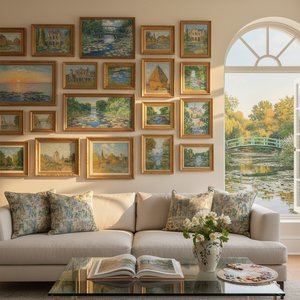
Claude Monet: 25 Najlepszych Arcydzieł Impresjonizmu | Reprodukcje Obrazów Online
Odkryj 25 najpiękniejszych arcydzieł Claude Moneta – impresjonistycznych pejzaży, nymfeii i słonecznych krajobrazów. Poznaj historię sztuki i zainspiruj się do dekoracji wnętrz z OriginalUniqueArt.com! Eksploruj pełną kolekcję online.

Anna Ancher: Capturing Light & Domesticity in the Skagen Tradition
Discover Anna Ancher (1859-1935), a leading figure of the Skagen Painters. Explore her captivating depictions of domestic life, masterful use of light, and lasting legacy in Danish Impressionism. Learn more at OriginalUniqueArt.


