Pop Art
Self-portrait (Andy Warhol)
Andy Warhol (1928–1987) stworzył Self-portrait. Należy do nurtu Pop Art. Wykonano w technice Acrylic On Canvas. Przechowywane jest w Art Institute of Chicago w Chicago, Stany Zjednoczone Ameryki.
- Acrylic On Canvas
- Art Institute of Chicago

 Podgląd w skali 1:1

 Ręcznie malowany obraz olejny
 Wyślij jako kartkę
 Udostępnij
 Karta informacyjna


 Pobierz obraz
 Podobne obiekty
 RTG
 Pokaz slajdów
 Pytania i odpowiedzi

 Statystyki
Self-portrait w skrócie
- Tytuł
- Self-portrait
- Artysta
- Andy Warhol (1928–1987)
- Miejsce urodzenia artysty
- Pittsburgh, Stany Zjednoczone
- Technika wykonania
- Acrylic On Canvas
- Gdzie można je zobaczyć
- Art Institute of Chicago, Chicago, Stany Zjednoczone Ameryki
- Ruch
- Pop Art
- Epoka
- Modern
- Temat
- self-portrait, andy warhol, pop art, close up, blue and red, introspective
Co przedstawia Self-portrait?
The Intimate Gaze: Deconstructing Warhol's Self-Portraiture
To stand before an image like this self-portrait by Andy Warhol is not merely to observe a likeness; it is to confront a carefully curated moment of manufactured vulnerability. The subject, captured in a close embrace of the lens, presents us with a face caught mid-breath, mouth slightly parted as if about to speak or perhaps just having exhaled a profound thought. This immediacy, this raw capture of an unguarded instant, belies the highly stylized and commercial nature of Warhol's entire oeuvre. The visible tie on the right side serves as a subtle anchor to the world of public presentation—the suit, the professional facade—juxtaposed against the deeply personal act of self-examination.
A Study in Color and Contemplation
The background itself plays an active role in the emotional resonance of the piece. Dominated by a striking interplay of blue and red, these colors do not simply decorate; they vibrate with latent energy. Blue often speaks to introspection and depth, while red pulses with life force and drama. Warhol masterfully uses this chromatic tension to frame the subject’s closed eyes. This visual choice suggests that the true action is occurring internally. The subject appears withdrawn, lost in a private landscape of thought, making the viewer feel like an eavesdropper on a deeply personal monologue.
Warhol's Technique: Pop Art Meets Psychological Depth
While Warhol’s career is synonymous with silkscreen repetition and celebrity portraiture, this particular rendition hints at a more nuanced technical approach. The focus remains intensely on the human element—the texture of the skin, the slight tension around the jawline. If one were to consider the technique behind a high-quality reproduction, it would need to capture both the flatness inherent in Pop Art's mechanical reproduction process and the subtle gradations of tone that give this portrait its emotional weight. It is a dialogue between mass media aesthetics and profound individual feeling.
Symbolism of the Unseen Narrative
The closed eyes are perhaps the most potent symbolic element. They deny us direct access to the subject's thoughts, forcing our own imaginations to fill the void. Are these eyes closed in exhaustion, contemplation, or perhaps a deliberate act of shielding oneself from the overwhelming glare of public scrutiny? In Warhol’s hands, the self-portrait becomes less about documenting who one is and more about exploring the *performance* of being seen. It invites us, the viewer, to participate in the creation of meaning.
Bringing the Art Home: Emotional Resonance for Your Space
For collectors and designers alike, this piece offers a sophisticated counterpoint to purely decorative art. It possesses an intellectual edge while remaining visually arresting. Placing it in a space—be it a modern gallery wall or a richly decorated living area—introduces a focal point that sparks conversation. It suggests that beneath the veneer of celebrity or commerce lies a complex, breathing interior life, making it a powerful statement piece for any discerning aesthetic vision.
W którym muzeum znajduje się Self-portrait?
Art Institute of Chicago
Chicago, Stany Zjednoczone Ameryki
Przegląd Art Institute of Chicago Art Institute of Chicago to prywatne, non-profit muzeum sztuki położone w Chicago, w stanie Illinois, w Stanach Zjednoczonych Ameryki. Od momentu swojego założenia w 1879 roku, instytucja ta stała się kluczowym punktem na mapie kulturalnej, dominując w przestrzeni Grant Park. Obecnie powierzchnia muzeum obejmuje niemal milion stóp kwadratowych, oferując różnorodne przestrzenie, które skrywają ogromne zbiory ludzkiej ekspresji.


Zdjęcia w wysokiej rozdzielczości dzieła Self-portrait
Chronione prawem autorskim: pliki te służą wyłącznie do osobistego wglądu i nie stanowią licencji na ich powielanie.
Andy Warhol, Self-portrait, Art Institute of Chicago.
Odpowiedzi na pytania dotyczące Self-portrait
W którym muzeum znajduje się oryginał "Self-portrait"?
„Self-portrait” – Andy Warhol znajduje się w zbiorach Art Institute of Chicago, Chicago, Stany Zjednoczone Ameryki. Informacja o muzeum dotyczy oryginału, a nie reprodukcji.
Z jakiej techniki wykorzystano "Self-portrait"?
Technika wykonania dzieła „Self-portrait” – Andy Warhol to Acrylic On Canvas. Reprodukcje mają na celu wierne oddanie wyglądu tej techniki.
Co przedstawia "Self-portrait"?
Tematyka dzieła "Self-portrait" to self-portrait, andy warhol, pop art, close up, blue and red, introspective, man's face.
Czy dzieło "Self-portrait" znajduje się w domenie publicznej?
„Self-portrait” – Andy Warhol znajduje się w domenie publicznej (nadal objęte ochroną prawa autorskiego). Status ten określa zasady reprodukcji obrazu tego dzieła.
Kto stworzył "Self-portrait"?
Autorem dzieła „Self-portrait” jest Andy Warhol. Praca ta figuruje w katalogu pod nazwiskiem Andy Warhol.
Do jakiego nurtu w sztuce należy „Self-portrait” – Andy Warhol?
Nurt związany z „Self-portrait” – Andy Warhol to Pop Art. Ta klasyfikacja sytuuje dzieło wśród pokrewnych artystów i dzieł sztuki.
Do którego okresu twórczości Andy Warhol należy dzieło „Self-portrait”?
"Self-portrait" reprezentuje Pop Art Period twórczości Andy Warhol.
Czy dzieło „Self-portrait” autorstwa Andy Warhol znajduje się w domenie publicznej i dlaczego?
Status praw autorskich do dzieła „Self-portrait” – nadal objęte ochroną prawa autorskiego – wynika z faktu, że artysta zmarł w 1987.
Czy dzieło "Self-portrait" pozostało w ojczyźnie swojego artysty?
Nie – dzieło znajduje się poza granicami kraju artysty. Andy Warhol urodził(a) się w Stany Zjednoczone, natomiast muzeum przechowujące oryginał dzieła „Self-portrait” znajduje się w Stany Zjednoczone Ameryki.
O artyście: Andy Warhol

1928–1987, Stany Zjednoczone
Andy Warhol
Wczesne lata Andy Warhol Aby zrozumieć mechanizmy współczesnego obrazu, należy cofnąć się do przemysłowego trudu Pittsburgha w Pensylwanii. Andy Warhol urodził się jako Andrew Warhola Jr. 6 sierpnia 1928 roku w środowisku klasy robotniczej, pozbawionym jakichkolwiek pretensji do wysokiej kultury. Był najmłodszym z trzech synów, urodzonym dla Andrzeja Warhola i Julii Zavackiej Warhola.
Inne prace Andy Warhol
 Słoiki Campbell'a1962
 Dyptych Marilyn1962
 "White car crash 19 times, Private" -> "Biały samochód wypadkowy 19 razy, Prywatny"1963
 Marilyn, leo castelli gallery, new york1964
Eseje o Self-portrait
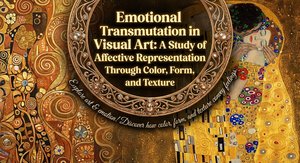 Emocjonalna Transmutacja w Sztuce Wizualnej: Studium Reprezentacji Afektywnych Poprzez Kolor, Formę i TeksturęZgłębiaj subtelny język emocji w sztuce wizualnej! Analizujemy kolor, formę i teksturę w malarstwie barokowym i ekspresjonistycznym. Eksper…
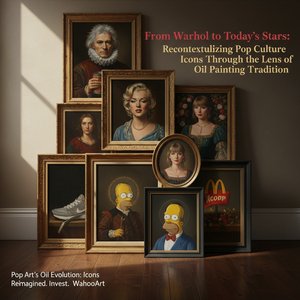 From Warhol to Today's Stars: Recontextualizing Pop Culture Icons Through the Lens of Oil Painting TraditionExplore the captivating evolution of Pop Art through oil painting! Discover contemporary artists reinterpreting iconic imagery & invest in …
 The Introspective Gaze: Tracing the Evolution and Psychological Depth of the Self-PortraitExplore the psychological evolution of self-portraiture from Dürer to modern masters. Trace the history of the human gaze with us.