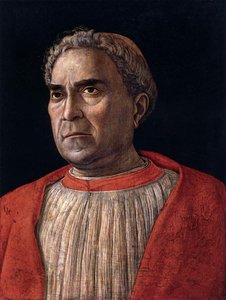
Podgląd w skali
 Wyślij jako kartkę
 Udostępnij
 Szczegóły dzieła

 Pobierz
 Podobne obiekty
 RTG
RTG Pokaz slajdów
trivulzio madonna


 Rozwiń treść
Giclée / Wydruk artystyczny
Druk giclée lub płótno o jakości muzealnej, szybka realizacja i szeroki wybór opcji wykończenia. ( Zamów ręcznie malowaną reprodukcję Kup obraz wysokiej rozdzielczości)




P118B $10

P118H $10

P118W $10

P438Z $10

P508JH $12

P508YH $12

P805H $10

P805Z $10

P919BZ $10

P919G $10

P919XJ $10

P959ZH $10

P968JZ $12

W106C $8

W218G $10

W218JH $8

W218Y $10

W307PJ $10

W316G $10

W316PJ $8

W316Y $10

W398PJ $8

W4111J $10

W500HY $15

W500JH $15

W692G $12

W849H $8

W940BG $15

W953PJ $8




Wybierz spośród naszych standardowych rozmiarów, które zachowują oryginalne proporcje dzieła sztuki.

Możesz wprowadzić własne wymiary, aby dopasować dzieło do konkretnej ramy lub przestrzeni. Jeśli wybrany rozmiar nie będzie odpowiadał proporcjom oryginalnego obrazu, przytniecie dzieło lub rozszerzymy obraz za pomocą odbicia lustrzanego lub jednolitego wypełnienia krawędzi. Przed rozpoczęciem produkcji prześlemy cyfrową wizualizację do Twojej akceptacji.
Prosimy pamiętać, że podgląd na ekranie nie odzwierciedla faktycznego przycinania ani rozszerzania. Tylko wizualizacja dokładnie pokaże końcową kompozycję.
Mimo dostępności niestandardowych rozmiarów, zalecamy wybór wymiaru z listy zdefiniowanej, aby zachować oryginalne proporcje.
Dostawa na cały świat () w ciągu 2 tygodni zamiast standardowych 4/5 tygodni. (20 Sierpień)

Bezpłatna ekspresowa wysyłka na cały świat

Wysokiej jakości płótno lniane

Pełne ubezpieczenie przesyłki

Gwarancja zwrotu należności celnych i podatków importowych

Gwarancja wiernego odwzorowania kolorów

Polityka 60-dniowego zwrotu (tylko w przypadku wad)

Gwarancja 100% zwrotu kosztów

Zniżka przy zamówieniu wielu produktów
 Opcja ze szkłem jest dostępna wyłącznie w rozmiarach poniżej 110 cm

trivulzio madonna
Giclée / Wydruk artystyczny
Wymiary reprodukcji
-


Cena całkowita
$ 80
Opis kolekcjonerski
A Renaissance Masterpiece: Unveiling Mantegna’s *Trivulzio Madonna*
Andrea Mantegna's *Trivulzio Madonna*, painted in 1497, is not merely a religious depiction; it’s a profound statement of faith and artistic innovation. This captivating panel painting, currently housed in the Pinacoteca of Castello Sforzesco in Milan, exemplifies the High Renaissance’s burgeoning interest in classical antiquity, meticulous detail, and emotional resonance. The work presents the Virgin Mary enthroned with the Christ Child, attended by a gathering of saints – John the Baptist, Gregory the Great, Benedict, and Jerome – alongside adoring angels.Composition & Artistic Style
The composition is remarkably complex yet harmonious. Mantegna employs a pyramidal structure, anchoring the scene with Mary and Jesus at its apex, drawing the viewer’s gaze upwards towards the divine. The figures are densely packed within an architectural setting that recedes into depth, framed by lush citrus trees – a symbolic nod to paradise. Mantegna's style is characterized by his sculptural approach; forms possess weight and volume, achieved through precise modeling and dramatic *chiaroscuro* (light and shadow). He masterfully blends Northern European realism with Italian Renaissance ideals of beauty and proportion. The painting’s perspective isn’t entirely conventional for the period – it feels somewhat flattened, contributing to a sense of solemnity and grandeur.Technique & Materials
Executed in oil on panel, *Trivulzio Madonna* showcases Mantegna's technical brilliance. Oil paint allowed him to achieve an unprecedented level of detail, luminous color, and subtle gradations of tone. The meticulous rendering of fabrics – the intricate folds of drapery – and facial expressions demonstrates his exceptional skill. The layering of glazes creates a rich, almost jewel-like quality, enhancing the painting’s visual impact.Symbolism & Iconography
Beyond its aesthetic beauty, the *Trivulzio Madonna* is laden with symbolism. The citrus trees represent the Garden of Eden and allude to original sin and redemption. The inclusion of specific saints – each chosen for their theological significance – reinforces the painting’s message of divine grace and spiritual authority. The angels surrounding Mary symbolize her purity and heavenly status, while the organ played by cherubim in the foreground references a local church, connecting the sacred scene to Mantegna's contemporary world.Historical Context & Legacy
Andrea Mantegna (1431-1506) was a pivotal figure of the Italian Renaissance, renowned for his pioneering use of perspective and his deep engagement with classical art and archaeology. He served as court artist to several prominent rulers, including the Gonzaga family in Mantua. The *Trivulzio Madonna* was commissioned for the Olivetan monastery of Santa Maria in Organo near Verona, reflecting the religious fervor of the era. It later entered the collection of the Trivulzio family, from whom it derives its name. Mantegna’s influence on subsequent generations of artists is undeniable; his innovative techniques and dramatic compositions paved the way for High Renaissance masters like Raphael and Michelangelo.Emotional Impact & Interior Design
The *Trivulzio Madonna* evokes a sense of reverence, serenity, and profound spiritual contemplation. The painting’s rich colors, intricate details, and harmonious composition create an atmosphere of quiet majesty. For interior design, a high-quality reproduction of this masterpiece would serve as a stunning focal point in a living room, library, or chapel-like space. Its classic aesthetic complements both traditional and contemporary settings, adding a touch of timeless elegance and intellectual depth. Consider pairing it with warm lighting and muted color palettes to enhance its visual impact. The painting’s scale also lends itself well to larger rooms, creating a sense of grandeur and sophistication.- Subject: Religious – Madonna and Child with Saints
- Style: High Renaissance, Italian Renaissance
- Technique: Oil on panel
- Dimensions: Unknown
- Current Location: Pinacoteca del Castello Sforzesco, Milan
O artyście
A Renaissance Forged in Antiquity: The Life and Art of Andrea Mantegna
Andrea Mantegna, born near Padua around 1431, stands as a pivotal figure bridging the Early and High Renaissances. His artistic journey wasn’t merely about adopting classical forms; it was an immersive excavation of antiquity, a passionate attempt to resurrect the spirit of Rome within the burgeoning Italian Renaissance. Unlike many contemporaries who drew inspiration from classical models, Mantegna possessed a unique fervor for archaeological accuracy. This obsession stemmed from his formative years under Francesco Squarcione, a painter and collector whose workshop functioned less as a traditional studio and more as an academy dedicated to the study of Roman ruins, sculptures, and inscriptions. It was within these walls, surrounded by fragments of a lost empire, that Mantegna’s artistic vision began to take shape—a vision characterized by sculptural forms, dramatic perspective, and an almost obsessive attention to detail. His early life remains somewhat shrouded in mystery; accounts suggest he was discovered as a promising apprentice, his innate talent recognized and nurtured by Squarcione despite humble origins. This unconventional beginning perhaps fueled Mantegna’s relentless pursuit of artistic mastery and his determination to forge a style distinctly his own.The Gonzaga Court and the Illusion of Reality
Mantegna's career truly blossomed when he entered the service of the Gonzaga family in Mantua, becoming court painter in 1488. This patronage provided him with an unprecedented level of artistic freedom and a platform to realize his most ambitious projects. The Gonzaga’s were not simply patrons; they were collaborators, commissioning works that pushed the boundaries of artistic innovation. It was during this period that Mantegna created what is arguably his masterpiece: the *Camera degli Sposi* (Bridal Chamber) frescoes in the Palazzo Ducale. This groundbreaking work transcends mere decoration; it's a complete illusionistic environment, seamlessly integrating architecture and painting to create an extended sense of space. The frescoes depict scenes from the life of the Gonzaga family – portraits that are remarkably lifelike and engaging – and a breathtaking *di sotto in sù* (seen from below) ceiling panel that creates the illusion of an open sky. This masterful manipulation of perspective wasn’t simply about technical skill; it was about creating a world within a room, blurring the lines between reality and representation. The *Camera degli Sposi* is considered one of the most significant achievements in Renaissance art, demonstrating Mantegna's unparalleled ability to create convincing illusions of depth and space. Beyond the *Camera degli Sposi*, Mantegna continued to produce works of exceptional quality for the Gonzaga court, including the monumental series *Triumphs of Caesar*. These paintings, inspired by Roman triumphal processions, are not merely historical depictions; they are elaborate allegories celebrating the power and prestige of the Gonzaga family, presented with a grandeur that rivals the imperial ambitions of ancient Rome.A Master of Perspective and Anatomical Precision
Mantegna’s artistic innovations extended far beyond illusionistic environments. He was a pioneer in the use of perspective, frequently employing techniques that went against conventional methods to achieve dramatic effects. Frequently, he adjusted the horizon line, creating a sense of monumentality and imposing scale. This technique, coupled with his meticulous attention to anatomical detail, gave his figures an unparalleled sense of weight and presence. He wasn’t content with simply representing the human form; he dissected it, studied its musculature, and rendered it with a precision that was revolutionary for his time. His mastery of *trompe-l'oeil* – creating illusions so convincing they deceive the eye – further enhanced this effect, blurring the boundaries between painting and reality. This dedication to anatomical accuracy wasn’t merely an exercise in technical skill; it reflected Mantegna’s deep engagement with classical sculpture and his desire to emulate the idealized forms of antiquity. He sought not just to depict the human body but to capture its inherent dignity and power. His influence on subsequent generations of artists, including Raphael and Michelangelo, is undeniable, as they built upon his foundations in perspective, anatomy, and composition.Early Works and Influences
Mantegna’s early career was marked by a rapid development of his distinctive style. He began with religious works, such as the *St. George and the Dragon* (c. 1465-1466), which showcases his mastery of perspective and dramatic composition. His *Lamentation over the Dead Christ*, painted around 1480, is another significant example of his early work, demonstrating his ability to convey emotion through carefully rendered figures and a somber color palette. His artistic influences were diverse, drawing from both classical antiquity and contemporary Italian painting. The works of Donatello, particularly his sculptures, undoubtedly influenced Mantegna’s interest in anatomical accuracy and the portrayal of human form. Similarly, the paintings of Giovanni Bellini, with their rich colors and expressive figures, likely shaped his approach to color and composition. However, Mantegna ultimately forged a unique style that combined these influences into something entirely new and distinctive.Legacy and Enduring Influence
Andrea Mantegna died in Mantua in 1506, leaving behind a legacy that continues to resonate with art historians and enthusiasts alike. His work represents a crucial turning point in the history of Renaissance art, bridging the gap between the Early and High Renaissance styles. He wasn’t simply an imitator of classical forms; he was an interpreter, adapting ancient motifs and techniques to create something entirely new and uniquely his own. His meticulous attention to detail, his mastery of perspective, and his profound engagement with classical antiquity established him as a leading figure of his time. Mantegna’s exploration of classical themes helped revive interest in ancient art and culture, paving the way for the artistic achievements of the High Renaissance. His influence can be seen in the works of countless artists who followed, from Raphael's graceful compositions to Michelangelo's powerful figures. Today, his paintings are housed in major museums around the world, including The National Gallery in London and the Pinacoteca di Brera in Milan, where they continue to inspire awe and admiration.
Andrea Mantegna
1431 - 1506 , Włochy
Krótka nota
- Artistic Movement Or Style: Renesans
- Artists Or Movements Influenced By This Artist:
- Donatello
- Renesans
- Artists Who Influenced This Artist: ['Squarcione']
- Date Of Birth: ok. 1431
- Date Of Death: 1506
- Full Name: Andrea Mantegna
- Nationality: Włoski
- Notable Artworks:
- Lamentacja nad zmartwionym Chrystusem
- Święty Jerzy
- Camera degli Sposi
- Place Of Birth: Carturu, Italia
Powiązane artykuły
Mastering the Surface: A Historical and Technical Guide to the Art of Oil on Panel Painting
Explore the profound history and technical brilliance of oil on panel painting. From Renaissance masters to modern techniques, discover why this rigid support offers unparalleled precision and permanence for fine art lovers and collectors.
Arcydzieła na panelu olejnym: 10 obrazów, które zmieniły historię sztuki | OriginalUniqueArt.com
Poznaj 10 arcydzieł malarstwa olejnego na panelu, które zrewolucjonizowały sztukę! Odkryj historie Van Gogha, Rembrandta i Botticellego. Reprodukcje obrazów najwyższej jakości – inspiracje do wnętrz na OriginalUniqueArt.com.
Oil on Panel: A Historical Survey of Technique, Support & Aesthetic Evolution
Explore the rich history of oil on panel painting! Discover Renaissance techniques, support structures & aesthetic evolution. Expert insights for art collectors and enthusiasts.
Olej na desce: Historia techniki malarskiej i jej wpływ na estetykę w sztuce niderlandzkiej
Poznaj historię malarstwa tablicowego w sztuce niderlandzkiej! Odkryj techniki olejowe, wpływ podłoża na trwałość dzieł i estetykę obrazów. Analiza dzieł van Eycka i van der Weyden z perspektywy konserwacji i badań.

Mastering the Surface: The Timeless Elegance and Technical Brilliance of Oil on Panel Painting
Discover the enduring allure of oil on panel painting. Explore the technical mastery, historical significance, and luminous depth that define this prestigious medium, from Renaissance masters to modern fine art reproductions for discerning collectors.