

 Zobacz w skali 1:1
 Wyślij
 Udostępnij
 Szczegóły
 Przewodnik

 Pobierz plik obrazu
 Podobne obiekty
 RTG
RTG Pokaz slajdów
 Statystyki
Samsom i Dalila
 Akryl na płótnie
- Sztuka ścienna
- Wczesny Renesans
 1500
1500- Renesans
 47.0 x 37.0 cm
 Narodowa Galeria Sztuki
 Czytaj więcej
Giclée / Wydruk artystyczny
Wydruki giclée lub płótna o jakości muzealnej, szybka realizacja i szeroki wybór opcji wykończenia. ( Kup ręcznie malowany obraz Przełącz na wersję cyfrową)




P118B zł10

P118H zł10

P118W zł10

P438Z zł10

P508JH zł12

P508YH zł12

P805H zł10

P805Z zł10

P919BZ zł10

P919G zł10

P919XJ zł10

P959ZH zł10

P968JZ zł12

W106C zł8

W218G zł10

W218JH zł8

W218Y zł10

W307PJ zł10

W316G zł10

W316PJ zł8

W316Y zł10

W398PJ zł8

W4111J zł10

W500HY zł15

W500JH zł15

W692G zł12

W849H zł8

W940BG zł15

W953PJ zł8




Wybierz spośród naszych standardowych rozmiarów, które zachowują oryginalne proporcje dzieła sztuki.

Wpisz wymaganą szerokość i wysokość, aby dopasować grafikę do ramy lub ściany. Wydruk można jedynie przyciąć, nigdy nie powiększając go poza oryginalny obraz, dlatego format o innym proporcji spowoduje utratę części kompozycji. Przed rozpoczęciem druku prześlemy Ci cyfrowy podgląd do zatwierdzenia. Obraz wyświetlany na tej stronie nie pokazuje rzeczywistego przycięcia — jedynie podgląd oddaje ten efekt.
Dostawa na cały świat () w ciągu 2 tygodni zamiast standardowych 4/5 tygodni. (23 Październik)

Bezpłatna ekspresowa wysyłka na cały świat

Wysokiej jakości płótno lniane

Pełne ubezpieczenie transportowe

Gwarancja zwrotu należności celnych i podatków importowych

Gwarancja idealnego odwzorowania barw

100-dniowy okres na zwrot dzieła w przypadku wykrycia wad produkcyjnych

Gwarancja 100% zwrotu pieniędzy

Oferta przy zakupie wielu sztuk
 Opcja ze szkłem jest dostępna wyłącznie w rozmiarach poniżej 110 cm

Samsom i Dalila
Giclée / Wydruk artystyczny
Rozmiar reprodukcji
-


Suma do zapłaty
zł 308
Chwila zdrady: Odkrywamy „Samsona i Dalilę” Mantegny
„Samson i Dalila” autorstwa Andrei Mantegny, powstałe około 1500 roku, to niezwykle intymne przedstawienie kluczowej biblijnej opowieści. Ten obraz wykonany techniką tempery na desce (47 x 37 cm), znajdujący się obecnie w National Gallery w Londynie, wykracza poza ramy zwykłej ilustracji; to prawdziwy popis renesansowej sztuki narracyjnej, psychologicznego napięcia i kunsztu artystycznego.Biblijna opowieść
Scena ta ukazuje moment, w którym Dalila, przekupiona przez Filistynów, dokonuje swojego podstępnego czynu – obcina włosy Samsona, gdy ten śpi. Ten pozornie prosty gest pozbawia Samsona nadludzkiej siły, co prowadzi do jego pojmania, oślepienia i uwięzienia. Malowidło nie chwyta triumfalnego zwycięstwa, lecz ciche, niepokojące preludium do ogromnego cierpienia.Mistrzostwo kompozycji i styl artystyczny
Kompozycja Mantegny jest uderzająco intymna. Dalila dominuje w scenie, umieszczona nad Samsonem, co podkreśla jej potęgę w tej chwili jego bezbronności. Jej delikatny dotyk, gdy przygotowuje się do ścięcia włosów, tworzy niepokojący kontrast z nadchodzącą zdradą. Postacie zostały oddane z charakterystyczną dla Mantegny rzeźbiarską jakością – są mocne i wyraźnie zdefiniowane. Samotne drzewo stanowi tło, którego gałęzie subtelnie obramowują scenę, dodając jej głębi bez wprowadzania zbędnych rozproszeń. Dwie dodatkowe postacie flankują Samsona i Dalilę, a ich obecność sugeruje świadków lub spiskowców, co pogłębia złożoność narracji. Styl ten jest mocno zakorzeniony w wczesnym renesansie, wykazując wpływ takich artystów jak Piero della Francesca poprzez klarowność formy i precyzyjny detal.Symbolika i ukryte znaczenia
Poza dosłownym przedstawieniem, obraz jest bogaty w symbolikę. Drzewo, powszechny motyw w sztuce, może reprezentować zarówno życie, jak i wiedzę – tutaj być może sugerując zakazaną wiedzę, którą włada Dalila. Sen Samsona symbolizuje jego podatność na zranienie i utratę mocy. Staranny układ dłoni — dłoni Dalili gotowej do uderzenia oraz dłoni Samsona rozluźnionej w letargu — mówi wiele o zmianie panowania nad sytuacją. Cała paleta grisaille (dominacja odcieni szarości) nadaje dziełu ponury ton, zapowiadając nadchodzące tragiczne konsekwencje.Technika Mantegny i kontekst historyczny
Mantegna był słynny z innowacyjnego wykorzystania perspektywy oraz niezwykłej dbałości o szczegóły. Jego biegłość w posługiwaniu się temperą pozwala na nakładanie barw żywych, a jednocześnie kontrolowanych, co tworzy wrażenie realizmu i głębi. Powstałe na przełomie XVI wieku malowidło odzwierciedla renesansową fascynację tematami klasycznymi oraz narracjami biblijnymi. Praca Mantegny stanowi pomost między wczesnym a dojrzałym renesansem, prezentując zarówno osiągnięcia artystyczne, jak i ciekawość intelektualną epoki. Artysta był głęboko zainteresowany archeologią i wplatał elementy sztuki rzymskiej w swoje kompozycje.Oddziaływanie emocjonalne i trwałe dziedzictwo
„Samson i Dalila” nie jest obrazem, który budzi radość czy celebrację. Zamiast tego wywołuje uczucie niepokoju, bezbronności i niszczycielskich skutków zdrady. Cicha intensywność tej sceny przyciąga widza, zmuszając do refleksji nad tematami władzy, zaufania i oszustwa. Dzieło Mantegny wciąż rezonuje ze współczesnym odbiorcą, służąc jako potężne przypomnienie o nieprzemijającym ludzkim dramacie uwięzionym w biblijnych historiach.Odkryj więcej dzieł Andrei Mantegny
- Zmartwychwstanie: Dynamiczne przedstawienie triumfu Chrystusa nad śmiercią.
- Noli me tangere: Poruszający portret spotkania Jezusa z Marią Magdaleną.
- Madonna z Dzieciątkiem z Magdaleną i św. Janem Chrzesticielem: Czuła, pełna uwielbienia scena ukazująca umiejętność Mantegny w przedstawianiu pobożności rodzinnej.
- Dawid z głową Goliata: Dramatyczna reprezentacja zwycięstwa Dawida, podkreślająca mistrzostwo Mantegny w anatomii i kompozycji.
Pytania i odpowiedzi
Jaki ładunek emocjonalny niesie ze sobą „Samsom i Dalila” autorstwa Andrea Mantegna?
„Samsom i Dalila” budzi Mroczny i poważny uczucia. Ton emocjonalny opisuje wrażenie, jakie wywołuje to dzieło.
W jakim wieku Andrea Mantegna stworzył(a) "Samsom i Dalila"?
Andrea Mantegna stworzył/a "Samsom i Dalila" w wieku 69 lat. Artysta urodził/a się w 1431, a datowanie dzieła to 1500.
Czy mogę zobaczyć obraz „Samsom i Dalila” autorstwa Andrea Mantegna w widoku rentgenowskim?
Strona Prześwietlenie dzieła „Samsom i Dalila” autorstwa Andrea Mantegna to interaktywny podgląd, który pozwala na przesuwanie jedenastu warstw optycznych obrazu, w tym widok w stylu rentgenowskim.
Biografia artysty
A Renaissance Forged in Antiquity: The Life and Art of Andrea Mantegna
Andrea Mantegna, born near Padua around 1431, stands as a pivotal figure bridging the Early and High Renaissances. His artistic journey wasn’t merely about adopting classical forms; it was an immersive excavation of antiquity, a passionate attempt to resurrect the spirit of Rome within the burgeoning Italian Renaissance. Unlike many contemporaries who drew inspiration from classical models, Mantegna possessed a unique fervor for archaeological accuracy. This obsession stemmed from his formative years under Francesco Squarcione, a painter and collector whose workshop functioned less as a traditional studio and more as an academy dedicated to the study of Roman ruins, sculptures, and inscriptions. It was within these walls, surrounded by fragments of a lost empire, that Mantegna’s artistic vision began to take shape—a vision characterized by sculptural forms, dramatic perspective, and an almost obsessive attention to detail. His early life remains somewhat shrouded in mystery; accounts suggest he was discovered as a promising apprentice, his innate talent recognized and nurtured by Squarcione despite humble origins. This unconventional beginning perhaps fueled Mantegna’s relentless pursuit of artistic mastery and his determination to forge a style distinctly his own.The Gonzaga Court and the Illusion of Reality
Mantegna's career truly blossomed when he entered the service of the Gonzaga family in Mantua, becoming court painter in 1488. This patronage provided him with an unprecedented level of artistic freedom and a platform to realize his most ambitious projects. The Gonzaga’s were not simply patrons; they were collaborators, commissioning works that pushed the boundaries of artistic innovation. It was during this period that Mantegna created what is arguably his masterpiece: the *Camera degli Sposi* (Bridal Chamber) frescoes in the Palazzo Ducale. This groundbreaking work transcends mere decoration; it's a complete illusionistic environment, seamlessly integrating architecture and painting to create an extended sense of space. The frescoes depict scenes from the life of the Gonzaga family – portraits that are remarkably lifelike and engaging – and a breathtaking *di sotto in sù* (seen from below) ceiling panel that creates the illusion of an open sky. This masterful manipulation of perspective wasn’t simply about technical skill; it was about creating a world within a room, blurring the lines between reality and representation. The *Camera degli Sposi* is considered one of the most significant achievements in Renaissance art, demonstrating Mantegna's unparalleled ability to create convincing illusions of depth and space. Beyond the *Camera degli Sposi*, Mantegna continued to produce works of exceptional quality for the Gonzaga court, including the monumental series *Triumphs of Caesar*. These paintings, inspired by Roman triumphal processions, are not merely historical depictions; they are elaborate allegories celebrating the power and prestige of the Gonzaga family, presented with a grandeur that rivals the imperial ambitions of ancient Rome.A Master of Perspective and Anatomical Precision
Mantegna’s artistic innovations extended far beyond illusionistic environments. He was a pioneer in the use of perspective, frequently employing techniques that went against conventional methods to achieve dramatic effects. Frequently, he adjusted the horizon line, creating a sense of monumentality and imposing scale. This technique, coupled with his meticulous attention to anatomical detail, gave his figures an unparalleled sense of weight and presence. He wasn’t content with simply representing the human form; he dissected it, studied its musculature, and rendered it with a precision that was revolutionary for his time. His mastery of *trompe-l'oeil* – creating illusions so convincing they deceive the eye – further enhanced this effect, blurring the boundaries between painting and reality. This dedication to anatomical accuracy wasn’t merely an exercise in technical skill; it reflected Mantegna’s deep engagement with classical sculpture and his desire to emulate the idealized forms of antiquity. He sought not just to depict the human body but to capture its inherent dignity and power. His influence on subsequent generations of artists, including Raphael and Michelangelo, is undeniable, as they built upon his foundations in perspective, anatomy, and composition.Early Works and Influences
Mantegna’s early career was marked by a rapid development of his distinctive style. He began with religious works, such as the *St. George and the Dragon* (c. 1465-1466), which showcases his mastery of perspective and dramatic composition. His *Lamentation over the Dead Christ*, painted around 1480, is another significant example of his early work, demonstrating his ability to convey emotion through carefully rendered figures and a somber color palette. His artistic influences were diverse, drawing from both classical antiquity and contemporary Italian painting. The works of Donatello, particularly his sculptures, undoubtedly influenced Mantegna’s interest in anatomical accuracy and the portrayal of human form. Similarly, the paintings of Giovanni Bellini, with their rich colors and expressive figures, likely shaped his approach to color and composition. However, Mantegna ultimately forged a unique style that combined these influences into something entirely new and distinctive.Legacy and Enduring Influence
Andrea Mantegna died in Mantua in 1506, leaving behind a legacy that continues to resonate with art historians and enthusiasts alike. His work represents a crucial turning point in the history of Renaissance art, bridging the gap between the Early and High Renaissance styles. He wasn’t simply an imitator of classical forms; he was an interpreter, adapting ancient motifs and techniques to create something entirely new and uniquely his own. His meticulous attention to detail, his mastery of perspective, and his profound engagement with classical antiquity established him as a leading figure of his time. Mantegna’s exploration of classical themes helped revive interest in ancient art and culture, paving the way for the artistic achievements of the High Renaissance. His influence can be seen in the works of countless artists who followed, from Raphael's graceful compositions to Michelangelo's powerful figures. Today, his paintings are housed in major museums around the world, including The National Gallery in London and the Pinacoteca di Brera in Milan, where they continue to inspire awe and admiration.
Andrea Mantegna
1431 - 1506 , Włochy
Najważniejsze informacje
- Artistic Movement Or Style: Renesans
- Artists Or Movements Influenced By This Artist:
- Donatello
- Renesans
- Artists Who Influenced This Artist: ['Squarcione']
- Date Of Birth: ok. 1431
- Date Of Death: 1506
- Full Name: Andrea Mantegna
- Nationality: Włoski
- Notable Artworks:
- Lamentacja nad zmartwionym Chrystusem
- Święty Jerzy
- Camera degli Sposi
- Place Of Birth: Carturu, Italia
Zobacz także powiązane artykuły

Olej na płótnie: Historia, techniki i ponadczasowy urok malarskiego medium
Poznaj historię i techniki malarstwa olejowego! Od renesansowych mistrzów po współczesne zastosowania – wszystko o oleju na płótnie. Poradniki, konserwacja i inspiracje dla pasjonatów sztuki.

Trwała Spuścizna Malarstwa Olejnego: Technika, Historia i Współczesna Praktyka
Poznaj historię i techniki malarstwa olejnego. Poradniki dla artystów, informacje o konserwacji oraz możliwość zamówienia wysokiej jakości reprodukcji obrazów. Ekspercka wiedza i gwarancja trwałości dzieł sztuki.
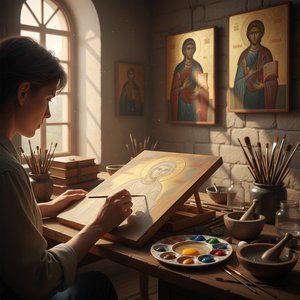
Iluminacja Powierzchni: Kompleksowe Badanie Technik Malarstwa Temperą na Desce i Jego Historyczne Znaczenie
Poznaj fascynującą historię i techniki malarstwa temperą na desce. Analiza dzieł Botticellego, szczegółowy przewodnik po pigmentach i spoiwach. Odkryj sekrety trwałości i piękna obrazów temperowych!

The Enduring Power of Painting: A Historical & Contemporary Exploration of Form and Emotion
Explore the rich history & enduring techniques of oil painting with OriginalUniqueArt. Discover masterpieces, learn about art collecting, and find authentic handmade reproductions crafted by skilled artists.

Trwała Spuścizna Malarstwa Olejnego: Technika, Historia i Estetyczny Wpływ
Poznaj historię i technikę malarstwa olejnego! Eksperckie artykuły o konserwacji, renowacji oraz współczesnych zastosowaniach. Dowiedz się więcej o mistrzach i trwałości obrazów olejnych.


