

 Zobacz w skali 1:1
 Wyślij
 Udostępnij
 Szczegóły

 Pobierz plik obrazu
 Podobne obiekty
 RTG
RTG Pokaz slajdów
 Statystyki
Adoracja Króli


 Czytaj więcej
Giclée / Wydruk artystyczny
Wydruki giclée lub płótna o jakości muzealnej, szybka realizacja i szeroki wybór opcji wykończenia. ( Kup ręcznie malowany obraz Przełącz na wersję cyfrową)




P118B $10

P118H $10

P118W $10

P438Z $10

P508JH $12

P508YH $12

P805H $10

P805Z $10

P919BZ $10

P919G $10

P919XJ $10

P959ZH $10

P968JZ $12

W106C $8

W218G $10

W218JH $8

W218Y $10

W307PJ $10

W316G $10

W316PJ $8

W316Y $10

W398PJ $8

W4111J $10

W500HY $15

W500JH $15

W692G $12

W849H $8

W940BG $15

W953PJ $8




Wybierz spośród naszych standardowych rozmiarów, które zachowują oryginalne proporcje dzieła sztuki.

Możesz wprowadzić własne wymiary, aby dopasować dzieło do konkretnej ramy lub przestrzeni. Jeśli wybrany rozmiar nie będzie odpowiadał proporcjom oryginalnego obrazu, przytniecie dzieło lub rozszerzymy obraz za pomocą odbicia lustrzanego lub jednolitego wypełnienia krawędzi. Przed rozpoczęciem produkcji prześlemy cyfrową wizualizację do Twojej akceptacji.
Prosimy pamiętać, że podgląd na ekranie nie odzwierciedla faktycznego przycinania ani rozszerzania. Tylko wizualizacja dokładnie pokaże końcową kompozycję.
Mimo dostępności niestandardowych rozmiarów, zalecamy wybór wymiaru z listy zdefiniowanej, aby zachować oryginalne proporcje.
Dostawa na cały świat () w ciągu 2 tygodni zamiast standardowych 4/5 tygodni. (18 Wrzesień)

Bezpłatna ekspresowa wysyłka na cały świat

Wysokiej jakości płótno lniane

Pełne ubezpieczenie transportowe

Gwarancja zwrotu należności celnych i podatków importowych

Gwarancja idealnego odwzorowania barw

100-dniowy okres na zwrot dzieła w przypadku wykrycia wad produkcyjnych

Gwarancja 100% zwrotu pieniędzy

Oferta przy zakupie wielu sztuk
 Opcja ze szkłem jest dostępna wyłącznie w rozmiarach poniżej 110 cm

Adoracja Króli
Giclée / Wydruk artystyczny
Rozmiar reprodukcji
-


Suma do zapłaty
$ 80
Adoration of the Three Kings
Andrea Mantegna’s *Adoration of the Three Kings* stands as an undeniable cornerstone of Renaissance art—a testament to humanist ideals fused with meticulous observation and groundbreaking artistic innovation. Painted in tempera on panel, this monumental artwork transcends mere depiction; it delves into profound questions about faith, perspective, and the very essence of visual storytelling. More than just a biblical narrative rendered in pigment, it’s an invitation to contemplate the intellectual fervor that characterized the era—a period obsessed with reviving classical grandeur while simultaneously forging new artistic pathways. Decoding the Scene: Narrative & Composition The painting portrays the pivotal moment when the Magi – representing the known continents of the time – arrive to venerate the infant Jesus. Mary cradles the Christ Child, her gaze serene and protective, while Joseph stands steadfastly beside her. Surrounding them is a vibrant tapestry of figures: angels radiating divine grace, shepherds gazing upwards in awe, attendants diligently attending to their duties, and curious onlookers absorbing the spectacle—each rendered with remarkable individuality and psychological depth. Mantegna masterfully orchestrates these elements within a dramatic landscape—a rugged gorge plunging into rolling hills—creating an illusionistic space that commands attention and draws the viewer irresistibly into the heart of the scene. The compositional genius lies in his masterful manipulation of linear perspective; the horizon line is deliberately lowered to emphasize the scale and solemnity of the event, transporting the observer beyond the confines of the canvas and into a realm of grandeur and spiritual contemplation. This technique wasn’t merely fashionable; it was revolutionary—a conscious effort to emulate the architectural precision of Roman temples and elevate painting to new heights of realism. Artistic Style & Influences: A Synthesis of Tradition & Innovation Mantegna's artistic vision is deeply rooted in his unwavering fascination with classical antiquity, particularly Roman archaeology. This influence permeates every aspect of the artwork—from the architectural details of the gorge walls to the sculptural quality of the figures themselves. He meticulously studied surviving Roman sculptures and reliefs, absorbing their anatomical precision and expressive dynamism. His marriage into the Bellini family—a prominent Venetian artistic dynasty—provided him with invaluable access to new ideas and techniques, fostering a collaborative environment that propelled his creative endeavors. Mantegna’s style embodies the spirit of Mannerism, characterized by elongated figures, stylized poses, and subtle distortions—elements that subtly challenge conventional notions of beauty while maintaining an unwavering commitment to anatomical accuracy. Notably, he employs sfumato – a technique pioneered by Leonardo da Vinci – to soften transitions between light and shadow, lending depth and realism to the faces and drapery of his subjects. This masterful blending of colors creates an ethereal atmosphere—one that evokes both solemn reverence and profound contemplation.- Technique: Tempera on Panel
- Perspective: Innovative Linear Perspective – Lowered Horizon Line
- Influences: Classical Antiquity (Roman Sculpture)
- Style: Mannerism
Biografia artysty
A Renaissance Forged in Antiquity: The Life and Art of Andrea Mantegna
Andrea Mantegna, born near Padua around 1431, stands as a pivotal figure bridging the Early and High Renaissances. His artistic journey wasn’t merely about adopting classical forms; it was an immersive excavation of antiquity, a passionate attempt to resurrect the spirit of Rome within the burgeoning Italian Renaissance. Unlike many contemporaries who drew inspiration from classical models, Mantegna possessed a unique fervor for archaeological accuracy. This obsession stemmed from his formative years under Francesco Squarcione, a painter and collector whose workshop functioned less as a traditional studio and more as an academy dedicated to the study of Roman ruins, sculptures, and inscriptions. It was within these walls, surrounded by fragments of a lost empire, that Mantegna’s artistic vision began to take shape—a vision characterized by sculptural forms, dramatic perspective, and an almost obsessive attention to detail. His early life remains somewhat shrouded in mystery; accounts suggest he was discovered as a promising apprentice, his innate talent recognized and nurtured by Squarcione despite humble origins. This unconventional beginning perhaps fueled Mantegna’s relentless pursuit of artistic mastery and his determination to forge a style distinctly his own.The Gonzaga Court and the Illusion of Reality
Mantegna's career truly blossomed when he entered the service of the Gonzaga family in Mantua, becoming court painter in 1488. This patronage provided him with an unprecedented level of artistic freedom and a platform to realize his most ambitious projects. The Gonzaga’s were not simply patrons; they were collaborators, commissioning works that pushed the boundaries of artistic innovation. It was during this period that Mantegna created what is arguably his masterpiece: the *Camera degli Sposi* (Bridal Chamber) frescoes in the Palazzo Ducale. This groundbreaking work transcends mere decoration; it's a complete illusionistic environment, seamlessly integrating architecture and painting to create an extended sense of space. The frescoes depict scenes from the life of the Gonzaga family – portraits that are remarkably lifelike and engaging – and a breathtaking *di sotto in sù* (seen from below) ceiling panel that creates the illusion of an open sky. This masterful manipulation of perspective wasn’t simply about technical skill; it was about creating a world within a room, blurring the lines between reality and representation. The *Camera degli Sposi* is considered one of the most significant achievements in Renaissance art, demonstrating Mantegna's unparalleled ability to create convincing illusions of depth and space. Beyond the *Camera degli Sposi*, Mantegna continued to produce works of exceptional quality for the Gonzaga court, including the monumental series *Triumphs of Caesar*. These paintings, inspired by Roman triumphal processions, are not merely historical depictions; they are elaborate allegories celebrating the power and prestige of the Gonzaga family, presented with a grandeur that rivals the imperial ambitions of ancient Rome.A Master of Perspective and Anatomical Precision
Mantegna’s artistic innovations extended far beyond illusionistic environments. He was a pioneer in the use of perspective, frequently employing techniques that went against conventional methods to achieve dramatic effects. Frequently, he adjusted the horizon line, creating a sense of monumentality and imposing scale. This technique, coupled with his meticulous attention to anatomical detail, gave his figures an unparalleled sense of weight and presence. He wasn’t content with simply representing the human form; he dissected it, studied its musculature, and rendered it with a precision that was revolutionary for his time. His mastery of *trompe-l'oeil* – creating illusions so convincing they deceive the eye – further enhanced this effect, blurring the boundaries between painting and reality. This dedication to anatomical accuracy wasn’t merely an exercise in technical skill; it reflected Mantegna’s deep engagement with classical sculpture and his desire to emulate the idealized forms of antiquity. He sought not just to depict the human body but to capture its inherent dignity and power. His influence on subsequent generations of artists, including Raphael and Michelangelo, is undeniable, as they built upon his foundations in perspective, anatomy, and composition.Early Works and Influences
Mantegna’s early career was marked by a rapid development of his distinctive style. He began with religious works, such as the *St. George and the Dragon* (c. 1465-1466), which showcases his mastery of perspective and dramatic composition. His *Lamentation over the Dead Christ*, painted around 1480, is another significant example of his early work, demonstrating his ability to convey emotion through carefully rendered figures and a somber color palette. His artistic influences were diverse, drawing from both classical antiquity and contemporary Italian painting. The works of Donatello, particularly his sculptures, undoubtedly influenced Mantegna’s interest in anatomical accuracy and the portrayal of human form. Similarly, the paintings of Giovanni Bellini, with their rich colors and expressive figures, likely shaped his approach to color and composition. However, Mantegna ultimately forged a unique style that combined these influences into something entirely new and distinctive.Legacy and Enduring Influence
Andrea Mantegna died in Mantua in 1506, leaving behind a legacy that continues to resonate with art historians and enthusiasts alike. His work represents a crucial turning point in the history of Renaissance art, bridging the gap between the Early and High Renaissance styles. He wasn’t simply an imitator of classical forms; he was an interpreter, adapting ancient motifs and techniques to create something entirely new and uniquely his own. His meticulous attention to detail, his mastery of perspective, and his profound engagement with classical antiquity established him as a leading figure of his time. Mantegna’s exploration of classical themes helped revive interest in ancient art and culture, paving the way for the artistic achievements of the High Renaissance. His influence can be seen in the works of countless artists who followed, from Raphael's graceful compositions to Michelangelo's powerful figures. Today, his paintings are housed in major museums around the world, including The National Gallery in London and the Pinacoteca di Brera in Milan, where they continue to inspire awe and admiration.
Andrea Mantegna
1431 - 1506 , Włochy
Najważniejsze informacje
- Artistic Movement Or Style: Renesans
- Artists Or Movements Influenced By This Artist:
- Donatello
- Renesans
- Artists Who Influenced This Artist: ['Squarcione']
- Date Of Birth: ok. 1431
- Date Of Death: 1506
- Full Name: Andrea Mantegna
- Nationality: Włoski
- Notable Artworks:
- Lamentacja nad zmartwionym Chrystusem
- Święty Jerzy
- Camera degli Sposi
- Place Of Birth: Carturu, Italia
Zobacz także powiązane artykuły
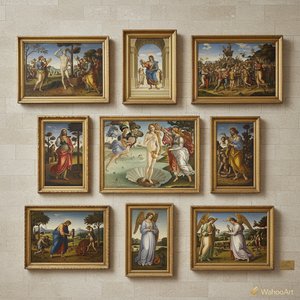
Renesans Wczesny: 10 Arcydzieł, Które Zdefiniowały Epokę | OriginalUniqueArt.com
Odkryj 10 arcydzieł renesansu wczesnego! Poznaj historie Leonarda da Vinci, Michała Anioła i Botticellego. Reprodukcje obrazów najwyższej jakości – inspiracje dla Twojego wnętrza na OriginalUniqueArt.com.

Giovanni Fattori: Realism, Identity & the Tuscan Landscape – A Macchiaioli Master
Explore the life & art of Giovanni Fattori, a leading figure of the Macchiaioli movement. Discover his revolutionary realism, captivating Tuscan landscapes, and lasting impact on Italian painting. Learn more at OriginalUniqueArt.

Carlo Carrà: Futurist Visions & Metaphysical Transformations in Early 20th-Century Italian Painting
Explore the artistic journey of Carlo Carrà, a pivotal figure in Italian Futurism & Metaphysical painting. Discover his dynamic compositions, collaborations with de Chirico, and lasting influence on modern art history.

Charles Bird King: Capturing Native American Dignity Through Portraiture & Cultural Exchange
Explore the captivating portraits of Charles Bird King, renowned for his depictions of Native American leaders. Discover the historical context, artistic techniques, and collecting value of these significant 19th-century artworks.
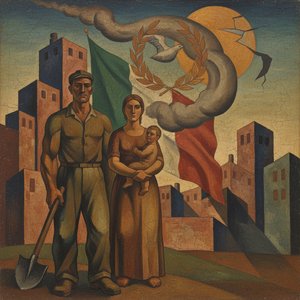
Mario Sironi: A Poetic of Modern Italian Identity Through Symbolism & Social Commentary
Explore the profound works of Mario Sironi, a key figure in Italian Modernism. Discover his evolution from Futurism to Metaphysical painting and his powerful social commentary. Learn about his legacy at OriginalUniqueArt.


