

 Podgląd w skali 1:1
 Wyślij jako kartkę
 Udostępnij
 Szczegóły dzieła
 Przewodnik

 Pobierz obraz
 Podobne obiekty
 RTG
RTG Pokaz slajdów
 Q&A
Q&A Statystyki
Gateway


 Rozwiń treść
Giclée / Wydruk artystyczny
Wydruki giclée lub płótna o jakości muzealnej, szybka realizacja i szeroki wybór opcji wykończenia. ( Zamów ręcznie malowaną reprodukcję Przejdź do wersji cyfrowej)




P118B zł10

P118H zł10

P118W zł10

P438Z zł10

P508JH zł12

P508YH zł12

P805H zł10

P805Z zł10

P919BZ zł10

P919G zł10

P919XJ zł10

P959ZH zł10

P968JZ zł12

W106C zł8

W218G zł10

W218JH zł8

W218Y zł10

W307PJ zł10

W316G zł10

W316PJ zł8

W316Y zł10

W398PJ zł8

W4111J zł10

W500HY zł15

W500JH zł15

W692G zł12

W849H zł8

W940BG zł15

W953PJ zł8




Wybierz spośród naszych standardowych rozmiarów, które zachowują oryginalne proporcje dzieła sztuki.

Wpisz wymaganą szerokość i wysokość, aby dopasować grafikę do ramy lub ściany. Wydruk można jedynie przyciąć, nigdy nie powiększając go poza oryginalny obraz, dlatego format o innych proporcjach spowoduje utratę części kompozycji. Przed rozpoczęciem druku prześlemy Ci cyfrowy podgląd do zatwierdzenia. Obraz wyświetlany na tej stronie nie pokazuje rzeczywistego przycięcia — jedynie podgląd oddaje ten efekt.
Dostawa na cały świat () w ciągu 2 tygodni zamiast standardowych 4/5 tygodni. (30 Październik)

Bezpłatna ekspresowa wysyłka na cały świat

Wysokiej jakości płótno lniane

Pełne ubezpieczenie przesyłki

Gwarancja zwrotu należności celnych i podatków importowych

Gwarancja wiernego odwzorowania kolorów

100-dniowa polityka zwrotów (tylko w przypadku wad)

Gwarancja 100% zwrotu pieniędzy

Zniżka przy zakupie wielu sztuk
 Opcja ze szkłem jest dostępna wyłącznie w rozmiarach poniżej 110 cm

Gateway
Giclée / Wydruk artystyczny
Wymiary reprodukcji
-


Cena całkowita
zł 311
A Grand Entrance: Unveiling Bregno's "Gateway"
This captivating image presents a monumental entranceway, likely to a significant religious or historical site. Executed around 1480 by Andrea di Cristoforo Bregno, an Italian sculptor and architect of the Early Renaissance, “Gateway” offers a glimpse into a world of meticulous craftsmanship and burgeoning artistic innovation. The scene is dominated by two imposing wooden doors, richly adorned with intricate carvings that speak to the skill of the artisan. Above them, decorative elements—statues and potentially gargoyles—add layers of architectural complexity, while elaborate marble panels depicting figures and scenes line the surrounding walls, evoking the classical and Renaissance artistic traditions flourishing at the time. The patterned floor further enhances the overall sense of grandeur and formality.The Artist & Historical Context
Andrea di Cristoforo Bregno (1418-1506) was a pivotal figure in Roman art during the Early Renaissance, bridging the gap between Gothic and High Renaissance styles. Born into a renowned artistic family from Lombardy, he honed his skills alongside his father and brothers, gaining experience supervising architectural projects in Venice before being summoned to Rome by Pope Paul II. Bregno’s workshop thrived under the patronage of Sixtus IV, producing numerous wall tombs for cardinals and papal officials—a testament to his prominence within the Roman artistic landscape. This "Gateway" likely served as an element within a larger architectural project commissioned during this period of intense artistic and religious fervor in Rome. The date, 1480, places it firmly within the Early Renaissance, characterized by a renewed interest in classical forms and humanism.Style & Technique: A Symphony of Detail
The artwork showcases Bregno’s mastery of both sculpture and architecture. While the image itself is likely a preparatory study or depiction of an existing structure rather than a finished painting, it reveals his keen eye for detail and understanding of spatial composition. The meticulous rendering of the marble panels, the intricate carvings on the doors, and the interplay of light and shadow demonstrate a sophisticated technical skill.- Materiality: The emphasis on materials – wood, marble – highlights their inherent beauty and texture.
- Perspective & Composition: The composition guides the viewer's eye towards the central doors, creating a sense of depth and inviting exploration.
- Light & Shadow: The skillful use of light and shadow emphasizes the three-dimensionality of the architectural elements, adding drama and visual interest.
Symbolism & Emotional Impact
Beyond its aesthetic appeal, "Gateway" carries symbolic weight. Entrances often represent transitions—a passage from one realm to another, a threshold between the mundane and the sacred. The elaborate decoration suggests a place of importance, perhaps a church or palace, signifying power, faith, and artistic achievement. The image evokes a sense of quiet reverence and timelessness. It invites contemplation on the history embedded within its stones and carvings—the countless individuals who have passed through this gateway over centuries. The stillness captured in the scene creates an emotional resonance, prompting viewers to imagine the stories held within these walls and appreciate the enduring legacy of Renaissance artistry.Pytania i odpowiedzi
Czy „Gateway” – Andrea di Cristoforo Bregno to obraz, rysunek czy grafika?
"Gateway" to WallArt.
Czy mogę zamówić olejną reprodukcję "Gateway"?
Ręcznie malowane reprodukcje dzieła „Gateway” – Andrea di Cristoforo Bregno można nabyć na stronie niniejsza strona: ręcznie malowana reprodukcja olejowa na płótnie lnianym, zamawiając je bezpośrednio w zakładce Ręcznie malowana reprodukcja.
Jaki jest dominujący kolor w „Gateway” – Andrea di Cristoforo Bregno?
Dominującym kolorem dzieła „Gateway” – Andrea di Cristoforo Bregno jest Putty (#d7c1b7).
Biografia artysty
Andrea di Cristoforo Bregno: Bridging Gothic and Renaissance Rome
Andrea di Cristoforo Bregno, a sculptor and architect of the Early Renaissance, remains a fascinating figure whose career unfolded during a pivotal transition in Roman art. Born in Ostenia, Lombardy, around 1418, and passing away in Rome in 1506, he navigated the shifting currents between Gothic traditions and the burgeoning High Renaissance, leaving behind a legacy of intricate tombs, refined architectural details, and a significant contribution to the standardization of classicizing epigraphy. His life was inextricably linked to the vibrant artistic circles of his time, marked by collaborations with prominent figures like Mino da Fiesole and Raphael’s father, Giovanni Santi.Early Life and Artistic Roots
Bregno's origins were deeply rooted in a family renowned for its sculptural prowess. His father, Cristoforo Bregno, and his brothers, Ambrogio and Girolamo, formed a workshop in Ferrara, establishing themselves as skilled artisans. This lineage provided him with an invaluable foundation, exposing him to the techniques and aesthetic sensibilities of Northern Italian sculpture from a young age. The family’s subsequent involvement in overseeing architecture at the Doge's Palace in Venice – following the death of Bartolomeo Bon – further broadened his experience, immersing him in the complexities of architectural design alongside sculptural artistry. This early exposure instilled within him a deep appreciation for both form and function, shaping his approach to his future endeavors.Rome: A Crucible of Innovation
Bregno’s journey led him to Rome around 1460, an era marked by immense artistic activity fueled by the patronage of the papacy. Invited there by Paul II, he quickly established himself as a sought-after sculptor and architect, benefiting from numerous commissions that reflected the grandeur of the papal court. He became a key figure in the workshop headed by Pope Sixtus IV, producing elaborate wall tombs for cardinals and other prominent figures within the Curia – a testament to his skill and growing reputation. His work during this period showcased a remarkable versatility, blending technical mastery with an evolving artistic style.Style and Influences: A Lombard Manner Embracing Classicism
Bregno’s distinctive style is often described as a refined “Lombard manner,” characterized by its elegance, precision, and attention to detail. However, his time in Rome exposed him to the ideals of classical antiquity, leading to a gradual integration of Roman sculptural forms into his work. He was an early collector of Roman sculptures, meticulously studying their proportions, techniques, and expressive qualities. This engagement with the past informed his approach to creating works that were both aesthetically pleasing and imbued with a sense of timelessness. The influence of Mino da Fiesole, another prominent sculptor in Rome, further refined his style, contributing to the development of a balanced and harmonious aesthetic.Key Achievements and Notable Works
Bregno’s career produced several significant achievements that continue to be admired today. His work on the Piccolomini Altar in Siena is considered one of his masterpieces, showcasing his mastery of marble carving and architectural design. The intricate façade, with its hexagonal side chapels and coffered ceiling, demonstrates a remarkable understanding of spatial relationships and decorative elements. Furthermore, Bregno played a crucial role in standardizing an authentically classicizing style of epigraphy – the inscriptions accompanying his tombs – ensuring consistency and elegance in their presentation. His contributions to the Sistine Chapel, particularly the little cantoria or choristers’ gallery, further cemented his reputation as a versatile and innovative artist. His tomb itself, completed in 1506, provides a poignant glimpse into his artistic vision and serves as a lasting testament to his skill.Legacy and Historical Significance
Andrea di Cristoforo Bregno’s life coincided with a crucial period of transition in the history of art. He bridged the gap between the Gothic traditions of the late Middle Ages and the High Renaissance, embodying the evolving aesthetic sensibilities of his time. His work reflects both the enduring influence of Northern Italian sculpture and the growing fascination with classical antiquity that characterized the Roman artistic scene. Bregno’s legacy lies not only in his individual creations but also in his role as a key figure in shaping the stylistic trends of Early Renaissance Rome, leaving an indelible mark on the city's architectural and sculptural landscape.
Andrea di Cristoforo Bregno
1418 - 1506 , Italy
Krótka nota
- Full Name: Andrea di Cristoforo Bregno
- Nationality: Italian
- Date Of Birth: 1418
- Date Of Death: 1506
- Place Of Birth: Ostenia, Italy
- Notable Artworks:
- Piccolomini Altar
- Wall tombs (Rome)
- Artistic Movement Or Style: Early Renaissance
- Artists Who Influenced This Artist:
- Polykleitos
- Mino da Fiesole
- Artists Or Movements Influenced By This Artist:
- Raphael
- Bramante
Powiązane artykuły
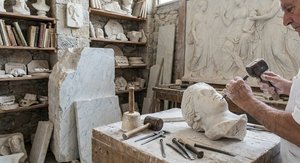
Trwała Spuścizna Marmuru: Kompleksowa Eksploracja Technik, Symboliki i Wyrazu Artystycznego
Odkryj fascynujący świat rzeźby marmurowej! Poznaj historię, techniki i symbolikę tego wyjątkowego medium artystycznego. Inspiracje renesansowe, wybitni artyści i współczesne interpretacje – wszystko w jednym miejscu.

Beyond the Canvas: Why Marble is the Ultimate Power Move for Modern Interiors
Discover why marble is the ultimate power move for modern luxury interiors. Explore how to pair premium natural stone with bold contemporary art to create high-impact, sophisticated spaces that define architectural excellence and timeless design authority.

Urok marmuru w historii sztuki: od klasycznej rzeźby do nowoczesnej abstrakcji
Odkryj fascynującą historię rzeźby marmurowej – od klasycznych arcydzieł po nowoczesną abstrakcję. Poznaj techniki, artystów i wartość kolekcjonerską tego wyjątkowego medium. Ekspercka analiza dla miłośników sztuki.

The Eternal Beauty of Marble: A Guide to Sculpting Light, Stone, and the Soul of Art History
Explore the sublime artistry of marble sculpture. From Greek antiquity to the masters of light, discover how stone captures the eternal essence of human beauty and emotion through expert craftsmanship and historical mastery.
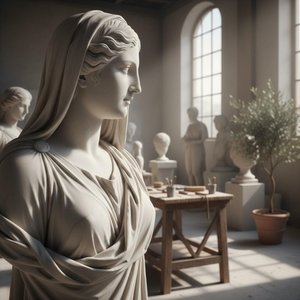
Timeless Elegance: A Complete Guide to the Sublime Beauty and Artistry of Marble Sculpture
Discover the sublime beauty of marble art through an expert exploration of Renaissance and Neoclassical masterpieces. From the delicate textures of Carpeaux to the grandeur of Sansovino, immerse yourself in a guide to timeless elegance and sculptural perfection.