

 Zobacz w skali 1:1
 Wyślij
 Udostępnij
 Szczegóły
 Guide
Guide

 Pobierz plik obrazu
 Podobne obiekty
 RTG
RTG Pokaz slajdów
 Statystyki
Sts Michael and John Gualbert
 Acrylic On Canvas
- WallArt
- Mannerism
 1528
1528 184.0 x 172.0 cm
 Galleria degli Uffizi
 Czytaj więcej
Ręcznie malowana reprodukcja olejowa
Ręcznie malowany obraz olejny na płótnie, wykonany na zamówienie przez naszych artystów w wybranym przez Ciebie wymiarze i oprawie. ( Przełącz na wersję drukowaną Przełącz na wersję cyfrową)




P118B $10

P118H $10

P118W $10

P438Z $10

P508JH $12

P508YH $12

P805H $10

P805Z $10

P919BZ $10

P919G $10

P919XJ $10

P959ZH $10

P968JZ $12

W106C $8

W218G $10

W218JH $8

W218Y $10

W307PJ $10

W316G $10

W316PJ $8

W316Y $10

W398PJ $8

W4111J $10

W500HY $15

W500JH $15

W692G $12

W849H $8

W940BG $15

W953PJ $8




Wybierz spośród naszych standardowych rozmiarów, które zachowują oryginalne proporcje dzieła sztuki.

Możesz wprowadzić własne wymiary, aby dopasować obraz do konkretnej ramy lub przestrzeni. Jeśli wybrany rozmiar nie będzie odpowiadał proporcjom oryginału, przytniecie dzieło sztuki lub rozszerzymy je o dodatkowe elementy, ręcznie domalowane przez artystę. Przed rozpoczęciem produkcji wyślemy projekt cyfrowy do Twojej akceptacji.
Należy pamiętać, że podgląd na ekranie nie odzwierciedla rzeczywistego przycinania ani rozszerzania obrazu. Tylko projekt dokładnie pokaże ostateczną kompozycję.
Choć oferujemy możliwość zamówienia niestandardowych rozmiarów, zalecamy wybór wymiaru z gotowej listy, aby zachować oryginalne proporcje dzieła.
Po złożeniu zamówienia zespół OriginalUniqueArt.com skontaktuje się z klientem drogą mailową w celu uzyskania instrukcji i prześle wizualizację projektu
Dostawa na całym świecie () w ciągu 3–4 tygodni zamiast standardowych 5 tygodni. (20 Wrzesień). Bez kompromisów w kwestii jakości.

Bezpłatna ekspresowa wysyłka na cały świat

Wysokiej jakości płótno lniane

Pełne ubezpieczenie transportowe

Gwarancja zwrotu należności celnych i podatków importowych

Gwarancja idealnego odwzorowania barw

100-dniowy okres na zwrot dzieła w przypadku wykrycia wad produkcyjnych

Gwarancja 100% zwrotu pieniędzy

Oferta przy zakupie wielu sztuk
 Opcja ze szkłem jest dostępna wyłącznie w rozmiarach poniżej 110 cm

Sts Michael and John Gualbert
Technika wykonania
Rozmiar reprodukcji
-


Suma do zapłaty
$ 300
A Renaissance Dialogue in Paint: Exploring Andrea del Sarto’s “Sts Michael and John Gualbert”
Andrea del Sarto's 1528 fresco, "Sts Michael and John Gualbert," residing within the Vallombrosa Altarpiece, is more than just a devotional image; it’s a carefully constructed dialogue between figures, a testament to the artist’s mastery of color and composition, and a window into the intellectual currents of the High Renaissance. The painting depicts two prominent saints – Michael the Archangel, a symbol of divine justice and protection, and John Gualbert, the founder of the Vallombrosan order, known for his asceticism and devotion – standing in contemplative communion. Their posture, almost identical, suggests a shared understanding, a silent exchange of wisdom and faith that transcends mere representation.
Del Sarto’s genius lies not simply in replicating biblical figures but in imbuing them with a palpable sense of humanity. The saints are rendered with an understated elegance; their faces possess a quiet dignity, hinting at the weight of spiritual experience. Notice the subtle play of light and shadow across their garments – a hallmark of del Sarto’s technique—that creates a remarkable illusion of volume and texture. The use of grisaille, a monochrome fresco painting technique, is particularly evident here, contributing to the painting's solemn atmosphere and emphasizing the figures’ spiritual essence rather than opulent detail.
The Context of Vallombrosa: A Monastic Commission
Understanding the context of this work is crucial. The altarpiece was commissioned for the Romitorio delle Celle, a remote monastery founded by St. John Gualbert in the hills near Florence. This austere environment profoundly shaped the painting’s character. The Vallombrosan order emphasized simplicity, contemplation, and a direct relationship with God – values reflected in the restrained elegance of “Sts Michael and John Gualbert.” The monks themselves were known for their devotion to St. Bernard of Clairvaux, whose teachings heavily influenced Gualbert's own spiritual path. The painting therefore serves as both a visual tribute to these figures and an embodiment of the monastic order’s core beliefs.
Furthermore, the fresco was part of a larger narrative cycle depicting various saints and biblical scenes. The composition of “Sts Michael and John Gualbert” is deliberately integrated into this broader scheme, creating a harmonious visual dialogue between different figures and stories. The placement within the altarpiece’s overall design underscores its importance as a central element in conveying the monastery's spiritual message.
Symbolism and Spiritual Resonance
Beyond their individual identities, Michael and Gualbert carry significant symbolic weight. Michael, with his radiant halo and commanding presence, represents divine authority and protection – a guardian against earthly temptations. His outstretched hand suggests both judgment and guidance, while his gaze is directed towards the viewer, inviting contemplation. John Gualbert, in contrast, embodies humility and self-denial. His simple robes and downcast eyes reflect his dedication to monastic life and his unwavering faith. The two figures’ clasped hands symbolize their shared commitment to spiritual values and their mutual support on a similar path.
The background, subtly rendered with an angelic figure, reinforces the painting's themes of divine grace and heavenly protection. It’s not a dramatic or overwhelming scene; rather, it provides a serene backdrop for the saints’ quiet communion, emphasizing the importance of inner devotion over outward spectacle.
A Legacy of Color and Composition
“Sts Michael and John Gualbert” stands as a remarkable achievement in Renaissance art. Del Sarto's masterful use of color—particularly his subtle gradations of tone—creates a sense of depth and realism that was revolutionary for its time. The composition, with its balanced arrangement of figures and the careful consideration of spatial relationships, is both harmonious and dynamic. The painting’s enduring appeal lies in its ability to evoke a profound sense of spirituality and contemplation – a testament to del Sarto's artistic genius and his deep understanding of human nature.
Biografia artysty
Early Life and Training
Andrea del Sarto, a name synonymous with the quiet elegance of Florentine High Renaissance art, was born in 1486 in Gualfonda, a small village near Florence. His origins were humble; his father, Francesco di Luca, was a tailor – a profession that bestowed upon him the enduring nickname “del Sarto,” meaning “the tailor.” This lineage subtly shaped his artistic sensibility, perhaps contributing to his meticulous attention to detail and an appreciation for the beauty of fabric and form. His early years involved apprenticeships, first with an *orfèvre* (goldsmith), a craft that instilled in him a deep understanding of materials and techniques, and subsequently under the painter and wood sculptor Gian Barile. This foundational training provided him with essential skills – drawing, perspective, and the basics of color theory – laying the groundwork for his future artistic endeavors. Later still, he worked alongside Piero di Cosimo and Raffaellino del Garbo, absorbing influences from these prominent figures and honing his craft within a vibrant artistic environment.Artistic Career and Early Style
Andrea’s career truly began to take shape through his collaboration with Franciabigio, a leading Florentine painter of the time. Together, they undertook the ambitious project of decorating the chapel at the Scalzo Congregation in Florence – a monumental undertaking that marked the beginning of their long association. This early work showcased a distinctive style characterized by monochromatic frescoes in *grisaille* (grey tones), a technique he would master and become renowned for. These monochrome works were not merely decorative; they possessed a remarkable depth and realism, demonstrating his burgeoning skill in capturing form and texture without the use of color. As time progressed, Andrea developed a unique artistic voice, moving beyond mere imitation and establishing a style that blended elements of the High Renaissance with emerging Mannerist tendencies. He joined the *arte dei medici e degli speziali* (the guild of doctors and apothecaries) in 1508, further solidifying his position within Florence’s artistic community.Notable Works and Commissions
Andrea del Sarto's legacy is cemented by a series of remarkable works that continue to captivate viewers today. Perhaps most famously, he created *The Holy Family* (circa 1504-1506), a tender depiction commissioned by Zanobi Strozzi for his villa in Rovezzano, now housed in the Pinacoteca Nazionale di Arte Antica in Rome. This painting exemplifies his ability to imbue religious subjects with an intimate and deeply human quality. Another cornerstone of his oeuvre is *The Last Supper* (circa 1527-1528), a monumental fresco covering over forty square meters at the Museo del Cenacolo di Andrea del Sarto in Florence. This masterpiece, unlike earlier depictions of the event, presents a dynamic and emotionally charged scene, with figures arranged in a more naturalistic and engaging manner – a departure from traditional conventions. Furthermore, he executed a series of frescoes for the Loggia dei Servi Maria, showcasing his early skill with monochromatic *grisaille*, depicting stories of miracles attributed to Saint Philip Benizzi. His portraiture was also highly regarded, including works like “Madonna del Sacco” (1525), a painting that demonstrates his mastery of color and composition.Legacy and Influence
Despite being often overshadowed by the towering figures of Leonardo da Vinci, Michelangelo, and Raphael during his lifetime, Andrea del Sarto’s artistic contributions were profound and enduring. His work is characterized by a remarkable harmony, graceful figures, and an innovative use of color – qualities that bridged the gap between the High Renaissance and the emerging Mannerist style. He possessed a unique ability to create works that felt both timeless and deeply personal. His legacy extends beyond individual paintings; it’s reflected in the numerous artists who were influenced by his techniques and approach. Giorgio Vasari, the renowned art historian, recognized Andrea's importance, noting his “infinite grace, grandeur, and majesty” in depicting the Last Supper. While he may not have sought fame or recognition, Andrea del Sarto left an indelible mark on the history of Italian painting, a testament to the power of quiet skill, meticulous craftsmanship, and a profound understanding of beauty.
Andrea del Sarto
1486 - 1530 , Włochy
Najważniejsze informacje
- Artistic Movement Or Style: Renesans i Mannerismus
- Date Of Birth: 16 lipca 1486
- Date Of Death: przed 29 września 1530
- Full Name: Andrea d'Agnolo di Francesco di Luca
- Nationality: Włoski
- Notable Artworks:
- Ostatnia Wieczerza
- n"Holy Family", "Cenacolo"], "Artists who influenced this artist": ["Gian Barile"], "Artists or movements influenced by this artist": ["Leonardo da Vinci"] }
- Place Of Birth: Florencja, Włochy
Zobacz także powiązane artykuły
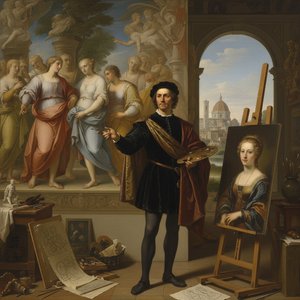
Andrea del Sarto: Florentine Grace, Technical Mastery & Artistic Ambition
Explore the life & art of Andrea del Sarto, a Florentine Renaissance master renowned for harmonious compositions & technical brilliance. Discover his frescoes, portraits, and lasting influence on art history.

Sztuka, która ożywia przestrzeń: Emocjonalna siła fresku we wnętrzu
Poznaj fascynujący świat fresków! Ekspercka wiedza o technice, historii i konserwacji malowideł ściennych. Inspiracje dla wnętrz i możliwość zamówienia unikalnego dzieła sztuki.

Fresk jako Rodzinna Spuścizna: Utrwalenie Dziedzictwa na Ścianach
Odkryj sztukę fresku! Poznaj historię, technikę i inspiracje. Zamów spersonalizowany fresk rodzinny – trwałe dzieło sztuki dla przyszłych pokoleń. Profesjonalna konserwacja i ochrona.

Trwała Spuścizna Fresku: Technika, Historia i Wyraz Artystyczny w Różnych Kulturach
Odkryj fascynujący świat fresków! Poznaj historię, technikę tworzenia i wybitnych artystów. Ekspercka analiza konserwacji i współczesne zastosowania malowideł ściennych. Inspiracje dla wnętrz i pasjonatów sztuki.

The Enduring Legacy of Fresco Painting: Techniques, History & Contemporary Relevance
Explore the rich history & enduring artistry of fresco painting – from Giotto to Michelangelo! Discover techniques, conservation efforts, & modern applications. Learn how OriginalUniqueArt brings this timeless art form to your home.