Surrealism · 1924
Vents (André Masson, 1924)
André Masson (1896–1987) stworzył Vents. Dzieło pochodzi z 1924. Należy do nurtu Surrealism.
- 1924

 Podgląd w skali 1:1

 Ręcznie malowany obraz olejny
 Wyślij jako kartkę
 Udostępnij
 Karta informacyjna


 Pobierz obraz
 Podobne obiekty
 RTG
 Pokaz slajdów
 Pytania i odpowiedzi

 Statystyki
Vents w skrócie
- Tytuł
- Vents
- Artysta
- André Masson (1896–1987)
- Miejsce urodzenia artysty
- Balagny-sur-Thérain, Francja
- Data powstania
- 1924
- Ruch
- Surrealism
Zdjęcia w wysokiej rozdzielczości dzieła Vents
Chronione prawem autorskim: pliki te służą wyłącznie do osobistego wglądu i nie stanowią licencji na ich powielanie.
André Masson, Vents (1924).
Odpowiedzi na pytania dotyczące Vents
W którym roku powstało dzieło "Vents"?
Powstanie „Vents” – André Masson datuje się na 1924.
Czy „Vents” – André Masson znajduje się w domenie publicznej?
„Vents” – André Masson znajduje się w domenie publicznej (nadal objęte ochroną prawa autorskiego). Status ten określa zasady reprodukcji obrazu tego dzieła.
Kto stworzył "Vents"?
Autorem dzieła „Vents” jest André Masson. Praca ta figuruje w katalogu pod nazwiskiem André Masson.
Do jakiego nurtu w sztuce należy „Vents” – André Masson?
Nurt związany z „Vents” – André Masson to Surrealism. Ta klasyfikacja sytuuje dzieło wśród pokrewnych artystów i dzieł sztuki.
Ile lat miał(a) André Masson, tworząc "Vents" w 1924 roku?
André Masson stworzył/a "Vents" w wieku 28 lat. Artysta urodził/a się w 1896, a datowanie dzieła to 1924.
Czy dzieło „Vents” autorstwa André Masson znajduje się w domenie publicznej i dlaczego?
Dzieło "Vents" autorstwa André Masson znajduje się w nadal objęte ochroną prawa autorskiego. Okres ochrony praw autorskich liczony jest od daty śmierci artysty, a André Masson zmarł(a) w 1987.
O artyście: André Masson

1896–1987, Francja
André Masson
André Masson: A Life Dedicated to the Unconscious André Masson, a name synonymous with Surrealism and groundbreaking artistic techniques, was born on January 4th, 1896, in Balagny-sur-Thérain, a small town just north of Paris. From his earliest years, he exhibited an intense connection to nature, spending much of his youth immersed in the landscapes surrounding his home – a formative experience that would profoundly influence his later work. His artistic journey began at the age of eleven when he enrolled at the Académie Royale des Beaux-Arts in Brussels, where he received a foundational training under Constant Montald, laying the groundwork for his future explorations of various styles and movements. Early works hinted at an interest in Cubism, demonstrating an immediate engagement with the radical innovations shaping the art world of the early 20th century.
Inne prace André Masson
 Goethe or the metamorphosis of plants1940
 Massacre1932
 Children of the Islands1926
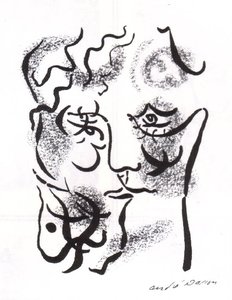 Portrait of Emily Brontë1945
Eseje o Vents
 Dreams on Canvas: Understanding Automatist and Veristic SurrealismMaster the differences between Automatist and Veristic Surrealism. Explore the works of Dali and Miro to decode the dreamscape today.
 Unmasking the Grotesque: The Top 25 Masterpieces by James EnsorExplore the grotesque beauty of James Ensor's top 25 masterpieces. Discover his iconic masks and colors. Explore the full collection online.
 Masterpieces of Light: The Top 25 Artworks by Peder Severin KrøyerExplore the top 25 masterpieces of Peder Severin Krøyer. Discover the light of Skagen and iconic Impressionist works on OriginalUniqueArt.c…