

 Zobacz w skali 1:1
 Wyślij
 Udostępnij
 Szczegóły
 Przewodnik

 Pobierz plik obrazu
 Podobne obiekty
 RTG
RTG Pokaz slajdów
 Statystyki
Still Life z Owocami
 Akryl na płótnie
- Sztuka ścienna
- Fauvist Expressionism
 1940
1940 24.0 x 34.0 cm
 Harris Museum - Art Gallery
 Czytaj więcej
Giclée / Wydruk artystyczny
Wydruki giclée lub płótna o jakości muzealnej, szybka realizacja i szeroki wybór opcji wykończenia. ( Kup ręcznie malowany obraz Przełącz na wersję cyfrową)




P118B zł10

P118H zł10

P118W zł10

P438Z zł10

P508JH zł12

P508YH zł12

P805H zł10

P805Z zł10

P919BZ zł10

P919G zł10

P919XJ zł10

P959ZH zł10

P968JZ zł12

W106C zł8

W218G zł10

W218JH zł8

W218Y zł10

W307PJ zł10

W316G zł10

W316PJ zł8

W316Y zł10

W398PJ zł8

W4111J zł10

W500HY zł15

W500JH zł15

W692G zł12

W849H zł8

W940BG zł15

W953PJ zł8




Wybierz spośród naszych standardowych rozmiarów, które zachowują oryginalne proporcje dzieła sztuki.

Możesz wprowadzić własne wymiary, aby dopasować dzieło do konkretnej ramy lub przestrzeni. Jeśli wybrany rozmiar nie będzie odpowiadał proporcjom oryginalnego obrazu, przytniecie dzieło lub rozszerzymy obraz za pomocą odbicia lustrzanego lub jednolitego wypełnienia krawędzi. Przed rozpoczęciem produkcji prześlemy cyfrową wizualizację do Twojej akceptacji.
Prosimy pamiętać, że podgląd na ekranie nie odzwierciedla faktycznego przycinania ani rozszerzania. Tylko wizualizacja dokładnie pokaże końcową kompozycję.
Mimo dostępności niestandardowych rozmiarów, zalecamy wybór wymiaru z listy zdefiniowanej, aby zachować oryginalne proporcje.
Dostawa na cały świat () w ciągu 2 tygodni zamiast standardowych 4/5 tygodni. (8 Październik)

Bezpłatna ekspresowa wysyłka na cały świat

Wysokiej jakości płótno lniane

Pełne ubezpieczenie transportowe

Gwarancja zwrotu należności celnych i podatków importowych

Gwarancja idealnego odwzorowania barw

100-dniowy okres na zwrot dzieła w przypadku wykrycia wad produkcyjnych

Gwarancja 100% zwrotu pieniędzy

Oferta przy zakupie wielu sztuk
 Opcja ze szkłem jest dostępna wyłącznie w rozmiarach poniżej 110 cm

Still Life z Owocami
Giclée / Wydruk artystyczny
Rozmiar reprodukcji
-


Suma do zapłaty
zł 297
André Derain i Jego „Życie z Owocami” – Klasyka Fauwizmu
„Życie z Owocami”, obraz André Deraina powstały w roku 1940, stanowi jedno z najważniejszych dzieł francuskiego malarza ruchu fauvistycznego. Nie jest to przypadkowy wybór tematu – Derain, jak wielu innych twórców tego okresu, fascynował się siłą i energią natury oraz zdolnością obrazu do przekazywania emocji.
Derain urodził się w Chatou roku 1880, gdzie jego dzieciństwo spędził wśród rodzinnych krajobrazów. Jego zainteresowanie sztuką rozwinęło się niezależnie od innych artystów, około roku 1895, podczas podróży poza miasto z ojcem i jego synami – doświadczenie które głęboko wpłynęło na jego późniejszy styl twórczy. Początkowo studiował inżynierię w Akademii Camillo, gdzie przypadkiem spotkał Henri Matisse, rozpoczynając współpracę która miała ogromną znaczenie dla rozwoju obu karier.
„Życie z Owocami” prezentuje klasyczny przykład fauwizmu – stylu malarskiego charakteryzującego się użyciem intensywnych kolorów, często kontrastujących i odbiegających od rzeczywistości. Derain zastosował technikę olejową na płótnie, wykorzystując szerokie pociągnięcia pędzla dla uzyskania efektu ruchu i dynamiki. Kolory obrazu – głęboka czerwienie jabłek, intensywna żółć pomarańczy oraz zielona aksamitna skórka winogron – nie służą jedynie dekoracyjnemu celowi; mają za zadanie wyrazić emocje artysty i oddać piękno natury.
Obraz został stworzony w okresie II Wojny Światowej, co wpłynęło na jego atmosferę. Jednak mimo trudnych czasów „Życie z Owocami” emanuje spokojem i ciepłem – uczuciami które przekazuje widzowi dzięki umiejętnej kompozycji oraz zastosowaniu kolorystycznego języka. Kompozycja obrazu jest prostą, ale efektywną – jabłka umieszczone są w górnym lewym rogu płótna, pomarańcze znajdują się po prawej stronie, winogrona rozkładają się przez cały obraz i banana prezentują się na środkowym poziomie lewej strony. Wszystkie elementy zostały zestawione w sposób harmonijny i atrakcyjny dla oka.
„Życie z Owocami” jest dziełem niezwykłym nie tylko ze względu na jego stylistyczne piękno, ale także dlatego że stanowi doskonałą ilustrację filozofii fauwizmu – ruchu artystycznego który odrzucał imitację rzeczywistości i wierzył w siłę emocji jako podstawę twórczości. Obraz zachwyca zarówno kolekcjonerów sztuki, jak i osoby szukające inspiracji oraz dekorujących swoje wnętrza.
Pytania i odpowiedzi
W jakim wieku André Derain stworzył(a) "Still Life z Owocami"?
Gdy w 1940 roku powstało dzieło „Still Life z Owocami”, André Derain – urodzony/a w 1880 – miał/a 60 lat.
Gdzie mogę znaleźć przewodnik do "Still Life z Owocami"?
Strona Przewodnik dzieła „Still Life z Owocami” autorstwa André Derain oferuje dwustronicową kartę informacyjną w formacie do druku: samo dzieło wraz z tabelą identyfikacyjną, oś czasu umieszczającą je w latach życia artysty, inne prace tego twórcy, zmierzoną paletę kolorystyczną oraz gotowe do skopiowania cytaty w czterech stylach.
W jaki sposób nurt i epoka przenikają się w „Still Life z Owocami” autorstwa André Derain?
„Still Life z Owocami” autorstwa André Derain przynależy do nurtu Fauvist Expressionism, tworząc w epoce Nowoczesność swojego twórcy.
Z jakim etapem kariery André Derain odpowiada data 1940 dla dzieła „Still Life z Owocami”?
Biorąc pod uwagę datę powstania (1940), dzieło „Still Life z Owocami” wpisuje się w Mature Expressionism twórczości André Derain.
W którym roku powstało „Still Life z Owocami” autorstwa André Derain?
Dzieło "Still Life z Owocami" pochodzi z 1940 roku. Data ta pozwala umiejscowić pracę w kontekście twórczości André Derain oraz epoki, w której powstała.
Któremu artyście przypisuje się "Still Life z Owocami"?
„Still Life z Owocami” zostało stworzone przez André Derain. Informacje na tej stronie opisują oryginalne dzieło autorstwa André Derain.
Jaka jest kolorystyka dzieła „Still Life z Owocami” autorstwa André Derain?
Kolorystyka dzieła „Still Life z Owocami” autorstwa André Derain: paleta Barwy ziemi, w której dominuje Czarny (#1a130b).
Biografia artysty
Early Life and the Seeds of Fauvism
André Derain, born in 1880 in the charming village of Chatou near Paris, wasn’t initially destined for a life steeped in paint and canvas. Contrary to some narratives suggesting an immediate artistic awakening through encounters with fellow painters like Vlaminck or Matisse, Derain embarked on his artistic journey independently around 1895. These early explorations were often undertaken alongside Father Jacomin and his sons during countryside excursions—a formative experience that instilled a deep appreciation for the natural world. He briefly pursued engineering at the Académie Camillo in 1898, where fatefully, he crossed paths with Henri Matisse, initiating a pivotal artistic partnership. Further studies under Eugène Carrière honed his foundational skills, but it was military service from 1901 to 1904 that temporarily interrupted his burgeoning career. Upon his return, persuaded by the unwavering belief of Matisse, Derain decisively abandoned engineering and fully committed himself to painting, continuing his education at the Académie Julian. This commitment marked a turning point, setting him on a path toward becoming a central figure in one of modern art’s most revolutionary movements.The Explosive Birth of Color: Fauvism
The summer of 1905 proved to be an explosive moment for Derain and Matisse as they collaborated in the sun-drenched coastal village of Collioure. This period birthed works like “Mountains at Collioure,” characterized by a radical departure from representational color. The landscapes weren’t merely depictions of places; they were expressions of feeling, rendered through intensely vibrant, non-naturalistic hues. When their work was exhibited at the Salon d'Automne that same year, it provoked outrage and astonishment. Critic Louis Vauxcelles famously dubbed them “Les Fauves”—the wild beasts—a name initially intended as derisive but ultimately embraced by the artists themselves. Derain’s contribution to this movement wasn’t merely stylistic; he possessed a unique ability to translate emotional intensity into pure color. In 1906, Ambroise Vollard commissioned him to paint London, resulting in a series of striking canvases depicting the Thames and Tower Bridge. These weren't conventional cityscapes; they were bold interpretations, capturing the energy and atmosphere of London through an unconventional lens—a testament to Derain’s innovative vision. Influenced by artists like Van Gogh and Cézanne, he pushed the boundaries of color and form, laying the groundwork for future generations of expressionist painters.Beyond Fauvism: A Shifting Aesthetic
The initial fervor of Fauvism didn't define Derain’s entire artistic trajectory. Around 1907, his style began a significant evolution, moving away from the unrestrained chromatic exuberance toward more subdued tones and an increased emphasis on form. This period, often referred to as his “gothic” phase (1911-1914), reflected a growing interest in structure and composition. He immersed himself in the study of Old Masters, incorporating elements of Cubism while simultaneously seeking inspiration from classical forms. This wasn’t a rejection of his earlier work but rather an expansion of his artistic vocabulary. Derain's versatility extended beyond painting; in 1919, he designed the ballet “La Boutique Fantasque” for Sergei Diaghilev’s Ballets Russes, demonstrating his aptitude for theatrical design and further showcasing his diverse talents. Key works from this era, such as "Harlequin and Pierrot" and the monumental mural "Return of Ulysses," exemplify this stylistic shift—a move toward a more controlled and intellectually rigorous approach to artmaking.Major Achievements and Legacy
André Derain’s legacy is firmly rooted in his pivotal role in establishing Fauvism and his subsequent exploration of diverse artistic styles. His early London paintings, characterized by their bold color palettes and dynamic compositions, remain iconic examples of the movement's revolutionary spirit. Beyond this, he made significant contributions to Cubist development alongside Picasso and Braque, demonstrating a remarkable ability to adapt and synthesize various influences. His work as a set designer for the Ballets Russes showcased his versatility and artistic vision beyond the canvas. Despite facing controversy later in life due to his association with Nazi Germany during World War II, Derain’s impact on 20th-century art is undeniable. His paintings are held in major museums worldwide, including the Musée d'Orsay in Paris, the Metropolitan Museum of Art in New York, and the Tate Gallery in London—testaments to his enduring artistic significance.Key Works
Here are some of André Derain’s most celebrated works:- Mountains at Collioure (1905-06)
- Harlequin and Pierrot (1906)
- The Cup of Tea (1907)
- London Paintings (series, 1906-07) – including "Big Ben" and “Most London”
- Return of Ulysses (1914)
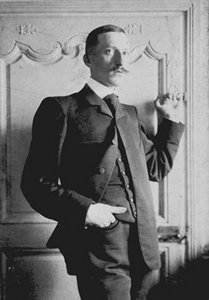
André Derain
1880 - 1954 , Francja
Najważniejsze informacje
- Artistic Movement Or Style: Fauvizm, Kubizm
- Artists Or Movements Influenced By This Artist:
- Matisse
- Kubizm
- Artists Who Influenced This Artist:
- Van Gogh
- Cézanne
- Date Of Birth: 10 czerwca 1880
- Date Of Death: 8 września 1954
- Full Name: André Derain
- Nationality: Francuz
- Notable Artworks:
- Góry w Collioure
- Harlequin i Pierrot
- Most londyński
- Place Of Birth: Chatou, Francja
Zobacz także powiązane artykuły
Fauwiści: 10 arcydzieł, które zrewolucjonizowały malarstwo | OriginalUniqueArt.com
Poznaj 10 arcydzieł Fauwyzmu! Odkryj historię Matisse'a, Deraina i innych artystów tego rewolucyjnego ruchu. Żywe kolory, ekspresja i inspiracje wnętrzarskie czekają. Reprodukcje obrazów najwyższej jakości na OriginalUniqueArt.com

The Bountiful Still Life: Symbolism & Artistic Representation of Fruit Across Art History
Explore the rich history of still life painting & the symbolism of fruit across art movements. Discover masterpieces from Caravaggio to Cézanne with OriginalUniqueArt – expert guidance & museum-quality reproductions.

Paul Cézanne: 25 Arcydzieł, które Zrewolucjonizowały Świat Sztuki | OriginalUniqueArt
Odkryj 25 arcydzieł Paula Cézanne'a – od impresjonizmu po postimpresjonizm. Poznaj historie, techniki i inspiracje malarza, który zrewolucjonizował sztukę. Reprodukcje obrazów najwyższej jakości na OriginalUniqueArt.com!
Top 10 arcydzieł Fauwizmu: Kolor i ekspresja w Twoim wnętrzu | OriginalUniqueArt.com
Odkryj 10 arcydzieł Fauwizmu! Poznaj historię Matisse'a, Deraina i innych artystów tego rewolucyjnego ruchu. Ekspresjonizm kolorystyczny w Twoim wnętrzu – reprodukcje najwyższej jakości na OriginalUniqueArt.com. Eksploruj kolekcję online!
André Derain: Fauvism's Bold Visionary & the Evolution of Modern Color
Explore the revolutionary art of André Derain, co-founder of Fauvism. Discover his bold use of color, evolution from radical expressionism to classicism, and lasting influence on modern art history. Learn more at OriginalUniqueArt.


