School of Paris · 1928
Rita van Leer (André Derain, 1928)
André Derain (1880–1954) stworzył Rita van Leer. Dzieło pochodzi z 1928. Należy do nurtu School of Paris. Wykonano w technice Oil On Panel. Wymiary to 41 × 34 cm.
- 1928
- Oil On Panel
- 41 × 34 cm

 Podgląd w skali 1:1

 Ręcznie malowany obraz olejny
 Wyślij jako kartkę
 Udostępnij
 Karta informacyjna


 Pobierz obraz
 Podobne obiekty
 RTG
 Pokaz slajdów
 Pytania i odpowiedzi

 Statystyki
Rita van Leer w skrócie
- Tytuł
- Rita van Leer
- Artysta
- André Derain (1880–1954)
- Miejsce urodzenia artysty
- Chatou, Francja
- Data powstania
- 1928
- Technika wykonania
- Oil On Panel
- Wymiary
- 41 × 34 cm
- Ruch
- School of Paris
- Epoka
- Modern
- Temat
- woman, portrait, face, shoulders, gray, black
Co przedstawia Rita van Leer?
The Portrait of Rita van Leer
In this intimate portrait, André Derain turns his attention to Rita van Leer. Created about 1928, the work moves away from the loud colorism of his earlier years, focusing instead on the quiet presence of the sitter. There is a certain stillness here, a moment captured in a way that prioritizes her character over a mere photographic likeness. She meets the viewer with a directness that feels both personal and somewhat guarded.
André Derain captures the subject with an expressive likeness, favoring the essence of her personality over rigid, academic precision. The portrait focuses on the head and shoulders, stripping away unnecessary distractions to ensure the viewer's attention remains fixed upon her gaze. It is a study of a person rather than a mere likeness, offering a glimpse into a specific, fleeting moment of her life.
Composition and Visual Elements
The composition is centered entirely upon the woman’s face, which occupies the majority of the frame. Presented in a close-up view, the subject's head and shoulders emerge from a dark, minimalist background. This lack of environmental detail ensures that the viewer's attention remains fixed on the sitter. Her head is slightly tilted, a subtle movement that introduces a sense of dynamism to an otherwise still moment.
There is a directness in her gaze, as she looks straight toward the viewer. This connection is established through the careful placement of her features and the use of tonal variations rather than sharp, photographic lines. Light and shadow work together to define the contours of her face, creating a sense of three-dimensionality through the layering of different shades.
Technique and Artistic Style
The work is characteristic of early modern art, leaning into the expressive possibilities of Fauvism and Expressionism. Rather than seeking photographic accuracy, the artist employs a loose and gestural application of paint to capture the sitter. There is a palpable sense of immediacy here, driven by the visible brushstrokes that define the form. This approach prioritizes the emotional essence of the subject over a strictly realistic representation.
One notices how the artist uses short, choppy strokes to build up the features of the face and the contours of the hair. This method creates a textured, almost rugged surface. The use of thick impasto is particularly evident, providing a physical depth that makes the paint feel sculptural. These heavy applications of pigment allow the light to catch the ridges of the brushwork, adding a sense of movement to the portrait.
Materials and Physical Properties
This work is executed in oil paint, applied with a deliberate and textured hand. The artist has worked upon a surface of either canvas or panel, a choice that supports the heavy impasto visible throughout the piece. Such tactile application allows the paint to hold its form, creating a physical presence that catches the light in subtle ways. The dimensions of the work are 41 x 34 cm, a scale that invites a close, intimate inspection of the surface.
The palette is notably restrained, eschewing the riotous color often associated with the artist's earlier years. Instead, we find a monochromatic arrangement of gray, black, and white. These tones are layered to build depth and define the contours of the subject. The interplay of light and shadow is achieved through these varying shades, providing a sense of volume without the need for chromatic intensity. It is a quiet, disciplined approach to the medium.
Zdjęcia w wysokiej rozdzielczości dzieła Rita van Leer
Domena publiczna: artysta zmarł w 1954.
André Derain, Rita van Leer (1928). Domena publiczna
Odpowiedzi na pytania dotyczące Rita van Leer
W którym roku powstało dzieło „Rita van Leer” – André Derain?
Powstanie „Rita van Leer” – André Derain datuje się na 1928.
W jakiej technice wykonano „Rita van Leer” – André Derain?
Technika wykonania dzieła „Rita van Leer” – André Derain to Oil On Panel. Reprodukcje mają na celu wierne oddanie wyglądu tej techniki.
Jakie są wymiary oryginalnego dzieła „Rita van Leer” – André Derain?
Wymiary dzieła „Rita van Leer” – André Derain to 41 x 34 cm. Reprodukcje można zamówić w innych rozmiarach, zachowując te same proporcje.
Co przedstawia „Rita van Leer” – André Derain?
Tematyka dzieła "Rita van Leer" to woman, portrait, face, shoulders, gray, black, white.
Czy dzieło "Rita van Leer" znajduje się w domenie publicznej?
Status praw autorskich dla „Rita van Leer” – André Derain: dzieło znajduje się w należy do domeny publicznej – autorskie prawa majątkowe wygasły. Określa to, czy reprodukcje obrazu mogą być sporządzane swobodnie.
Kto stworzył "Rita van Leer"?
Autorem dzieła „Rita van Leer” jest André Derain. Praca ta figuruje w katalogu pod nazwiskiem André Derain.
Do jakiego nurtu artystycznego należy „Rita van Leer” – André Derain?
Nurt związany z „Rita van Leer” – André Derain to School of Paris. Ta klasyfikacja sytuuje dzieło wśród pokrewnych artystów i dzieł sztuki.
Do którego okresu twórczości André Derain należy dzieło "Rita van Leer"?
"Rita van Leer" reprezentuje Late Period twórczości André Derain.
Ile lat miał André Derain, gdy powstało dzieło „Rita van Leer”?
André Derain stworzył/a "Rita van Leer" w wieku 48 lat. Artysta urodził/a się w 1880, a datowanie dzieła to 1928.
O artyście: André Derain
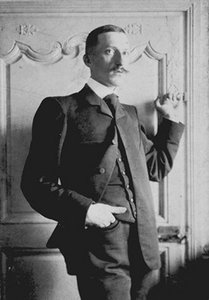
1880–1954, Francja
André Derain
Wczesne lata, rodzina i kształcenie W 1880 roku André Derain przyszedł na świat w Chatou, urokliwej wiosce położonej w departamencie Yvelines we Francji. Jego dzieciństwo i młodość zostały ukształtowane przez spokojne krajobrazy Île-de-France, gdzie w sercu młodego artysty zaczęła kiełkować naturalna ciekawość otaczającego świata. Już w 1895 roku rozpoczął samodzielne studia, pragnąc zrozumieć świat wizualny własnymi oczami, z dala od rygorów formalnego nauczania. Ten okres samodzielnych poszukiwań pozwolił mu wypracować unikalny, osobisty sposób patrzenia na rzeczywistość, zanim surowe zasady akademii mogły narzucić mu swoją wolę.
Inne prace André Derain
 Kąpiące się kobiety1907
 London Bridge1906
 Charing Cross from sw1906
 Landscape at L'Estaque1906
Eseje o Rita van Leer
 Fauvism vs German Expressionism: Distinguishing Color and EmotionMaster the differences between Fauvism and German Expressionism through expert analysis. Learn to decode the emotion behind the color today.
 Dutch artworks of the 1860s1860s Dutch masterpieces by Vincent van Gogh, Gerard Bilders, and August Allebé. View the full collection online at OriginalUniqueArt.com.
 The Silent Dialogue: Examining Intimacy and Psychological Depth in Classical PortraitureExplore the psychological depth of classical portraiture through masters like Rembrandt and Vermeer. Discover the power of the gaze today.