

 Podgląd w skali
 Wyślij jako kartkę
 Udostępnij
 Szczegóły dzieła

 Pobierz
 Podobne obiekty
 RTG
RTG Pokaz slajdów
 Statystyki
Fishing Boats, Collioure


 Rozwiń treść
Ręcznie malowana reprodukcja olejowa
Ręcznie malowany obraz olejny na płótnie, wykonany na zamówienie przez naszych artystów w wybranym przez Ciebie wymiarze i oprawie. ( Przełącz na wydruki Przełącz na obraz cyfrowy)




P118B $10

P118H $10

P118W $10

P438Z $10

P508JH $12

P508YH $12

P805H $10

P805Z $10

P919BZ $10

P919G $10

P919XJ $10

P959ZH $10

P968JZ $12

W106C $8

W218G $10

W218JH $8

W218Y $10

W307PJ $10

W316G $10

W316PJ $8

W316Y $10

W398PJ $8

W4111J $10

W500HY $15

W500JH $15

W692G $12

W849H $8

W940BG $15

W953PJ $8




Wybierz spośród naszych standardowych rozmiarów, które zachowują oryginalne proporcje dzieła sztuki.

Możesz wprowadzić własne wymiary, aby dopasować obraz do konkretnej ramy lub przestrzeni. Jeśli wybrany rozmiar nie będzie odpowiadał proporcjom oryginału, przytniecie dzieło sztuki lub rozszerzymy je o dodatkowe elementy, ręcznie domalowane przez artystę. Przed rozpoczęciem produkcji wyślemy projekt cyfrowy do Twojej akceptacji.
Należy pamiętać, że podgląd na ekranie nie odzwierciedla rzeczywistego przycinania ani rozszerzania obrazu. Tylko projekt dokładnie pokaże ostateczną kompozycję.
Choć oferujemy możliwość zamówienia niestandardowych rozmiarów, zalecamy wybór wymiaru z gotowej listy, aby zachować oryginalne proporcje dzieła.
Po złożeniu zamówienia zespół OriginalUniqueArt.com skontaktuje się z klientem drogą mailową w celu uzyskania instrukcji i prześle wizualizację projektu
Dostawa na całym świecie () w ciągu 3–4 tygodni zamiast standardowych 5 tygodni. (13 Wrzesień). Bez kompromisów w kwestii jakości.

Bezpłatna ekspresowa wysyłka na cały świat

Wysokiej jakości płótno lniane

Pełne ubezpieczenie przesyłki

Gwarancja zwrotu należności celnych i podatków importowych

Gwarancja wiernego odwzorowania kolorów

100-dniowa polityka zwrotów (tylko w przypadku wad)

Gwarancja 100% zwrotu kosztów

Zniżka przy zamówieniu wielu produktów
 Opcja ze szkłem jest dostępna wyłącznie w rozmiarach poniżej 110 cm

Fishing Boats, Collioure
Technika reprodukcji
Wymiary reprodukcji
-


Cena całkowita
$ 300
Introduction to the Painting
Fishing Boats, Collioure, painted in 1905 by André Derain, is a quintessential example of Fauvism, an art movement characterized by bold and vivid colors. This painting is housed at the Museum of Modern Art (New York, United States) and is one of the most celebrated works of the early 20th century.The Scene
The painting depicts a lively scene featuring several boats on the water with people aboard them. The boats are of various sizes and shapes, some closer to the foreground while others are further away in the background. There are at least five boats visible in the image, each one adding to the lively atmosphere of the painting. In addition to the boats, there are several people scattered throughout the scene, likely enjoying their time on the water or attending to their vessels.Color and Style
The colors used in this painting are rich and bold, with shades of blue, red, green, yellow, and orange all contributing to the overall vibrancy of the scene. This artwork is reminiscent of Fauvism, a style that emphasizes strong colors and expressive brushstrokes. The combination of boats, people, and bold colors make this painting an engaging and visually striking piece of art.Artistic Context
André Derain was a key figure in the development of Fauvism, along with Henri Matisse. Their works from this period are characterized by their use of vibrant colors and energetic brushstrokes. The influence of Fauvism can be seen in many subsequent art movements, including Expressionism and Abstract Expressionism.Relevance to OriginalUniqueArt.com
At OriginalUniqueArt.com, we offer high-quality, handmade oil painting reproductions of famous artworks like Fishing Boats, Collioure. Our skilled artists meticulously recreate the original paintings to ensure that every detail and color is accurately represented. For art enthusiasts who wish to own a piece of history without the hefty price tag of an original, our reproductions are an excellent choice.Conclusion
Fishing Boats, Collioure by André Derain is a masterpiece that embodies the spirit of Fauvism. Its bold colors and lively scene make it a captivating piece of art that continues to inspire artists and art lovers alike. For those interested in owning a reproduction of this iconic painting, visit OriginalUniqueArt.com for an authentic and beautifully crafted handmade oil painting.For more information on Fauvism and its notable artists, refer to the following links: - André Derain: Fishing Boats, Collioure - André Derain: Fishing Boats, Colioure - Fauvism on Wikipedia
O artyście
Early Life and the Seeds of Fauvism
André Derain, born in 1880 in the charming village of Chatou near Paris, wasn’t initially destined for a life steeped in paint and canvas. Contrary to some narratives suggesting an immediate artistic awakening through encounters with fellow painters like Vlaminck or Matisse, Derain embarked on his artistic journey independently around 1895. These early explorations were often undertaken alongside Father Jacomin and his sons during countryside excursions—a formative experience that instilled a deep appreciation for the natural world. He briefly pursued engineering at the Académie Camillo in 1898, where fatefully, he crossed paths with Henri Matisse, initiating a pivotal artistic partnership. Further studies under Eugène Carrière honed his foundational skills, but it was military service from 1901 to 1904 that temporarily interrupted his burgeoning career. Upon his return, persuaded by the unwavering belief of Matisse, Derain decisively abandoned engineering and fully committed himself to painting, continuing his education at the Académie Julian. This commitment marked a turning point, setting him on a path toward becoming a central figure in one of modern art’s most revolutionary movements.The Explosive Birth of Color: Fauvism
The summer of 1905 proved to be an explosive moment for Derain and Matisse as they collaborated in the sun-drenched coastal village of Collioure. This period birthed works like “Mountains at Collioure,” characterized by a radical departure from representational color. The landscapes weren’t merely depictions of places; they were expressions of feeling, rendered through intensely vibrant, non-naturalistic hues. When their work was exhibited at the Salon d'Automne that same year, it provoked outrage and astonishment. Critic Louis Vauxcelles famously dubbed them “Les Fauves”—the wild beasts—a name initially intended as derisive but ultimately embraced by the artists themselves. Derain’s contribution to this movement wasn’t merely stylistic; he possessed a unique ability to translate emotional intensity into pure color. In 1906, Ambroise Vollard commissioned him to paint London, resulting in a series of striking canvases depicting the Thames and Tower Bridge. These weren't conventional cityscapes; they were bold interpretations, capturing the energy and atmosphere of London through an unconventional lens—a testament to Derain’s innovative vision. Influenced by artists like Van Gogh and Cézanne, he pushed the boundaries of color and form, laying the groundwork for future generations of expressionist painters.Beyond Fauvism: A Shifting Aesthetic
The initial fervor of Fauvism didn't define Derain’s entire artistic trajectory. Around 1907, his style began a significant evolution, moving away from the unrestrained chromatic exuberance toward more subdued tones and an increased emphasis on form. This period, often referred to as his “gothic” phase (1911-1914), reflected a growing interest in structure and composition. He immersed himself in the study of Old Masters, incorporating elements of Cubism while simultaneously seeking inspiration from classical forms. This wasn’t a rejection of his earlier work but rather an expansion of his artistic vocabulary. Derain's versatility extended beyond painting; in 1919, he designed the ballet “La Boutique Fantasque” for Sergei Diaghilev’s Ballets Russes, demonstrating his aptitude for theatrical design and further showcasing his diverse talents. Key works from this era, such as "Harlequin and Pierrot" and the monumental mural "Return of Ulysses," exemplify this stylistic shift—a move toward a more controlled and intellectually rigorous approach to artmaking.Major Achievements and Legacy
André Derain’s legacy is firmly rooted in his pivotal role in establishing Fauvism and his subsequent exploration of diverse artistic styles. His early London paintings, characterized by their bold color palettes and dynamic compositions, remain iconic examples of the movement's revolutionary spirit. Beyond this, he made significant contributions to Cubist development alongside Picasso and Braque, demonstrating a remarkable ability to adapt and synthesize various influences. His work as a set designer for the Ballets Russes showcased his versatility and artistic vision beyond the canvas. Despite facing controversy later in life due to his association with Nazi Germany during World War II, Derain’s impact on 20th-century art is undeniable. His paintings are held in major museums worldwide, including the Musée d'Orsay in Paris, the Metropolitan Museum of Art in New York, and the Tate Gallery in London—testaments to his enduring artistic significance.Key Works
Here are some of André Derain’s most celebrated works:- Mountains at Collioure (1905-06)
- Harlequin and Pierrot (1906)
- The Cup of Tea (1907)
- London Paintings (series, 1906-07) – including "Big Ben" and “Most London”
- Return of Ulysses (1914)
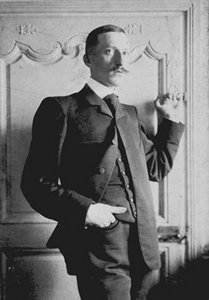
André Derain
1880 - 1954 , Francja
Krótka nota
- Artistic Movement Or Style: Fauvizm, Kubizm
- Artists Or Movements Influenced By This Artist:
- Matisse
- Kubizm
- Artists Who Influenced This Artist:
- Van Gogh
- Cézanne
- Date Of Birth: 10 czerwca 1880
- Date Of Death: 8 września 1954
- Full Name: André Derain
- Nationality: Francuz
- Notable Artworks:
- Góry w Collioure
- Harlequin i Pierrot
- Most londyński
- Place Of Birth: Chatou, Francja
Powiązane artykuły

10 Arcydzieł Impresjonizmu Krajobrazowego, Które Zdefiniowały Sztukę
Odkryj 10 arcydzieł impresjonizmu krajobrazowego! Poznaj historie Moneta, Renoir'a i Van Gogha. Inspiracje wnętrzarskie, techniki malarskie i piękne reprodukcje obrazów na OriginalUniqueArt.com. Eksploruj kolekcję online!

Paul Cézanne: 25 Arcydzieł, które Zrewolucjonizowały Świat Sztuki | OriginalUniqueArt
Odkryj 25 arcydzieł Paula Cézanne'a – od impresjonizmu po postimpresjonizm. Poznaj historie, techniki i inspiracje malarza, który zrewolucjonizował sztukę. Reprodukcje obrazów najwyższej jakości na OriginalUniqueArt.com!

10 Arcydzieł Impresjonizmu Krajobrazowego: Sztuka, Artyści i Dekoracje Wnetrz
Odkryj 10 arcydzieł impresjonizmu krajobrazowego! Poznaj historie Monet, Renoir i innych mistrzów. Inspiracje wnętrzarskie, techniki malarskie i reprodukcje obrazów najwyższej jakości na OriginalUniqueArt.com. Eksploruj pełną kolekcję online!
Fauwiści: 10 arcydzieł, które zrewolucjonizowały malarstwo | OriginalUniqueArt.com
Poznaj 10 arcydzieł Fauwyzmu! Odkryj historię Matisse'a, Deraina i innych artystów tego rewolucyjnego ruchu. Żywe kolory, ekspresja i inspiracje wnętrzarskie czekają. Reprodukcje obrazów najwyższej jakości na OriginalUniqueArt.com
Top 10 arcydzieł Fauwizmu: Kolor i ekspresja w Twoim wnętrzu | OriginalUniqueArt.com
Odkryj 10 arcydzieł Fauwizmu! Poznaj historię Matisse'a, Deraina i innych artystów tego rewolucyjnego ruchu. Ekspresjonizm kolorystyczny w Twoim wnętrzu – reprodukcje najwyższej jakości na OriginalUniqueArt.com. Eksploruj kolekcję online!


