
 Podgląd w skali 1:1
 Wyślij jako kartkę
 Udostępnij
 Szczegóły dzieła
 Przewodnik

 Pobierz obraz
 Podobne obiekty
 RTG
RTG Pokaz slajdów
 Q&A
Q&A Statystyki
Karleksnymf

 Rozwiń treść
Giclée / Wydruk artystyczny
Wydruki giclée lub płótna o jakości muzealnej, szybka realizacja i szeroki wybór opcji wykończenia. ( Zamów ręcznie malowaną reprodukcję Przejdź do wersji cyfrowej)




































Wybierz spośród naszych standardowych rozmiarów, które zachowują oryginalne proporcje dzieła sztuki.

Wpisz wymaganą szerokość i wysokość, aby dopasować grafikę do ramy lub ściany. Wydruk można jedynie przyciąć, nigdy nie powiększając go poza oryginalny obraz, dlatego format o innych proporcjach spowoduje utratę części kompozycji. Przed rozpoczęciem druku prześlemy Ci cyfrowy podgląd do zatwierdzenia. Obraz wyświetlany na tej stronie nie pokazuje rzeczywistego przycięcia — jedynie podgląd oddaje ten efekt.
Dostawa na cały świat () w ciągu 2 tygodni zamiast standardowych 4/5 tygodni. (1 Listopad)

Bezpłatna ekspresowa wysyłka na cały świat

Wysokiej jakości płótno lniane

Pełne ubezpieczenie przesyłki

Gwarancja zwrotu należności celnych i podatków importowych

Gwarancja wiernego odwzorowania kolorów

100-dniowa polityka zwrotów (tylko w przypadku wad)

Gwarancja 100% zwrotu pieniędzy

Zniżka przy zakupie wielu sztuk
 Opcja ze szkłem jest dostępna wyłącznie w rozmiarach poniżej 110 cm

Karleksnymf
Giclée / Wydruk artystyczny
Wymiary reprodukcji
-


Cena całkowita
zł 311
Karleksnymf by Anders Leonard Zorn: A Study in Sensuality and Nature
Karleksnymf (Love Nymph), painted around 1885 by the renowned Swedish artist Anders Leonard Zorn, is a captivating watercolor that embodies the spirit of late 19th-century Impressionism and Symbolism. This artwork presents a romantic and sensual scene depicting a reclining nude female figure immersed in lush foliage, evoking a dreamlike atmosphere through its masterful use of light and shadow.
Composition and Technique: A Harmonious Blend
The composition centers around the reclining woman, who lies amidst dense vegetation, suggesting a secluded, idyllic setting. Zorn skillfully utilizes a central arrangement, drawing the viewer's eye directly to her form while the surrounding foliage frames her, enhancing the sense of enclosure and intimacy. Diagonal lines created by leaning figures and branches add dynamism to the scene. The artist’s technique is characterized by soft, flowing lines, particularly evident in the depiction of foliage and the contours of the female figure. This lack of sharp edges contributes significantly to the dreamlike quality of the piece. Zorn's use of watercolor allows for a luminous effect, with layers of translucent color creating depth and vibrancy. The visible brushstrokes add texture and further enhance the impressionistic style.
Symbolism and Emotional Impact: Idealized Beauty and Eroticism
Karleksnymf is rich in symbolic elements. The reclining nude figure immediately evokes classical mythology, referencing Venus and other goddesses of love and beauty. This imagery aligns with the romantic ideals prevalent during Zorn’s time, emphasizing idealized beauty and eroticism. The secluded setting suggests a private moment of intimacy, further amplifying the sensual nature of the artwork. The harmony between humans and nature is also a key theme; the woman's integration within the foliage symbolizes a connection to the natural world, suggesting a sense of peace and tranquility. The warm color palette—golds, yellows, oranges, and browns with accents of red and green—contributes to this feeling of warmth, sensuality, and vibrancy.
Historical Context: Impressionism and Symbolism in Sweden
Zorn’s Karleksnymf emerged during a period of significant artistic transition. The late 19th century witnessed the rise of both Impressionism and Symbolism, movements that challenged traditional academic art. Impressionism focused on capturing fleeting moments and the effects of light, while Symbolism explored subjective experiences and emotional expression through evocative imagery. Zorn’s work reflects these influences, blending the impressionistic emphasis on light and color with the symbolic exploration of themes like love, beauty, and nature. His style shares similarities with artists such as Gustav Klimt and Fernand Khnopff, demonstrating his place within this broader European artistic landscape. Zorn was a prominent figure in Swedish art during this era, known for his portraits of royalty and influential figures, but Karleksnymf stands out as a particularly evocative example of his artistic skill and sensitivity.
Pytania i odpowiedzi
Któremu artyście przypisuje się "Karleksnymf"?
Autorstwo dzieła "Karleksnymf" przypisuje się Anders Zorn.
Czy mogę zobaczyć obraz „Karleksnymf” – Anders Zorn w widoku rentgenowskim?
Widok rentgenowski dzieła „Karleksnymf” – Anders Zorn jest dostępny na stronie Analiza rentgenowska: to interaktywna analiza obrazu obejmująca jedenaście warstw optycznych.
Jaką harmonię kolorów prezentuje „Karleksnymf” – Anders Zorn?
Kolory dzieła „Karleksnymf” – Anders Zorn wykazują Unified Palette harmonię. Harmonia ta opisuje wzajemne relacje między barwami.
Biografia artysty
A Swedish Master of Light and Life: The World of Anders Zorn
Anders Leonard Zorn, a name synonymous with vibrant Impressionism and masterful portraiture, stands as Sweden’s most celebrated artist. Born in 1860 amidst the rustic beauty of Dalarna, his journey from humble beginnings to international acclaim is a testament to raw talent nurtured by relentless dedication. Unlike many artists who sought formal training within established circles, Zorn's early education was rooted in the practicalities of rural life and an innate artistic sensibility that blossomed even before entering the Royal Swedish Academy of Arts at the remarkably young age of twelve. His childhood on his grandparents’ farm instilled a deep connection to the land and its people—a theme that would resonate throughout his oeuvre, particularly in his evocative depictions of Swedish peasant life. This early exposure wasn't merely about subject matter; it was about capturing a way of being, an authenticity that infused his work with a unique emotional depth.From Watercolors to International Recognition
Zorn’s initial artistic explorations centered on watercolors, a medium he mastered with astonishing speed and skill. He quickly gained recognition for his ability to capture fleeting moments of light and atmosphere, particularly in scenes depicting everyday life. A pivotal moment arrived with “In Mourning” (1880), a watercolor portrait that showcased his remarkable sensitivity and technical prowess. This work propelled him onto the art scene, attracting commissions from Stockholm’s elite and setting the stage for an international career. He embarked on extensive travels throughout Europe—London, Paris, Spain—and eventually to the United States, where he found immense success as a portraitist. His ability to distill the essence of his sitters, whether royalty like King Oscar II or American presidents Grover Cleveland, William H. Taft, and Theodore Roosevelt, earned him widespread admiration. Zorn didn’t simply paint likenesses; he captured character, intellect, and even a hint of the soul. This talent wasn't accidental—it stemmed from an acute observational skill honed through years of studying human form and expression.A Synthesis of Influences and Artistic Development
While Zorn’s style is often categorized as Impressionistic, it was far from a simple imitation of French trends. He absorbed influences from various sources, blending them into a uniquely personal vision. The luminosity of Spanish masters like Velázquez resonated in his handling of light and shadow, while the directness and realism of Scandinavian naturalism informed his approach to subject matter. His time spent with artists like Albert Edelfelt in Paris exposed him to new ideas and techniques, but he always remained true to his own artistic instincts. A crucial turning point came when Zorn began experimenting with oil painting in the late 1880s. This allowed him to achieve a greater richness of color and texture, further enhancing the vibrancy and immediacy of his work. He embraced a limited palette, focusing on achieving maximum impact through subtle variations in tone and hue—a technique that became a hallmark of his style. His paintings from this period, such as “A Fisherman in St Ives,” demonstrate a newfound confidence and mastery of the medium.The Portraitist’s Eye: Character and Connection
Zorn's most enduring legacy lies in his portraits. He possessed an extraordinary ability to capture not just physical likeness but also the inner life of his subjects. Whether depicting a stern-faced dignitary or a laughing child, Zorn imbued each portrait with a sense of personality and emotion. His technique involved careful observation, prolonged sittings, and a deep understanding of human psychology. He wasn’t interested in creating idealized representations; instead, he sought to reveal the truth of his subjects—their strengths, their vulnerabilities, and their unique spirit. This is evident in his portraits of American presidents, where he captured not just their official roles but also their individual character and demeanor. His ability to connect with his sitters on a personal level allowed him to create images that are both captivating and deeply moving.Legacy and Enduring Impact
Anders Zorn’s influence extends far beyond his stunning body of work. He was not only a gifted artist but also a dedicated patron of the arts, establishing the Bellman Prize in 1920—a prestigious literary award for Swedish poets that continues to be awarded today. This act underscores his commitment to fostering creativity and supporting cultural expression within his homeland. His paintings are now held in prominent museums worldwide, including the Nationalmuseum in Stockholm, the Musée d'Orsay in Paris, and the Metropolitan Museum of Art in New York. The Zorn Collections in Mora, Sweden—comprising Zorngården, Zorn Museum, Gammelgård, and Gopsmor—serve as a lasting tribute to his life and legacy, offering visitors an intimate glimpse into his world. Zorn’s ability to capture the beauty of everyday life, combined with his technical brilliance and unwavering artistic vision, cemented his place as one of the most important artists of his generation. He remains a source of inspiration for artists today, a testament to the enduring power of light, color, and human connection in art. His work continues to resonate with audiences worldwide, reminding us of the beauty that can be found in both the grand and the mundane.
Anders Zorn
1860 - 1920 , Szwecja
Krótka nota
- Artistic Movement Or Style: Impresjonizm
- Artists Or Movements Influenced By This Artist: ['Szwedzkie naturalizmy']
- Artists Who Influenced This Artist:
- Egron Lundgren
- Georg von Rosen
- Date Of Birth: 18 lutego 1860
- Date Of Death: 22 sierpnia 1920
- Full Name: Anders Leonard Zorn
- Nationality: Szwedzki
- Notable Artworks:
- Midsummer Dance
- Model Study
- Karleksnymf
- Place Of Birth: Mora, Szwecja
Powiązane artykuły

Urok Nagiego Ciała w Sztuce: Historyczna i Artystyczna Eksploracja Aktu
Poznaj fascynującą historię aktu w sztuce – od starożytnych korzeni po współczesne interpretacje. Analiza technik, wybitnych artystów i wpływu anatomii na przedstawianie ludzkiego ciała. Ekskluzywne artykuły dla miłośników sztuki.

Impressionizm w Obrazach: 10 Arcydzieł Pełnych Światła i Koloru | OriginalUniqueArt
Odkryj 10 arcydzieł impresjonizmu! Poznaj historie Claude Moneta, Degasa i Van Gogha. Reprodukcje obrazów najwyższej jakości – pejzaże pełne światła i koloru do Twojego wnętrza. OriginalUniqueArt.

Paul Cézanne: 25 Arcydzieł, które Zrewolucjonizowały Świat Sztuki | OriginalUniqueArt
Odkryj 25 arcydzieł Paula Cézanne'a – od impresjonizmu po postimpresjonizm. Poznaj historie, techniki i inspiracje malarza, który zrewolucjonizował sztukę. Reprodukcje obrazów najwyższej jakości na OriginalUniqueArt.com!
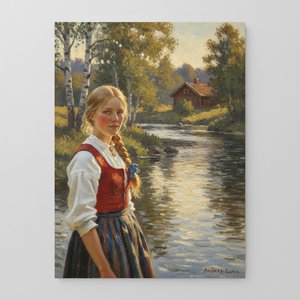
Anders Zorn: A Master of Swedish Impressionism & Ephemeral Light
Explore the life & art of Anders Zorn, a celebrated Swedish Impressionist painter renowned for his masterful portraits, vibrant watercolors, and captivating etchings. Discover his legacy at OriginalUniqueArt.

Nagość w Sztuce: Od Klasycznej Harmonii do Współczesnych Interpretacji
Odkryj fascynującą historię nagiego ciała w sztuce – od antycznych ideałów piękna po współczesne interpretacje. Analiza symboliki, wpływ humanizmu i klasycyzmu na przedstawianie formy ludzkiej. Ekspercka analiza obrazów.
