

 Wyślij
 Udostępnij
 Szczegóły
 Przewodnik

 Pobierz plik obrazu
 Podobne obiekty
 Pokaz slajdów
 Statystyki
Untitled


 Czytaj więcej
Dzieło sztuki prezentowane na tej stronie podlega ochronie prawem autorskim, co oznacza, że nie mamy prawa do tworzenia ani sprzedaży jego identycznej reprodukcji. Ochrona ta jest egzekwowana na mocy umów międzynarodowych, takich jak Konwencja berneńska oraz przez przepisy prawa krajowego, w tym te określone w Prawo autorskie USA – Tytuł 17.
Jako pełną szacunku i legalną alternatywę oferujemy personalizowane, malowane ręcznie dzieła sztuki inspirowane oryginałem. Nasi wykwalifikowani i profesjonalni artyści starannie analizują styl, nastrój oraz artystyczną esencję pierwowzoru, aby stworzyć nowe, unikalne dzieło, które przywołuje te same emocje – pozostając jednocześnie w pełni oryginalną kreacją.
Metoda ta jest w pełni zgodna z przepisami prawa autorskiego, ponieważ nie polega na kopiowaniu ani powielaniu chronionego dzieła. Stanowi ona kreatywną reinterpretację – nowy obraz, który czerpie inspirację z oryginału, ale nie jest z nim tożsamy.
Ręcznie malowana reprodukcja olejowa
Ręcznie malowany obraz olejny na płótnie, wykonany na zamówienie przez naszych artystów w wybranym przez Ciebie wymiarze i oprawie. ( Przełącz na wersję drukowaną Przełącz na wersję cyfrową)




































Wybierz spośród naszych standardowych rozmiarów, które zachowują oryginalne proporcje dzieła sztuki.

Wpisz wymaganą szerokość i wysokość, aby obraz pasował do Twojej ramy lub ściany. Ponieważ jest to dzieło malowane ręcznie, w przypadku rozmiaru o innym proporcji artysta może domalować nieco więcej wokół obrazu lub przyciąć fragmenty — wybór należy do Ciebie. Przed rozpoczęciem pracy prześlemy Ci cyfrową wizualizację do zatwierdzenia. Obraz widoczny na tej stronie nie przedstawia rzeczywistego efektu — jedynie wizualizacja oddaje realny rezultat.
Po złożeniu zamówienia zespół OriginalUniqueArt.com skontaktuje się z klientem drogą mailową w celu uzyskania instrukcji i prześle wizualizację projektu
Dostawa na całym świecie () w ciągu 3–4 tygodni zamiast standardowych 5 tygodni. (22 Październik). Bez kompromisów w kwestii jakości.

Bezpłatna ekspresowa wysyłka na cały świat

Wysokiej jakości płótno lniane

Pełne ubezpieczenie transportowe

Gwarancja zwrotu należności celnych i podatków importowych

Gwarancja idealnego odwzorowania barw

100-dniowy okres na zwrot dzieła w przypadku wykrycia wad produkcyjnych

Gwarancja 100% zwrotu pieniędzy

Oferta przy zakupie wielu sztuk
 Opcja ze szkłem jest dostępna wyłącznie w rozmiarach poniżej 110 cm

Untitled
Technika wykonania
Rozmiar reprodukcji
-


Suma do zapłaty
zł 1151
The Ephemeral Encounter: A Dialogue of Presence and Absence
In the profound stillness of Alwar Balasubramaniam’s Untitled, viewers are invited into a contemplative space where the boundaries between existence and disappearance begin to blur. This evocative sculptural pairing presents a transient camaraderie between two busts, one a permanent shadow and the other a fleeting breath. The work serves as a poignant meditation on the nature of memory and the inevitable erosion of time. As one bust—crafted from the delicate, aromatic substance of camphor—slowly evaporates, it leaves behind crystalline traces upon the walls of its vitrine. This process mirrors the human condition: just as a life departs, leaving only the echoes of a voice or the grain of a photograph, the sculpture’s physical form vanishes, yet its essence settles into a new, beautiful state of being.
The artistry lies in the masterful tension between the sand-cast bust and the camphor portrait. The sand-cast figure acts as a frozen moment, a stoic witness to the passing of its counterpart. It is a portrait of permanence, much like a photograph that captures a likeness long after the subject has moved on. In contrast, the camphor bust, with its eroding features and softening edges, embodies the mortal struggle against aging and decay. Through this duality, Balasubramaniam explores the concept of the self-portrait not as an attempt at immortality, but as a confrontation with our own finitude.
Materiality and the Weight of Memory
Balasubramaniam’s technique is deeply rooted in his exploration of materiality. By utilizing substances that undergo physical transformation, he elevates the sculpture from a static object to a living performance of decay. The choice of camphor is particularly symbolic; its sublimation—turning directly from solid to gas—is a powerful metaphor for the soul's departure and the ephemeral nature of physical presence. This experimental approach to medium allows the artwork to breathe and change, ensuring that no two viewings are ever truly identical.
For the discerning collector or interior designer, this piece offers more than mere decoration; it provides a profound intellectual anchor for a curated space. The interplay of light and shadow within the glass vitrine creates a sense of depth and mystery, making it an ideal centerpiece for galleries or sophisticated residential environments that value conceptual depth. The sculpture’s ability to suggest void through matter makes it a captivating addition to any collection focused on contemporary abstraction and the philosophical exploration of the human form.
A Legacy of Reflection
The historical echoes within this work are unmistakable, drawing parallels to the introspective mastery of artists like Rembrandt. Just as Rembrandt looked into his mirrors to find the specter of death within his own aging features, Balasubramaniam uses the medium of the memorial bust to question the very idea of art as an eternal realm. In an era saturated with a constant flow of digital images, this work stands as a radical inquiry into what remains when the image itself fades. It is a hauntingly beautiful tribute to the traces we leave behind—the crystalline remnants of a life well-lived, etched into the very fabric of our surroundings.
Pytania i odpowiedzi
Jakie są prawa do reprodukcji dzieła "Untitled" znajdującego się w Devi Art Foundation?
Dzieło „Untitled” autorstwa Alwar Balasubramaniam, znajdujące się w zbiorach Devi Art Foundation, znajduje się w nadal chronione prawem autorskim. Status ten określa, czy możliwe jest tworzenie reprodukcji obrazu.
Czy dzieło "Untitled" znajduje się w kraju swojego twórcy?
Tak – dzieło znajduje się w kraju pochodzenia artysty. Dzieło "Untitled" znajduje się w India, podczas gdy Alwar Balasubramaniam urodził(a) się w India.
Jak silny jest kontrast w „Untitled” autorstwa Alwar Balasubramaniam?
„Untitled” autorstwa Alwar Balasubramaniam prezentuje Statement kontrast między jasnymi a ciemnymi partiami dzieła.
Biografia artysty
Early Life and Artistic Beginnings
Alwar Balasubramaniam, known affectionately as Bala, was born in Tirunelveli, Tamil Nadu, India, in 1971. From a family steeped in artistic tradition—his father was also an artist—Bala’s formative years were marked by exposure to the visual arts from a young age. This early influence instilled within him a profound appreciation for materiality and form, shaping his lifelong dedication to sculptural practice and printmaking. He pursued formal education at Government College of Arts, Chennai, earning a Bachelor of Fine Arts degree in 1995. During this period, he honed foundational skills while simultaneously immersing himself in the exploration of diverse artistic mediums. Following graduation, Bala embarked on an independent creative journey, experimenting relentlessly with techniques and materials—a characteristic that would define his subsequent artistic endeavors.Sculptural Exploration and Material Engagement
Bala’s sculptural work is distinguished by its meticulous attention to detail and a fascination with the interplay between organic forms and geometric precision. Initially utilizing lithography, he skillfully incorporated natural elements like sand into his compositions, reflecting an early preoccupation with textural surfaces and geological processes. This approach continued in later projects where he experimented with laser burn marks and screen printing on paper—methods that underscore his willingness to push boundaries and explore innovative visual languages. Notable sculptures include *Under the Current* (2015), which captures the transformative effects of rainfall on stone landscapes, demonstrating Bala’s ability to translate natural phenomena into sculptural form. Furthermore, he developed a series of painterly works – *Wind Curve*, *Liquid Mountain*, and *Pulse* – utilizing subtle pigment manipulations to convey atmospheric conditions and spatial relationships.Conceptual Frameworks: Light, Shadow, and Absence
Bala’s artistic vision centers on confronting fundamental dichotomies—light versus shadow, presence versus absence—and investigating the hidden dimensions of perception. Influenced by artists such as Honoré Daumier and Henri Matisse, he adopted a stylistic approach characterized by bold contrasts and expressive gestures. His sculptural explorations delve into concepts of materiality and spatial emptiness, mirroring his interest in capturing fleeting moments and conveying intangible sensations. Recurring motifs include casts of his own body—a deliberate gesture symbolizing selfhood and confronting the limitations of representation—and geometric forms that evoke notions of stability and dynamism simultaneously. The artist’s preoccupation with “nothing” – as he eloquently stated – reflects a belief that emptiness possesses inherent beauty, prompting viewers to reconsider conventional understandings of visual experience.International Recognition and Exhibitions
Bala's artistic reputation grew steadily throughout the 2000s and beyond, culminating in widespread acclaim across continents. He was awarded the Joan Miro Foundation Prize in 2001, coinciding with a solo exhibition showcasing his groundbreaking sculptural explorations. Subsequent exhibitions included prominent venues such as The Metropolitan Museum of Art (MET), New York; The Museum of Modern Art (MoMA), New York; The Phillips Collection, Washington DC; Guggenheim Museum, New York; Mori Art Museum, Tokyo Japan; Kiran Nadar Museum of Art (KNMA), India; Seattle Art Museum, Seattle Washington; École des Beaux Arts, Paris France; Essl Museum Austria; National Portrait Gallery Canberra Australia; 1st Singapore Biennale; and 18th Sydney Biennale. His work has been featured in publications by Talwar Gallery and Indigo Art Museum, cementing his position as a leading voice within contemporary Indian art.Recent Developments and Ongoing Artistic Pursuit
Currently, Bala’s sculptures are on display at The Metropolitan Museum of Art (MET), New York, specifically within the “Afterlives: Contemporary Art in the Byzantine Crypt” exhibition—a testament to his enduring commitment to artistic innovation and exploration. He continues to refine his craft, experimenting with new materials and techniques while maintaining a steadfast focus on conceptual themes rooted in materiality, natural phenomena, and the human condition. His ongoing work embodies a profound engagement with the world around him, prompting viewers to contemplate questions of perception, presence, and the elusive nature of reality—a legacy that ensures Bala’s contribution to art history will resonate for generations to come.
Alwar Balasubramaniam
1971 - , India
Najważniejsze informacje
- Full Name: Alwar Balasubramaniam
- Nationality: Indian
- Date Of Birth: 1971
- Place Of Birth: Tamil Nadu, India
- Notable Artworks:
- Untitled
- Touch of Air, Traces of Time
- Artistic Movement Or Style: Contemporary Art
- Artists Who Influenced This Artist:
- Honoré Daumier
- Henri Matisse
- Artists Or Movements Influenced By This Artist:
- Nasreen Mohamedi
- Rummana Hussain
Zobacz także powiązane artykuły

10 Legendarnych Brązów Rzeźbiarskich, Które Zmieniły Sztukę | OriginalUniqueArt
Odkryj 10 legendarnych rzeźb brązowych od Rodina, Degasa i innych mistrzów! Poznaj historię powstania arcydzieł sztuki i inspiruj się do dekoracji wnętrz. Reprodukcje najwyższej jakości na OriginalUniqueArt.com – zobacz kolekcję!
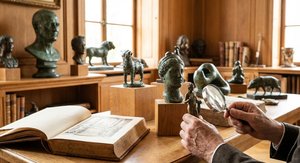
Trwała Spuścizna Rzeźby z Brązu: Przewodnik Kolekcjonera po Formie i Znaczeniu Kulturowym
Kompleksowy przewodnik po rzeźbie z brązu dla kolekcjonerów i pasjonatów sztuki. Poznaj historię, techniki, wycenę i konserwację unikalnych dzieł. Ekspercka wiedza i porady inwestycyjne.

Dziedzictwo Brązu: Techniki Odlewania, Symbolika i Kulturowy Wpływ Rzeźby
Poznaj fascynującą historię rzeźby z brązu! Odkryj techniki odlewania woskowego, symbolikę i wpływ kultury na formy. Poradniki konserwacji i inwestycji dla kolekcjonerów sztuki.

Trwałe Formy: Ewolucja Technik i Tematów w Rzeźbie Przez Wieki – Od Antyku do Renesansu
Poznaj fascynującą historię rzeźby od antyku do renesansu! Odkryj techniki, wybitnych artystów i wpływ na współczesną sztukę. Ekspercka analiza dla kolekcjonerów i miłośników.

10 Legendarnych Brązów, Które Zrewolucjonizowały Sztukę | OriginalUniqueArt
Odkryj 10 legendarnych rzeźb brązowych, które zrewolucjonizowały sztukę! Poznaj historie Rodina, Donatello i innych mistrzów. Inspiracje wnętrzarskie & reprodukcje najwyższej jakości na OriginalUniqueArt.com.