
 Podgląd w skali 1:1
 Wyślij jako kartkę
 Udostępnij
 Szczegóły dzieła
 Przewodnik

 Pobierz obraz
 Podobne obiekty
 RTG
RTG Pokaz slajdów
 Q&A
Q&A Statystyki
Auto auto-retrato

- 39.0 x 30.0 cm


 Rozwiń treść
Dzieło sztuki prezentowane na tej stronie podlega ochronie prawem autorskim, co oznacza, że nie mamy prawa do tworzenia ani sprzedaży jego identycznej reprodukcji. Ochrona ta jest egzekwowana na mocy umów międzynarodowych, takich jak Konwencja berneńska oraz przez przepisy prawa krajowego, w tym te określone w Prawo autorskie USA – Tytuł 17.
Metoda ta jest w pełni zgodna z przepisami prawa autorskiego, ponieważ nie polega na kopiowaniu ani powielaniu chronionego dzieła. Stanowi ona kreatywną reinterpretację – nowy obraz, który czerpie inspirację z oryginału, ale nie jest z nim tożsamy.
Giclée / Wydruk artystyczny
Wydruki giclée lub płótna o jakości muzealnej, szybka realizacja i szeroki wybór opcji wykończenia. ( Zamów ręcznie malowaną reprodukcję Przejdź do wersji cyfrowej)




P118B zł10

P118H zł10

P118W zł10

P438Z zł10

P508JH zł12

P508YH zł12

P805H zł10

P805Z zł10

P919BZ zł10

P919G zł10

P919XJ zł10

P959ZH zł10

P968JZ zł12

W106C zł8

W218G zł10

W218JH zł8

W218Y zł10

W307PJ zł10

W316G zł10

W316PJ zł8

W316Y zł10

W398PJ zł8

W4111J zł10

W500HY zł15

W500JH zł15

W692G zł12

W849H zł8

W940BG zł15

W953PJ zł8




Wybierz spośród naszych standardowych rozmiarów, które zachowują oryginalne proporcje dzieła sztuki.

Wpisz wymaganą szerokość i wysokość, aby dopasować grafikę do ramy lub ściany. Wydruk można jedynie przyciąć, nigdy nie powiększając go poza oryginalny obraz, dlatego format o innych proporcjach spowoduje utratę części kompozycji. Przed rozpoczęciem druku prześlemy Ci cyfrowy podgląd do zatwierdzenia. Obraz wyświetlany na tej stronie nie pokazuje rzeczywistego przycięcia — jedynie podgląd oddaje ten efekt.
Dostawa na cały świat () w ciągu 2 tygodni zamiast standardowych 4/5 tygodni. (1 Listopad)

Bezpłatna ekspresowa wysyłka na cały świat

Wysokiej jakości płótno lniane

Pełne ubezpieczenie przesyłki

Gwarancja zwrotu należności celnych i podatków importowych

Gwarancja wiernego odwzorowania kolorów

100-dniowa polityka zwrotów (tylko w przypadku wad)

Gwarancja 100% zwrotu pieniędzy

Zniżka przy zakupie wielu sztuk
 Opcja ze szkłem jest dostępna wyłącznie w rozmiarach poniżej 110 cm

Auto auto-retrato
Giclée / Wydruk artystyczny
Wymiary reprodukcji
-


Cena całkowita
zł 311
The Intimate Mirror: Exploring Álvaro Lapa's Self-Portraiture
To gaze upon an artwork by Álvaro Lapa is not merely to observe pigment on canvas; it is to enter a deeply personal, intellectual labyrinth. This piece, Auto auto-retrato, functions as more than just a likeness—it is a meditation, a self-excavation rendered with the profound weight of literary homage. The subject matter itself suggests an internal dialogue, a confrontation between the visible self and the constructed narrative surrounding it. Lapa’s approach to portraiture, as hinted at in his own writings, positions the act of painting as a fleeting process, one where thought processes from literature and philosophy become the primary medium, contorting themselves within the image's very structure.
A Study in Distortion and Color
Visually, the piece immediately arrests the viewer with its arresting palette. The central figure’s face is set against a vibrant, almost aggressive red background, an emotional field that seems to pulse beneath the surface of representation. What makes this portrait so compelling is the deliberate sense of alteration; the face appears distorted or filtered, suggesting that the self presented here is not the objective reality, but rather a curated, artistic interpretation. Scattered across this charged canvas are intriguing elements: two distinct blue objects anchor the composition in the upper left and lower right corners, acting almost like visual parentheses around the central mystery. Furthermore, the inclusion of an everyday object, such as the visible spoon on the upper left, grounds the highly abstract emotional landscape with a touch of the mundane, creating a fascinating tension between the sublime and the quotidian.
Context and Intellectual Depth
Created in 1972, this work emerges from a period where Lapa was deeply engaged with the intellectual currents of his time. His artistic practice is inextricably linked to literary admiration—a devotion to giants like Michaux, Sade, and Fernando Pessoa. These works are not simple tributes; they are self-portraits painted on the shoulders of these admired masters. This piece carries that same weight: it suggests a mind wrestling with how to depict an internal state using external artistic rules. The resulting image is thus less about physical appearance and more about intellectual inheritance, a visual echo chamber of profound literary engagement.
Emotional Resonance for the Modern Collector
For those who collect art not just for its beauty but for its conversation-starting power, Auto auto-retrato offers immense depth. It speaks to the modern condition—the feeling that our public selves are often filtered, curated, and slightly distorted versions of our true interiority. Owning this reproduction is acquiring a piece of intellectual autobiography; it invites the viewer to question their own self-portraits, to consider what elements define them, and which literary or philosophical influences shape their current view of the world. It is an object that rewards prolonged contemplation, promising endless layers of meaning.
Pytania i odpowiedzi
Czy "Auto auto-retrato" charakteryzuje się silnym kontrastem światłocienia?
Poziom kontrastu dzieła „Auto auto-retrato” – Álvaro Lapa wynosi Statement.
Czy dzieło „Auto auto-retrato” – Álvaro Lapa jest jasne czy ciemne?
Ogólnie rzecz biorąc, poziom jasności dzieła „Auto auto-retrato” określany jest jako brilliant. Postrzegana jasność opisuje, jak jasne lub ciemne wydaje się dane dzieło.
Czy w „Auto auto-retrato” – Álvaro Lapa zastosowano silne kontrasty czy raczej łagodne harmonie?
Analiza kolorystyczna dzieła „Auto auto-retrato” – Álvaro Lapa ukazuje Statement kontrast oraz Discordant Palette harmonię.
Biografia artysty
early life and education
álvaro lapa, a renowned portuguese artist, was born on july 31, 1939, in évora, portugal. he spent his formative years within the culturally isolated environment of this city during the 1940s and 1950s. lapa's interest in art and philosophy began in high school, which laid the foundation for his future endeavors. lapa graduated with a degree in philosophy from the faculty of letters at the university of lisbon, further solidifying his intellectual background. this academic pursuit would later influence his artistic approach, as seen in his works.artistic career
in 1956, lapa moved to lisbon and began his artistic career as an isolated, self-taught artist. his first solo exhibition was held at galeria 111 in lisbon in 1964, marking the beginning of his professional journey. lapa's work is characterized by a personal mythology, developed over time and structured like an enigma. he experimented with various mediums, including painting, drawing, collage, textile design, and scenography. this versatility showcases his innovative spirit and willingness to explore different artistic expressions.notable works and collections
* álvaro lapa's works can be found in several notable collections, including the new hall art collection, which features an impressive array of contemporary art pieces. /en/art/show/art-d3alr5-en/ * the ballarat fine art gallery in australia also showcases lapa's work, highlighting his global recognition. /en/art/show/art-d3c369-en/legacy and later life
álvaro lapa passed away on february 11, 2006, in porto, portugal. his legacy continues to inspire artists and art enthusiasts alike, with his unique approach to art remaining a subject of fascination.- view more of álvaro lapa's works at [https://OriginalUniqueArt.com/@/álvaro-lapa](https://OriginalUniqueArt.com/@/álvaro-lapa)
- explore the new hall art collection and its notable artists at /en/art/show/art-d3alr5-en/
- discover more about the ballarat fine art gallery and its collections at /en/art/show/art-d3c369-en/
conclusion
álvaro lapa's life and work serve as a testament to the power of art in transcending time and geographical boundaries. his legacy, now an integral part of portugal's rich cultural heritage, continues to inspire and influence contemporary artistic endeavors.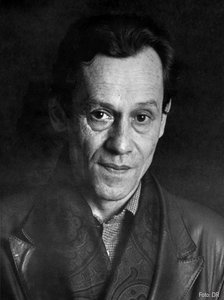
Álvaro Lapa
1939 - 2006 , Portugal
Krótka nota
- Full Name: Carolee Schneemann
- Nationality: American
- Date Of Birth: 1939
- Date Of Death: 2006
- Place Of Birth: Évora, Portugal
- Notable Artworks:
- Cézanne, She Was a Great Painter
- More than Meat Joy
- Artistic Movement Or Style:
- Performance art
- Neo-Dada
- Fluxus
- Artists Who Influenced This Artist:
- Pound
- Picasso
- Artists Or Movements Influenced By This Artist: ['Beat Generation']
Powiązane artykuły

Wewnętrzny krajobraz: Badanie tematów introspekcji w sztuce wizualnej na przestrzeni ruchów i epok
Odkryj fascynujący świat introspekcji w sztuce wizualnej! Analizujemy kluczowe ruchy artystyczne, od romantyzmu po współczesność, i badamy wpływ psychologii na twórczość. Poznaj sylwetkę Wandy Czełkowskiej i inne inspirujące przykłady.

Echo Samorefleksji: Temat Własnego Obrazu w Historii Sztuki i Współczesnej Praktyce
Odkryj fascynującą historię autoportretu w sztuce! Analiza arcydzieł van Eycka, Repina i Kirchnera. Poradnik dla kolekcjonerów: wartość inwestycyjna i emocjonalna portretów artystów.

Francis Bacon: 25 Arcydzieł Ekspresjonizmu i Wnętrza Pełne Emocji | OriginalUniqueArt.com
Poznaj 25 najbardziej znanych obrazów Francis Bacona – arcydzieł ekspresjonizmu pełnych emocji i dramatyzmu. Odkryj historię, technikę i wpływ tego wybitnego artysty. Reprodukcje najwyższej jakości na OriginalUniqueArt.com! Eksploruj kolekcję online.

Crimson Threads of Narrative: Exploring Symbolism & Representation in Artworks Featuring the Red Dress
Explore the rich symbolism of the red dress in art history! From ancient power displays to iconic portraits like Cézanne’s 'Madame Cezanne', discover the cultural and artistic significance behind this captivating color. Expert analysis & insights.
Reflecting the Self: A History of Portraiture & Psychological Insight
Explore the fascinating history of self-portraiture from Renaissance masters like Dürer & Rembrandt to modern interpretations. Discover the psychological insights and artistic techniques behind these iconic works. Expert analysis for art enthusiasts.