
 Zobacz w skali 1:1
 Wyślij
 Udostępnij
 Szczegóły
 Przewodnik

 Pobierz plik obrazu
 Podobne obiekty
 RTG
RTG Pokaz slajdów
 Statystyki
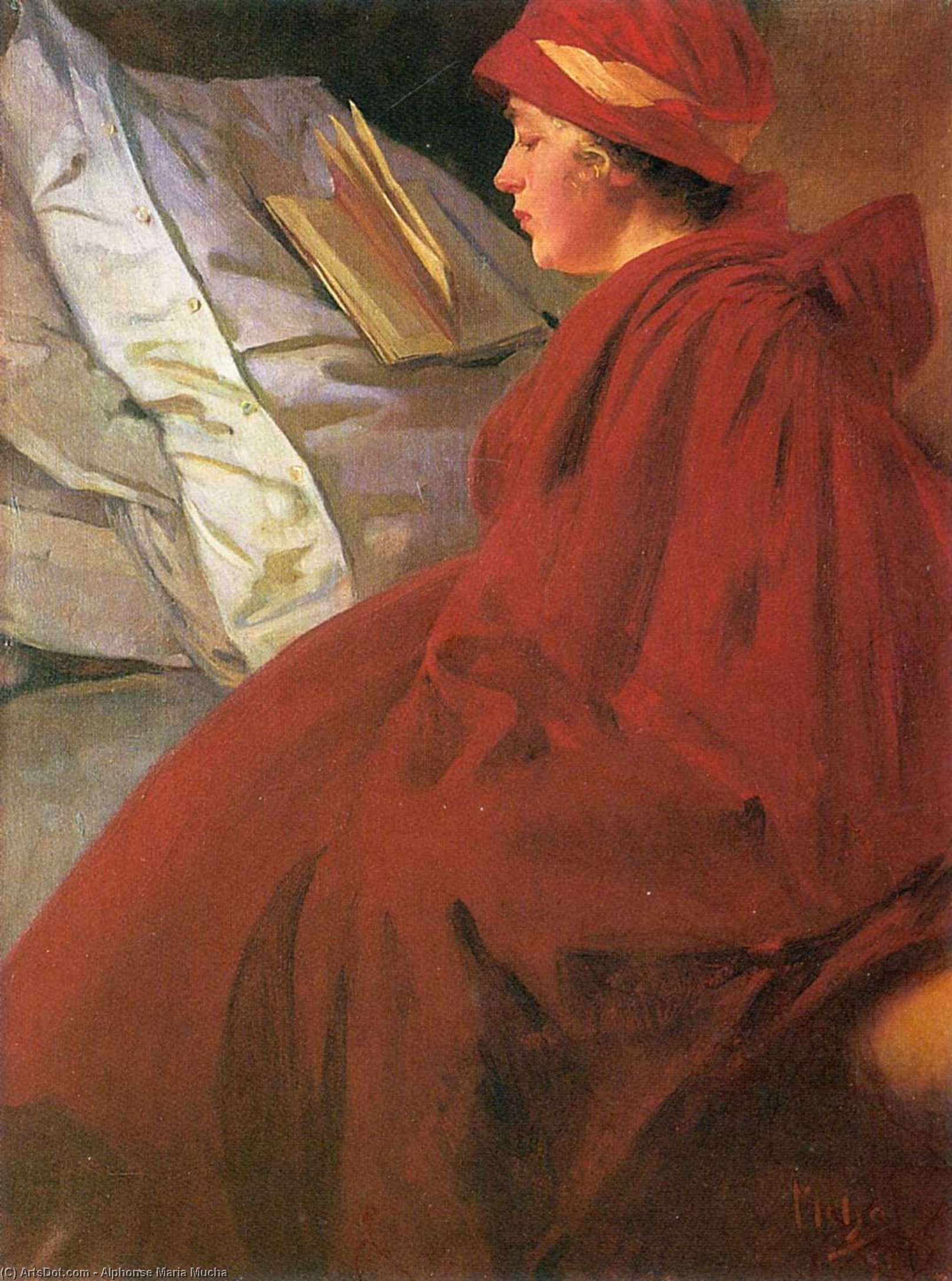
Red Coat


 Czytaj więcej
Ręcznie malowana reprodukcja olejowa
Ręcznie malowany obraz olejny na płótnie, wykonany na zamówienie przez naszych artystów w wybranym przez Ciebie wymiarze i oprawie. ( Przełącz na wersję drukowaną Przełącz na wersję cyfrową)




P118B zł10

P118H zł10

P118W zł10

P438Z zł10

P508JH zł12

P508YH zł12

P805H zł10

P805Z zł10

P919BZ zł10

P919G zł10

P919XJ zł10

P959ZH zł10

P968JZ zł12

W106C zł8

W218G zł10

W218JH zł8

W218Y zł10

W307PJ zł10

W316G zł10

W316PJ zł8

W316Y zł10

W398PJ zł8

W4111J zł10

W500HY zł15

W500JH zł15

W692G zł12

W849H zł8

W940BG zł15

W953PJ zł8




Wybierz spośród naszych standardowych rozmiarów, które zachowują oryginalne proporcje dzieła sztuki.

Wpisz wymaganą szerokość i wysokość, aby obraz pasował do Twojej ramy lub ściany. Ponieważ jest to dzieło malowane ręcznie, w przypadku rozmiaru o innym proporcji artysta może domalować nieco więcej wokół obrazu lub przyciąć fragmenty — wybór należy do Ciebie. Przed rozpoczęciem pracy prześlemy Ci cyfrową wizualizację do zatwierdzenia. Obraz widoczny na tej stronie nie przedstawia rzeczywistego efektu — jedynie wizualizacja oddaje realny rezultat.
Po złożeniu zamówienia zespół OriginalUniqueArt.com skontaktuje się z klientem drogą mailową w celu uzyskania instrukcji i prześle wizualizację projektu
Dostawa na całym świecie () w ciągu 3–4 tygodni zamiast standardowych 5 tygodni. (21 Październik). Bez kompromisów w kwestii jakości.

Bezpłatna ekspresowa wysyłka na cały świat

Wysokiej jakości płótno lniane

Pełne ubezpieczenie transportowe

Gwarancja zwrotu należności celnych i podatków importowych

Gwarancja idealnego odwzorowania barw

100-dniowy okres na zwrot dzieła w przypadku wykrycia wad produkcyjnych

Gwarancja 100% zwrotu pieniędzy

Oferta przy zakupie wielu sztuk
 Opcja ze szkłem jest dostępna wyłącznie w rozmiarach poniżej 110 cm

Red Coat
Technika wykonania
Rozmiar reprodukcji
-


Suma do zapłaty
zł 1139
A Symphony of Crimson and Contemplation
In the heart of the Belle Époque, where the air of Paris hummed with the energy of artistic revolution, Alphonse Mucha captured a moment that transcends time. "The Red Coat," completed in 1902, is far more than a mere portrait; it is a visual distillation of the Art Nouveau spirit, an era defined by its reverence for organic fluidity and luminous grace. As one gazes upon this masterpiece, the eye is immediately arrested by the striking presence of a woman seated in quiet repose, her figure draped in a cloak of such profound scarlet that it seems to pulse with a life of its own. This is not just a study of a subject, but an exploration of how color and form can converge to evoke a sense of deep, scholarly engagement.
The painting serves as a breathtaking example of Mucha’s ability to blend the decorative elegance of his famous posters with a more intimate, impressionistic sensibility. While much of his fame rests upon the sinuous, graphic lines of his lithographs, "The Red Coat" reveals a painterly depth that celebrates texture and light. The technique is characterized by thick, deliberate applications of oil paint, where loose brushstrokes dance across the canvas to create a surface that feels tactile and alive. Rather than pursuing the cold precision of academic realism, Mucha prioritively captures the atmosphere—the way light filters through an unseen window to bathe the subject in a warm, diffused glow, softening the edges of her world and inviting the viewer into her private sanctuary of thought.
Symbolism and the Soul of Art Nouveau
Beyond its aesthetic splendor, the artwork is rich with symbolic resonance, making it a profound choice for collectors who seek depth in their acquisitions. The central figure, absorbed in the act of reading, embodies the intellectual vitality that Mucha often sought to celebrate. The book she holds is not merely an object, but a symbol of knowledge, discovery, and the quiet power of the mind. This theme of intellectual pursuit is beautifully contrasted by the visceral energy of her attire. The red of her coat—a bold, commanding hue—serves as a powerful metaphor for passion, courage, and the very heartbeat of existence. It provides a striking focal point that anchors the composition amidst the more muted, blurred tones of the background.
For the interior designer or the discerning art lover, "The Red Coat" offers an unparalleled emotional landscape. The painting’s palette of deep reds, warm browns, and soft ochres creates a sense of sophisticated warmth, making it an ideal centerpiece for spaces designed for reflection, such as a private library, a study, or a luxurious lounge. The shallow perspective and the way the figure seems to occupy a space just within reach of the viewer create an intimate connection, pulling the observer into her contemplative state. To possess a reproduction of this work is to bring more than just decoration into a room; it is to invite a sense of timeless elegance, a quiet strength, and the enduring beauty of a moment frozen in a flowing, crimson line.
Pytania i odpowiedzi
Skąd pochodzą odwiedzający „Red Coat” autorstwa Alfons Mucha?
Statystyki dotyczące „Red Coat” autorstwa Alfons Mucha znajdują się na stronie Statystyki dzieła: obejmują one miesięczną liczbę odwiedzin danego dzieła, wizyty przy pracach artysty oraz podział ostatnich odwiedzających według krajów i języków.
Jakiej techniki użyto do wykonania „Red Coat” autorstwa Alfons Mucha?
„Red Coat” wykonano w technice Oil On Canvas.
Gdzie mogę pobrać „Red Coat” autorstwa Alfons Mucha?
Możliwość pobrania dzieła „Red Coat”: strona Pobierz oferuje wysokiej rozdzielczości cyfrowe zdjęcie do pobrania.
Biografia artysty
Wczesne Lata i Edukacja
Alphonse Maria Mucha urodził się 15 lipca 1860 roku w Ivancice, małym miasteczku w Morawskiej Brandenburgii (dzisiejsza Czechia). Już od najmłodszych lat wykazując talent artystyczny, Mucha fascynował się malarstwem i dekoracjami. Początkowo uczył się rysunku samodzielnie, a następnie studiował na Akademii Sztuk Pięknych w Pradze, choć szybko znużyło go tradycyjne podejście do sztuki. W 1887 roku przeniósł się do Paryża, aby realizować swoje własne wizje artystyczne i odnaleźć swój unikalny styl.
Styl Artystyczny i Znaczące Dzieła
Muchy twórczość charakteryzuje się wyjątkowym stylem Art Nouveau – secesją, który łączy w sobie eleganckie linie, organiczne formy i wrażenie ruchu. Był pod wpływem takich artystów jak Pierre-Auguste Renoir i Gustave Moreau, a jego prace często odzwierciedlają piękno i delikatność, które były popularne w tamtych czasach. Jednym z najbardziej rozpoznawalnych elementów jego stylu jest przedstawianie idealizowanych kobiet w płynnych szatach, otoczonych bujnymi kwiatami i liśćmi – symbolami kobiecości, natury i piękna. Mucha był mistrzem w tworzeniu kompozycji, które emanowały harmonią i subtelnym wdziękiem.
Do jego najważniejszych dzieł należą:
- Powstanie Słowiańskie – obraz, który łączy tradycyjne motywy słowiańskie z nowoczesnymi elementami Art Nouveau, ukazując bogatą historię i kulturę regionu.
- Salon des Cent – monumentalna instalacja wystawowa, która zapoczątkowała jego międzynarodową karierę.
- Obrazy inspirowane dziełami Gustava Moreau, takimi jak Córki Tespia i Szaleńczą Drużynę Gobelinów – świadectwo jego fascynacji symbolizmem i literaturą.
- Ilustracje oparte na obrazie Młyniarki Leniny autorstwa Sir Huberta von Herkomera – przykład połączenia sztuki i codziennego życia.
Sukces z Sarah Bernhardt
Przełom w karierze Muchy nastąpił dzięki współpracy z słynną aktorką Sarah Bernhardt. W 1894 roku zaprojektował dla niej plakat do spektaklu Gismonda, który natychmiast stał się hitem i zapewnił mu uznanie publiczne oraz możliwość dalszej pracy z Bernhardt. Wraz z aktorką stworzył serię efektownych plakatów, które stały się synonimem Art Nouveau w Paryżu. Współpraca ta nie tylko przyniosła mu sławę, ale także otworzyła drogę do realizacji ambitnych projektów artystycznych.
Wsparcie Charlesa Richarda Crane’a i Slav Epic
W 1903 roku Mucha otrzymał wsparcie finansowe od amerykańskiego przemysłowca Charlesa Richarda Crane'a, który był pasjonatem kultury słowiańskiej. Dzięki temu mógł podjąć się monumentalnego projektu – stworzenia serii 20 obrazów przedstawiających epikę słowiańską, znanej jako Slav Epic (1912-1930). Praca nad tymi dziełami zajęła mu wiele lat i stała się jego najważniejszym osiągnięciem artystycznym. Slav Epic to nie tylko monumentalne dzieło sztuki, ale także świadectwo pasji Muchy do historii i kultury swojego regionu.
Późniejsze Lata i Dziedzictwo
Po I wojnie światowej Mucha kontynuował swoją twórczość, projektując znaczki pocztowe, banknoty oraz dokumenty rządowe dla nowo powstałej Czechosłowacji. Zmarł 14 lipca 1939 roku w Pradze, pozostawiając po sobie bogate dziedzictwo artystyczne i wpływ na rozwój Art Nouveau. Jego prace znajdują się w muzeach i kolekcjach na całym świecie, a jego styl inspiruje kolejne pokolenia artystów.

Alfons Mucha
1860 - 1939 , Czechy
Najważniejsze informacje
- Artistic Movement Or Style: Secesja, Art Nouveau
- Artists Or Movements Influenced By This Artist:
- Pro-Rafaelská škola
- Rossetti
- Artists Who Influenced This Artist:
- Renoir
- Moreau
- Date Of Birth: 15 lipca 1860
- Full Name: Alphonse Maria Mucha
- Nationality: Czeski
- Notable Artworks:
- Slavský vzpour
- Salon des Cent
- Dcery Tespia
- La Ribambelle des Gobelins
- Rozklaďáci
- Place Of Birth: Brno, Czechy
Zobacz także powiązane artykuły
Capturing the Soul: The Most Emotionally Moving Impressionist and Post-Impressionist Masterpieces
Discover the profound emotional depth of Impressionist and Post-Impressionist masterpieces. Explore how legends like Monet, Van Gogh, and Gauguin captured light and soul through evocative landscapes and vibrant brushwork for a timeless connection to art history.
10 Arcydzieł Secesji: Inspiracje dla Twojego Wnętrza | OriginalUniqueArt.com
Odkryj 10 arcydzieł Secesji! Poznaj historie Muchy, Klimta i innych mistrzów tego wyjątkowego ruchu artystycznego. Inspiracje do wnętrz i reprodukcje najwyższej jakości na OriginalUniqueArt.com. Eksploruj kolekcję online!
Alphonse Mucha: A Comprehensive Exploration of Art Nouveau's Master of Decorative Symbolism
Explore the life & art of Alphonse Mucha, master of Art Nouveau! Discover his iconic posters, stunning illustrations, and the monumental Slav Epic. A comprehensive guide for collectors & enthusiasts.

Impressionistic Realism's Finest: 10 Masterpieces for Your Home | OriginalUniqueArt
Journey through Impressionistic Realism with 10 iconic masterpieces by Monet, Renoir & Van Gogh. Explore art history, techniques & find museum-quality reproductions for your home at OriginalUniqueArt.com. Discover all masterpieces online!

Crimson Threads of Narrative: Exploring Symbolism & Representation in Artworks Featuring the Red Dress
Explore the rich symbolism of the red dress in art history! From ancient power displays to iconic portraits like Cézanne’s 'Madame Cezanne', discover the cultural and artistic significance behind this captivating color. Expert analysis & insights.