

 Zobacz w skali 1:1
 Wyślij
 Udostępnij
 Szczegóły
 Przewodnik

 Pobierz plik obrazu
 Podobne obiekty
 RTG
RTG Pokaz slajdów
 Statystyki
Holy Mount Athos


 Czytaj więcej
Ręcznie malowana reprodukcja olejowa
Ręcznie malowany obraz olejny na płótnie, wykonany na zamówienie przez naszych artystów w wybranym przez Ciebie wymiarze i oprawie. ( Przełącz na wersję drukowaną Przełącz na wersję cyfrową)




P118B zł10

P118H zł10

P118W zł10

P438Z zł10

P508JH zł12

P508YH zł12

P805H zł10

P805Z zł10

P919BZ zł10

P919G zł10

P919XJ zł10

P959ZH zł10

P968JZ zł12

W106C zł8

W218G zł10

W218JH zł8

W218Y zł10

W307PJ zł10

W316G zł10

W316PJ zł8

W316Y zł10

W398PJ zł8

W4111J zł10

W500HY zł15

W500JH zł15

W692G zł12

W849H zł8

W940BG zł15

W953PJ zł8




Wybierz spośród naszych standardowych rozmiarów, które zachowują oryginalne proporcje dzieła sztuki.

Type the width and the height you need, to fit your frame or your wall. This is hand-painted, so for a size with a different shape the artist can paint a bit more around the picture, or cut a bit — you choose. We send you a digital mockup to approve before the painting starts. The picture shown on this page does not show the real result — only the mockup does.
Po złożeniu zamówienia zespół OriginalUniqueArt.com skontaktuje się z klientem drogą mailową w celu uzyskania instrukcji i prześle wizualizację projektu
Dostawa na całym świecie () w ciągu 3–4 tygodni zamiast standardowych 5 tygodni. (14 Październik). Bez kompromisów w kwestii jakości.

Bezpłatna ekspresowa wysyłka na cały świat

Wysokiej jakości płótno lniane

Pełne ubezpieczenie transportowe

Gwarancja zwrotu należności celnych i podatków importowych

Gwarancja idealnego odwzorowania barw

100-dniowy okres na zwrot dzieła w przypadku wykrycia wad produkcyjnych

Gwarancja 100% zwrotu pieniędzy

Oferta przy zakupie wielu sztuk
 Opcja ze szkłem jest dostępna wyłącznie w rozmiarach poniżej 110 cm

Holy Mount Athos
Technika wykonania
Rozmiar reprodukcji
-


Suma do zapłaty
zł 1129
A Celestial Vision in Art Nouveau
In the luminous tapestry of Alphonse Mucha’s “Holy Mount Athos,” viewers are invited into a realm where the earthly and the divine converge through the sinuous elegance of the Art Nouveau movement. Painted during the artist's Parisian zenith, this monumental work transcends the boundaries of traditional religious iconography to become a profound meditation on spiritual transcendence. Mucha, a master of decorative symbolism, employs his signature fluid lines—reminiscent of blossoming vines and rhythmic, flowing water—to create a composition that feels less like a static image and more like a living, breathing organism. The painting captures a moment of eternal serenity, where the heavy weight of dogma is replaced by the ethereal lightness of grace.
The technical mastery on display in this piece is nothing short of breathtaking. Utilizing a rich palette of vibrant colors, Mucha orchestrates a complex interplay of light and shadow that breathes life into every figure. The background, dominated by a brilliant blue sky and bathed in warm, golden sunlight, serves as a celestial stage for the unfolding drama. Subtle details, such as the soft glow of candles positioned within the scene, add layers of intimacy to the vastness of the composition. For the discerning collector or interior designer, the painting offers a sophisticated balance of intricate detail and harmonious color, making it a commanding centerpiece capable of evoking both grandeur and peace in any curated space.
Symbolism and the Divine Feminine
At the heart of this masterpiece lies a poignant depiction of Mary, the mother of Jesus, whose presence radiates a maternal compassion and wisdom. Positioned prominently toward the left, she is bathed in an otherworldly light that pays homage to the rich traditions of Byzantine iconography. She is not merely a figure of worship but a symbol of divine femininity, surrounded by a celestial host of angels and saints. These figures, adorned in flowing robes and intricate floral embellishments, contribute to a sense of organic unity within the work. The arrangement of the thirteen visible figures creates a rhythmic movement that guides the eye through a labyrinth of sacred beauty, where every petal and fold of fabric carries a weight of spiritual significance.
This profound emotional resonance is deeply rooted in Mucha’s cultural heritage. Emerging from the artistic renaissance of Prague, the painting reflects a fervent revival of Bohemian Gothic and Byzantine motifs. By blending these historical traditions with the cosmopolitan, modern spirit of Paris, Mucha achieved a unique stylistic synthesis. The artwork does not simply portray a religious scene; it evokes an atmosphere of spiritual harmony and quiet introspection. For those seeking to bring a sense of timelessness and soulful depth into their surroundings, “Holy Mount Athos” stands as an enduring testament to the power of art to bridge the gap between the human experience and the infinite.
Pytania i odpowiedzi
W jaki sposób styl dzieła "Holy Mount Athos" odnosi się do epoki jego twórcy?
"Holy Mount Athos" należy do nurtu Art Nouveau Art Nouveau, a jego twórca tworzył w epoce – Wiek XIX.
Czy istnieje przewodnik dla „Holy Mount Athos” autorstwa Alfons Mucha?
Przewodnik po "Holy Mount Athos" to strona Przewodnik dzieła sztuki – nadrukowalna karta informacyjna prezentująca utwór wraz z podpisem, informacją o autorstwie oraz tabelą danych (artysta, daty, technika, wymiary oryginału, kolekcja).
Jakie emocje przekazuje dzieło "Holy Mount Athos" należące do nurtu Art Nouveau Art Nouveau?
"Holy Mount Athos" niesie ze sobą Calm wydźwięk emocjonalny w obrębie nurtu Art Nouveau Art Nouveau.
Biografia artysty
Wczesne Lata i Edukacja
Alphonse Maria Mucha urodził się 15 lipca 1860 roku w Ivancice, małym miasteczku w Morawskiej Brandenburgii (dzisiejsza Czechia). Już od najmłodszych lat wykazując talent artystyczny, Mucha fascynował się malarstwem i dekoracjami. Początkowo uczył się rysunku samodzielnie, a następnie studiował na Akademii Sztuk Pięknych w Pradze, choć szybko znużyło go tradycyjne podejście do sztuki. W 1887 roku przeniósł się do Paryża, aby realizować swoje własne wizje artystyczne i odnaleźć swój unikalny styl.
Styl Artystyczny i Znaczące Dzieła
Muchy twórczość charakteryzuje się wyjątkowym stylem Art Nouveau – secesją, który łączy w sobie eleganckie linie, organiczne formy i wrażenie ruchu. Był pod wpływem takich artystów jak Pierre-Auguste Renoir i Gustave Moreau, a jego prace często odzwierciedlają piękno i delikatność, które były popularne w tamtych czasach. Jednym z najbardziej rozpoznawalnych elementów jego stylu jest przedstawianie idealizowanych kobiet w płynnych szatach, otoczonych bujnymi kwiatami i liśćmi – symbolami kobiecości, natury i piękna. Mucha był mistrzem w tworzeniu kompozycji, które emanowały harmonią i subtelnym wdziękiem.
Do jego najważniejszych dzieł należą:
- Powstanie Słowiańskie – obraz, który łączy tradycyjne motywy słowiańskie z nowoczesnymi elementami Art Nouveau, ukazując bogatą historię i kulturę regionu.
- Salon des Cent – monumentalna instalacja wystawowa, która zapoczątkowała jego międzynarodową karierę.
- Obrazy inspirowane dziełami Gustava Moreau, takimi jak Córki Tespia i Szaleńczą Drużynę Gobelinów – świadectwo jego fascynacji symbolizmem i literaturą.
- Ilustracje oparte na obrazie Młyniarki Leniny autorstwa Sir Huberta von Herkomera – przykład połączenia sztuki i codziennego życia.
Sukces z Sarah Bernhardt
Przełom w karierze Muchy nastąpił dzięki współpracy z słynną aktorką Sarah Bernhardt. W 1894 roku zaprojektował dla niej plakat do spektaklu Gismonda, który natychmiast stał się hitem i zapewnił mu uznanie publiczne oraz możliwość dalszej pracy z Bernhardt. Wraz z aktorką stworzył serię efektownych plakatów, które stały się synonimem Art Nouveau w Paryżu. Współpraca ta nie tylko przyniosła mu sławę, ale także otworzyła drogę do realizacji ambitnych projektów artystycznych.
Wsparcie Charlesa Richarda Crane’a i Slav Epic
W 1903 roku Mucha otrzymał wsparcie finansowe od amerykańskiego przemysłowca Charlesa Richarda Crane'a, który był pasjonatem kultury słowiańskiej. Dzięki temu mógł podjąć się monumentalnego projektu – stworzenia serii 20 obrazów przedstawiających epikę słowiańską, znanej jako Slav Epic (1912-1930). Praca nad tymi dziełami zajęła mu wiele lat i stała się jego najważniejszym osiągnięciem artystycznym. Slav Epic to nie tylko monumentalne dzieło sztuki, ale także świadectwo pasji Muchy do historii i kultury swojego regionu.
Późniejsze Lata i Dziedzictwo
Po I wojnie światowej Mucha kontynuował swoją twórczość, projektując znaczki pocztowe, banknoty oraz dokumenty rządowe dla nowo powstałej Czechosłowacji. Zmarł 14 lipca 1939 roku w Pradze, pozostawiając po sobie bogate dziedzictwo artystyczne i wpływ na rozwój Art Nouveau. Jego prace znajdują się w muzeach i kolekcjach na całym świecie, a jego styl inspiruje kolejne pokolenia artystów.

Alfons Mucha
1860 - 1939 , Czechy
Najważniejsze informacje
- Artistic Movement Or Style: Secesja, Art Nouveau
- Artists Or Movements Influenced By This Artist:
- Pro-Rafaelská škola
- Rossetti
- Artists Who Influenced This Artist:
- Renoir
- Moreau
- Date Of Birth: 15 lipca 1860
- Full Name: Alphonse Maria Mucha
- Nationality: Czeski
- Notable Artworks:
- Slavský vzpour
- Salon des Cent
- Dcery Tespia
- La Ribambelle des Gobelins
- Rozklaďáci
- Place Of Birth: Brno, Czechy
Zobacz także powiązane artykuły
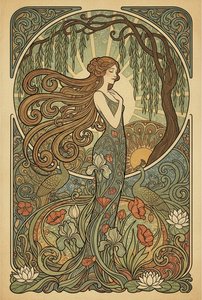
Płynąca Linia i Kwitnące Formy: Dziedzictwo Estetyczne Secesji
Odkryj fascynujący świat secesji! Poznaj historię, charakterystyczne cechy i wpływ tego wyjątkowego stylu na architekturę, sztukę i design. Ekspercka analiza i inspiracje dla miłośników estetyki.
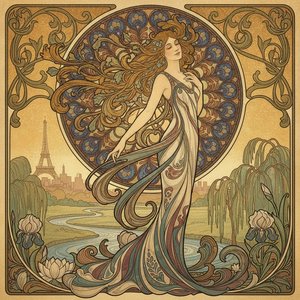
The Elegance of Art Nouveau: Embracing Nature's Fluid Beauty and the Belle Époque Spirit
Discover the enchanting world of Art Nouveau. Explore the organic beauty, flowing lines, and Belle Époque elegance that defined an era of unparalleled craftsmanship and natural inspiration.
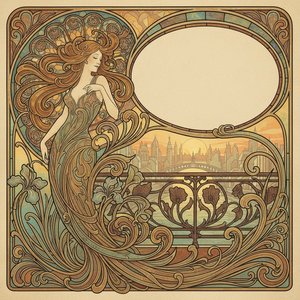
Timeless Elegance: A Curated Guide to the Flowing Beauty of Art Nouveau Masterpieces
Discover the enchanting world of Art Nouveau. Explore the flowing lines of Alphonse Mucha and learn how to integrate these timeless, organic masterpieces into your collection with expert guidance on fine art appreciation and preservation.
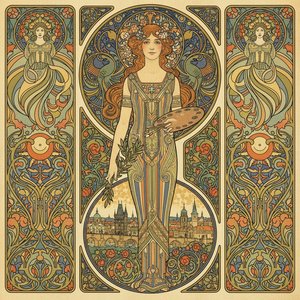
Alphonse Mucha: A Comprehensive Exploration of Art Nouveau's Master of Decorative Symbolism
Explore the life & art of Alphonse Mucha, master of Art Nouveau! Discover his iconic posters, stunning illustrations, and the monumental Slav Epic. A comprehensive guide for collectors & enthusiasts.
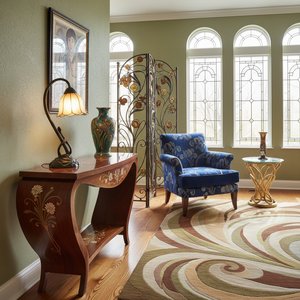
10 Arcydzieł Secesji: Inspiracje dla Twojego Wnętrza | OriginalUniqueArt.com
Odkryj 10 arcydzieł Secesji! Poznaj historie Muchy, Klimta i innych mistrzów tego wyjątkowego ruchu artystycznego. Inspiracje do wnętrz i reprodukcje najwyższej jakości na OriginalUniqueArt.com. Eksploruj kolekcję online!