

 Zobacz w skali 1:1
 Wyślij
 Udostępnij
 Szczegóły
 Przewodnik

 Pobierz plik obrazu
 Podobne obiekty
 RTG
RTG Pokaz slajdów
 Statystyki
Fate


 Czytaj więcej
Giclée / Wydruk artystyczny
Wydruki giclée lub płótna o jakości muzealnej, szybka realizacja i szeroki wybór opcji wykończenia. ( Kup ręcznie malowany obraz Przełącz na wersję cyfrową)




P118B zł10

P118H zł10

P118W zł10

P438Z zł10

P508JH zł12

P508YH zł12

P805H zł10

P805Z zł10

P919BZ zł10

P919G zł10

P919XJ zł10

P959ZH zł10

P968JZ zł12

W106C zł8

W218G zł10

W218JH zł8

W218Y zł10

W307PJ zł10

W316G zł10

W316PJ zł8

W316Y zł10

W398PJ zł8

W4111J zł10

W500HY zł15

W500JH zł15

W692G zł12

W849H zł8

W940BG zł15

W953PJ zł8




Wybierz spośród naszych standardowych rozmiarów, które zachowują oryginalne proporcje dzieła sztuki.

Możesz wprowadzić własne wymiary, aby dopasować dzieło do konkretnej ramy lub przestrzeni. Jeśli wybrany rozmiar nie będzie odpowiadał proporcjom oryginalnego obrazu, przytniecie dzieło lub rozszerzymy obraz za pomocą odbicia lustrzanego lub jednolitego wypełnienia krawędzi. Przed rozpoczęciem produkcji prześlemy cyfrową wizualizację do Twojej akceptacji.
Prosimy pamiętać, że podgląd na ekranie nie odzwierciedla faktycznego przycinania ani rozszerzania. Tylko wizualizacja dokładnie pokaże końcową kompozycję.
Mimo dostępności niestandardowych rozmiarów, zalecamy wybór wymiaru z listy zdefiniowanej, aby zachować oryginalne proporcje.
Dostawa na cały świat () w ciągu 2 tygodni zamiast standardowych 4/5 tygodni. (13 Październik)

Bezpłatna ekspresowa wysyłka na cały świat

Wysokiej jakości płótno lniane

Pełne ubezpieczenie transportowe

Gwarancja zwrotu należności celnych i podatków importowych

Gwarancja idealnego odwzorowania barw

100-dniowy okres na zwrot dzieła w przypadku wykrycia wad produkcyjnych

Gwarancja 100% zwrotu pieniędzy

Oferta przy zakupie wielu sztuk
 Opcja ze szkłem jest dostępna wyłącznie w rozmiarach poniżej 110 cm

Fate
Giclée / Wydruk artystyczny
Rozmiar reprodukcji
-


Suma do zapłaty
zł 301
The Enigma of Destiny: Unveiling Mucha’s "Fate"
In the pantheon of Art Nouveau, few names resonate with as much grace and decorative mastery as Alphonse Mucha. His work, often characterized by a seamless marriage of fine art and ornamental elegance, finds one of its most profound expressions in the painting "Fate." This arresting portrait transcends mere representation, inviting the viewer into a silent, contemplative dialogue. At first glance, the composition presents two women, their figures positioned with a striking symmetry that anchors the frame. Yet, there is an immediate sense of mystery; each woman uses her hand to obscure her face, creating a veil of anonymity that suggests a deep, internal world hidden from the observer. This deliberate act of concealment serves as a gateway to the piece's deeper emotional resonance, evoking feelings of vulnerability, introspection, and the profound weight of the unknown.
The technical brilliance of Mucha is on full display through his signature use of organic, undulating lines—the very heartbeat of the Art Nouveau movement. The drapery that cascades around the central figures does not merely hang; it flows with a rhythmic vitality, mimicking the fluid motion of wind or water. This sinuousness provides a breathtaking contrast to the more rigid, rectilinear elements within the scene, such as the dining table and the delicate cups placed in the background. Through this masterful manipulation of geometry, Much and his contemporaries sought to break away from the mechanical rigidity of the industrial age, instead celebrating the rhythmic pulse of the natural world. For the collector or interior designer, this interplay of soft curves and structured forms offers a sophisticated visual balance that can anchor a room with both movement and stability.
Symbolism and the Soul of Art Nouveau
Beyond its aesthetic allure, "Fate" is a tapestry woven with rich symbolic threads drawn from Slavic folklore and Christian iconography. The act of covering one's eyes is far more than a stylistic choice; it represents a spiritual retreat—an attempt to turn away from the distractions of the material world to grasp the elusive nature of destiny itself. The dining table, visible in the soft-focus background, serves as a poignant symbol of nourishment and communion, suggesting that even amidst the uncertainty of life's journey, there remains a fundamental human need for connection and sustenance. This duality—the tension between the external world of social ritual and the internal world of spiritual searching—is what gives the painting its enduring psychological depth.
The color palette further enhances this atmosphere of quiet intrigue. By utilizing muted tones of beige, pale green, and soft earth hues, Mucha creates a dreamlike environment that feels both timeless and ethereal. This subdued chromatic range ensures that the focus remains on the emotional gestures of the subjects rather than being overwhelmed by vibrant spectacle. For those seeking to incorporate a piece of history into a modern living space, a high-quality reproduction of "Fate" offers more than just decoration; it provides a window into the Belle Époque, bringing an aura of intellectual contemplation and sophisticated mystery to any curated collection or thoughtfully designed interior.
Pytania i odpowiedzi
Jaki nastrój i emocje wyraża „Fate” autorstwa Alfons Mucha?
W "Fate" nastrojowi Elegant towarzyszy emocja Mysterious.
W jakim pomieszczeniu najlepiej wyeksponować "Fate", biorąc pod uwagę jego paletę barw?
Dzięki swojej palecie barw Neutrals, dzieło „Fate” autorstwa Alfons Mucha jest polecane do Living Room. Kolorystyka stanowi jedną z przyczyn tej sugestii.
Jaka jest luminancja dzieła „Fate” autorstwa Alfons Mucha?
„Fate” autorstwa Alfons Mucha ma luminancję na poziomie Bright Balance. Luminancja określa, jak dużą ilość światła zdają się odbijać kolory.
Gdzie najlepiej powiesić reprodukcję „Fate” autorstwa Alfons Mucha?
Format Square dzieła „Fate” autorstwa Alfons Mucha jest rekomendowany do Living Room. Format oraz przestrzeń wspólnie pomagają w odpowiednim rozmieszczeniu reprodukcji.
Jak bardzo znane jest dzieło "Fate" autorstwa Alfons Mucha?
"Fate" jest klasyfikowane jako Iconic.
W jakim układzie znajduje się „Fate” autorstwa Alfons Mucha?
Dzieło „Fate” autorstwa Alfons Mucha ma format Square. Format ten określa proporcje kompozycji.
Czy istnieją dzieła podobne do „Fate”?
Strona Podobne dzieła dzieła „Fate” autorstwa Alfons Mucha prezentuje powiązane utwory.
Jakiej kolorystyki używa "Fate"?
Kolory dzieła "Fate" tworzą Neutrals paletę barw. Klasyfikacja ta opisuje dominujące rodziny kolorystyczne.
Biografia artysty
Wczesne Lata i Edukacja
Alphonse Maria Mucha urodził się 15 lipca 1860 roku w Ivancice, małym miasteczku w Morawskiej Brandenburgii (dzisiejsza Czechia). Już od najmłodszych lat wykazując talent artystyczny, Mucha fascynował się malarstwem i dekoracjami. Początkowo uczył się rysunku samodzielnie, a następnie studiował na Akademii Sztuk Pięknych w Pradze, choć szybko znużyło go tradycyjne podejście do sztuki. W 1887 roku przeniósł się do Paryża, aby realizować swoje własne wizje artystyczne i odnaleźć swój unikalny styl.
Styl Artystyczny i Znaczące Dzieła
Muchy twórczość charakteryzuje się wyjątkowym stylem Art Nouveau – secesją, który łączy w sobie eleganckie linie, organiczne formy i wrażenie ruchu. Był pod wpływem takich artystów jak Pierre-Auguste Renoir i Gustave Moreau, a jego prace często odzwierciedlają piękno i delikatność, które były popularne w tamtych czasach. Jednym z najbardziej rozpoznawalnych elementów jego stylu jest przedstawianie idealizowanych kobiet w płynnych szatach, otoczonych bujnymi kwiatami i liśćmi – symbolami kobiecości, natury i piękna. Mucha był mistrzem w tworzeniu kompozycji, które emanowały harmonią i subtelnym wdziękiem.
Do jego najważniejszych dzieł należą:
- Powstanie Słowiańskie – obraz, który łączy tradycyjne motywy słowiańskie z nowoczesnymi elementami Art Nouveau, ukazując bogatą historię i kulturę regionu.
- Salon des Cent – monumentalna instalacja wystawowa, która zapoczątkowała jego międzynarodową karierę.
- Obrazy inspirowane dziełami Gustava Moreau, takimi jak Córki Tespia i Szaleńczą Drużynę Gobelinów – świadectwo jego fascynacji symbolizmem i literaturą.
- Ilustracje oparte na obrazie Młyniarki Leniny autorstwa Sir Huberta von Herkomera – przykład połączenia sztuki i codziennego życia.
Sukces z Sarah Bernhardt
Przełom w karierze Muchy nastąpił dzięki współpracy z słynną aktorką Sarah Bernhardt. W 1894 roku zaprojektował dla niej plakat do spektaklu Gismonda, który natychmiast stał się hitem i zapewnił mu uznanie publiczne oraz możliwość dalszej pracy z Bernhardt. Wraz z aktorką stworzył serię efektownych plakatów, które stały się synonimem Art Nouveau w Paryżu. Współpraca ta nie tylko przyniosła mu sławę, ale także otworzyła drogę do realizacji ambitnych projektów artystycznych.
Wsparcie Charlesa Richarda Crane’a i Slav Epic
W 1903 roku Mucha otrzymał wsparcie finansowe od amerykańskiego przemysłowca Charlesa Richarda Crane'a, który był pasjonatem kultury słowiańskiej. Dzięki temu mógł podjąć się monumentalnego projektu – stworzenia serii 20 obrazów przedstawiających epikę słowiańską, znanej jako Slav Epic (1912-1930). Praca nad tymi dziełami zajęła mu wiele lat i stała się jego najważniejszym osiągnięciem artystycznym. Slav Epic to nie tylko monumentalne dzieło sztuki, ale także świadectwo pasji Muchy do historii i kultury swojego regionu.
Późniejsze Lata i Dziedzictwo
Po I wojnie światowej Mucha kontynuował swoją twórczość, projektując znaczki pocztowe, banknoty oraz dokumenty rządowe dla nowo powstałej Czechosłowacji. Zmarł 14 lipca 1939 roku w Pradze, pozostawiając po sobie bogate dziedzictwo artystyczne i wpływ na rozwój Art Nouveau. Jego prace znajdują się w muzeach i kolekcjach na całym świecie, a jego styl inspiruje kolejne pokolenia artystów.

Alfons Mucha
1860 - 1939 , Czechy
Najważniejsze informacje
- Artistic Movement Or Style: Secesja, Art Nouveau
- Artists Or Movements Influenced By This Artist:
- Pro-Rafaelská škola
- Rossetti
- Artists Who Influenced This Artist:
- Renoir
- Moreau
- Date Of Birth: 15 lipca 1860
- Full Name: Alphonse Maria Mucha
- Nationality: Czeski
- Notable Artworks:
- Slavský vzpour
- Salon des Cent
- Dcery Tespia
- La Ribambelle des Gobelins
- Rozklaďáci
- Place Of Birth: Brno, Czechy
Zobacz także powiązane artykuły

Gustav Klimt: 25 Arcydzieł Pełnych Złota i Symboliki | OriginalUniqueArt.com
Odkryj 25 arcydzieł Gustava Klimta – od 'Pocałunku' po 'Kobietę w złocie'. Poznaj historię, symbolikę i technikę malarstwa secesyjnego. Reprodukcje najwyższej jakości na OriginalUniqueArt.com! Eksploruj pełną kolekcję online.
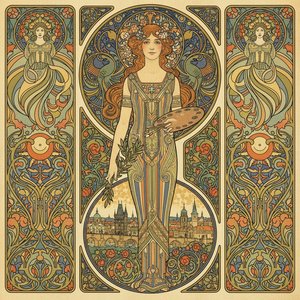
Alphonse Mucha: A Comprehensive Exploration of Art Nouveau's Master of Decorative Symbolism
Explore the life & art of Alphonse Mucha, master of Art Nouveau! Discover his iconic posters, stunning illustrations, and the monumental Slav Epic. A comprehensive guide for collectors & enthusiasts.
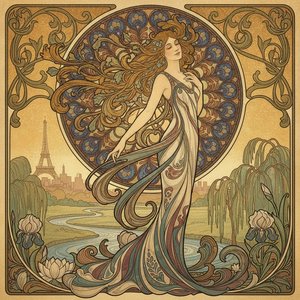
The Elegance of Art Nouveau: Embracing Nature's Fluid Beauty and the Belle Époque Spirit
Discover the enchanting world of Art Nouveau. Explore the organic beauty, flowing lines, and Belle Époque elegance that defined an era of unparalleled craftsmanship and natural inspiration.
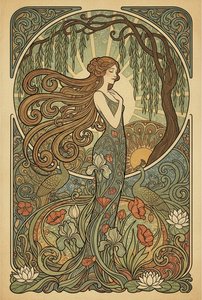
Płynąca Linia i Kwitnące Formy: Dziedzictwo Estetyczne Secesji
Odkryj fascynujący świat secesji! Poznaj historię, charakterystyczne cechy i wpływ tego wyjątkowego stylu na architekturę, sztukę i design. Ekspercka analiza i inspiracje dla miłośników estetyki.
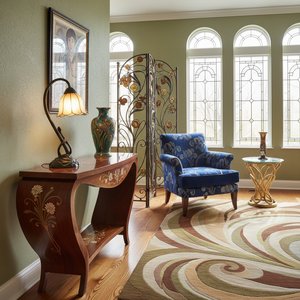
10 Arcydzieł Secesji: Inspiracje dla Twojego Wnętrza | OriginalUniqueArt.com
Odkryj 10 arcydzieł Secesji! Poznaj historie Muchy, Klimta i innych mistrzów tego wyjątkowego ruchu artystycznego. Inspiracje do wnętrz i reprodukcje najwyższej jakości na OriginalUniqueArt.com. Eksploruj kolekcję online!