

 Zobacz w skali 1:1
 Wyślij
 Udostępnij
 Szczegóły
 Przewodnik

 Pobierz plik obrazu
 Podobne obiekty
 RTG
RTG Pokaz slajdów
 Statystyki
(82)


 Czytaj więcej
Giclée / Wydruk artystyczny
Wydruki giclée lub płótna o jakości muzealnej, szybka realizacja i szeroki wybór opcji wykończenia. ( Kup ręcznie malowany obraz Przełącz na wersję cyfrową)




P118B zł10

P118H zł10

P118W zł10

P438Z zł10

P508JH zł12

P508YH zł12

P805H zł10

P805Z zł10

P919BZ zł10

P919G zł10

P919XJ zł10

P959ZH zł10

P968JZ zł12

W106C zł8

W218G zł10

W218JH zł8

W218Y zł10

W307PJ zł10

W316G zł10

W316PJ zł8

W316Y zł10

W398PJ zł8

W4111J zł10

W500HY zł15

W500JH zł15

W692G zł12

W849H zł8

W940BG zł15

W953PJ zł8




Wybierz spośród naszych standardowych rozmiarów, które zachowują oryginalne proporcje dzieła sztuki.

Możesz wprowadzić własne wymiary, aby dopasować dzieło do konkretnej ramy lub przestrzeni. Jeśli wybrany rozmiar nie będzie odpowiadał proporcjom oryginalnego obrazu, przytniecie dzieło lub rozszerzymy obraz za pomocą odbicia lustrzanego lub jednolitego wypełnienia krawędzi. Przed rozpoczęciem produkcji prześlemy cyfrową wizualizację do Twojej akceptacji.
Prosimy pamiętać, że podgląd na ekranie nie odzwierciedla faktycznego przycinania ani rozszerzania. Tylko wizualizacja dokładnie pokaże końcową kompozycję.
Mimo dostępności niestandardowych rozmiarów, zalecamy wybór wymiaru z listy zdefiniowanej, aby zachować oryginalne proporcje.
Dostawa na cały świat () w ciągu 2 tygodni zamiast standardowych 4/5 tygodni. (13 Październik)

Bezpłatna ekspresowa wysyłka na cały świat

Wysokiej jakości płótno lniane

Pełne ubezpieczenie transportowe

Gwarancja zwrotu należności celnych i podatków importowych

Gwarancja idealnego odwzorowania barw

100-dniowy okres na zwrot dzieła w przypadku wykrycia wad produkcyjnych

Gwarancja 100% zwrotu pieniędzy

Oferta przy zakupie wielu sztuk
 Opcja ze szkłem jest dostępna wyłącznie w rozmiarach poniżej 110 cm

(82)
Giclée / Wydruk artystyczny
Rozmiar reprodukcji
-


Suma do zapłaty
zł 298
Alphonse Mucha’s *The Seasons*: A Symphony of Art Nouveau
Alphonse Mucha's *The Seasons*, created between 1896 and 1900, isn’t merely a decorative series of posters; it is a crystallized moment in the burgeoning aesthetic revolution known as Art Nouveau. Commissioned by the Parisian printer F. Champenois, these vibrant panels represent far more than just depictions of spring, summer, autumn, and winter. They embody Mucha's singular vision – a world infused with organic beauty, flowing lines, and an idealized femininity that would profoundly influence artistic trends across Europe and beyond. The sheer scale of the work—each season rendered in meticulously detailed color lithographs—demands attention, inviting viewers into a realm where nature and art coalesce seamlessly.
A Style Defined: The Essence of Art Nouveau
Mucha’s style is immediately recognizable as the cornerstone of what became known as ‘the Mucha style,’ or indeed, Art Nouveau. Rejecting the rigid academic traditions of the time, he embraced a fluid aesthetic inspired by Japanese woodblock prints and the natural world. Notice the sinuous curves of the figures' hair, the delicate rendering of floral motifs – poppies in Summer’s hair, chrysanthemums adorning Autumn’s wreath – and the overall sense of movement. The use of rich, saturated colors—deep reds, vibrant greens, and shimmering golds—further enhances this impression of luxuriousness and ethereal beauty. The influence of Gustave Moreau is evident in the fantastical elements, yet Mucha elevates these influences into a distinctly personal and powerfully romantic vision.
Symbolism Woven Within the Imagery
Each season isn’t simply a representation of a time of year; it's imbued with symbolic meaning. Spring, depicted as a young woman in white, embodies innocence and renewal – her lyre representing harmony and artistic expression. Summer, with her fiery red hair and bathing pose, evokes sensuality and abundance. Autumn, adorned with grapes, symbolizes fertility and the harvest, while Winter, cloaked in pale greens, represents contemplation and resilience. The careful selection of flora—poppies, chrysanthemums, vines, snowdrops – adds layers of meaning, connecting each figure to the natural world and reinforcing the overarching theme of cyclical beauty. The figures themselves are not just beautiful; they represent archetypes of feminine grace and power.
A Legacy of Decorative Art
*The Seasons* quickly became a sensation in Paris, establishing Mucha’s reputation as one of the foremost artists of his generation. Its influence extended far beyond the realm of decorative art, impacting fashion, jewelry design, and even architecture. The series demonstrated the commercial potential of high-quality artistic production, paving the way for the rise of Art Nouveau as a dominant aesthetic force. Today, these panels remain iconic examples of this movement, offering a captivating glimpse into a world where beauty was elevated to an art form—a testament to Mucha’s genius and his enduring contribution to the history of decorative art.
Pytania i odpowiedzi
Jakie kolory dominują w „(82)” autorstwa Alfons Mucha?
„(82)” charakteryzuje się paletą Neutrals, w której dominuje Clay (#a56226).
Jakie wnętrze najlepiej współgra z kolorystyką „(82)” autorstwa Alfons Mucha?
Dzięki swojej palecie barw Neutrals, dzieło „(82)” autorstwa Alfons Mucha jest polecane do Living Room. Kolorystyka stanowi jedną z przyczyn tej sugestii.
Gdzie mogę kupić ręcznie malowaną reprodukcję dzieła „(82)” autorstwa Alfons Mucha?
Ręcznie malowane reprodukcje dzieła „(82)” autorstwa Alfons Mucha można nabyć na stronie ta strona: ręcznie malowana reprodukcja olejowa na płótnie lnianym, zamawiając je poprzez ta strona.
Któremu artyście przypisuje się "(82)"?
„(82)” zostało stworzone przez Alfons Mucha. Informacje na tej stronie opisują oryginalne dzieło autorstwa Alfons Mucha.
Do czego zaleca się wykorzystanie reprodukcji „(82)” autorstwa Alfons Mucha?
Reprodukcja dzieła „(82)” autorstwa Alfons Mucha jest polecana do Statement. Sugestia ta wynika z tematyki, nastroju oraz kolorystyki pracy.
Jakie miejsce w dorobku twórczym Alfons Mucha zajmuje dzieło "(82)"?
"(82)" należy do nurtu Art Nouveau w twórczości Alfons Mucha, której rozpoznawalne motywy obejmują symbolic beauty, decorative art, czech national identity, folklore, art nouveau aesthetic trends, female idealization, romanticism, mucha’s signature style series.
Jak postrzegana jasność prezentuje „(82)” autorstwa Alfons Mucha?
Postrzegana jasność dzieła „(82)” autorstwa Alfons Mucha wynosi brilliant. Można ją dopasować do oświetlenia w docelowym pomieszczeniu.
Gdzie i w jakim celu zaleca się użycie "(82)"?
Dzieło „(82)” autorstwa Alfons Mucha jest polecane do Statement, najlepiej w Living Room. Zastosowanie oraz przestrzeń pomagają zdecydować, gdzie najlepiej umieścić reprodukcję.
Biografia artysty
Wczesne Lata i Edukacja
Alphonse Maria Mucha urodził się 15 lipca 1860 roku w Ivancice, małym miasteczku w Morawskiej Brandenburgii (dzisiejsza Czechia). Już od najmłodszych lat wykazując talent artystyczny, Mucha fascynował się malarstwem i dekoracjami. Początkowo uczył się rysunku samodzielnie, a następnie studiował na Akademii Sztuk Pięknych w Pradze, choć szybko znużyło go tradycyjne podejście do sztuki. W 1887 roku przeniósł się do Paryża, aby realizować swoje własne wizje artystyczne i odnaleźć swój unikalny styl.
Styl Artystyczny i Znaczące Dzieła
Muchy twórczość charakteryzuje się wyjątkowym stylem Art Nouveau – secesją, który łączy w sobie eleganckie linie, organiczne formy i wrażenie ruchu. Był pod wpływem takich artystów jak Pierre-Auguste Renoir i Gustave Moreau, a jego prace często odzwierciedlają piękno i delikatność, które były popularne w tamtych czasach. Jednym z najbardziej rozpoznawalnych elementów jego stylu jest przedstawianie idealizowanych kobiet w płynnych szatach, otoczonych bujnymi kwiatami i liśćmi – symbolami kobiecości, natury i piękna. Mucha był mistrzem w tworzeniu kompozycji, które emanowały harmonią i subtelnym wdziękiem.
Do jego najważniejszych dzieł należą:
- Powstanie Słowiańskie – obraz, który łączy tradycyjne motywy słowiańskie z nowoczesnymi elementami Art Nouveau, ukazując bogatą historię i kulturę regionu.
- Salon des Cent – monumentalna instalacja wystawowa, która zapoczątkowała jego międzynarodową karierę.
- Obrazy inspirowane dziełami Gustava Moreau, takimi jak Córki Tespia i Szaleńczą Drużynę Gobelinów – świadectwo jego fascynacji symbolizmem i literaturą.
- Ilustracje oparte na obrazie Młyniarki Leniny autorstwa Sir Huberta von Herkomera – przykład połączenia sztuki i codziennego życia.
Sukces z Sarah Bernhardt
Przełom w karierze Muchy nastąpił dzięki współpracy z słynną aktorką Sarah Bernhardt. W 1894 roku zaprojektował dla niej plakat do spektaklu Gismonda, który natychmiast stał się hitem i zapewnił mu uznanie publiczne oraz możliwość dalszej pracy z Bernhardt. Wraz z aktorką stworzył serię efektownych plakatów, które stały się synonimem Art Nouveau w Paryżu. Współpraca ta nie tylko przyniosła mu sławę, ale także otworzyła drogę do realizacji ambitnych projektów artystycznych.
Wsparcie Charlesa Richarda Crane’a i Slav Epic
W 1903 roku Mucha otrzymał wsparcie finansowe od amerykańskiego przemysłowca Charlesa Richarda Crane'a, który był pasjonatem kultury słowiańskiej. Dzięki temu mógł podjąć się monumentalnego projektu – stworzenia serii 20 obrazów przedstawiających epikę słowiańską, znanej jako Slav Epic (1912-1930). Praca nad tymi dziełami zajęła mu wiele lat i stała się jego najważniejszym osiągnięciem artystycznym. Slav Epic to nie tylko monumentalne dzieło sztuki, ale także świadectwo pasji Muchy do historii i kultury swojego regionu.
Późniejsze Lata i Dziedzictwo
Po I wojnie światowej Mucha kontynuował swoją twórczość, projektując znaczki pocztowe, banknoty oraz dokumenty rządowe dla nowo powstałej Czechosłowacji. Zmarł 14 lipca 1939 roku w Pradze, pozostawiając po sobie bogate dziedzictwo artystyczne i wpływ na rozwój Art Nouveau. Jego prace znajdują się w muzeach i kolekcjach na całym świecie, a jego styl inspiruje kolejne pokolenia artystów.

Alfons Mucha
1860 - 1939 , Czechy
Najważniejsze informacje
- Artistic Movement Or Style: Secesja, Art Nouveau
- Artists Or Movements Influenced By This Artist:
- Pro-Rafaelská škola
- Rossetti
- Artists Who Influenced This Artist:
- Renoir
- Moreau
- Date Of Birth: 15 lipca 1860
- Full Name: Alphonse Maria Mucha
- Nationality: Czeski
- Notable Artworks:
- Slavský vzpour
- Salon des Cent
- Dcery Tespia
- La Ribambelle des Gobelins
- Rozklaďáci
- Place Of Birth: Brno, Czechy
Zobacz także powiązane artykuły

The Elegance of Art Nouveau: Discovering Beauty in Nature’s Sinuous Curves and the Belle Époque Spirit
Immerse yourself in the romantic allure of Art Nouveau. Explore the sinuous curves and floral elegance of the Belle Époque through our exquisite, hand-painted reproductions. Discover a timeless connection to nature’s beauty with our museum-quality collection.
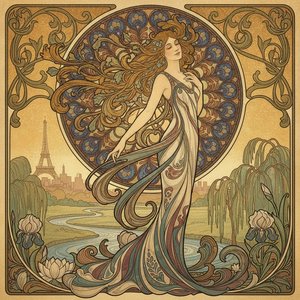
The Elegance of Art Nouveau: Embracing Nature's Fluid Beauty and the Belle Époque Spirit
Discover the enchanting world of Art Nouveau. Explore the organic beauty, flowing lines, and Belle Époque elegance that defined an era of unparalleled craftsmanship and natural inspiration.
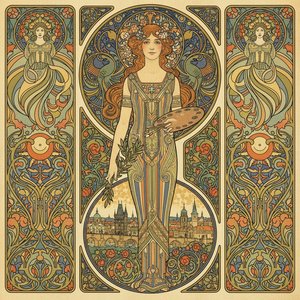
Alphonse Mucha: A Comprehensive Exploration of Art Nouveau's Master of Decorative Symbolism
Explore the life & art of Alphonse Mucha, master of Art Nouveau! Discover his iconic posters, stunning illustrations, and the monumental Slav Epic. A comprehensive guide for collectors & enthusiasts.
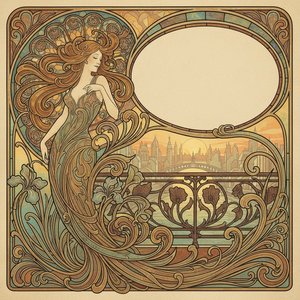
Timeless Elegance: A Curated Guide to the Flowing Beauty of Art Nouveau Masterpieces
Discover the enchanting world of Art Nouveau. Explore the flowing lines of Alphonse Mucha and learn how to integrate these timeless, organic masterpieces into your collection with expert guidance on fine art appreciation and preservation.
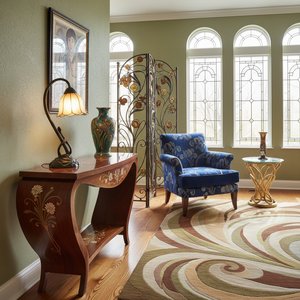
10 Arcydzieł Secesji: Inspiracje dla Twojego Wnętrza | OriginalUniqueArt.com
Odkryj 10 arcydzieł Secesji! Poznaj historie Muchy, Klimta i innych mistrzów tego wyjątkowego ruchu artystycznego. Inspiracje do wnętrz i reprodukcje najwyższej jakości na OriginalUniqueArt.com. Eksploruj kolekcję online!