

 Podgląd w skali 1:1
 Wyślij jako kartkę
 Udostępnij
 Szczegóły dzieła
 Przewodnik

 Pobierz obraz
 Podobne obiekty
 RTG
RTG Pokaz slajdów
 Q&A
Q&A Statystyki
Saint Jacques le Majeur


 Rozwiń treść
Giclée / Wydruk artystyczny
Wydruki giclée lub płótna o jakości muzealnej, szybka realizacja i szeroki wybór opcji wykończenia. ( Zamów ręcznie malowaną reprodukcję Przejdź do wersji cyfrowej)




P118B zł10

P118H zł10

P118W zł10

P438Z zł10

P508JH zł12

P508YH zł12

P805H zł10

P805Z zł10

P919BZ zł10

P919G zł10

P919XJ zł10

P959ZH zł10

P968JZ zł12

W106C zł8

W218G zł10

W218JH zł8

W218Y zł10

W307PJ zł10

W316G zł10

W316PJ zł8

W316Y zł10

W398PJ zł8

W4111J zł10

W500HY zł15

W500JH zł15

W692G zł12

W849H zł8

W940BG zł15

W953PJ zł8




Wybierz spośród naszych standardowych rozmiarów, które zachowują oryginalne proporcje dzieła sztuki.

Wpisz wymaganą szerokość i wysokość, aby dopasować grafikę do ramy lub ściany. Wydruk można jedynie przyciąć, nigdy nie powiększając go poza oryginalny obraz, dlatego format o innych proporcjach spowoduje utratę części kompozycji. Przed rozpoczęciem druku prześlemy Ci cyfrowy podgląd do zatwierdzenia. Obraz wyświetlany na tej stronie nie pokazuje rzeczywistego przycięcia — jedynie podgląd oddaje ten efekt.
Dostawa na cały świat () w ciągu 2 tygodni zamiast standardowych 4/5 tygodni. (29 Październik)

Bezpłatna ekspresowa wysyłka na cały świat

Wysokiej jakości płótno lniane

Pełne ubezpieczenie przesyłki

Gwarancja zwrotu należności celnych i podatków importowych

Gwarancja wiernego odwzorowania kolorów

100-dniowa polityka zwrotów (tylko w przypadku wad)

Gwarancja 100% zwrotu pieniędzy

Zniżka przy zakupie wielu sztuk
 Opcja ze szkłem jest dostępna wyłącznie w rozmiarach poniżej 110 cm

Saint Jacques le Majeur
Giclée / Wydruk artystyczny
Wymiary reprodukcji
-


Cena całkowita
zł 308
A Vision of Divine Serenity: Alonso Cano’s Saint Jacques le Majeur
In the grand, dramatic theater of the Spanish Baroque, few figures command the canvas with as much quiet authority as Alonso Cano’s Saint Jacques le Majeur. To encounter this masterpiece is to step into a moment of profound spiritual stillness, a deliberate pause amidst the turbulent religious fervor of the seventeenth century. The painting presents Saint James the Greater not as a warrior in the heat of battle, but as a figure of deep, contemplative grace. Seated upon a simple stone pedestal, the saint radiates a sense of peace that transcends the earthly realm, inviting the viewer into a shared space of devotion and introspection.
Cano, an artist whose life was as multifaceted and complex as his brushwork, possessed a rare ability to marry the physical with the metaphysical. In this work, he utilizes the hallmark techniques of the Baroque period to sculpt form out of shadow. Through the masterful application of chiaroscuro, a brilliant light source emerges from the front-left, illuminating the saint’s weathered face and the soft folds of his garments while allowing the background to recede into an atmospheric, dark void. This interplay of light and shadow does more than create depth; it directs the soul's eye toward the subject's expression, emphasizing a sense of divine presence that feels almost palpable.
The Language of Symbolism and Technique
Every element within the composition serves a higher narrative purpose, making this piece an exquisite choice for those who appreciate art with intellectual and emotional depth. The saint’s raised hand, palm open in a gesture of blessing, acts as a bridge between the divine and the spectator, offering a silent benediction to all who behold it. Leaning against his shoulder, the pilgrim's staff serves as a vital attribute, grounding the figure in his historical identity as a traveler and a pillar of faith. The earthy palette—rich with deep browns, muted greens, and warm pinkish skin tones—complements the organic textures of the stone and fabric, creating a grounded, tactile reality.
For the discerning collector or interior designer, this painting offers a sophisticated anchor for any curated space. The technique employed by Cano involves a meticulous layering of oil glazes, which lends the skin an inner luminosity and the drapery a heavy, luxurious weight. These visible yet refined brushstrokes provide a textural richness that is particularly striking in high-quality reproductions. Whether placed in a sunlit gallery or a moody, library-style study, the artwork brings with it an aura of timelessness and dignity.
An Enduring Legacy for Modern Interiors
Beyond its historical significance, Saint Jacques le Majeur possesses a transformative emotional impact. It does not merely decorate a room; it alters its atmosphere, infusing it with a sense of solemnity and grace. The painting’s ability to evoke such intense, quiet emotion makes it a profound choice for those seeking to create environments of reflection and prestige. As a reproduction, it allows the grandeur of the Spanish Baroque to reside within contemporary homes, offering a window into an era where art was the ultimate vessel for the human spirit's highest aspirations.
Pytania i odpowiedzi
Jaki nastrój i emocje wyraża „Saint Jacques le Majeur” – Alonso Cano?
„Saint Jacques le Majeur” – Alonso Cano emanuje Spiritual emocjami, wpisując się w ogólnie Dramatic nastrój.
Jakie kolory dominują w „Saint Jacques le Majeur” – Alonso Cano?
„Saint Jacques le Majeur” – Alonso Cano wykorzystuje paletę w odcieniach Earthy, w której dominuje kolor Espresso (#5c472e).
Jakie miejsce w dorobku twórczym Alonso Cano zajmuje dzieło "Saint Jacques le Majeur"?
"Saint Jacques le Majeur" wpisuje się w nurt Baroque w twórczości Alonso Cano, której charakterystyczne motywy obejmują biblical narrative, baroque style, spiritual symbolism, patronage influence, artist legacy.
Biografia artysty
Człowiek Renesansu z Granady
Alonso Cano Almansa jawi się jako postać niezwykła w epoce hiszpańskiego Złotego Wieku, prawdziwy polihistor, którego twórczy duch nie pozwolił się zamknąć w ramach jednej dziedziny. Urodzony w Granadzie, w Hiszpanii, był rzadko spotykanym talentem, który z równą pasją opanował odrębne dyscyplyny malarstwa, rzeźby i architektury. Jego artystyczna wędrówka rozpoczęła się pod okiem ojca, Miguela Cano, od którego odziedziczył fundamentalne zasady architektury. To właśnie to strukturalne zrozumienie formy nadało późniejszej głębi przestrzennej i monumentalnej obecności jego dzieł wizualnych niepowtarzalny charakter.
Jego edukacja stanowiła misterną tkaninę najznakomitszych wpływów dostępnych wówczas w hiszpańskim świecie sztuki. W sferze malarstwa doskonalił swój warsztat w akademii Juana del Castillo i kształcił się pod okiem Francisco Pacheco, znamienitego nauczyciela Velázqueza. Ta artystyczna linia genealogiczna połączyła go bezpośrednio z sercem ruchu barokowego, nasycając jego płótna dramatycznym napięciem i duchową świetlistością. Jednocześnie jego rzeźbiarska biegłość została wykuta pod przewodnictwem Juana Martínez Montañés, co pozwoliło mu tchnąć życie w kamień i drewno z głębokim poczuciem anatomicznej gracji oraz emocjonalnego rezonansu.
Mistrzostwo Formy i Ducha
Dorobek Cano charakteryzuje się nadzwyczajną zdolnością do uchwycenia sacrum w obrębie ludzkiej formy. Jako rzeźbiarz zyskał nieśmiertelną sławę dzięki takim dziełom jak Madonna z Dzieciątkiem w kościele w Lebrija oraz swoim kolosalnym, budzącym respekt postaciom św. Piotra i św. Pawła. Prace te demonstrują mistrzostwo skali oraz zdolność do wywoływania głębokiej religijnej pobożności poprzez samą fizyczną obecność rzeźby.
W swoich malowidłach Cano wykorzystywał dramatyczne techniki epoki baroku, aby kreować momenty intensywnego duchowego spotkania. Jego kompozycje często ukazują:
- Grę światła i cienia, gdzie niewidoczne źródła światła rozświetlają święte postaci, czego przykładem jest jego przedstawienie Św. Jana Ewangelisty na Patmos.
- Emocjonalną intymność, widoczną w dziełach takich jak Noli me Tangere, gdzie napięcie między łaską bożą a ludzkim pragnieniem jest niemal namacalne.
- Ciężar ofiary, uchwycony w ponurej i dramatycznej scenie Martwego Chrystusa podtrzymywanego przez Anioła.
Dziedzictwo i Królewskie Uznanie
Znaczenie talentu Alonso Cano zostało dostrzeżone na najwyższych szczeblach hiszpańskiego dworu. Jego prestiż doprowadził do mianowania go pierwszym królewskim architektem oraz malarzem Filipa IV. Jego wpływ sięgał nawet edukacji następnego pokolenia, gdyż pełnił rolę instruktora dla księcia Baltasara Karola. Ta bliskość z władzą pozwoliła mu pozostawić niezatarte piętno na architektonicznym krajobrazie Hiszpanii; w szczególności sprawował funkcję głównego architekta katedry w Granadzie, projektując jej wspaniałą fasadę, która została ostatecznie wzniesiona po jego śmierci.
Poza swoimi oficjalnymi tytułami, dziedzictwo Cano jest trwale wpisane w samą tkankę kultury andaluzyjskiej. Jego zdolność do przeplatania strukturalnej rygorystyczności architektury, dotykowej emocjonalności rzeźby i świetlistej narracji malarstwa zapewnia mu miejsce jako jednego z najbardziej wszechstronnych i istotnych mistrzów hiszpańskiego baroku.

Alonso Cano
1601 - 1667 , Hiszpania
Krótka nota
- Artistic Movement Or Style: Barok
- Artists Who Influenced This Artist:
- Miguel Cano
- Juan del Castillo
- Francisco Pacheco
- Juan Martínez Montañés
- Date Of Birth: 1601
- Date Of Death: 1667
- Full Name: Alonso Cano Almansa
- Nationality: Hiszpański
- Notable Artworks:
- Święty Jan Ewangelista na Patmos
- Martwy Chrystus podtrzymywany przez anioła
- Noli me Tangere
- Ukrzyżowanie
- Madonna z Dzieciątkiem
- Place Of Birth: Granada, Hiszpania
Powiązane artykuły

Dramatyczny Rozkwit Baroku: Dziedzictwo Sztuki Kontrreformacji i Mistrzowie Chiaroscuro
Odkryj dramatyczny świat baroku! Poznaj historię sztuki kontrreformacji, mistrzów chiaroscuro i weneckich arcydzieł. Reprodukcje najwyższej jakości na OriginalUniqueArt.com.

Sir Alfred James Munnings: 25 Arcydzieł Malarstwa Koni i Angielskiej Wsi | OriginalUniqueArt.com
Odkryj 25 arcydzieł Sir Alfreda Jamesa Munningsa – mistrza malarstwa koni i angielskiego krajobrazu. Poznaj historię, technikę i piękno jego obrazów. Reprodukcje najwyższej jakości na OriginalUniqueArt.com! Eksploruj pełną kolekcję online.
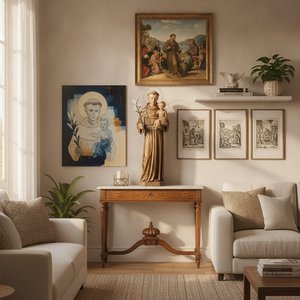
Discover the Divine: Inspiring Saint Anthony Artworks to Elevate Your Home Decor
Transform your home with the profound beauty of Saint Anthony artworks. Explore exquisite Baroque reproductions by Murillo and Zurbarán, hand-painted on 100% cotton canvas to bring divine serenity and timeless elegance to your interior design.

James Abbott McNeill Whistler: 25 Arcydzieł Sztuki Pejzażowej i Portretowej | OriginalUniqueArt
Odkryj 25 arcydzieł Jamesa Abbotta McNeilla Whistler'a! Poznaj historię impresjonistycznych pejzaży, portretów i słynnych 'Nokturnów'. Reprodukcje obrazów najwyższej jakości na OriginalUniqueArt.com – inspiracje dla Twojego wnętrza.

Odbitki Giclée: Jakość Archiwalna i Estetyczne Niuanse dla Wymagającego Kolekcjonera
Poznaj sekrety druku giclée – technologii zapewniającej najwyższą jakość reprodukcji sztuki i trwałość archiwalaną. Poradnik dla wymagających kolekcjonerów o wyborze papieru, tuszy i profilach kolorystycznych.
