
 Zobacz w skali 1:1
 Wyślij
 Udostępnij
 Szczegóły
 Przewodnik

 Pobierz plik obrazu
 Podobne obiekty
 RTG
RTG Pokaz slajdów
 Statystyki
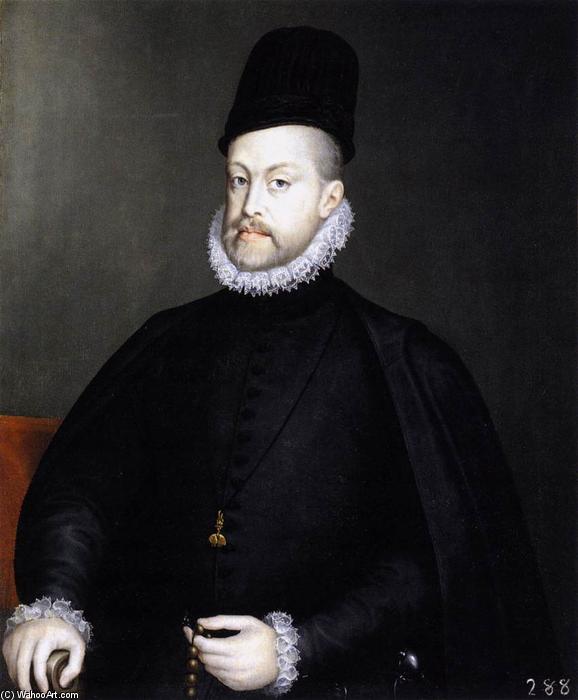
Philip II Holding a Rosary
 Oil On Canvas
- WallArt
- Renaissance
 1573
1573 88.0 x 72.0 cm
 Muzeum Prado
 Czytaj więcej
Giclée / Wydruk artystyczny
Wydruki giclée lub płótna o jakości muzealnej, szybka realizacja i szeroki wybór opcji wykończenia. ( Kup ręcznie malowany obraz Przełącz na wersję cyfrową)




P118B $10

P118H $10

P118W $10

P438Z $10

P508JH $12

P508YH $12

P805H $10

P805Z $10

P919BZ $10

P919G $10

P919XJ $10

P959ZH $10

P968JZ $12

W106C $8

W218G $10

W218JH $8

W218Y $10

W307PJ $10

W316G $10

W316PJ $8

W316Y $10

W398PJ $8

W4111J $10

W500HY $15

W500JH $15

W692G $12

W849H $8

W940BG $15

W953PJ $8




Wybierz spośród naszych standardowych rozmiarów, które zachowują oryginalne proporcje dzieła sztuki.

Możesz wprowadzić własne wymiary, aby dopasować dzieło do konkretnej ramy lub przestrzeni. Jeśli wybrany rozmiar nie będzie odpowiadał proporcjom oryginalnego obrazu, przytniecie dzieło lub rozszerzymy obraz za pomocą odbicia lustrzanego lub jednolitego wypełnienia krawędzi. Przed rozpoczęciem produkcji prześlemy cyfrową wizualizację do Twojej akceptacji.
Prosimy pamiętać, że podgląd na ekranie nie odzwierciedla faktycznego przycinania ani rozszerzania. Tylko wizualizacja dokładnie pokaże końcową kompozycję.
Mimo dostępności niestandardowych rozmiarów, zalecamy wybór wymiaru z listy zdefiniowanej, aby zachować oryginalne proporcje.
Dostawa na cały świat () w ciągu 2 tygodni zamiast standardowych 4/5 tygodni. (27 Wrzesień)

Bezpłatna ekspresowa wysyłka na cały świat

Wysokiej jakości płótno lniane

Pełne ubezpieczenie transportowe

Gwarancja zwrotu należności celnych i podatków importowych

Gwarancja idealnego odwzorowania barw

100-dniowy okres na zwrot dzieła w przypadku wykrycia wad produkcyjnych

Gwarancja 100% zwrotu pieniędzy

Oferta przy zakupie wielu sztuk
 Opcja ze szkłem jest dostępna wyłącznie w rozmiarach poniżej 110 cm

Philip II Holding a Rosary
Giclée / Wydruk artystyczny
Rozmiar reprodukcji
-


Suma do zapłaty
$ 80
The Majesty of Authority: Alonso Sánchez Coello’s ‘Philip II Holding a Rosary’
Alonso Sánchez Coello's “Philip II Holding a Rosary,” painted in 1573, is more than just a portrait; it’s a meticulously crafted embodiment of royal power and deeply rooted religious devotion within the turbulent landscape of late 16th-century Spain. The painting immediately commands attention with its dramatic lighting – a stark chiaroscuro emanating from the upper left corner that sculpts Philip II's face, highlighting his prominent nose, thoughtful gaze, and the weighty folds of his velvet doublet. This masterful use of light isn’t merely aesthetic; it serves to elevate the king, casting him in a position of solemn authority against a subtly rendered, almost impenetrable background.
Coello, working within the established traditions of Flemish objectivity and Venetian sensuality – a synthesis he uniquely embodied – has created an image that is both strikingly realistic and imbued with symbolic weight. The subject’s attire—the rich black velvet, the lace cuffs, the elaborate brooch— speaks volumes about his status as ruler of a vast empire, reflecting the opulence and grandeur associated with the Spanish court. Yet, it's the central element – the rosary held in his hand – that anchors the portrait to a profound spiritual dimension. This isn’t simply an accessory; it represents Philip II’s commitment to Catholicism, a cornerstone of his reign and a vital tool for maintaining control over both his subjects and the Church itself.
A Masterclass in Renaissance Technique
The painting's execution reveals Coello’s exceptional skill as a painter. He employs a meticulous approach, utilizing layered brushstrokes to build texture and depth – particularly evident in the fabric of the doublet and the intricate details of the beard. The use of oil paints allows for subtle gradations of color and a remarkable level of realism, capturing not just the likeness of Philip II but also his personality—a sense of quiet contemplation and regal bearing. The sharp lines defining the face and clothing are balanced by softer transitions in the drapery, creating a harmonious blend of precision and fluidity. The composition is carefully balanced, with the figure occupying the central vertical axis, reinforcing his dominance within the frame.
- Medium: Oil on Canvas
- Size: 88 x 72 cm
- Date: 1573
Historical Context and Royal Symbolism
To fully appreciate “Philip II Holding a Rosary,” it’s crucial to understand the historical context in which it was created. Spain under Philip II was at the height of its imperial power, yet also grappling with internal challenges – religious conflict, economic instability, and the looming threat of external enemies. The king's unwavering commitment to Catholicism served as both a unifying force and a justification for his expansive empire. The rosary itself became a potent symbol of this faith, representing Philip II’s piety and his role as protector of the Catholic Church.
Furthermore, the portrait reflects the prevailing artistic trends of the Renaissance – a renewed interest in classical ideals combined with a fascination with humanism and realism. Coello's work exemplifies this synthesis, creating an image that is both aesthetically pleasing and intellectually stimulating. The inclusion of details like the Golden Fleece emblem on his hat further reinforces his status as a powerful ruler, linking him to the legacy of past monarchs and the grandeur of the Spanish Empire.
A Timeless Portrait of Power and Faith
“Philip II Holding a Rosary” is more than just a historical document; it’s a compelling work of art that continues to resonate with viewers today. The painting's dramatic composition, masterful technique, and profound symbolism combine to create an image of enduring power and beauty. It offers a glimpse into the mind of one of Spain’s most influential monarchs and provides a poignant reflection on the intersection of faith, authority, and artistic expression. Reproductions of this iconic portrait remain highly sought after by collectors and interior designers alike, offering a chance to bring a touch of Renaissance majesty into any space.
Biografia artysty
Wczesne lata i kształtowanie talentu
- Miejsce urodzenia: Benifaió, Hiszpania (1531)
- Dzieciństwo spędził w okolicach Walencji, aż do śmierci ojca.
- Około 1541/42 roku przeniósł się do Portugalii, aby zamieszkać u swojego dziadka, szlachcica służącego portugalskim monarchom.
- Około 1550 roku studiował u Anthonisa Mora (Antonio Moro) w Flandrii.
- Korzystał z mecenatu Antoine'a de Granville, biskupa Arras, który był również protektorem Mora.
Kariera na dworze hiszpańskim
- Pracował dla portugalskiej rodziny królewskiej, a później na dworze João Manuella, księcia Portugalii.
- W 1555 roku przeniósł się na dwór hiszpański Filipa II, dzięki rekomendacji Juany, siostry króla.
- W 1560 roku otrzymał tytuł malarza dworskiego.
- Około 1560/61 roku poślubił Louisę Reyaltes, córkę złotnika.
- Jego córka, Isabel Sánchez, również została malarką i pomagała w prowadzeniu warsztatu.
- Wraz z dworem przeniósł się do Toledo, a w 1561 roku osiadł w Madrycie.
Styl artystyczny i inspiracje
- Styl: Połączenie flamandzkiej obiektywności z wenecką sensualnością.
- Wpływy: Przede wszystkim pod wpływem Anthonisa Mora oraz Tycjana.
- Od Mora przejął niezwykłą precyzję warsztatową.
- Od Tycjana zaczerpnął weneckie złote tony, bogactwo wykonania oraz mistrzowskie operowanie światłem.
- Sławę przyniósły mu portrety charakteryzujące się swobodą pozy, godnością, powagą i ciepłą kolorystyką.
Najważniejsze dzieła i osiągnięcia
- Tworzył zarówno wybitne portrety, jak i malarstwo religijne.
- Jego dzieła religijne, choć konwencjonalne, cechują się surowym, ascetycznym stylem.
- Najważniejsze portrety:
- Filip II trzymający różaniec (1573)
- Portret infanty Isabel Clary Eugenii (1571)
- Seria obrazów przedstawiająca dzieci Filipa II.
- Podwójny portret infantek Isabelli Clary Eugenii oraz Cataliny Micaeli (1568–9).
- Malował dzieła religijne dla klasztoru El Escorial.
- Stworzył również widok topograficzny portu w Sewilli.
Dziedzictwo i znaczenie historyczne
- Jego reputacja jako mistrza portretu bywała utrudniana przez liczne kopie i naśladownictwa innych artystów.
- Uważany jest za kluczową postać hiszpańskiego renesansu, szczególnie w kontekście malarstwa dworskiego.
- Jego twórczość wywarła ogromny wpływ na późniejszych mistrzów, w tym na Velázqueza, zwłaszcza w sposobie oddawania tekstur zbroi i draperii.
- Zmarł w Madrycie 8 sierpnia 1588 roku.

Alonso Sánchez Coello
1531 - 1588 , Hiszpania
Najważniejsze informacje
- Artistic Movement Or Style: Renesans hiszpański
- Artists Or Movements Influenced By This Artist:
- Juan Pantoja de la Cruz
- Felipe de Liaño
- Artists Who Influenced This Artist:
- Anthonis Mor
- Tycjan
- Date Of Birth: ok. 1531
- Date Of Death: 1588
- Full Name: Alonso Sánchez Coello
- Nationality: Iberyjska
- Notable Artworks:
- Filip II trzymający różaniec
- Portret damy
- Anna Austriaczka
- Don Jan Austriacki
- Katarzyna Austriaczka, Królowa
- Place Of Birth: Benifaió, Hiszpania
Zobacz także powiązane artykuły

Złoty Wiek Odnowiony: Dramatyczny Realizm i Duchowny Zapał w Sztuce Hiszpańskiego Baroku
Poznaj fascynujący świat baroku hiszpańskiego! Analiza dramatycznego realizmu Velázqueza, Zurbarána i Ribery oraz wpływu kontrreformacji na sztukę. Ekspercka wiedza dla kolekcjonerów i miłośników historii malarstwa.
José Gutiérrez Solana: A Chronicle of Spanish Society Through Expressionist Vision
Explore the captivating world of José Gutiérrez Solana, a pivotal Spanish Expressionist painter. Discover his haunting depictions of early 20th-century Spain, influenced by Goya & El Greco. Learn about his key works and lasting legacy.

Mastering the Shadows: A Journey Through the Chiaroscuro and Soul of Iconic Spanish Painting
Embark on a sophisticated exploration of Spanish art history, from the chiaroscuro mastery of Velázquez to the profound shadows of Goya. Discover how the dramatic light and emotional depth of Spain's greatest masters continue to inspire collectors and connoisseurs today.
Rafael de Penagos: A Study in Spanish Portraiture & Artistic Identity
Explore the life & art of Rafael de Penagos, a leading Spanish Art Deco illustrator. Discover his iconic 'Penagos Woman', commercial work, and lasting legacy. Learn about this pivotal figure in 20th-century Spanish art history.
25 Arcydzieł Prado: Historia Sztuki i Inspiracje do Twojego Domu | OriginalUniqueArt
Odkryj 25 arcydzieł Museo del Prado! Poznaj historię Velázquez, Goyi i El Greco. Inspiracje wnętrzarskie z klasycznymi obrazami baroku i renesansu. Reprodukcje najwyższej jakości na OriginalUniqueArt.com – sztuka dla Twojego domu.
