
 Zobacz w skali 1:1
 Wyślij
 Udostępnij
 Szczegóły
 Przewodnik

 Pobierz plik obrazu
 Podobne obiekty
 RTG
RTG Pokaz slajdów
 Statystyki
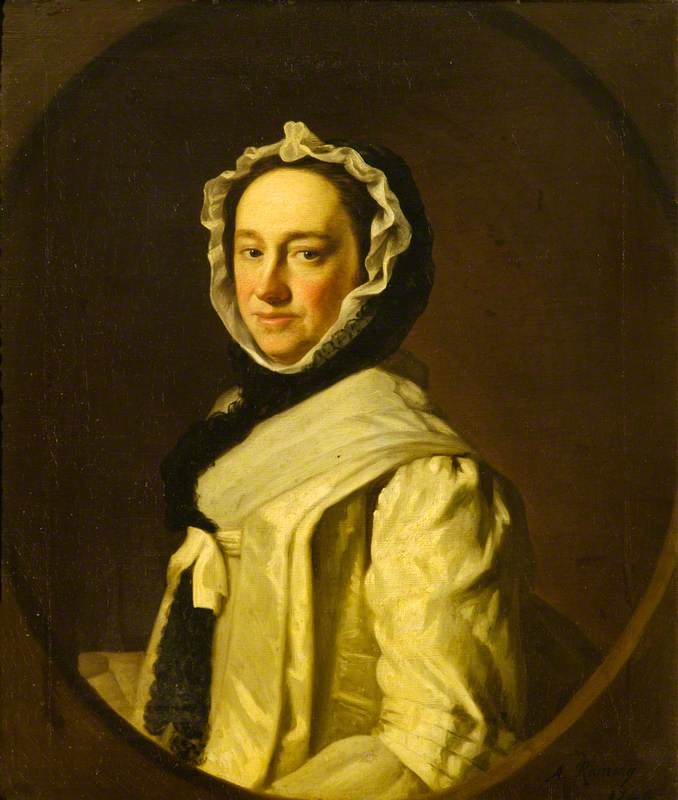
Jane Nisbet, Lady Dirleton
 Oil On Canvas
- WallArt
- Neoclassicism
 1748
1748 77.0 x 64.0 cm
 The National Trust For Scotland
 Czytaj więcej
Ręcznie malowana reprodukcja olejowa
Ręcznie malowany obraz olejny na płótnie, wykonany na zamówienie przez naszych artystów w wybranym przez Ciebie wymiarze i oprawie. ( Przełącz na wersję drukowaną Przełącz na wersję cyfrową)




P118B zł10

P118H zł10

P118W zł10

P438Z zł10

P508JH zł12

P508YH zł12

P805H zł10

P805Z zł10

P919BZ zł10

P919G zł10

P919XJ zł10

P959ZH zł10

P968JZ zł12

W106C zł8

W218G zł10

W218JH zł8

W218Y zł10

W307PJ zł10

W316G zł10

W316PJ zł8

W316Y zł10

W398PJ zł8

W4111J zł10

W500HY zł15

W500JH zł15

W692G zł12

W849H zł8

W940BG zł15

W953PJ zł8




Wybierz spośród naszych standardowych rozmiarów, które zachowują oryginalne proporcje dzieła sztuki.

Wpisz wymaganą szerokość i wysokość, aby obraz pasował do Twojej ramy lub ściany. Ponieważ jest to dzieło malowane ręcznie, w przypadku rozmiaru o innym proporcji artysta może domalować nieco więcej wokół obrazu lub przyciąć fragmenty — wybór należy do Ciebie. Przed rozpoczęciem pracy prześlemy Ci cyfrową wizualizację do zatwierdzenia. Obraz widoczny na tej stronie nie przedstawia rzeczywistego efektu — jedynie wizualizacja oddaje realny rezultat.
Po złożeniu zamówienia zespół OriginalUniqueArt.com skontaktuje się z klientem drogą mailową w celu uzyskania instrukcji i prześle wizualizację projektu
Dostawa na całym świecie () w ciągu 3–4 tygodni zamiast standardowych 5 tygodni. (24 Październik). Bez kompromisów w kwestii jakości.

Bezpłatna ekspresowa wysyłka na cały świat

Wysokiej jakości płótno lniane

Pełne ubezpieczenie transportowe

Gwarancja zwrotu należności celnych i podatków importowych

Gwarancja idealnego odwzorowania barw

100-dniowy okres na zwrot dzieła w przypadku wykrycia wad produkcyjnych

Gwarancja 100% zwrotu pieniędzy

Oferta przy zakupie wielu sztuk
 Opcja ze szkłem jest dostępna wyłącznie w rozmiarach poniżej 110 cm

Jane Nisbet, Lady Dirleton
Technika wykonania
Rozmiar reprodukcji
-


Suma do zapłaty
zł 1155
The Serene Gaze of Jane Nisbet, Lady Dirleton
To stand before this portrait is to step directly into the refined drawing rooms of the mid-eighteenth century. Jane Nisbet, Lady Dirleton, painted in 1748 by Allan Ramsay, is far more than a mere likeness; it is a carefully constructed meditation on status, grace, and enduring feminine dignity. The composition immediately draws the viewer into the subject’s quiet presence. She is captured in a half-length format, framed within an elegant oval that lends the piece an air of timeless formality. Ramsay masterfully centers her figure, ensuring that every glance, every fold of fabric, contributes to an overall impression of serene composure.
Mastery of Light and Texture
Technically, this work is a breathtaking display of academic realism filtered through the lens of Rococo elegance. The artist’s handling of oil paint on canvas is meticulous; one can almost feel the weight and drape of her dark shawl against the luminous expanse of her white gown. Ramsay employs dramatic chiaroscuro—the interplay between deep shadow and brilliant highlight—to give the figure a profound three-dimensionality. Notice how the light catches the delicate lace detailing, transforming what might be considered mere fabric into an object of exquisite, tangible texture. The brushwork, while highly detailed in rendering skin tones and textile patterns, remains invisible upon close inspection, allowing the subject’s gentle melancholy to surface unimpeded.
A Reflection of Georgian Society
The historical context surrounding this portrait is crucial to understanding its quiet power. Painted during a period of significant social stratification in Britain, portraits like this served as vital markers of identity and wealth. Lady Dirleton’s attire—the quality of the lace, the richness suggested by her dark wrap—speaks volumes about her standing within polite society. Ramsay, having absorbed influences from Italian masters while remaining rooted in Scottish portraiture, managed to synthesize classical ideals of nobility with a distinctly English sense of intimate characterization. It is a visual testament to the expectations and quiet accomplishments of women of means during that era.
Symbolism and Emotional Resonance
The symbolism within the painting is subtle yet profound. The subject’s expression, described as both serene and slightly melancholic, invites contemplation. It suggests a life lived under the gentle scrutiny of societal expectation—a beautiful containment of emotion. The shallow perspective keeps all focus inward, making the viewer feel privy to a private moment, an intimate viewing that transcends the formality of the portrait itself. For the modern collector or designer, this piece offers more than decoration; it offers an atmosphere—an infusion of cultivated history and quiet, enduring elegance into any space.
Pytania i odpowiedzi
Dla kogo "Jane Nisbet, Lady Dirleton" jest polecane jako prezent i do jakiego zastosowania?
„Jane Nisbet, Lady Dirleton” autorstwa Allan Ramsay jest polecane jako prezent dla Anniversary, szczególnie na Focal. Reprodukcję dzieła można podarować jako upominek.
Jaki jest zalecany rozmiatr wydruku dla „Jane Nisbet, Lady Dirleton” autorstwa Allan Ramsay?
Zalecany rozmiar wydruku dla „Jane Nisbet, Lady Dirleton” autorstwa Allan Ramsay to Medium.
Do jakiego stylu należy "Jane Nisbet, Lady Dirleton"?
Nurt związany z „Jane Nisbet, Lady Dirleton” autorstwa Allan Ramsay to Neoclassicism. Ta klasyfikacja sytuuje dzieło wśród pokrewnych artystów i dzieł sztuki.
Biografia artysty
Allan Ramsay: Elegancja i Sztuka Epoki
Urodzony w Edynburgu 13 października 1713 roku, Allan Ramsay wyłonił się jako jeden z najwybitniejszych szkockich portrecistów, którego prace uchwyciły elegancję i wytworność jego epoki. Jego artystyczna podróż rozpoczęła się w wieku dwudziestu lat, kiedy to udał się do Londynu na studia pod kierunkiem szwedzkiego malarza Hansa Hysinga, a następnie kontynuował naukę w Akademii St. Martin's Lane. To solidne podstawowe szkolenie zapewniło mu gruntowną wiedzę z zakresu techniki i kompozycji.
Prawdziwy przełom w artystycznym rozwoju Ramsaya nastąpił podczas podróży do Rzymu i Neapolu, gdzie spędził trzy lata (1736-1738) pracując pod okiem Francesco Solimeny oraz Imperiali’ego (Francesco Fernandiego). Ci włoscy mistrzowie wywarli ogromny wpływ na jego styl, pogłębiając zrozumienie klasycznych zasad i doskonaląc umiejętność oddawania podobieństwa i charakteru. Ramsay wchłonął dominującą estetykę rokoka, rozwijając jednocześnie uznanie dla ideałów neoklasycystycznych.
Po powrocie do Wielkiej Brytanii w 1738 roku Ramsay szybko zbudował udaną karierę jako portrecista. Jego zdolność do przedstawiania postaci z precyzją i gracją wkrótce przyniosła mu wybitne grono klientów. Do jego najbardziej znanych dzieł należą:
- Królowa Charlotte (1744-1818) z dwoma najstarszymi synami (Royal Collection, Londyn): Dostojny portret ukazujący królewską matczyność.
- Mary Degg, Lady Robert Manners (Scottish National Gallery, Edynburg): Elegancki portret demonstrujący umiejętność Ramsaya w oddawaniu arystokratycznego piękna.
- Głowa Duncana Forbesa z Culloden: To wczesne dzieło zwróciło na niego uwagę księcia Argylla i zostało później umieszczone na banknotach Royal Bank of Scotland.
Kluczowym momentem w karierze Ramsaya był rok 1761, kiedy to został mianowany Głównym Malarzem Dworu Króla Jerzego III. To prestiżowe stanowisko umocniło jego pozycję wśród artystycznej elity i zapewniło stały dopływ zleceń od rodziny królewskiej i wysokiej arystokracji. Stał się *portreczystą epoki georgiańskiej*. Jego prace cechowała niezwykła dbałość o detale, subtelne operowanie światłem i cieniem oraz umiejętność uchwycenia osobowości portretowanych osób.
Późniejsze lata życia Ramsaya przyniosły zwrot w kierunku zainteresowań literackich, odzwierciedlając jego szerokie intelektualne horyzonty. Jednak osobiste tragedie – przypadkowe zwichnięcie prawego ramienia i śmierć drugiej żony w 1782 roku – wpłynęły na jego zdrowie i produktywność. Zmarł w 1784 roku.
Pomimo tych wyzwań, Ramsay pozostawił po sobie trwałe dziedzictwo jako jeden z najbardziej cenionych szkockich portrecistów. Jak zauważył Samuel Johnson, „Kocham Ramsaya. Nie znajdziesz człowieka w którego rozmowie jest więcej nauki, informacji i elegancji niż w rozmowie Ramsaya”. Jego dzieła nadal budzą podziw ze względu na umiejętności techniczne, wyrafinowaną estetykę i wnikliwe portrety społeczeństwa XVIII wieku.
Znaczenie Historyczne
Wkład Allana Ramsaya wykracza poza jego artystyczny talent. Odegrał on kluczową rolę w kształtowaniu kultury wizualnej Szkocji w okresie znaczących zmian społecznych i politycznych. Jego portrety dostarczają cennych informacji na temat życia, mody i wartości szkockiej szlachty i ziemiaństwa. Jego prace można znaleźć w takich miejscach jak Ayr Town Hall oraz Scottish National Portrait Gallery.
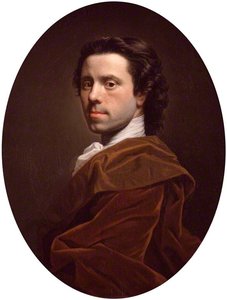
Allan Ramsay
1713 - 1784 , Wielka Brytania
Najważniejsze informacje
- Data Urodzenia: 13 października 1713
- Data Śmierci: 1784
- Inspirowani Przez:
- Hans Hysing
- Francesco Solimena
- Imperiali (F. Fernandi)
- Miejsce Urodzenia: Edynburg, Wielka Brytania
- Narodowość: Szkocka
- Pełne Imię: Allan Ramsay
- Styl Artystyczny: Rokokowy, Neoklasyczny
- Znane Dzieła:
- Portret Królowej Charlotte
- Mary Degg, Lady Robert Manners
- Głowa Duncana Forbesa
Zobacz także powiązane artykuły

Allen Ramsay: Portraiture, Patronage & Shaping Georgian Identity
Explore the life & work of Allen Ramsay, pivotal portraitist to George III. Discover his Rococo style, influence on Georgian society, and lasting legacy in British art history. Learn about his key works & patronage.
Sir John Watson Gordon: A Study in Scottish Landscape Painting & Tonal Impressionism
Explore the captivating portraits of Sir John Watson Gordon, a leading Scottish master. Discover his evolution from neoclassical style to atmospheric Tonalism and influence on 19th-century British art. Learn about his iconic sitters & legacy.
George Paul Chalmers: Rediscovering the Angus Rembrandt & Scottish Colourist Roots
Explore the captivating world of George Paul Chalmers (1833-1878), a pivotal Scottish painter. Discover his landscapes, portraits & connection to the Aesthetic Movement and Colourists. Learn about this 'Angus Rembrandt's' legacy with OriginalUniqueArt.
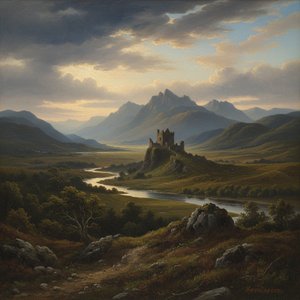
Alexander Nasmyth: Picturing Scotland's Romantic Landscape – Innovation & Identity
Explore the life & art of Alexander Nasmyth, a pivotal figure in Scottish Romantic landscape painting. Discover his iconic works, including portraits of Robert Burns, and learn about his lasting influence on national identity. Fine art reproductions available.
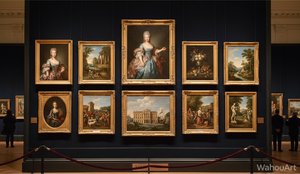
Arcydzieła XVIII Wieku: 10 Obrazów, Które Zdefiniowały Epokę | OriginalUniqueArt
Odkryj 10 arcydzieł XVIII wieku! Poznaj historie Watteau, Fragonarda i Canaletta. Reprodukcje obrazów w stylu rokoko i klasycyzmu idealne do Twojego wnętrza. Inspiracje artystyczne na OriginalUniqueArt.com


