

 Zobacz w skali 1:1
 Wyślij
 Udostępnij
 Szczegóły
 Przewodnik

 Pobierz plik obrazu
 Podobne obiekty
 RTG
RTG Pokaz slajdów
 Statystyki
Flora Macdonald
 Oil On Canvas
- WallArt
- Rococo Portraiture
 1749
1749 74.0 x 61.0 cm
 Ashmolean Museum of Art and Archaeology
 Czytaj więcej
Giclée / Wydruk artystyczny
Wydruki giclée lub płótna o jakości muzealnej, szybka realizacja i szeroki wybór opcji wykończenia. ( Kup ręcznie malowany obraz Przełącz na wersję cyfrową)




P118B zł10

P118H zł10

P118W zł10

P438Z zł10

P508JH zł12

P508YH zł12

P805H zł10

P805Z zł10

P919BZ zł10

P919G zł10

P919XJ zł10

P959ZH zł10

P968JZ zł12

W106C zł8

W218G zł10

W218JH zł8

W218Y zł10

W307PJ zł10

W316G zł10

W316PJ zł8

W316Y zł10

W398PJ zł8

W4111J zł10

W500HY zł15

W500JH zł15

W692G zł12

W849H zł8

W940BG zł15

W953PJ zł8




Wybierz spośród naszych standardowych rozmiarów, które zachowują oryginalne proporcje dzieła sztuki.

Wpisz wymaganą szerokość i wysokość, aby dopasować grafikę do ramy lub ściany. Wydruk można jedynie przyciąć, nigdy nie powiększając go poza oryginalny obraz, dlatego format o innym proporcji spowoduje utratę części kompozycji. Przed rozpoczęciem druku prześlemy Ci cyfrowy podgląd do zatwierdzenia. Obraz wyświetlany na tej stronie nie pokazuje rzeczywistego przycięcia — jedynie podgląd oddaje ten efekt.
Dostawa na cały świat () w ciągu 2 tygodni zamiast standardowych 4/5 tygodni. (20 Październik)

Bezpłatna ekspresowa wysyłka na cały świat

Wysokiej jakości płótno lniane

Pełne ubezpieczenie transportowe

Gwarancja zwrotu należności celnych i podatków importowych

Gwarancja idealnego odwzorowania barw

100-dniowy okres na zwrot dzieła w przypadku wykrycia wad produkcyjnych

Gwarancja 100% zwrotu pieniędzy

Oferta przy zakupie wielu sztuk
 Opcja ze szkłem jest dostępna wyłącznie w rozmiarach poniżej 110 cm

Flora Macdonald
Giclée / Wydruk artystyczny
Rozmiar reprodukcji
-


Suma do zapłaty
zł 303
Flora Macdonald: A Portrait of Courage and Resilience
Allan Ramsay’s “Flora Macdonald,” painted in 1749, is more than just a likeness; it's a potent distillation of Scottish history, embodying the spirit of rebellion and the quiet heroism of an ordinary woman thrust into extraordinary circumstances. Housed within the Ashmolean Museum’s collection in Oxford, this oil on canvas portrait captures a pivotal moment – the clandestine assistance offered to Charles Edward Stuart after the devastating Battle of Culloden, a scene that has resonated through generations.
Ramsay, a master of capturing both aristocratic elegance and subtle emotion, skillfully portrays Flora as a young woman of striking composure. Her fair skin and dark hair are rendered with meticulous detail, styled in an updo indicative of the late 18th century’s fashion trends. The neutral expression on her face—a slight parting of her lips suggesting either a recent utterance or a thoughtful pause—allows the viewer to project their own interpretations onto her demeanor. The carefully chosen attire – a blue dress with a high collar and puffy sleeves, complemented by a vibrant red plaid shawl draped over her shoulder – speaks volumes about her social standing and adds a touch of warmth to the otherwise formal composition.
A Dramatic Narrative in Paint
The painting’s power lies not just in its technical brilliance but also in the narrative it conveys. The red plaid, instantly recognizable as associated with Clan MacDonald, immediately anchors Flora within her Highland heritage and subtly hints at the turbulent events surrounding her. Crucially, she holds a small bouquet of white and pink blooms – flowers often symbolizing purity, remembrance, and even sacrifice – suggesting both her role in protecting the Prince and the poignant cost of his ambition. The placement of her hand resting on what appears to be a chair or bench subtly conveys a sense of weary strength, hinting at the burdens she carried.
The dark background, punctuated by subtle hints of foliage, serves to isolate Flora as the central figure, amplifying her importance within the scene. Ramsay’s use of light is particularly noteworthy; it's soft and diffused, casting gentle shadows that add depth and dimension to the portrait, creating a sense of intimacy and drawing the viewer into Flora’s world.
Historical Context: A Heroine Forged in Rebellion
Flora Macdonald’s story is inextricably linked to the Jacobite rising of 1745. Following Culloden, she risked her life to help Charles Edward Stuart, the exiled heir to the throne, evade capture by government forces. Her bravery and resourcefulness – transporting the Prince disguised as a maidservant across the Highlands – became legendary, cementing her place in Scottish folklore. The painting captures this pivotal moment of defiance against overwhelming odds, transforming a simple Highland woman into a symbol of resistance.
It’s important to note that the portrait's attribution has been debated over time; initially believed to be Flora Macdonald, it is now widely considered to be a generic representation of a lady. However, its enduring popularity and association with the iconic story of her bravery ensure its continued significance within the art historical canon.
Symbolism and Emotional Resonance
Beyond the factual details of the Jacobite uprising, “Flora Macdonald” resonates deeply due to its exploration of themes such as courage, loyalty, and sacrifice. Flora’s quiet dignity and resolute expression speak volumes about her inner strength and unwavering commitment to a cause greater than herself. The painting invites contemplation on the complexities of historical events and the often-unrecognized heroism found in ordinary individuals. It's a powerful reminder that even in times of great upheaval, acts of kindness and bravery can leave an indelible mark on history – and on our collective imagination.
Pytania i odpowiedzi
Jaką nasycenie i intensywność prezentuje „Flora Macdonald” autorstwa Allan Ramsay?
Kolory dzieła „Flora Macdonald” autorstwa Allan Ramsay wykazują Muted nasycenie przy Monochromatic intensywności.
Jak opisuje się paletę kolorystyczną dzieła „Flora Macdonald” autorstwa Allan Ramsay?
„Flora Macdonald” autorstwa Allan Ramsay wykorzystuje Earthy paletę barw. Paleta ta podsumowuje ogólny charakter kolorystyczny dzieła.
Czy mogę obejrzeć "Flora Macdonald" w formie pełnoekranowej prezentacji slajdów?
Dzieło „Flora Macdonald” autorstwa Allan Ramsay można obejrzeć w formie pokazu slajdów na stronie Pokaz slajdów danego dzieła.
Biografia artysty
Allan Ramsay: Elegancja i Sztuka Epoki
Urodzony w Edynburgu 13 października 1713 roku, Allan Ramsay wyłonił się jako jeden z najwybitniejszych szkockich portrecistów, którego prace uchwyciły elegancję i wytworność jego epoki. Jego artystyczna podróż rozpoczęła się w wieku dwudziestu lat, kiedy to udał się do Londynu na studia pod kierunkiem szwedzkiego malarza Hansa Hysinga, a następnie kontynuował naukę w Akademii St. Martin's Lane. To solidne podstawowe szkolenie zapewniło mu gruntowną wiedzę z zakresu techniki i kompozycji.
Prawdziwy przełom w artystycznym rozwoju Ramsaya nastąpił podczas podróży do Rzymu i Neapolu, gdzie spędził trzy lata (1736-1738) pracując pod okiem Francesco Solimeny oraz Imperiali’ego (Francesco Fernandiego). Ci włoscy mistrzowie wywarli ogromny wpływ na jego styl, pogłębiając zrozumienie klasycznych zasad i doskonaląc umiejętność oddawania podobieństwa i charakteru. Ramsay wchłonął dominującą estetykę rokoka, rozwijając jednocześnie uznanie dla ideałów neoklasycystycznych.
Po powrocie do Wielkiej Brytanii w 1738 roku Ramsay szybko zbudował udaną karierę jako portrecista. Jego zdolność do przedstawiania postaci z precyzją i gracją wkrótce przyniosła mu wybitne grono klientów. Do jego najbardziej znanych dzieł należą:
- Królowa Charlotte (1744-1818) z dwoma najstarszymi synami (Royal Collection, Londyn): Dostojny portret ukazujący królewską matczyność.
- Mary Degg, Lady Robert Manners (Scottish National Gallery, Edynburg): Elegancki portret demonstrujący umiejętność Ramsaya w oddawaniu arystokratycznego piękna.
- Głowa Duncana Forbesa z Culloden: To wczesne dzieło zwróciło na niego uwagę księcia Argylla i zostało później umieszczone na banknotach Royal Bank of Scotland.
Kluczowym momentem w karierze Ramsaya był rok 1761, kiedy to został mianowany Głównym Malarzem Dworu Króla Jerzego III. To prestiżowe stanowisko umocniło jego pozycję wśród artystycznej elity i zapewniło stały dopływ zleceń od rodziny królewskiej i wysokiej arystokracji. Stał się *portreczystą epoki georgiańskiej*. Jego prace cechowała niezwykła dbałość o detale, subtelne operowanie światłem i cieniem oraz umiejętność uchwycenia osobowości portretowanych osób.
Późniejsze lata życia Ramsaya przyniosły zwrot w kierunku zainteresowań literackich, odzwierciedlając jego szerokie intelektualne horyzonty. Jednak osobiste tragedie – przypadkowe zwichnięcie prawego ramienia i śmierć drugiej żony w 1782 roku – wpłynęły na jego zdrowie i produktywność. Zmarł w 1784 roku.
Pomimo tych wyzwań, Ramsay pozostawił po sobie trwałe dziedzictwo jako jeden z najbardziej cenionych szkockich portrecistów. Jak zauważył Samuel Johnson, „Kocham Ramsaya. Nie znajdziesz człowieka w którego rozmowie jest więcej nauki, informacji i elegancji niż w rozmowie Ramsaya”. Jego dzieła nadal budzą podziw ze względu na umiejętności techniczne, wyrafinowaną estetykę i wnikliwe portrety społeczeństwa XVIII wieku.
Znaczenie Historyczne
Wkład Allana Ramsaya wykracza poza jego artystyczny talent. Odegrał on kluczową rolę w kształtowaniu kultury wizualnej Szkocji w okresie znaczących zmian społecznych i politycznych. Jego portrety dostarczają cennych informacji na temat życia, mody i wartości szkockiej szlachty i ziemiaństwa. Jego prace można znaleźć w takich miejscach jak Ayr Town Hall oraz Scottish National Portrait Gallery.
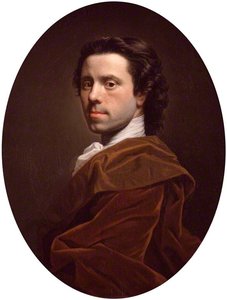
Allan Ramsay
1713 - 1784 , Wielka Brytania
Najważniejsze informacje
- Data Urodzenia: 13 października 1713
- Data Śmierci: 1784
- Inspirowani Przez:
- Hans Hysing
- Francesco Solimena
- Imperiali (F. Fernandi)
- Miejsce Urodzenia: Edynburg, Wielka Brytania
- Narodowość: Szkocka
- Pełne Imię: Allan Ramsay
- Styl Artystyczny: Rokokowy, Neoklasyczny
- Znane Dzieła:
- Portret Królowej Charlotte
- Mary Degg, Lady Robert Manners
- Głowa Duncana Forbesa
Zobacz także powiązane artykuły
George Paul Chalmers: Rediscovering the Angus Rembrandt & Scottish Colourist Roots
Explore the captivating world of George Paul Chalmers (1833-1878), a pivotal Scottish painter. Discover his landscapes, portraits & connection to the Aesthetic Movement and Colourists. Learn about this 'Angus Rembrandt's' legacy with OriginalUniqueArt.
Sir John Watson Gordon: A Study in Scottish Landscape Painting & Tonal Impressionism
Explore the captivating portraits of Sir John Watson Gordon, a leading Scottish master. Discover his evolution from neoclassical style to atmospheric Tonalism and influence on 19th-century British art. Learn about his iconic sitters & legacy.

James Giles: Capturing Scottish Life Through the Lens of British Realism
Explore the life & work of James Giles (1801-1870), a master of Scottish landscape painting and favored artist of Queen Victoria. Discover his atmospheric realism & royal commissions.
Alexander Nasmyth: Picturing Scotland's Romantic Landscape – Innovation & Identity
Explore the life & art of Alexander Nasmyth, a pivotal figure in Scottish Romantic landscape painting. Discover his iconic works, including portraits of Robert Burns, and learn about his lasting influence on national identity. Fine art reproductions available.

Allen Ramsay: Portraiture, Patronage & Shaping Georgian Identity
Explore the life & work of Allen Ramsay, pivotal portraitist to George III. Discover his Rococo style, influence on Georgian society, and lasting legacy in British art history. Learn about his key works & patronage.


