Text size

() ·

A painting made for you, by hand

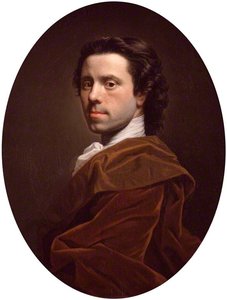
DAVID WEMYSS, LORD ELCHO

Ręcznie malowana reprodukcja olejowa

Ręcznie malowany obraz olejny na płótnie, wykonany na zamówienie przez naszych artystów w wybranym przez Ciebie wymiarze i oprawie. ( Przełącz na wydania drukowane Przejdź do wersji cyfrowej)

Opis obiektu

Admire Allan Ramsay's masterful portrait of David Wemyss, Lord Elcho – a distinguished Scottish nobleman captured with striking realism and aristocratic grace. Explore the details of this captivating 18th-century masterpiece.

Biografia artysty

Odkryj eleganckie portrety Allana Ramsaya (1713-1784), szkockiego malarza arystokracji i dworu królewskiego. Poznaj jego styl rokokowy, mistrzowską technikę oraz ikoniczne dzieła, takie jak portret Królowej Charlotte.

from ·

Chapter 1

How large should it be?

Slide to change the size; the picture on the left shows the frame at its real width. The proportions of the original are kept.

Standardowy format
personalizowane
CM
INCH

Wybierz spośród naszych standardowych rozmiarów, które zachowują oryginalne proporcje dzieła sztuki.

szerokość
wysokość

Wpisz wymaganą szerokość i wysokość, aby obraz pasował do Twojej ramy lub ściany. Ponieważ jest to dzieło malowane ręcznie, w przypadku rozmiaru o innych proporcjach artysta może domalować nieco więcej wokół obrazu lub przyciąć jego fragmenty — wybór należy do Ciebie. Przed rozpoczęciem pracy prześlemy Ci cyfrową wizualizację do zatwierdzenia. Obraz widoczny na tej stronie nie przedstawia rzeczywistego efektu — jedynie wizualizacja oddaje realny rezultat.

Chapter 2

How should it arrive?

Choose the edges of the stretched canvas

Choose your frame

Corner sample of the WhiteWrap canvas edge finish, stretched on lite drewno bars
White zł1
Corner sample of the BlurSideWrap canvas edge finish, stretched on lite drewno bars
Blurside zł1
Corner sample of the ExtendedWrap canvas edge finish, stretched on lite drewno bars
Extended zł1
Corner sample of the P118B picture frame: polistyren formowany, 5 cm wide and 3 cm thick
P118B zł10
Corner sample of the P118H picture frame: polistyren formowany, 5 cm wide and 3 cm thick
P118H zł10
Corner sample of the P118W picture frame: polistyren formowany, 5 cm wide and 3 cm thick
P118W zł10
Corner sample of the P438Z picture frame: polistyren formowany, 5.5 cm wide and 3.5 cm thick
P438Z zł10
Corner sample of the P508JH picture frame: polistyren formowany, 7 cm wide and 3.5 cm thick
P508JH zł12
Corner sample of the P508YH picture frame: polistyren formowany, 7 cm wide and 3.5 cm thick
P508YH zł12
Corner sample of the P805H picture frame: polistyren formowany, 5 cm wide and 3.5 cm thick
P805H zł10
Corner sample of the P805Z picture frame: polistyren formowany, 5 cm wide and 3.5 cm thick
P805Z zł10
Corner sample of the P919BZ picture frame: polistyren formowany, 7 cm wide and 3.5 cm thick
P919BZ zł10
Corner sample of the P919G picture frame: polistyren formowany, 7 cm wide and 3.5 cm thick
P919G zł10
Corner sample of the P919XJ picture frame: polistyren formowany, 7 cm wide and 3.5 cm thick
P919XJ zł10
Corner sample of the P959ZH picture frame: polistyren formowany, 5 cm wide and 3 cm thick
P959ZH zł10
Corner sample of the P968JZ picture frame: polistyren formowany, 6 cm wide and 4 cm thick
P968JZ zł12
Corner sample of the W106C picture frame: lite drewno, 5 cm wide and 3 cm thick
W106C zł8
Corner sample of the W218G picture frame: lite drewno, 5 cm wide and 3 cm thick
W218G zł10
Corner sample of the W218JH picture frame: lite drewno, 5 cm wide and 3 cm thick
W218JH zł8
Corner sample of the W218Y picture frame: lite drewno, 5 cm wide and 3 cm thick
W218Y zł10
Corner sample of the W307PJ picture frame: lite drewno, 6 cm wide and 3 cm thick
W307PJ zł10
Corner sample of the W316G picture frame: lite drewno, 6 cm wide and 3 cm thick
W316G zł10
Corner sample of the W316PJ picture frame: lite drewno, 6 cm wide and 3 cm thick
W316PJ zł8
Corner sample of the W316Y picture frame: lite drewno, 6 cm wide and 3 cm thick
W316Y zł10
Corner sample of the W398PJ picture frame: lite drewno, 5 cm wide and 3 cm thick
W398PJ zł8
Corner sample of the W4111J picture frame: lite drewno, 6.5 cm wide and 3.5 cm thick
W4111J zł10
Corner sample of the W500HY picture frame: lite drewno, 7 cm wide and 5 cm thick
W500HY zł15
Corner sample of the W500JH picture frame: lite drewno, 7 cm wide and 5 cm thick
W500JH zł15
Corner sample of the W692G picture frame: lite drewno, 8 cm wide and 4 cm thick
W692G zł12
Corner sample of the W849H picture frame: lite drewno, 5 cm wide and 3 cm thick
W849H zł8
Corner sample of the W940BG picture frame: lite drewno, 7.5 cm wide and 4.5 cm thick
W940BG zł15
Corner sample of the W953PJ picture frame: lite drewno, 6 cm wide and 3.5 cm thick
W953PJ zł8
Corner sample of the H24-GOLD picture frame: rzeźbione drewno pokryte gipsem, 10 cm wide and 6 cm thick
H24-GOLD zł30
Corner sample of the H24-SILVER picture frame: rzeźbione drewno pokryte gipsem, 10 cm wide and 6 cm thick
H24-SILVER zł30
Corner sample of the H36-GOLD picture frame: rzeźbione drewno pokryte gipsem, 15 cm wide and 6.5 cm thick
H36-GOLD zł45
Corner sample of the H36-SILVER picture frame: rzeźbione drewno pokryte gipsem, 15 cm wide and 6.5 cm thick
H36-SILVER zł45

Moulding: . Overall size with the frame: .

Chapter 3

Who paints it, and should anything change?

Examples of what can be changed: Replace face with customer photo; Add pet (e.g., replace cat with dog); Include hidden message in background; Change background landscape or elements.
After order, OriginalUniqueArt.com team will email client for instructions and provide a mockup preview

Dostawa na całym świecie () w ciągu 3–4 tygodni zamiast standardowych 5 tygodni. (3 Listopad). Bez kompromisów w kwestii jakości.

Chapter 4

The finishing touches

A nameplate, as in a museum?

Szczegóły grawerowanej brązowej tabliczki

This elegant plaque features the artist's name and the title of the artwork, finely engraved for a timeless presentation.

It is made from bronze with a refined, elegant finish. The text is precisely laser-engraved for a sharp and permanent result. Measuring 9x2 cm, the plaque is compact yet easy to read. It's built to be durable and scratch-resistant, offering a professional, museum-quality look. Mounting is simple thanks to the included adhesive backing.

Szczegóły przezroczystej tabliczki akrylowej

The plaque includes essential engraved details such as the artist's name, the title of the artwork, the date it was created, the type of media used-like oil on canvas or watercolor-a brief description of the piece, and a QR code that links to the complete artwork information.

It is crafted from clear acrylic, offering a sleek, modern appearance. The text is UV-engraved in black to ensure strong visual contrast. With a size of 10x15 cm, it ensures optimal readability. It comes equipped with two metal hooks for secure wall mounting. The plaque is designed to be weather-resistant, making it suitable for various environments, and it includes interactive features that work seamlessly with smartphone scanning.

Szczegóły czarnej tabliczki akrylowej

This elegant plaque includes engraved information such as the artist's name, the title of the artwork, the date it was created, the type of media used (like oil on canvas or watercolor), a short description of the artwork, and a QR code for quick access to more information.

The plaque itself is made from refined black acrylic with a premium finish. The text is laser-engraved in white for high contrast and readability. Its size is 10x15 cm, designed to be easy to read. It comes with two metal hooks for professional mounting. The design is sleek and fits any interior style. It is also weather-resistant and durable, with built-in digital integration for mobile compatibility.

A protective varnish?

When do you need it?

Chapter 5

Your painting, as you ordered it

DAVID WEMYSS, LORD ELCHO

Technika reprodukcji

Wymiary reprodukcji

-

Wybitny mistrz artystyczny

Większa szczegółowość, finezja i dodatkowy czas na realizację

-

Opcje oprawy reprodukcji

-

-

W przypadku dzieł sztuki lub reprodukcji, których którykolwiek z boków przekracza 105 cm (około 41 cali), rama zostanie wysłana w formie zestawu do samodzielnego montażu. Metoda ta zapewnia bezpieczną dostawę i zapobiega uszkodzeniom podczas transportu.

Wymagany profesjonalny montaż – nie jest to produkt typu DIY.
Zestaw musi zostać złożony, a płótno naciągnięte przez doświadczonego profesjonalnego ramiarza, przy użyciu kleju do drewna (brak w zestawie), kleszczy do naciągania płótna oraz ścisków, które utrzymają krosna w równej pozycji podczas schnięcia kleju. Nieprawidłowy montaż lub nierównomierne napięcie płótna może trwale uszkodzić dzieło sztuki i nie podlega naszej gwarancji.

  • W zestawie znajdują się wszystkie listwy z litego drewna, precyzyjnie docięte do wymiarów.

  • Montaż odbywa się przy użyciu dołączonych wkrętów oraz kleju do drewna do łączenia narożników, którego zestaw nie zawiera i który musi zostać dostarczony przez ramiarza.

  • Wymagane są profesjonalne narzędzia, których nie ma w zestawie: kleszcze do naciągania płótna (napinacz) oraz zaciski, które pozwolą utrzymać listwy w równej pozycji podczas schnięcia kleju.

Ważne:
Do połączenia narożników niezbędny jest klej do drewna, listwy należy unieruchomić za pomocą ścisków do momentu całkowitego wyschnięcia kleju, a naciągnięcie płótna na złożoną ramę wymaga użycia kleszczy do naciągania płótna. Żaden z tych elementów nie jest dołączony do zestawu. Przed zamówieniem tego rozmiaru zalecamy konsultację z doświadczonym ramiarzem.

Etykieta obiektu

-

-

Lakier ochronny

Lakier z połyskiem (pogłębia kolory, chroni przed światłem i wilgocią)

-

Personalizacja dzieła

Przykłady możliwości personalizacji: zastąp twarz zdjęciem klienta; dodaj zwierzę domowe (np. zamień kota na psa); umieść ukrytą wiadomość w tle; zmień krajobraz lub elementy tła.

-

Ekspresowa

Dostawa na cały świat () w ciągu 3–4 tygodni zamiast standardowych 5 tygodni. (3 Listopad). Bez kompromisów w kwestii jakości.

-

Przesyłka ekspresowa

Dostawa na cały świat () w ciągu 5 tygodni. (10 Listopad).

W cenie

Cena całkowita

zł 1168

Suma całkowita zł 1168

Opcja ze szkłem jest dostępna wyłącznie w rozmiarach poniżej 110 cm

Included with every order

  • Bezpłatna ekspresowa wysyłka na cały świat
  • Wysokiej jakości płótno lniane
  • Pełne ubezpieczenie przesyłki
  • Gwarancja zwrotu należności celnych i podatków importowych
  • Gwarancja wiernego odwzorowania kolorów
  • 100-dniowa polityka zwrotów (tylko w przypadku wad)
  • Gwarancja 100% zwrotu pieniędzy
  • Zniżka przy zakupie wielu sztuk

A Portrait of Nobility: Allan Ramsay’s David Wemyss, Lord Elcho

Allan Ramsay's “David Wemyss, Lord Elcho” is more than just a painted likeness; it’s a carefully constructed tableau of 18th-century Scottish aristocracy, imbued with the formality and restrained emotion characteristic of his era. Completed around 1775, this oil on canvas portrait captures David Wemyss, Lord Elcho, a prominent figure in Jacobite circles and a man defined by both privilege and turbulent history. The painting immediately draws the eye with its rich palette – deep reds and browns dominate, offset by creamy whites and subtle golds – creating an atmosphere of dignified opulence that speaks to the subject’s status and wealth.

Ramsay's skill lies not merely in replicating appearance but in conveying character. Lord Elcho is presented in a three-quarter pose, his gaze direct and unwavering, establishing an immediate connection with the viewer. His posture exudes confidence, yet there’s also a hint of melancholy in his expression, perhaps reflecting the political turmoil that defined his life. The artist masterfully employs soft lines to define the contours of the face and clothing, avoiding harsh outlines and instead creating a sense of gentle realism. Notice how the folds of his coat and cravat aren't simply rendered; they’re sculpted with subtle shading, adding depth and texture that bring the portrait to life.

The Context of Power and Rebellion

To fully appreciate “David Wemyss, Lord Elcho,” it’s crucial to understand its historical context. The late 18th century in Scotland was a period of intense political unrest, fueled by aspirations for restoring the Stuart monarchy. Lord Elcho, as a Jacobite supporter, played a significant role in this movement, raising his own troop of cavalry – the “Lifeguards” – which became renowned for their bravery and effectiveness during the 1745 Rising. The portrait itself is therefore inextricably linked to this era of rebellion and loyalty, serving as a visual testament to a man caught between duty and ambition.

Further research reveals that Lord Elcho’s life was marked by both success and tragedy. He initially rose through the ranks of the army, earning recognition for his military prowess. However, following the disastrous defeat at Culloden in 1746, he fled to Europe and faced imprisonment and exile. The painting, therefore, can be viewed as a poignant reminder of a life cut short by political upheaval – a man whose legacy is intertwined with both glory and loss.

Symbolism and Artistic Technique

Ramsay’s technique is rooted in the traditions of 18th-century portraiture, yet he infuses it with his own distinctive style. The lighting, diffused and soft, illuminates Lord Elcho's face and upper body while leaving the background shrouded in shadow, creating a dramatic focal point and emphasizing the subject’s presence. The use of color is particularly noteworthy; the rich reds and browns evoke notions of power, wealth, and nobility, while the lighter tones suggest refinement and elegance.

Beyond mere representation, Ramsay employs subtle symbolism to enhance the portrait's meaning. The elaborate attire – the richly colored coat, the ornate cravat, and the powdered wig – are all indicators of Lord Elcho’s social standing and status within Scottish society. The composition itself, with its balanced arrangement and direct gaze, reinforces his authority and confidence. It is a carefully considered image designed to project an aura of power and dignity.

A Timeless Masterpiece for the Home

“David Wemyss, Lord Elcho” remains a captivating work of art, offering a glimpse into a pivotal moment in Scottish history and showcasing the exceptional talent of Allan Ramsay. Reproductions of this portrait are highly sought after by collectors and interior designers alike, providing a touch of elegance and historical gravitas to any space. Its rich colors, masterful composition, and evocative subject matter make it a truly timeless masterpiece – a testament to the enduring power of art to capture both the outward appearance and inner character of its subjects.

Pytania i odpowiedzi

Co przedstawia „DAVID WEMYSS, LORD ELCHO” – Allan Ramsay?

Tematyka obecna w „DAVID WEMYSS, LORD ELCHO” – Allan Ramsay obejmuje portraiture, nobility, 18th century, scotland, aristocracy, formal, dignified. Razem stanowią one podsumowanie tematyki dzieła.

Co przedstawia i jaką atmosferę oddaje „DAVID WEMYSS, LORD ELCHO” – Allan Ramsay?

"DAVID WEMYSS, LORD ELCHO" przedstawia portraiture, nobility, 18th century, scotland, aristocracy, formal, dignified, a jego nastrojowy charakter można określić jako Elegant.

Jakie emocje budzi „DAVID WEMYSS, LORD ELCHO” – Allan Ramsay?

W "DAVID WEMYSS, LORD ELCHO" nastrojowi Elegant towarzyszy emocja Nostalgic.

More about this painting

Podgląd w skali 1:1 Podgląd AR Przełącz na wydania drukowane Przejdź do wersji cyfrowej Wyślij jako kartkę
Szczegóły dzieła Przewodnik Dodaj do ulubionych Pobierz obraz Podobne obiekty RTG Pokaz slajdów Q&A Statystyki

In numbers

  • 29frames to choose from
  • standard sizes, in its own proportions
  • 5weeks to paint and deliver it
Allan Ramsay

Allan Ramsay

1713 - 1784, Wielka Brytania

Quick facts about Allan Ramsay

  • Data Urodzenia: 13 października 1713
  • Data Śmierci: 1784
  • Inspirowani Przez:
    • Hans Hysing
    • Francesco Solimena
    • Imperiali (F. Fernandi)
  • Miejsce Urodzenia: Edynburg, Wielka Brytania
  • Narodowość: Szkocka
  • Pełne Imię: Allan Ramsay
  • Styl Artystyczny: Rokokowy, Neoklasyczny
  • Znane Dzieła:
    • Portret Królowej Charlotte
    • Mary Degg, Lady Robert Manners
    • Głowa Duncana Forbesa

Biografia artysty

Allan Ramsay: Elegancja i Sztuka Epoki

Urodzony w Edynburgu 13 października 1713 roku, Allan Ramsay wyłonił się jako jeden z najwybitniejszych szkockich portrecistów, którego prace uchwyciły elegancję i wytworność jego epoki. Jego artystyczna podróż rozpoczęła się w wieku dwudziestu lat, kiedy to udał się do Londynu na studia pod kierunkiem szwedzkiego malarza Hansa Hysinga, a następnie kontynuował naukę w Akademii St. Martin's Lane. To solidne podstawowe szkolenie zapewniło mu gruntowną wiedzę z zakresu techniki i kompozycji.

Prawdziwy przełom w artystycznym rozwoju Ramsaya nastąpił podczas podróży do Rzymu i Neapolu, gdzie spędził trzy lata (1736-1738) pracując pod okiem Francesco Solimeny oraz Imperiali’ego (Francesco Fernandiego). Ci włoscy mistrzowie wywarli ogromny wpływ na jego styl, pogłębiając zrozumienie klasycznych zasad i doskonaląc umiejętność oddawania podobieństwa i charakteru. Ramsay wchłonął dominującą estetykę rokoka, rozwijając jednocześnie uznanie dla ideałów neoklasycystycznych.

Po powrocie do Wielkiej Brytanii w 1738 roku Ramsay szybko zbudował udaną karierę jako portrecista. Jego zdolność do przedstawiania postaci z precyzją i gracją wkrótce przyniosła mu wybitne grono klientów. Do jego najbardziej znanych dzieł należą:

  • Królowa Charlotte (1744-1818) z dwoma najstarszymi synami (Royal Collection, Londyn): Dostojny portret ukazujący królewską matczyność.
  • Mary Degg, Lady Robert Manners (Scottish National Gallery, Edynburg): Elegancki portret demonstrujący umiejętność Ramsaya w oddawaniu arystokratycznego piękna.
  • Głowa Duncana Forbesa z Culloden: To wczesne dzieło zwróciło na niego uwagę księcia Argylla i zostało później umieszczone na banknotach Royal Bank of Scotland.

Kluczowym momentem w karierze Ramsaya był rok 1761, kiedy to został mianowany Głównym Malarzem Dworu Króla Jerzego III. To prestiżowe stanowisko umocniło jego pozycję wśród artystycznej elity i zapewniło stały dopływ zleceń od rodziny królewskiej i wysokiej arystokracji. Stał się *portreczystą epoki georgiańskiej*. Jego prace cechowała niezwykła dbałość o detale, subtelne operowanie światłem i cieniem oraz umiejętność uchwycenia osobowości portretowanych osób.

Późniejsze lata życia Ramsaya przyniosły zwrot w kierunku zainteresowań literackich, odzwierciedlając jego szerokie intelektualne horyzonty. Jednak osobiste tragedie – przypadkowe zwichnięcie prawego ramienia i śmierć drugiej żony w 1782 roku – wpłynęły na jego zdrowie i produktywność. Zmarł w 1784 roku.

Pomimo tych wyzwań, Ramsay pozostawił po sobie trwałe dziedzictwo jako jeden z najbardziej cenionych szkockich portrecistów. Jak zauważył Samuel Johnson, „Kocham Ramsaya. Nie znajdziesz człowieka w którego rozmowie jest więcej nauki, informacji i elegancji niż w rozmowie Ramsaya”. Jego dzieła nadal budzą podziw ze względu na umiejętności techniczne, wyrafinowaną estetykę i wnikliwe portrety społeczeństwa XVIII wieku.

Znaczenie Historyczne

Wkład Allana Ramsaya wykracza poza jego artystyczny talent. Odegrał on kluczową rolę w kształtowaniu kultury wizualnej Szkocji w okresie znaczących zmian społecznych i politycznych. Jego portrety dostarczają cennych informacji na temat życia, mody i wartości szkockiej szlachty i ziemiaństwa. Jego prace można znaleźć w takich miejscach jak Ayr Town Hall oraz Scottish National Portrait Gallery.

Najważniejsze informacje

  • Title: DAVID WEMYSS, LORD ELCHO
  • Location: Louvre, Paris
  • Subject or theme: Nobleman portrait
  • Artistic style: Portraiture
  • Influences: Ramsay

Quiz o sztuce

Do każdego pytania dotyczy tylko jedna poprawna odpowiedź.

Pytanie 1:
What is the primary subject depicted in Allan Ramsay’s portrait of David Wemyss, Lord Elcho?
Pytanie 2:
The painting’s style is most representative of which historical period?
Pytanie 3:
What is the dominant color palette used in the portrait?
Pytanie 4:
According to the description, what is a key element of the composition that contributes to the subject’s presence?
Pytanie 5:
David Wemyss, Lord Elcho, was a prominent figure in which historical movement?