
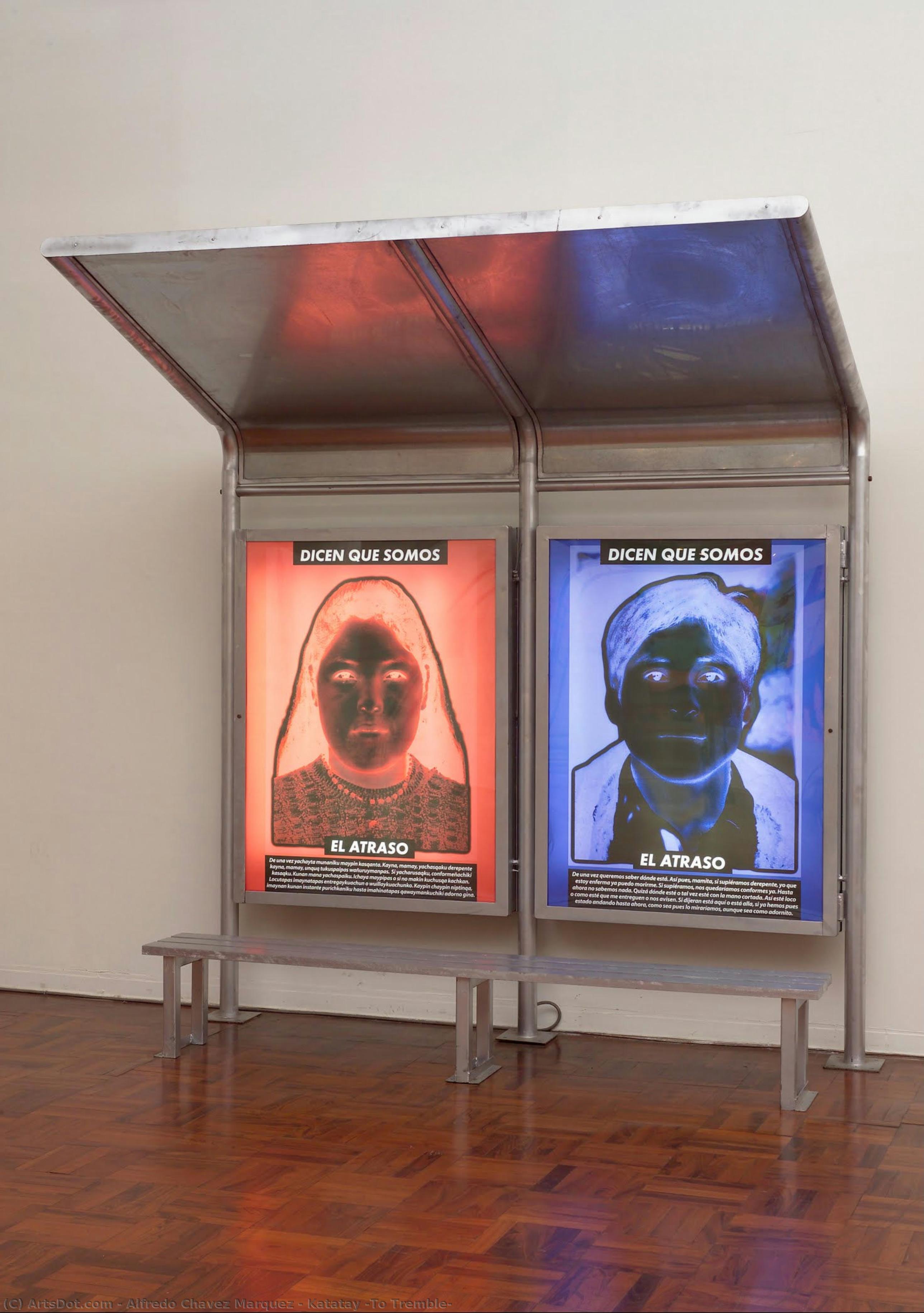
 Podgląd w skali
 Wyślij jako kartkę
 Udostępnij
 Szczegóły dzieła

 Pobierz
 Podobne obiekty
 RTG
RTG Pokaz slajdów
Katatay (To Tremble)
 2003
2003 1100.0 x 1550.0 cm
 Museo de Arte de Lima
 Rozwiń treść
Kup wysokiej rozdzielczości, ulepszony obraz cyfrowy o znacznie wyższej jakości niż podgląd online.
Każdy plik jest starannie przygotowywany przez naszych specjalistów przy użyciu zaawansowanych narzędzi oraz profesjonalnej, ręcznej retuszy. Dbamy o to, aby każdy obraz cechował się wyjątkową ostrością, precyzyjnym odwzorowaniem kolorów i subtelnymi detalami.
Ostateczny plik dostarczany jest drogą mailową w ciągu 72 godzin, zoptymalizowany do natychmiastowego wykorzystania w profesjonalnych zastosowaniach redakcyjnych i poligraficznych. To ta sama jakość, której ufają czołowe studia projektowe, wydawnictwa oraz galerie sztuki.
Obraz cyfrowy
Pobierz plik o wysokiej rozdzielczości do osobistego wyświetlania, druku oraz projektów kreatywnych. ( Zamów wydruk Zamów ręcznie malowaną reprodukcję)
W każdym zamówieniu na obraz cyfrowy znajduje się
Profesjonalna dostawa cyfrowa z gwarancją
Wybierając OriginalUniqueArt.com, nie otrzymujesz jedynie obrazu – otrzymujesz profesjonalnie udoskonalone cyfrowe dzieło sztuki, stworzone z najwyższą precyzją i objęte gwarancją satysfakcji. Oto wszystko, co automatycznie dołączane jest do Twojego zamówienia:

Błyskawiczna wysyłka e-mailowa
Plik z obrazem cyfrowym w wysokiej rozdzielczości zostanie przesłany na Twój adres e-mail w ciągu 72 godzin od złożenia zamówienia – gotowy do natychmiastowego użycia.

Plik cyfrowy wzbogacony przez AI
Twoja grafika została profesjonalnie zoptymalizowana przy użyciu zaawansowanych narzędzi AI oraz ręcznej edycji, co zapewnia maksymalną szczegółowość, klarowność i wierność kolorów.

Dożywotnia darmowa ponowna dostawa
Przypadkowo usunąłeś lub zgubiłeś swój plik? Bez obaw – prześlemy go Tobie ponownie w dowolnym momencie, bez żadnych opłat.

Bez opłat importowych – zawsze
Ciesz się swoją sztuką natychmiast, bez żadnych opłat celnych, należności ani kosztów dostawy – pliki cyfrowe są zawsze wolne od podatku.

Gwarancja wierności kolorów
Dzięki zastosowaniu profesjonalnych narzędzi i procesów zarządzania barwą zapewniamy, że Twoje cyfrowe zdjęcie odzwierciedla oryginalne kolory tak wiernie, jak to tylko możliwe.

60-dniowa gwarancja satysfakcji
Jeśli nie będziesz zadowolony ze swojego cyfrowego obrazu, dokonamy jego poprawki lub zwrócimy 100% kosztów w ciągu 60 dni – bez żadnych pytań.

100% Gwarancja zwrotu pieniędzy
Nie jesteś zadowolony? Otrzymaj pełny zwrot kosztów w ciągu 60 dni od otrzymania pliku cyfrowego – bez zbędnych pytań.

Rabaty przy zamówieniach hurtowych
Kup 3 obrazy, oszczędź 10% - Kup 5, oszczędź 15% - Kup 10+, oszczędź 20%. Idealne do projektów kreatywnych, galerii i agencji.
Opis kolekcjonerski
Biografia artysty
Lucian Freud: A Portrait of the Soul
Lucian Michael Freud (1922-2011) remains one of the most significant and intensely debated figures in 20th-century British art. More than simply a portrait painter, Freud offered a profound exploration of human psychology, capturing not just outward appearances but also the inner lives and vulnerabilities of his subjects – friends, family, lovers, and even the occasional stranger. His work, characterized by its thick impasto, unsettling interiors, and often confrontational intimacy, continues to provoke and fascinate viewers decades after its creation.
Born in Berlin during a period of immense political upheaval, Freud’s early life was shaped by his family's Jewish heritage and their eventual emigration to London in 1933. This experience profoundly influenced his artistic sensibility, fostering a sense of displacement and an acute awareness of the complexities of identity. His father, Ernst Freud, was the fourth child of Sigmund Freud, the renowned psychoanalyst, though Lucian maintained a deliberately distanced relationship with his famous uncle. This familial connection, however, undoubtedly contributed to the intellectual currents that informed his artistic development.
Freud’s formal art training began at Bryanston School and later at Dartington Hall, where he encountered a group of progressive educators who emphasized experiential learning and encouraged experimentation. However, it was his time in Paris during the 1940s – a period heavily influenced by Surrealism – that initially shaped his artistic approach. He experimented with dreamlike imagery and explored the subconscious, but quickly moved beyond this early influence to develop a distinctly realist style, albeit one radically different from traditional portraiture. His early works, such as “Portrait of Kitty” (1948-49), already hinted at the intensity and psychological depth that would become hallmarks of his mature oeuvre.
The Development of a Unique Style
Freud’s artistic evolution can be traced through several key stages. Initially influenced by Surrealism, he moved towards Expressionism, capturing raw emotion and distorted forms. Yet, it was in the early 1950s that he forged his own distinctive style – one characterized by an almost brutal honesty and a willingness to confront uncomfortable truths about human nature. He abandoned idealized representations, opting instead for unflinching portrayals of his subjects’ physicality, often revealing their vulnerabilities and imperfections.
A crucial element of Freud's technique was his reliance on direct observation and extended sittings with his models. He famously demanded hours-long sessions, sometimes lasting days, patiently waiting for the precise moment when a subject would reveal themselves – a flicker of emotion, a subtle shift in expression. This process wasn’t merely about capturing likeness; it was about penetrating the surface and accessing the inner world of the individual. His studio became a space of intense psychological engagement, where the artist and model existed in a state of almost symbiotic relationship.
Freud's use of paint was equally significant. He applied thick layers of impasto, building up texture and volume to create a palpable sense of presence. The surfaces of his paintings are often rough and uneven, reflecting the physicality of his subjects and conveying a feeling of immediacy and urgency. The dark, muted palette – dominated by browns, greys, and blacks – further contributes to the somber and introspective mood of his work.
Major Works and Influences
Throughout his prolific career, Freud produced a vast body of paintings, drawings, and prints. Some of his most celebrated works include “Benefits Supervisor Sleeping” (1995), a monumental portrait of the dancer and performer Alison Hedley; "The Bear" (1964), a powerfully evocative depiction of his dachshund, Pablo; and numerous portraits of friends and family members, including David Hockney, Rosalinde Franklin, and Clement Freud. These works demonstrate his ability to capture not just physical likeness but also the essence of his subjects’ personalities.
Freud's work has been influenced by a diverse range of sources, from Rembrandt and Velázquez – masters of psychological portraiture – to the German Expressionists and the British School of London. However, he ultimately forged his own unique path, rejecting conventional notions of beauty and embracing a more honest and challenging approach to representation.
Legacy and Historical Significance
Lucian Freud’s impact on contemporary art is undeniable. He challenged traditional conventions of portraiture, pushing the boundaries of what was considered acceptable subject matter and technique. His unflinching honesty and psychological depth have resonated with artists and viewers alike, establishing him as one of the most important figures in British art since World War II.
Despite facing criticism for his sometimes unsettling depictions of his subjects, Freud’s work continues to be exhibited widely and studied extensively. He remains a vital voice in the ongoing conversation about representation, identity, and the complexities of human experience. His legacy lies not only in the beauty of his paintings but also in their profound ability to provoke thought and emotion.
alfredo chavez marquez
1922 - 2014 , United States of America
Krótka nota
- Artistic Movement Or Style: Figurative art, Portraiture
- Artists Or Movements Influenced By This Artist:
- Surrealism
- Expressionism
- Artists Who Influenced This Artist:
- Cedric Morris
- David and Eli
- Date Of Birth: 8 December 1922
- Date Of Death: 20 July 2011
- Full Name: Lucian Michael Freud
- Nationality: British
- Notable Artworks:
- Portrait of Kitty
- Benefits Supervisor Sleeping
- Place Of Birth: Berlin, Germany

