

 Podgląd w skali
 Wyślij jako kartkę
 Udostępnij
 Szczegóły dzieła

 Pobierz
 Podobne obiekty
 RTG
RTG Pokaz slajdów
 Statystyki
Taking the
 Watercolor
- WallArt
- Contemporary Realism
 1837
1837- 19th Century
 27.0 x 20.0 cm
 Amon Carter Museum of American Art
 Rozwiń treść
Ręcznie malowana reprodukcja olejowa
Ręcznie malowany obraz olejny na płótnie, wykonany na zamówienie przez naszych artystów w wybranym przez Ciebie wymiarze i oprawie. ( Przełącz na wydruki Przełącz na obraz cyfrowy)




P118B $10

P118H $10

P118W $10

P438Z $10

P508JH $12

P508YH $12

P805H $10

P805Z $10

P919BZ $10

P919G $10

P919XJ $10

P959ZH $10

P968JZ $12

W106C $8

W218G $10

W218JH $8

W218Y $10

W307PJ $10

W316G $10

W316PJ $8

W316Y $10

W398PJ $8

W4111J $10

W500HY $15

W500JH $15

W692G $12

W849H $8

W940BG $15

W953PJ $8




Wybierz spośród naszych standardowych rozmiarów, które zachowują oryginalne proporcje dzieła sztuki.

Możesz wprowadzić własne wymiary, aby dopasować obraz do konkretnej ramy lub przestrzeni. Jeśli wybrany rozmiar nie będzie odpowiadał proporcjom oryginału, przytniecie dzieło sztuki lub rozszerzymy je o dodatkowe elementy, ręcznie domalowane przez artystę. Przed rozpoczęciem produkcji wyślemy projekt cyfrowy do Twojej akceptacji.
Należy pamiętać, że podgląd na ekranie nie odzwierciedla rzeczywistego przycinania ani rozszerzania obrazu. Tylko projekt dokładnie pokaże ostateczną kompozycję.
Choć oferujemy możliwość zamówienia niestandardowych rozmiarów, zalecamy wybór wymiaru z gotowej listy, aby zachować oryginalne proporcje dzieła.
Po złożeniu zamówienia zespół OriginalUniqueArt.com skontaktuje się z klientem drogą mailową w celu uzyskania instrukcji i prześle wizualizację projektu
Dostawa na całym świecie () w ciągu 3–4 tygodni zamiast standardowych 5 tygodni. (12 Wrzesień). Bez kompromisów w kwestii jakości.

Bezpłatna ekspresowa wysyłka na cały świat

Wysokiej jakości płótno lniane

Pełne ubezpieczenie przesyłki

Gwarancja zwrotu należności celnych i podatków importowych

Gwarancja wiernego odwzorowania kolorów

100-dniowa polityka zwrotów (tylko w przypadku wad)

Gwarancja 100% zwrotu kosztów

Zniżka przy zamówieniu wielu produktów
 Opcja ze szkłem jest dostępna wyłącznie w rozmiarach poniżej 110 cm

Taking the
Technika reprodukcji
Wymiary reprodukcji
-


Cena całkowita
$ 300
Taking the Hump Rib
Alfred Jacob Miller’s “Taking the Hump Rib” stands as an arresting testament to the Romantic spirit of American art—specifically, its fascination with the untamed frontier and the portrayal of indigenous cultures amidst the grandeur of the Rocky Mountains. Completed in 1837, this watercolor painting captures a pivotal moment during William Drummond Stewart's expedition into the West, documenting not merely scenery but also the complex interactions between European observers and Native American communities. The artwork’s composition immediately draws the eye to a central scene: a group of men—likely fur traders—engaged in assisting a horseman struggling to ascend a steep incline, aptly named “Hump Rib.” Miller skillfully employs watercolor techniques—characterized by delicate washes and subtle gradations of color—to convey both the ruggedness of the landscape and the palpable tension within the tableau. The muted palette—dominated by browns, greens, and blues—reflects the prevailing atmospheric conditions of the region during that time, lending an air of authenticity to the depiction. Beyond its technical prowess, “Taking the Hump Rib” resonates with deeper symbolic significance. It embodies the Romantic ideal of confronting nature’s challenges head-on, mirroring Stewart's ambition to explore and document the wilderness while simultaneously acknowledging the vulnerability of human endeavor against its formidable forces. The horseman represents not only physical exertion but also the pursuit of progress—a theme central to the burgeoning American Westward expansion. Simultaneously, Miller subtly portrays the collaborative spirit between Europeans and Native Americans, highlighting the necessity of mutual respect and understanding in navigating unfamiliar territories. The painting’s emotional impact is undeniable. It evokes a sense of immediacy and drama, transporting viewers back to 1837 and immersing them in the sights and sounds of the expedition. Miller's meticulous observation—evident in the detailed rendering of clothing, equipment, and facial expressions—transforms the scene into more than just a visual record; it becomes a window into the human experience within the context of an era defined by exploration, discovery, and cultural exchange.- Artist: Alfred Jacob Miller
- Year Created: 1837
- Medium: Watercolor
- Dimensions: 27 x 20 cm
- Location: Private Collection
Historical Context: The Fur Trade Era and Stewart’s Expedition
The painting emerged during the height of the fur trade era—a period marked by intense competition between European nations for control over lucrative trading routes in North America. William Drummond Stewart's expedition aimed to establish a foothold for the American Fur Company (AFC) among Native American tribes, primarily the Crow and Pawnee. Miller’s artwork serves as invaluable documentation of this undertaking, capturing not only the physical landscape but also the social dynamics inherent in intercultural encounters. The AFC sought to forge alliances with indigenous peoples while simultaneously exploiting their resources—a complex relationship that fueled both economic prosperity and cultural disruption.Technique: Watercolor Rendering and Observational Detail
Miller’s masterful watercolor technique—characterized by layering translucent washes of pigment—allowed him to achieve remarkable luminosity and tonal subtlety. He meticulously studied the effects of light on the terrain, skillfully capturing the rugged contours of the mountains and the diffuse glow of twilight. Furthermore, Miller's keen eye for detail extended beyond mere topographical representation; he painstakingly rendered clothing, equipment, and facial expressions, conveying a profound understanding of human behavior within the context of an unfamiliar environment.Symbolism: Confrontation with Nature and Collaboration Between Cultures
“Taking the Hump Rib” embodies several symbolic motifs that encapsulate the Romantic worldview prevalent during Miller’s time. The arduous climb represents humanity's struggle against nature—a recurring theme in Romantic art—while simultaneously symbolizing ambition and aspiration. Simultaneously, the collaborative effort between Stewart and his men underscores the importance of mutual respect and understanding in navigating intercultural relations—a sentiment particularly pertinent to the historical context of the fur trade era.O artyście
A Pioneer of the American West
Alfred Jacob Miller, born in Baltimore in 1810, occupies a unique and vital position in the narrative of American art. He wasn’t merely a painter of landscapes or portraits; he was a visual chronicler of a vanishing world – the fur trade era of the Rocky Mountains and the lives of the Native American tribes who inhabited them. His journey to artistic recognition was unconventional, beginning not with formal academic training but with an innate talent nurtured by early exposure to artists like Thomas Sully. While attending John D. Craig’s Academy in Baltimore, Miller's education lacked a dedicated art curriculum, yet this absence perhaps fostered a distinctive style that would later set him apart. A pivotal period followed when he journeyed to Paris in 1832, immersing himself in the rigorous study of life drawing at the École des Beaux-Arts and absorbing the artistic traditions of Europe. This foundational experience honed his observational skills and provided a technical base upon which he would build his uniquely American vision.Early Influences and Artistic Training
Miller’s formative years were marked by an appreciation for visual art instilled by his parents, who recognized his talent from a young age. Recognizing the importance of formal training, he enrolled in John D. Craig’s Academy in Baltimore where he honed his skills in portraiture under Thomas Sully—a master whose dramatic chiaroscuro techniques would profoundly influence Miller's own artistic approach. This exposure to Sully’s style established a precedent for Miller’s future endeavors and solidified his commitment to capturing emotion and atmosphere within his paintings. Furthermore, his travels abroad – specifically to Rome in 1834 – allowed him to study the monumental sculptures of antiquity, particularly those embodying idealized forms—a stylistic influence that would permeate his later works.The Parisian Years: Mastering Technique
Miller’s decision to pursue artistic studies in Paris represented a decisive step toward realizing his potential as an artist. At the École des Beaux-Arts, he engaged in intensive life drawing sessions, diligently replicating anatomical models and mastering the principles of perspective—skills essential for creating realistic depictions of human figures and landscapes alike. This immersive experience not only refined his technical proficiency but also exposed him to the artistic currents of the era, fostering a deeper understanding of European painting traditions. Notably, Miller’s engagement with Barbizon painters—artists who championed plein air painting and sought to capture the grandeur of nature—further broadened his stylistic horizons and instilled in him a reverence for observation and direct representation.The Stewart Expedition: Documenting the Frontier
A transformative moment arrived in 1837 when Sir William Drummond Stewart, a Scottish aristocrat with unwavering fascination for the untamed West, commissioned Miller to accompany him on an expedition into the Rocky Mountains. This wasn’t simply a commission; it was an unparalleled opportunity to witness firsthand the landscapes and cultures of a region largely unexplored by Americans at the time. For months, Miller meticulously sketched scenes of Native American life—the Sioux, Crow, Shoshone, and others—capturing their customs, clothing, rituals, and interactions with trappers and traders. He recorded the rugged beauty of the terrain, the drama of hunts, and the quiet moments of daily existence on the frontier. These weren’t romanticized depictions intended to glorify the West; they were honest observations imbued with a sensitivity that distinguished Miller's work from much of his contemporaries’. The expedition yielded approximately 200 sketches and watercolors—a remarkable testament to Miller’s dedication and artistic vision.Style and Legacy: Romantic Realism
Miller’s distinctive style embodies a harmonious blend of realism and romantic idealism. Like many artists of his time, he drew inspiration from the Barbizon School's emphasis on capturing natural light and atmosphere, yet he possessed an extraordinary ability to render details with precision—the intricate beadwork on Native American garments, the texture of animal hides, the subtle nuances of light across the landscape. Simultaneously, Miller infused his paintings with a dramatic flair, conveying emotion and narrative through masterful composition and expressive brushstrokes. His works often depict idealized landscapes imbued with spiritual grandeur—a stylistic hallmark that reflects his profound admiration for classical sculpture figures and his belief in capturing the sublime beauty of nature. Paintings such as The Lake Her Lone Bosom Expands to the Sky exemplify this approach, demonstrating Miller’s ability to synthesize observation and imagination into a singular artistic statement. His legacy endures not only as one of the first American artists to document the Rocky Mountains but also as a pioneer of Romantic Realism—a movement that championed both accuracy and emotional depth within its artistic endeavors. Alfred Jacob Miller's paintings remain treasured artifacts of 19th-century art history, offering invaluable insights into the spirit of exploration and the beauty of the American frontier.
Alfred Jacob Miller
1810 - 1874 , Stany Zjednoczone
Krótka nota
- Artistic Movement Or Style: Realism & Romanticism
- Artists Who Influenced This Artist:
- Thomas Sully
- Horace Vernet
- Date Of Birth: January 2, 1810
- Date Of Death: 1874
- Full Name: Alfred Jacob Miller
- Nationality: American
- Notable Artworks:
- The Lake Her Lone Bosom Expands...
- Camp Scene (Sioux)
- Big Bowl (A Crow Chief)
- Argali - Mountain Sheep
- Snake Indians Shooting Elk
- Shoshone Indian & Pet Horse
- Place Of Birth: Baltimore, USA
Powiązane artykuły

Grant Wood & American Regionalism: Identity, Myth & the Rural Landscape
Explore the world of Grant Wood & American Regionalism with OriginalUniqueArt. Discover the symbolism behind 'American Gothic', recurring themes, and the movement's lasting impact on art history. High-quality reproductions available.

Benjamin West: Transatlantic Ambition & Shaping American Art
Explore the life & legacy of Benjamin West, pioneering American artist and Royal Academy president. Discover his Neoclassical masterpieces, transatlantic influence, and lasting impact on art history. Learn more at OriginalUniqueArt.

Alfred Jacob Miller: Chronicling the American West Through Artistic Observation & Narrative
Explore the captivating art of Alfred Jacob Miller, chronicler of the American West. Discover his iconic paintings, techniques & lasting legacy – a valuable addition to any serious collection. Learn more at OriginalUniqueArt.

Sir Alfred James Munnings: 25 Arcydzieł Malarstwa Koni i Angielskiej Wsi | OriginalUniqueArt.com
Odkryj 25 arcydzieł Sir Alfreda Jamesa Munningsa – mistrza malarstwa koni i angielskiego krajobrazu. Poznaj historię, technikę i piękno jego obrazów. Reprodukcje najwyższej jakości na OriginalUniqueArt.com! Eksploruj pełną kolekcję online.
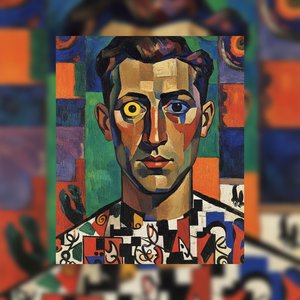
Alfred Henry Maurer: Reassessing the Pioneer of American Modernist Abstraction
Explore the groundbreaking work of Alfred Henry Maurer, a pivotal figure in American Modernism. Discover his Fauvist & Cubist paintings and understand his lasting influence on abstract art. Expert analysis for collectors.
