
 Podgląd w skali
 Wyślij jako kartkę
 Udostępnij
 Szczegóły dzieła

 Pobierz
 Podobne obiekty
 RTG
RTG Pokaz slajdów
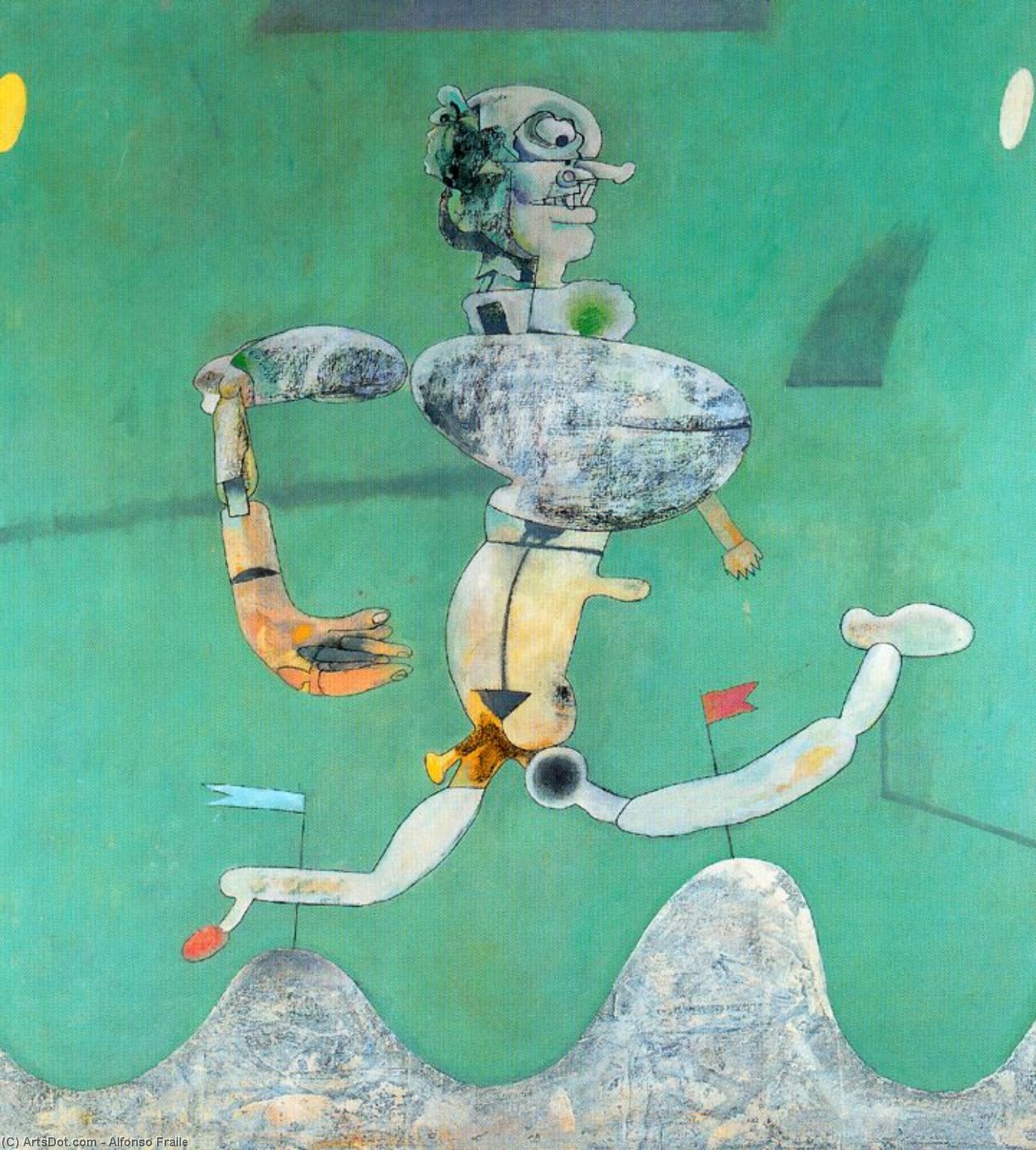
Untitled (508)
 Rozwiń treść
Kup wysokiej rozdzielczości, ulepszony obraz cyfrowy o znacznie wyższej jakości niż podgląd online.
Każdy plik jest starannie przygotowywany przez naszych specjalistów przy użyciu zaawansowanych narzędzi oraz profesjonalnej, ręcznej retuszy. Dbamy o to, aby każdy obraz cechował się wyjątkową ostrością, precyzyjnym odwzorowaniem kolorów i subtelnymi detalami.
Ostateczny plik dostarczany jest drogą mailową w ciągu 72 godzin, zoptymalizowany do natychmiastowego wykorzystania w profesjonalnych zastosowaniach redakcyjnych i poligraficznych. To ta sama jakość, której ufają czołowe studia projektowe, wydawnictwa oraz galerie sztuki.
Obraz cyfrowy
Pobierz plik o wysokiej rozdzielczości do osobistego wyświetlania, druku oraz projektów kreatywnych. ( Zamów wydruk Zamów ręcznie malowaną reprodukcję)
W każdym zamówieniu na obraz cyfrowy znajduje się
Profesjonalna dostawa cyfrowa z gwarancją
Wybierając OriginalUniqueArt.com, nie otrzymujesz jedynie obrazu – otrzymujesz profesjonalnie udoskonalone cyfrowe dzieło sztuki, stworzone z najwyższą precyzją i objęte gwarancją satysfakcji. Oto wszystko, co automatycznie dołączane jest do Twojego zamówienia:

Błyskawiczna wysyłka e-mailowa
Plik z obrazem cyfrowym w wysokiej rozdzielczości zostanie przesłany na Twój adres e-mail w ciągu 72 godzin od złożenia zamówienia – gotowy do natychmiastowego użycia.

Plik cyfrowy wzbogacony przez AI
Twoja grafika została profesjonalnie zoptymalizowana przy użyciu zaawansowanych narzędzi AI oraz ręcznej edycji, co zapewnia maksymalną szczegółowość, klarowność i wierność kolorów.

Dożywotnia darmowa ponowna dostawa
Przypadkowo usunąłeś lub zgubiłeś swój plik? Bez obaw – prześlemy go Tobie ponownie w dowolnym momencie, bez żadnych opłat.

Bez opłat importowych – zawsze
Ciesz się swoją sztuką natychmiast, bez żadnych opłat celnych, należności ani kosztów dostawy – pliki cyfrowe są zawsze wolne od podatku.

Gwarancja wierności kolorów
Dzięki zastosowaniu profesjonalnych narzędzi i procesów zarządzania barwą zapewniamy, że Twoje cyfrowe zdjęcie odzwierciedla oryginalne kolory tak wiernie, jak to tylko możliwe.

60-dniowa gwarancja satysfakcji
Jeśli nie będziesz zadowolony ze swojego cyfrowego obrazu, dokonamy jego poprawki lub zwrócimy 100% kosztów w ciągu 60 dni – bez żadnych pytań.

100% Gwarancja zwrotu pieniędzy
Nie jesteś zadowolony? Otrzymaj pełny zwrot kosztów w ciągu 60 dni od otrzymania pliku cyfrowego – bez zbędnych pytań.

Rabaty przy zamówieniach hurtowych
Kup 3 obrazy, oszczędź 10% - Kup 5, oszczędź 15% - Kup 10+, oszczędź 20%. Idealne do projektów kreatywnych, galerii i agencji.
Biografia artysty
Early Life and Artistic Beginnings
Alfonso Fraile, born in the Andalusian town of Marchena, Spain, in 1930, emerged as a significant voice within the Spanish art scene during a period of profound social and political transition. His formative years were steeped in the traditions of rural Spain, an environment that would later subtly inform his artistic vision despite his eventual embrace of more avant-garde styles. Relocating to Madrid to pursue formal training at the Escuela Superior de Bellas Artes, Fraile embarked on a journey that saw him initially drawn to the complexities of Cubism and Art Informel. These early explorations laid the groundwork for a career characterized by constant evolution and a willingness to challenge conventional artistic boundaries. While details surrounding his personal life remain somewhat elusive, it’s clear that Madrid's vibrant cultural landscape proved pivotal in shaping his aesthetic sensibilities and fostering a spirit of experimentation.The Nuevo Espacialismo and a Shift Towards Figuration
By the mid-1960s, Spain was experiencing a burgeoning artistic shift away from the dominance of Informalism. Fraile found himself at the forefront of this movement, co-founding the group “Nuevo Espacialismo” alongside José Vento Ruiz, Ángel Medina, and Julio Martín-Caro. This collective sought to reintroduce figuration into Spanish art, but not as a simple return to representational painting. Inspired by artists like Willem de Kooning, they aimed for a dynamic interplay between abstraction and recognizable forms, imbued with a distinctly ironic edge. The group’s work was characterized by gestural brushwork, spatial dynamism, and a deliberate rejection of prevailing European trends in favor of a uniquely Spanish artistic identity. Fraile's early engagement with Nuevo Espacialismo marked a crucial turning point, setting the stage for his later development of what would become known as Neo-Figuration. He also expressed interest in the unflinching realism of Goya, which influenced his narrative approach.Mature Style: Grotesque Portraits and Symbolic Isolation
Fraile’s mature style, emerging in the 1970s, is perhaps best described as a compelling blend of whimsy, grotesque imagery, and profound psychological depth. He began translating his earlier drawings—often characterized by distorted faces and unsettling figures—into large-scale paintings. These compositions initially featured multiple characters floating within ambiguous spaces, resonating with the work of artists like Jean Dubuffet in their raw energy and unconventional aesthetic. Over time, Fraile’s focus shifted towards isolated portraits and tableaux depicting single figures, each imbued with a sense of alienation and introspection. His palette became increasingly refined, employing neutral backgrounds and clear colors to accentuate the emotional weight of his subjects. The resulting works are not merely depictions of individuals but rather explorations of the human condition—fragile, vulnerable, and often marginalized.Themes and Symbolism in Fraile’s Oeuvre
A recurring theme throughout Fraile's career is the exploration of isolation and the objectification of subjective experience. His figures, often rendered with a cartoonish quality that belies their underlying emotional complexity, seem trapped within their own internal worlds. The use of broad swatches of color and energetic brushwork further emphasizes this sense of confinement, creating a visual tension between form and space. Fraile’s paintings are rarely overtly narrative; instead, they rely on symbolic imagery and unsettling juxtapositions to evoke a range of emotions—from sarcasm and anxiety to melancholy and despair. He often revisited compositions multiple times, exploring variations in palette and texture to refine the psychological impact of his work. This serial approach underscores his commitment to capturing the nuances of human emotion and the complexities of the inner life.Legacy and Historical Significance
Alfonso Fraile’s contributions to Spanish contemporary art were widely recognized during his lifetime, culminating in several prestigious awards including the National Painting Prize (1962), the Ateneo de Madrid Critique Award (1963), and the National Visual Arts Prize (1983). His paintings are showcased at the Museo de Arte Contemporáneo in Madrid. A major retrospective exhibition held at the Museo Nacional Centro de Arte Reina Sofía in 1998-99 solidified his place as a pivotal figure in postwar Spanish art. Fraile’s work continues to resonate with audiences today, offering a powerful and unsettling commentary on the human condition. His ability to blend abstraction, figuration, and symbolism created a unique visual language that challenged conventional artistic boundaries and paved the way for future generations of Spanish artists. He left behind a body of work that is both deeply personal and universally relevant—a testament to his enduring vision and unwavering commitment to exploring the complexities of the human experience.
alfonso fraile
1930 - 1988 , Spain
Krótka nota
- Artistic Movement Or Style: Surrealism, Abstract Expressionism
- Artists Who Influenced This Artist:
- Willem de Kooning
- Goya
- Date Of Birth: 1930
- Date Of Death: 1988
- Full Name: Alfonso Fraile
- Nationality: Spanish
- Notable Artworks:
- Untitled (121)
- Untitled (991)
- Untitled (610)
- Place Of Birth: Madrid, Spain

