Zobacz w skali 1:1
 Wyślij
 Udostępnij
 Szczegóły
 Przewodnik

 Pobierz plik obrazu
 Podobne obiekty
 RTG
RTG Pokaz slajdów
 Statystyki
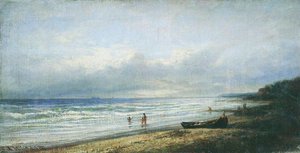
Mosquée Konstantynopolis
 Akryl na płótnie
- Sztuka ścienna
- Romantic Landscape Painting
 State Fine Arts Museum of The Republic of Kazakhstan
 Czytaj więcej
Giclée / Wydruk artystyczny
Wydruki giclée lub płótna o jakości muzealnej, szybka realizacja i szeroki wybór opcji wykończenia. ( Kup ręcznie malowany obraz Przełącz na wersję cyfrową)




P118B zł10

P118H zł10

P118W zł10

P438Z zł10

P508JH zł12

P508YH zł12

P805H zł10

P805Z zł10

P919BZ zł10

P919G zł10

P919XJ zł10

P959ZH zł10

P968JZ zł12

W106C zł8

W218G zł10

W218JH zł8

W218Y zł10

W307PJ zł10

W316G zł10

W316PJ zł8

W316Y zł10

W398PJ zł8

W4111J zł10

W500HY zł15

W500JH zł15

W692G zł12

W849H zł8

W940BG zł15

W953PJ zł8




Wybierz spośród naszych standardowych rozmiarów, które zachowują oryginalne proporcje dzieła sztuki.

Możesz wprowadzić własne wymiary, aby dopasować dzieło do konkretnej ramy lub przestrzeni. Jeśli wybrany rozmiar nie będzie odpowiadał proporcjom oryginalnego obrazu, przytniecie dzieło lub rozszerzymy obraz za pomocą odbicia lustrzanego lub jednolitego wypełnienia krawędzi. Przed rozpoczęciem produkcji prześlemy cyfrową wizualizację do Twojej akceptacji.
Prosimy pamiętać, że podgląd na ekranie nie odzwierciedla faktycznego przycinania ani rozszerzania. Tylko wizualizacja dokładnie pokaże końcową kompozycję.
Mimo dostępności niestandardowych rozmiarów, zalecamy wybór wymiaru z listy zdefiniowanej, aby zachować oryginalne proporcje.
Dostawa na cały świat () w ciągu 2 tygodni zamiast standardowych 4/5 tygodni. (5 Październik)

Bezpłatna ekspresowa wysyłka na cały świat

Wysokiej jakości płótno lniane

Pełne ubezpieczenie transportowe

Gwarancja zwrotu należności celnych i podatków importowych

Gwarancja idealnego odwzorowania barw

100-dniowy okres na zwrot dzieła w przypadku wykrycia wad produkcyjnych

Gwarancja 100% zwrotu pieniędzy

Oferta przy zakupie wielu sztuk
 Opcja ze szkłem jest dostępna wyłącznie w rozmiarach poniżej 110 cm

Mosquée Konstantynopolis
Giclée / Wydruk artystyczny
Rozmiar reprodukcji
-


Suma do zapłaty
zł 297
Zapowiedź Sztuki: Meczet w Konstantynopolu – Odkrycie Klasycznej Estetyki
Alexei Petrovich Bogoliubov, rosyjski pejzażysta i malarz morski, pozostawił po sobie bogate dziedzictwo twórczości, które z niezwykłą dokładnością oddaje ducha epoki romantyzmu. Jego życie było świadectwem połączenia dyscypliny militarnej z głębokim zainteresowaniem sztuką – ojciec służył w rosyjskiej armii, a dziadek matki był wybitnym filozofem Aleksandrem Radiszewskim. Ta dualność nie tylko kształtowała jego osobisty wybór, ale także stanowiła fundament dla charakterystycznego stylu jego obrazów. Jego edukacja rozpoczęła się od studiów szkolnych wojskowych, kontynuowana służbą w Imperatorskim Marynocku Rosyjskim, podczas której przemierzając oceany, Bogoliubov zanurzył się w różnorodnych kulturach i doświadczeniach. Te podróże były czymś więcej niż tylko eksploracją geograficzną; stanowiły istotną fazę rozwoju jego świadomości i inspiracją dla przyszłej twórczości. Bogoliubov był jednym z najważniejszych przedstawicieli szkoły rosyjskiego pejzażu romantycznego, której głównym celem było oddanie piękna natury oraz emocji towarzyszących jej obserwacji. Jego prace inspirowane są filozofią Ayvazowskiego i Barbizon School, która skupia się na wiernym odwzorowaniu rzeczywistości przy użyciu jasnych kolorów i miękkiego światła – techniki charakterystycznej dla tego okresu. Szczególną uwagę należy zwrócić na szczegółową obserwację krajobrazu oraz umiejętność uchwycenia jego atmosfery, co znajduje odzwierciedlenie w obrazach Bogoliubowa. Jego twórczość wyraża głębokie zrozumienie piękna świata zewnętrznego i wewnętrznego jednocześnie. Obraz „Meczet w Konstantynopolu” przedstawia fascynujący aspekt historii miasta – jego monumentalną architekturę oraz życie codziennego mieszkańców. Szczególną uwagę przykuwa reprezentacja meczetu, który stoi na pierwszym planie kompozycji i dominuje krajobrazem. Jego ogromna konstrukcja, otoczona innymi budynkami miejskimi, stanowi doskonałe przykład klasycznej architektury bizantyjskiej. Bogoliubov wiernie oddaje szczegółową fakturę murów oraz kolorystykę wnętrza meczetu, wykorzystując technikę olejną na płótnie – metodę charakterystyczną dla jego twórczości i zapewniającą trwałość obrazu. Dodatkowe elementy obrazu, takie jak ludzie i łódki pływające po Morzu Czarnym, dodają scenie dynamiki i atmosfery życia miasta w okresie świetności Bizantyjskiego Imperium. Symbolicznie rzecz biorąc, obraz „Meczet w Konstantynopolu” odnosi się do bogatej historii miasta oraz jego roli centrum religijnego i kulturalnego. Meczet był jednym z najważniejszych obiektów sakralnych Konstantynopola, świadectwem długotrwałego wpływu kultury greckiej i słowiańskiej na Europę Środkową. Bogoliubov umiejętnie wykorzystuje symbole światła i ciemności oraz kolorystykę obrazu, aby przekazać emocje związane z wierzą i duchową refleksją. Obraz zachwyca swoim pięknem i głębią emocjonalną, przypominając widzom o majestacie historii i sztuki klasycznej. Jego reprodukcję warto zainstalować w przestrzeni wnętrza domu lub galerii sztuki – zapewniając jej wyjątkowy charakter oraz dodając atmosfery spokoju i refleksji.Pytania i odpowiedzi
Do czego zaleca się wykorzystanie wydruku "Mosquée Konstantynopolis"?
Sugerowanym zastosowaniem dla „Mosquée Konstantynopolis” autorstwa Aleksiej Bogoliubov jest Akcent kolorystyczny. Może on jednak służyć również do innych celów.
Kto stworzył "Mosquée Konstantynopolis"?
„Mosquée Konstantynopolis” zostało stworzone przez Aleksiej Bogoliubov. Informacje na tej stronie opisują oryginalne dzieło autorstwa Aleksiej Bogoliubov.
Czy dzieło "Mosquée Konstantynopolis" jest dostępne jako wysokiej jakości wydruk artystyczny?
„Mosquée Konstantynopolis” jest dostępny jako szlachetna odbitka na płótnie bawełnianym lub archiwalnym papierze płótnopodobnym. Zamówienia można składać na ta strona, w wybranym przez Ciebie rozmiarze.
W jakim rozmiarze zaleca się wydruk dzieła "Mosquée Konstantynopolis"?
Zalecanym rozmiarem wydruku dla dzieła "Mosquée Konstantynopolis" jest Duży format. Dostępne są również inne rozmiary o tych samych proporcjach.
Jak nasycona jest paleta kolorystyczna dzieła "Mosquée Konstantynopolis"?
Paleta dzieła "Mosquée Konstantynopolis" charakteryzuje się Subtelne kolory nasyceniem kolorów.
W jaki sposób nurt i epoka przenikają się w „Mosquée Konstantynopolis” autorstwa Aleksiej Bogoliubov?
W „Mosquée Konstantynopolis” autorstwa Aleksiej Bogoliubov nurt Romantic Landscape Painting łączy się z epoką – Wiek XIX.
Kto sprzedaje ręcznie malowane reprodukcje dzieła „Mosquée Konstantynopolis” autorstwa Aleksiej Bogoliubov?
„Mosquée Konstantynopolis” jest dostępny jako ręcznie malowana reprodukcja olejowa na płótnie lnianym. Zamówienie można złożyć na ta strona, wybierając spośród dostępnych rozmiarów.
Biografia artysty
A Life Painted by Sea and Sky: The World of Alexei Petrovich Bogoliubov
Alexei Petrovich Bogolyubov, a name resonating with the romantic spirit of 19th-century Russian landscape painting, was an artist whose life mirrored the breadth of his artistic vision. Born in 1824 in the Pomeranian village of Novgorod Gubernia, Russia, into a family steeped in both military tradition and intellectual ferment – his father a retired colonel, his maternal grandfather the celebrated philosopher Alexander Radishchev – Bogoliubov’s path was uniquely poised between discipline and free thought. This duality would profoundly shape not only his life choices but also the very essence of his artistic expression. His early years were marked by formal education at military school, followed by service in the Imperial Russian Navy, a period that carried him across vast oceans and introduced him to diverse cultures. These voyages weren’t merely geographical explorations; they were formative experiences that instilled within him a deep reverence for the sea, a subject that would become central to his oeuvre. It was during this naval career that Bogoliubov began to seriously pursue his artistic inclinations, eventually enrolling at the prestigious Saint Petersburg Academy of Arts in 1849 under the tutelage of Maxim Vorobiev.From Naval Officer to Master of Atmosphere
Bogoliubov’s transition from naval officer to full-time artist was a testament to his unwavering dedication and burgeoning talent. He completed his studies at the Academy in 1853, earning a major gold medal – a prestigious recognition that immediately established him within the Russian art world. His early work already hinted at the style he would become known for: a blend of realism and romanticism, capturing not just the visual appearance of landscapes and seascapes but also their emotional resonance. The influence of Ivan Ayvazovsky, the renowned master of marine painting, was particularly significant during this period. Bogoliubov absorbed Ayvazovsky’s technical prowess in depicting light, water, and atmosphere, yet he quickly developed his own distinctive voice. He meticulously studied Ayvazovsky's brushwork, color palettes, and ability to convey the power and unpredictability of the sea, but he wasn’t simply a copyist. Bogoliubov sought to capture not just *what* he saw, but *how* it felt – the cold spray on his face, the roar of the waves, the vastness of the horizon. This pursuit of emotional truth informed every stroke of his brush. Following his formal training, Bogoliubov embarked on an extended period of travel throughout Europe, from 1854 to 1860. These years were crucial for his artistic development, exposing him to a wide range of influences. In Rome, he encountered Alexander Ivanov, who encouraged a greater focus on drawing and foundational skills – a grounding that proved invaluable in developing his technical mastery. Düsseldorf provided the opportunity to study under Andreas Achenbach, whose emphasis on atmospheric perspective and tonal modeling profoundly influenced Bogoliubov’s approach to landscape painting. And finally, Paris introduced him to the Barbizon school – artists like Camille Corot and Charles-François Daubigny – whose commitment to *plein air* painting (working directly from nature) and a focus on capturing the essence of light and atmosphere resonated deeply with his own artistic sensibilities.Bridging Realism and Romanticism: The Essence of His Style
Bogoliubov's paintings are characterized by a remarkable ability to capture the mood and atmosphere of a scene, whether it be the turbulent energy of a naval battle or the serene tranquility of a Volga River landscape. He wasn’t simply recording what he saw; he was conveying how it *felt* to be present in that moment. His seascapes are particularly noteworthy for their dramatic lighting effects, often depicting stormy skies and crashing waves with breathtaking realism. Yet, even within these dynamic compositions, there's a sense of poetic beauty, a romantic sensibility that elevates his work beyond mere documentation. He skillfully balanced meticulous detail with a looser, more expressive brushstroke, creating paintings that are both visually compelling and emotionally evocative. His landscapes, particularly those depicting the Volga River – a symbol of national identity and spiritual significance for the Russian people – showcase his mastery of color and composition, capturing the vastness and beauty of the Russian countryside with remarkable sensitivity. Bogoliubov’s compositions often feature a sense of scale and grandeur, reflecting both the power of nature and the human spirit's capacity to appreciate it. He frequently employed a muted palette, dominated by blues, grays, and browns, creating a somber yet captivating atmosphere that perfectly complemented his subject matter. His work is not defined by bright colors or dramatic contrasts, but rather by subtle shifts in tone and light that evoke a profound sense of mood and emotion.Major Achievements and Artistic Engagement
Throughout his career, Bogolyubov remained actively engaged with the evolving artistic landscape of Russia. He became closely associated with the *Peredvizhniki* (The Wanderers), a group of realist artists who sought to bring art closer to the people through exhibitions held outside of traditional academic institutions. While he participated in their exhibitions and even served on their board, Bogoliubov maintained a degree of independence, occasionally expressing reservations about the movement’s more overtly social and political agendas. In 1873, he left the Academy in solidarity with his fellow itinerants, demonstrating his commitment to artistic freedom and innovation. He established a studio in Paris, where he continued to paint prolifically, attracting a diverse clientele of collectors and patrons. Bogoliubov’s dedication to art extended beyond his own creative endeavors; he was also a generous benefactor of the arts, establishing the Radishchev Museum in Saratov – named after his grandfather, the philosopher Alexander Radishchev – which served as a repository for Russian art and a center for artistic education. He actively supported young artists, providing them with opportunities to exhibit their work and develop their skills. His legacy is not just one of beautiful paintings but also of a commitment to fostering artistic community and promoting access to art for all.A Lasting Legacy
Bogoliubov died on February 3, 1896, in Paris, leaving behind a substantial body of work that continues to be admired for its technical skill, emotional depth, and evocative power. His paintings are held in prominent museums throughout Russia and Europe, including the State Russian Museum in St. Petersburg and the Hermitage Museum in Moscow. His influence can be seen in the works of subsequent generations of Russian landscape painters, who built upon his foundation of realism and romanticism. Alexei Petrovich Bogoliubov’s contribution lies not only in the beauty and technical mastery of his paintings but also in his ability to bridge the gap between realism and romanticism, creating a uniquely Russian artistic vision that captured the spirit of his time – a vision that continues to resonate with viewers today.
Aleksiej Bogoliubov
1824 - 1896 , Rosja
Najważniejsze informacje
- Artistic Movement Or Style: Realizm, Romantyzm
- Artists Or Movements Influenced By This Artist: ['Peredvizhniki']
- Artists Who Influenced This Artist:
- Ivan Ayvazovsky
- Camille Corot
- Andreas Achenbach
- Date Of Birth: 16 marca 1824
- Date Of Death: 7 lutego 1896
- Full Name: Alexei Petrovich Bogoliubov
- Nationality: Rosyjski
- Notable Artworks:
- Portret
- Sinop
- Volga
- Place Of Birth: Novgorod, Rosja
Zobacz także powiązane artykuły

Evocations of Place: A Historical Journey Through Landscape Art
Explore the rich history of landscape art with OriginalUniqueArt. Discover renowned artists, movements like Impressionism & Romanticism, and expert guidance for collecting timeless pieces. Find your perfect serene escape today!

Romantyczny Krajobraz w Malarstwie: 10 Arcydzieł, Które Zdefiniowały Epokę | OriginalUniqueArt.com
Odkryj 10 arcydzieł romantyzmu w malarstwie! Poznaj historie Caspara Davida Friedricha, Turnera i innych mistrzów. Inspiracje wnętrzarskie & reprodukcje obrazów najwyższej jakości na OriginalUniqueArt.com. Eksploruj kolekcję online!
Alexei Bogolyubov: Bridging Realism & Romanticism in the Russian Landscape Tradition
Explore the captivating world of Alexei Bogolyubov, a master of Russian Realism & Romanticism. Discover his stunning landscapes, maritime scenes, and lasting influence on 19th-century art. Learn more at OriginalUniqueArt.

Aleksey Savrasov: The Poetic Realism That Defined Russian Landscape Painting
Explore the poetic realism of Aleksey Savrasov, founder of Russian lyrical landscape painting. Discover his masterpieces like 'The Rooks Have Returned' and learn about his lasting influence on 19th-century art. OriginalUniqueArt offers high-quality reproductions.

John Constable: 25 Najlepszych Obrazów Mistrza Angielskiego Krajobrazu | OriginalUniqueArt
Odkryj 25 arcydzieł Johna Constable'a – mistrza angielskiego krajobrazu! Poznaj romantyczne pejzaże, technikę malarską i inspiracje z Dedham Vale. Reprodukcje obrazów najwyższej jakości na OriginalUniqueArt.com. Eksploruj pełną kolekcję online!