Zobacz w skali 1:1
 Wyślij
 Udostępnij
 Szczegóły
 Przewodnik

 Pobierz plik obrazu
 Podobne obiekty
 RTG
RTG Pokaz slajdów
 Statystyki
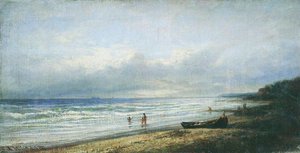
In the Park


 Czytaj więcej
Giclée / Wydruk artystyczny
Wydruki giclée lub płótna o jakości muzealnej, szybka realizacja i szeroki wybór opcji wykończenia. ( Kup ręcznie malowany obraz Przełącz na wersję cyfrową)




P118B $10

P118H $10

P118W $10

P438Z $10

P508JH $12

P508YH $12

P805H $10

P805Z $10

P919BZ $10

P919G $10

P919XJ $10

P959ZH $10

P968JZ $12

W106C $8

W218G $10

W218JH $8

W218Y $10

W307PJ $10

W316G $10

W316PJ $8

W316Y $10

W398PJ $8

W4111J $10

W500HY $15

W500JH $15

W692G $12

W849H $8

W940BG $15

W953PJ $8




Wybierz spośród naszych standardowych rozmiarów, które zachowują oryginalne proporcje dzieła sztuki.

Możesz wprowadzić własne wymiary, aby dopasować dzieło do konkretnej ramy lub przestrzeni. Jeśli wybrany rozmiar nie będzie odpowiadał proporcjom oryginalnego obrazu, przytniecie dzieło lub rozszerzymy obraz za pomocą odbicia lustrzanego lub jednolitego wypełnienia krawędzi. Przed rozpoczęciem produkcji prześlemy cyfrową wizualizację do Twojej akceptacji.
Prosimy pamiętać, że podgląd na ekranie nie odzwierciedla faktycznego przycinania ani rozszerzania. Tylko wizualizacja dokładnie pokaże końcową kompozycję.
Mimo dostępności niestandardowych rozmiarów, zalecamy wybór wymiaru z listy zdefiniowanej, aby zachować oryginalne proporcje.
Dostawa na cały świat () w ciągu 2 tygodni zamiast standardowych 4/5 tygodni. (27 Wrzesień)

Bezpłatna ekspresowa wysyłka na cały świat

Wysokiej jakości płótno lniane

Pełne ubezpieczenie transportowe

Gwarancja zwrotu należności celnych i podatków importowych

Gwarancja idealnego odwzorowania barw

100-dniowy okres na zwrot dzieła w przypadku wykrycia wad produkcyjnych

Gwarancja 100% zwrotu pieniędzy

Oferta przy zakupie wielu sztuk
 Opcja ze szkłem jest dostępna wyłącznie w rozmiarach poniżej 110 cm

In the Park
Giclée / Wydruk artystyczny
Rozmiar reprodukcji
-


Suma do zapłaty
$ 80
A Journey Through Verdant Serenity
In the quiet embrace of 1872, Alexei Petrovich Bogoliubov captured a moment of profound stillness in his masterpiece, "In the Park." This evocative oil on canvas invites the viewer to step away from the clamor of modern life and wander into a secluded woodland sanctuary. The painting depicts a gentle path winding through a dense, lush forest, where a solitary figure moves with quiet purpose amidst the towering trees. At the heart of this composition lies a humble bench, positioned as an invitation for rest or deep contemplation, suggesting that nature is not merely a backdrop but a destination for the soul. Through his masterful use of light and shadow, Bogoliubov transforms a simple stroll through the woods into a spiritual encounter with the natural world.
The technique employed in this work reveals a sophisticated bridge between the precision of classical realism and the burgeoning energy of Impressionism. While the artist’s background at the Saint Petersburg Academy of Arts provided him with a foundation in meticulous detail, "In the Park" breathes with a loose, atmospheric vitality. The foliage is rendered through broken brushstrokes that allow light to dance across the leaves, creating a sense of movement as if a soft breeze were passing through the canopy. The color palette is a rich tapestry of earthy greens and deep browns, punctuated by sudden, brilliant flashes of yellow and orange that mimic the dappled sunlight filtering through the branches. This interplay of color and texture lends the painting a tactile quality, making the forest feel almost palpable to the observer.
The Soul of the Russian Landscape
To understand the emotional resonance of this piece, one must consider Bogoliubov’s unique place in art history. Influenced by the legendary Ivan Ayvazovsky and the naturalistic spirit of the Barbizon School, Bogoliubov possessed a rare ability to capture the essence of a landscape rather than just its topography. In "In the Park," there is a palpable sense of solitude that does not feel lonely, but rather restorative. The composition utilizes a strong diagonal line—the path itself—to draw the eye deep into the receding perspective, pulling the viewer into the heart of the woods. This structural choice creates an immersive experience, making the painting feel less like a window and more like an open doorway.
For the discerning collector or interior designer, this artwork offers much more than mere decoration; it provides an emotional anchor for any space. The subtle use of blues and purples in the shadows adds a layer of mystery and depth, ensuring that the painting maintains its intrigue even upon repeated viewings. Whether placed in a sunlit gallery or a quiet study, "In the Park" brings with it an aura of tranquility and timelessness. It serves as a constant reminder of our fundamental connection to the earth, making it a perfect centerpiece for those seeking to infuse their surroundings with peace, elegance, and the enduring beauty of the natural world.
Biografia artysty
A Life Painted by Sea and Sky: The World of Alexei Petrovich Bogoliubov
Alexei Petrovich Bogolyubov, a name resonating with the romantic spirit of 19th-century Russian landscape painting, was an artist whose life mirrored the breadth of his artistic vision. Born in 1824 in the Pomeranian village of Novgorod Gubernia, Russia, into a family steeped in both military tradition and intellectual ferment – his father a retired colonel, his maternal grandfather the celebrated philosopher Alexander Radishchev – Bogoliubov’s path was uniquely poised between discipline and free thought. This duality would profoundly shape not only his life choices but also the very essence of his artistic expression. His early years were marked by formal education at military school, followed by service in the Imperial Russian Navy, a period that carried him across vast oceans and introduced him to diverse cultures. These voyages weren’t merely geographical explorations; they were formative experiences that instilled within him a deep reverence for the sea, a subject that would become central to his oeuvre. It was during this naval career that Bogoliubov began to seriously pursue his artistic inclinations, eventually enrolling at the prestigious Saint Petersburg Academy of Arts in 1849 under the tutelage of Maxim Vorobiev.From Naval Officer to Master of Atmosphere
Bogoliubov’s transition from naval officer to full-time artist was a testament to his unwavering dedication and burgeoning talent. He completed his studies at the Academy in 1853, earning a major gold medal – a prestigious recognition that immediately established him within the Russian art world. His early work already hinted at the style he would become known for: a blend of realism and romanticism, capturing not just the visual appearance of landscapes and seascapes but also their emotional resonance. The influence of Ivan Ayvazovsky, the renowned master of marine painting, was particularly significant during this period. Bogoliubov absorbed Ayvazovsky’s technical prowess in depicting light, water, and atmosphere, yet he quickly developed his own distinctive voice. He meticulously studied Ayvazovsky's brushwork, color palettes, and ability to convey the power and unpredictability of the sea, but he wasn’t simply a copyist. Bogoliubov sought to capture not just *what* he saw, but *how* it felt – the cold spray on his face, the roar of the waves, the vastness of the horizon. This pursuit of emotional truth informed every stroke of his brush. Following his formal training, Bogoliubov embarked on an extended period of travel throughout Europe, from 1854 to 1860. These years were crucial for his artistic development, exposing him to a wide range of influences. In Rome, he encountered Alexander Ivanov, who encouraged a greater focus on drawing and foundational skills – a grounding that proved invaluable in developing his technical mastery. Düsseldorf provided the opportunity to study under Andreas Achenbach, whose emphasis on atmospheric perspective and tonal modeling profoundly influenced Bogoliubov’s approach to landscape painting. And finally, Paris introduced him to the Barbizon school – artists like Camille Corot and Charles-François Daubigny – whose commitment to *plein air* painting (working directly from nature) and a focus on capturing the essence of light and atmosphere resonated deeply with his own artistic sensibilities.Bridging Realism and Romanticism: The Essence of His Style
Bogoliubov's paintings are characterized by a remarkable ability to capture the mood and atmosphere of a scene, whether it be the turbulent energy of a naval battle or the serene tranquility of a Volga River landscape. He wasn’t simply recording what he saw; he was conveying how it *felt* to be present in that moment. His seascapes are particularly noteworthy for their dramatic lighting effects, often depicting stormy skies and crashing waves with breathtaking realism. Yet, even within these dynamic compositions, there's a sense of poetic beauty, a romantic sensibility that elevates his work beyond mere documentation. He skillfully balanced meticulous detail with a looser, more expressive brushstroke, creating paintings that are both visually compelling and emotionally evocative. His landscapes, particularly those depicting the Volga River – a symbol of national identity and spiritual significance for the Russian people – showcase his mastery of color and composition, capturing the vastness and beauty of the Russian countryside with remarkable sensitivity. Bogoliubov’s compositions often feature a sense of scale and grandeur, reflecting both the power of nature and the human spirit's capacity to appreciate it. He frequently employed a muted palette, dominated by blues, grays, and browns, creating a somber yet captivating atmosphere that perfectly complemented his subject matter. His work is not defined by bright colors or dramatic contrasts, but rather by subtle shifts in tone and light that evoke a profound sense of mood and emotion.Major Achievements and Artistic Engagement
Throughout his career, Bogolyubov remained actively engaged with the evolving artistic landscape of Russia. He became closely associated with the *Peredvizhniki* (The Wanderers), a group of realist artists who sought to bring art closer to the people through exhibitions held outside of traditional academic institutions. While he participated in their exhibitions and even served on their board, Bogoliubov maintained a degree of independence, occasionally expressing reservations about the movement’s more overtly social and political agendas. In 1873, he left the Academy in solidarity with his fellow itinerants, demonstrating his commitment to artistic freedom and innovation. He established a studio in Paris, where he continued to paint prolifically, attracting a diverse clientele of collectors and patrons. Bogoliubov’s dedication to art extended beyond his own creative endeavors; he was also a generous benefactor of the arts, establishing the Radishchev Museum in Saratov – named after his grandfather, the philosopher Alexander Radishchev – which served as a repository for Russian art and a center for artistic education. He actively supported young artists, providing them with opportunities to exhibit their work and develop their skills. His legacy is not just one of beautiful paintings but also of a commitment to fostering artistic community and promoting access to art for all.A Lasting Legacy
Bogoliubov died on February 3, 1896, in Paris, leaving behind a substantial body of work that continues to be admired for its technical skill, emotional depth, and evocative power. His paintings are held in prominent museums throughout Russia and Europe, including the State Russian Museum in St. Petersburg and the Hermitage Museum in Moscow. His influence can be seen in the works of subsequent generations of Russian landscape painters, who built upon his foundation of realism and romanticism. Alexei Petrovich Bogoliubov’s contribution lies not only in the beauty and technical mastery of his paintings but also in his ability to bridge the gap between realism and romanticism, creating a uniquely Russian artistic vision that captured the spirit of his time – a vision that continues to resonate with viewers today.
Aleksiej Bogoliubov
1824 - 1896 , Rosja
Najważniejsze informacje
- Artistic Movement Or Style: Realizm, Romantyzm
- Artists Or Movements Influenced By This Artist: ['Peredvizhniki']
- Artists Who Influenced This Artist:
- Ivan Ayvazovsky
- Camille Corot
- Andreas Achenbach
- Date Of Birth: 16 marca 1824
- Date Of Death: 7 lutego 1896
- Full Name: Alexei Petrovich Bogoliubov
- Nationality: Rosyjski
- Notable Artworks:
- Portret
- Sinop
- Volga
- Place Of Birth: Novgorod, Rosja
Zobacz także powiązane artykuły

Romantyczny Krajobraz w Malarstwie: 10 Arcydzieł, Które Zdefiniowały Epokę | OriginalUniqueArt.com
Odkryj 10 arcydzieł romantyzmu w malarstwie! Poznaj historie Caspara Davida Friedricha, Turnera i innych mistrzów. Inspiracje wnętrzarskie & reprodukcje obrazów najwyższej jakości na OriginalUniqueArt.com. Eksploruj kolekcję online!

10 Arcydzieł Impresjonizmu Krajobrazowego, Które Zdefiniowały Sztukę
Odkryj 10 arcydzieł impresjonizmu krajobrazowego! Poznaj historie Moneta, Renoir'a i Van Gogha. Inspiracje wnętrzarskie, techniki malarskie i piękne reprodukcje obrazów na OriginalUniqueArt.com. Eksploruj kolekcję online!

Evocations of Place: A Historical Journey Through Landscape Art
Explore the rich history of landscape art with OriginalUniqueArt. Discover renowned artists, movements like Impressionism & Romanticism, and expert guidance for collecting timeless pieces. Find your perfect serene escape today!
Capturing Light: A Masterclass in the Ethereal Beauty of Impressionistic Landscapes
Explore the ethereal beauty of Impressionist landscapes. Discover how masters like Monet captured fleeting light through color and texture, and learn to curate these timeless, luminous masterpieces for your home collection.

10 Arcydzieł Impresjonizmu Krajobrazowego: Sztuka, Artyści i Dekoracje Wnetrz
Odkryj 10 arcydzieł impresjonizmu krajobrazowego! Poznaj historie Monet, Renoir i innych mistrzów. Inspiracje wnętrzarskie, techniki malarskie i reprodukcje obrazów najwyższej jakości na OriginalUniqueArt.com. Eksploruj pełną kolekcję online!