
 Zamów wydruk Kup cyfrowy obraz
 Udostępnij
 Udostępnij
 Szczegóły dzieła
 Dodaj do ulubionych

 Pobierz
 Podobne obiekty
 RTG
RTG
 Pokaz slajdów
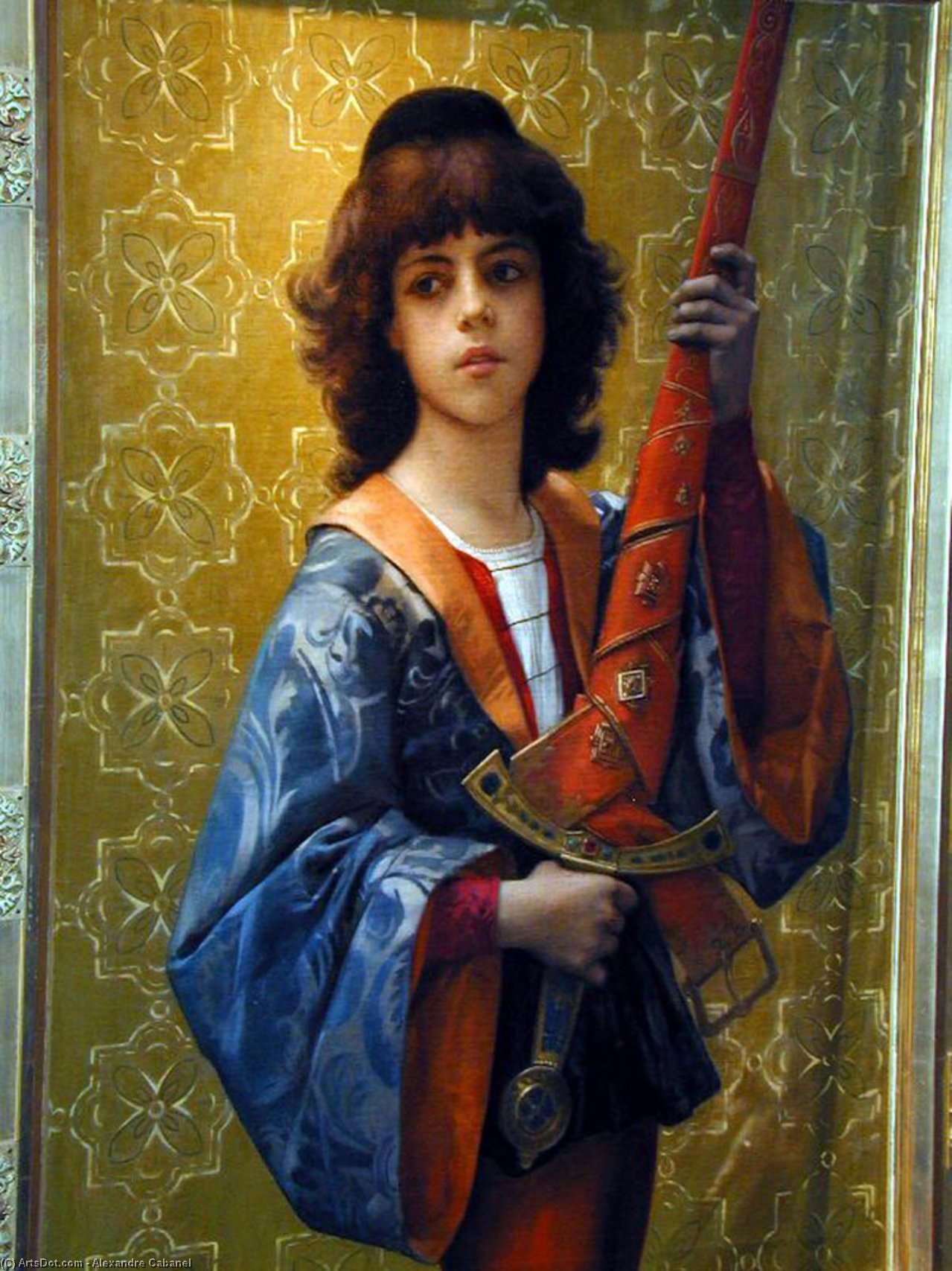
Paige

 Rozwiń treść
Ręcznie malowana reprodukcja olejowa
Ręcznie malowany olej na płótnie w Twoim wymiarze i ramie, tworzony na zamówienie przez naszych artystów.




































Wybierz spośród naszych predefiniowanych rozmiarów, które zachowują oryginalne proporcje dzieła sztuki.

Możesz wprowadzić własne wymiary, aby dopasować obraz do konkretnej ramy lub przestrzeni. Jeśli wybrany rozmiar nie będzie odpowiadał proporcjom oryginału, przytniecie dzieło sztuki lub rozszerzymy je o dodatkowe elementy, ręcznie domalowane przez artystę. Przed rozpoczęciem produkcji wyślemy projekt cyfrowy do Twojej akceptacji.
Należy pamiętać, że podgląd na ekranie nie odzwierciedla rzeczywistego przycinania ani rozszerzania obrazu. Tylko projekt dokładnie pokaże ostateczną kompozycję.
Choć oferujemy możliwość zamówienia niestandardowych rozmiarów, zalecamy wybór wymiaru z gotowej listy, aby zachować oryginalne proporcje dzieła.
Po złożeniu zamówienia zespół OriginalUniqueArt.com skontaktuje się z klientem drogą mailową w celu uzyskania instrukcji i prześle wizualizację projektu
Dostawa na całym świecie () w ciągu 3/4 tygodni zamiast standardowych 5 tygodni. (18 Lipiec). Bez kompromisów w kwestii jakości.

Bezpłatna ekspresowa wysyłka na cały świat

Wysokiej jakości płótno lniane

Pełne ubezpieczenie przesyłki

Gwarancja zwrotu należności celnych

Gwarancja pełnego zgodności kolorystycznej

Polityka 60-dniowego zwrotu (tylko w przypadku wad)

Gwarancja 100% zwrotu pieniędzy

Zniżka przy większych zamówieniach
 Opcja szkła jest dostępna wyłącznie w rozmiarach poniżej 110 cm

Paige
Technika reprodukcji
Wymiary reprodukcji
-


Cena całkowita
-
Biografia artysty
Alexandre Cabanel - A Master of Academic Style
Alexandre Cabanel (ur. 28 września 1823 w Montpellier, zm. 23 stycznia 1889 w Paryżu) – malarz francuski. Był jednym z głównych przedstawicieli akademickiego eklektyzmu.
Born in Montpellier in 1823, Cabanel was the son of a carpenter and began his artistic apprenticeship at the local art school in Montpellier at the age of ten, demonstrating an aptitude that warranted special attention. Five years later, he received a scholarship to study in Paris in 1839, entering the École des Beaux-Arts under the tutelage of François-Édouard Picot.
Picot, himself a student of Jacques-Louis David (1748-1825), imparted a rigorous training rooted in classical principles—a foundation that would profoundly shape Cabanel’s artistic trajectory. The curriculum wasn't solely focused on technique; it encompassed a broad education in literature, history, and philosophy, fostering an intellectual depth that informed his subject matter.
His early attempts at the Prix de Rome scholarship, though initially unsuccessful, demonstrated ambition and a willingness to refine his skills. Finally, in 1845, he achieved this honor, granting him a period of study at the Villa Medici in Rome—a pivotal experience for any aspiring French artist.
The Roman Years and Rise to Prominence
Rome proved transformative for Cabanel. Immersed in the art and culture of antiquity, he absorbed the lessons of the Renaissance masters, studying their compositions, techniques, and mastery of form. This period wasn’t merely about copying the old masters; it was a process of internalizing classical ideals and adapting them to his own artistic vision.
During this time, he forged a crucial relationship with Alfred Bruyas, an avid art collector who became Cabanel's patron. Bruyas commissioned several works from the artist, including *Albaydé*, *La Chiaruccia*, and *Man Contemplating, A Young Roman Monk*—paintings that reveal Cabanel’s growing skill in depicting both historical subjects and evocative scenes imbued with romantic sensibility.
The breakthrough moment arrived in 1863 with *The Birth of Venus*. This painting, a stunning depiction of the goddess emerging from the sea, caused an immediate sensation—and not without controversy. While celebrated for its exquisite rendering of the female form and masterful technique, it also drew criticism from some quarters who found it overly sensual or lacking in originality.
However, Napoleon III himself purchased the work for his personal collection, solidifying Cabanel’s reputation and ensuring his place among the most sought-after artists of the Second Empire.
A Master of Academic Style
Cabanel's artistic style is firmly rooted in academic realism—a tradition that emphasized precise draftsmanship, meticulous attention to detail, and a commitment to classical ideals of beauty. He excelled at portraying historical, mythological, and religious subjects, often imbuing them with a sense of drama and emotional intensity.
His portraits were equally admired for their ability to capture not only the physical likeness of his sitters but also their character and personality. Cabanel possessed an exceptional talent for rendering flesh tones with remarkable realism, creating figures that seemed to breathe on the canvas.
He wasn’t simply replicating reality; he was idealizing it—striving to create images that embodied classical notions of harmony, balance, and proportion. This pursuit of idealized beauty often led him to refine and perfect his subjects, resulting in paintings that were both technically flawless and aesthetically pleasing.
Legacy and Influence
By 1864, Cabanel had achieved a level of success that allowed him to accept a professorship at the École des Beaux-Arts—a position he held until his death in 1889. As a teacher, he influenced generations of artists, imparting his knowledge and skills to aspiring painters.
Among his notable pupils were numerous successful artists who carried on the traditions of academic painting. His work continued to be exhibited and celebrated, and he retained a loyal following among collectors and patrons.

Alexandre Cabanel
1875 - 1889 , Francja
Kluczowe informacje
- Artistic Movement Or Style: Akademia
- Artists Or Movements Influenced By This Artist: ['Impressionizm']
- Artists Who Influenced This Artist:
- Jacques-Louis David
- François Édouard Picot
- Date Of Birth: 28 września 1823
- Date Of Death: 23 stycznia 1889
- Full Name: Alexandre Cabanel
- Nationality: Francuz
- Notable Artworks:
- Święty Jan Chrzestny
- Narodziny Wenus
- Place Of Birth: Montpellier, Francja



