

 Zobacz w skali 1:1
 Wyślij
 Udostępnij
 Szczegóły
 Przewodnik

 Pobierz plik obrazu
 Podobne obiekty
 RTG
RTG Pokaz slajdów
 Statystyki
Orestes


 Czytaj więcej
Ręcznie malowana reprodukcja olejowa
Ręcznie malowany obraz olejny na płótnie, wykonany na zamówienie przez naszych artystów w wybranym przez Ciebie wymiarze i oprawie. ( Przełącz na wersję drukowaną Przełącz na wersję cyfrową)




P118B zł10

P118H zł10

P118W zł10

P438Z zł10

P508JH zł12

P508YH zł12

P805H zł10

P805Z zł10

P919BZ zł10

P919G zł10

P919XJ zł10

P959ZH zł10

P968JZ zł12

W106C zł8

W218G zł10

W218JH zł8

W218Y zł10

W307PJ zł10

W316G zł10

W316PJ zł8

W316Y zł10

W398PJ zł8

W4111J zł10

W500HY zł15

W500JH zł15

W692G zł12

W849H zł8

W940BG zł15

W953PJ zł8




Wybierz spośród naszych standardowych rozmiarów, które zachowują oryginalne proporcje dzieła sztuki.

Wpisz wymaganą szerokość i wysokość, aby obraz pasował do Twojej ramy lub ściany. Ponieważ jest to dzieło malowane ręcznie, w przypadku rozmiaru o innym proporcji artysta może domalować nieco więcej wokół obrazu lub przyciąć fragmenty — wybór należy do Ciebie. Przed rozpoczęciem pracy prześlemy Ci cyfrową wizualizację do zatwierdzenia. Obraz widoczny na tej stronie nie przedstawia rzeczywistego efektu — jedynie wizualizacja oddaje realny rezultat.
Po złożeniu zamówienia zespół OriginalUniqueArt.com skontaktuje się z klientem drogą mailową w celu uzyskania instrukcji i prześle wizualizację projektu
Dostawa na całym świecie () w ciągu 3–4 tygodni zamiast standardowych 5 tygodni. (21 Październik). Bez kompromisów w kwestii jakości.

Bezpłatna ekspresowa wysyłka na cały świat

Wysokiej jakości płótno lniane

Pełne ubezpieczenie transportowe

Gwarancja zwrotu należności celnych i podatków importowych

Gwarancja idealnego odwzorowania barw

100-dniowy okres na zwrot dzieła w przypadku wykrycia wad produkcyjnych

Gwarancja 100% zwrotu pieniędzy

Oferta przy zakupie wielu sztuk
 Opcja ze szkłem jest dostępna wyłącznie w rozmiarach poniżej 110 cm

Orestes
Technika wykonania
Rozmiar reprodukcji
-


Suma do zapłaty
zł 1139
A Portrait of Psychological Turmoil
In the hallowed halls of the Musée des Beaux-Arts in Béziers, there exists a canvas that breathes with the heavy, restless energy of a soul in conflict. Alexandre Cabanel’s Orestes, completed in 1846, is far more than a mere recitation of Greek mythology; it is a profound exploration of human vulnerability and the weight of destiny. The painting captures the mythological hero at a moment of intense internal struggle, his form partially draped in fabric that clings to him like the very shadows of his fate. As he reclines, his gaze and gesture directed toward an unseen presence off-camera, the viewer is pulled into a silent dialogue of tension and anticipation. This is not just a scene from antiquity, but a window into the universal experience of facing one's own shadows.
The composition is a masterclass in the Beaux Arts aesthetic, where classical perfection meets the raw, emotive power of Romanticism. Cabanel, a student of the rigorous François-Édouard Picot, utilizes the disciplined anatomical precision of the academic tradition to ground his subject in reality. Yet, he transcends mere representation through his masterful use of chiaroscuro. The dramatic interplay between light and dark serves to sculpt the central figure, illuminating the muscular grace of his torso and the delicate crown of leaves upon his head, while simultaneously swallowing the surrounding figures into a murky, contemplative gloom. This technique creates a palpable sense of volume and texture, making the skin appear soft yet resilient, and the atmosphere thick with an almost suffocating sense of unease.
The Intersection of Myth and Emotion
To understand Orestes, one must look to the cultural currents of mid-19th century France. During this era, the Romantic movement was beginning to challenge the rigid, often sterile formalism of Neoclassicism, favoring instead the sublime, the imaginative, and the deeply psychological. Cabanel captures this transition perfectly. While the subject matter—the tragic hero Orestes—is rooted in the classical canon, the execution is steeped in the emotional fervor of his time. The painting reflects a fascination with the complexities of morality and the inescapable nature of fate, themes that resonated deeply with an audience navigating their own era of profound social and political shifts.
Every element within the frame contributes to this narrative of tension. The presence of secondary figures in the background, partially obscured by shadow, suggests a world watching, judging, or perhaps waiting for the hero's next move. The inclusion of classical artifacts, such as the ancient vases and the bowl positioned near the edge of the scene, provides a sense of historical weight and ritualistic importance. For the collector or the interior designer, this piece offers more than just visual beauty; it offers a focal point of intellectual and emotional depth. A high-quality reproduction of Orestes brings into a contemporary space a sense of timeless drama and a sophisticated appreciation for the mastery of French Academic Realism, making it an ideal centerpiece for those who seek art that speaks to the complexities of the human condition.
Pytania i odpowiedzi
Jakie nasycenie kolorów ma „Orestes” autorstwa Alexandre Cabanel?
Dzieło „Orestes” autorstwa Alexandre Cabanel zostało utrwalone z Muted nasyceniem kolorów.
Ile lat miał Alexandre Cabanel, gdy powstało dzieło „Orestes”?
Alexandre Cabanel miał 23 lat, tworząc „Orestes” w 1846. Wiek ten został obliczony na podstawie roku urodzenia artysty, 1823.
Do czego sugerowane jest wykorzystanie „Orestes” autorstwa Alexandre Cabanel?
Sugerowanym zastosowaniem dla „Orestes” autorstwa Alexandre Cabanel jest Statement. Może on jednak służyć również do innych celów.
Biografia artysty
Alexandre Cabanel - A Master of Academic Style
Alexandre Cabanel (ur. 28 września 1823 w Montpellier, zm. 23 stycznia 1889 w Paryżu) – malarz francuski. Był jednym z głównych przedstawicieli akademickiego eklektyzmu.
Born in Montpellier in 1823, Cabanel was the son of a carpenter and began his artistic apprenticeship at the local art school in Montpellier at the age of ten, demonstrating an aptitude that warranted special attention. Five years later, he received a scholarship to study in Paris in 1839, entering the École des Beaux-Arts under the tutelage of François-Édouard Picot.
Picot, himself a student of Jacques-Louis David (1748-1825), imparted a rigorous training rooted in classical principles—a foundation that would profoundly shape Cabanel’s artistic trajectory. The curriculum wasn't solely focused on technique; it encompassed a broad education in literature, history, and philosophy, fostering an intellectual depth that informed his subject matter.
His early attempts at the Prix de Rome scholarship, though initially unsuccessful, demonstrated ambition and a willingness to refine his skills. Finally, in 1845, he achieved this honor, granting him a period of study at the Villa Medici in Rome—a pivotal experience for any aspiring French artist.
The Roman Years and Rise to Prominence
Rome proved transformative for Cabanel. Immersed in the art and culture of antiquity, he absorbed the lessons of the Renaissance masters, studying their compositions, techniques, and mastery of form. This period wasn’t merely about copying the old masters; it was a process of internalizing classical ideals and adapting them to his own artistic vision.
During this time, he forged a crucial relationship with Alfred Bruyas, an avid art collector who became Cabanel's patron. Bruyas commissioned several works from the artist, including *Albaydé*, *La Chiaruccia*, and *Man Contemplating, A Young Roman Monk*—paintings that reveal Cabanel’s growing skill in depicting both historical subjects and evocative scenes imbued with romantic sensibility.
The breakthrough moment arrived in 1863 with *The Birth of Venus*. This painting, a stunning depiction of the goddess emerging from the sea, caused an immediate sensation—and not without controversy. While celebrated for its exquisite rendering of the female form and masterful technique, it also drew criticism from some quarters who found it overly sensual or lacking in originality.
However, Napoleon III himself purchased the work for his personal collection, solidifying Cabanel’s reputation and ensuring his place among the most sought-after artists of the Second Empire.
A Master of Academic Style
Cabanel's artistic style is firmly rooted in academic realism—a tradition that emphasized precise draftsmanship, meticulous attention to detail, and a commitment to classical ideals of beauty. He excelled at portraying historical, mythological, and religious subjects, often imbuing them with a sense of drama and emotional intensity.
His portraits were equally admired for their ability to capture not only the physical likeness of his sitters but also their character and personality. Cabanel possessed an exceptional talent for rendering flesh tones with remarkable realism, creating figures that seemed to breathe on the canvas.
He wasn’t simply replicating reality; he was idealizing it—striving to create images that embodied classical notions of harmony, balance, and proportion. This pursuit of idealized beauty often led him to refine and perfect his subjects, resulting in paintings that were both technically flawless and aesthetically pleasing.
Legacy and Influence
By 1864, Cabanel had achieved a level of success that allowed him to accept a professorship at the École des Beaux-Arts—a position he held until his death in 1889. As a teacher, he influenced generations of artists, imparting his knowledge and skills to aspiring painters.
Among his notable pupils were numerous successful artists who carried on the traditions of academic painting. His work continued to be exhibited and celebrated, and he retained a loyal following among collectors and patrons.

Alexandre Cabanel
1823 - 1889 , Francja
Najważniejsze informacje
- Artistic Movement Or Style: Akademia
- Artists Or Movements Influenced By This Artist: ['Impressionizm']
- Artists Who Influenced This Artist:
- Jacques-Louis David
- François Édouard Picot
- Date Of Birth: 28 września 1823
- Date Of Death: 23 stycznia 1889
- Full Name: Alexandre Cabanel
- Nationality: Francuz
- Notable Artworks:
- Święty Jan Chrzestny
- Narodziny Wenus
- Place Of Birth: Montpellier, Francja
Zobacz także powiązane artykuły

Mastering Perfection: A Definitive Guide to the Elegance and Precision of Academic Classicism
Discover the profound beauty of Academic Classicism. Explore the principles of order, anatomical precision, and the enduring legacy of Neoclassical masters through this expert guide to timeless elegance and technical perfection in fine art.

Urok Nagiego Ciała w Sztuce: Historyczna i Artystyczna Eksploracja Aktu
Poznaj fascynującą historię aktu w sztuce – od starożytnych korzeni po współczesne interpretacje. Analiza technik, wybitnych artystów i wpływu anatomii na przedstawianie ludzkiego ciała. Ekskluzywne artykuły dla miłośników sztuki.

Mastering Perfection: A Definitive Guide to the Elegance and Precision of Academic Classicism
Explore the rigorous beauty of Academic Classicism. Discover the principles of order, precision, and historical reverence that define this timeless art movement through an expert guide to its enduring legacy and technical mastery.
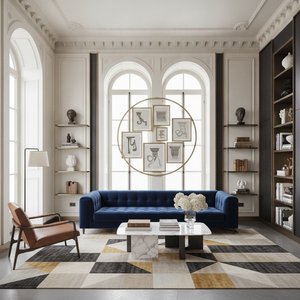
Beyond the Basics: The Power of Academic Classicism Reimagined for Modern Interiors
Discover the enduring power of Academic Classicism reimagined. Explore how technical mastery, light, and form from historical masterpieces can elevate modern interiors through premium, hand-painted oil reproductions and expert art consultation.
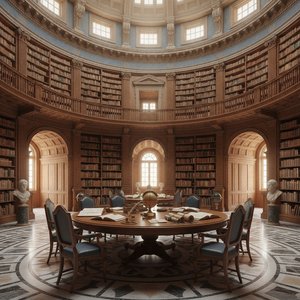
The Timeless Elegance of Academic Classicism: A Journey Through Order, Precision, and the Pursuit of Perfection
Explore the profound beauty of Academic Classicism. Discover how masters used order, precision, and classical ideals to achieve timeless perfection in art history, from Neoclassical portraits to the pursuit of ideal beauty.

