

 Zobacz w skali 1:1
 Wyślij
 Udostępnij
 Szczegóły
 Przewodnik

 Pobierz plik obrazu
 Podobne obiekty
 RTG
RTG Pokaz slajdów
 Statystyki
La Comtesse de Keller


 Czytaj więcej
Giclée / Wydruk artystyczny
Wydruki giclée lub płótna o jakości muzealnej, szybka realizacja i szeroki wybór opcji wykończenia. ( Kup ręcznie malowany obraz Przełącz na wersję cyfrową)




P118B zł10

P118H zł10

P118W zł10

P438Z zł10

P508JH zł12

P508YH zł12

P805H zł10

P805Z zł10

P919BZ zł10

P919G zł10

P919XJ zł10

P959ZH zł10

P968JZ zł12

W106C zł8

W218G zł10

W218JH zł8

W218Y zł10

W307PJ zł10

W316G zł10

W316PJ zł8

W316Y zł10

W398PJ zł8

W4111J zł10

W500HY zł15

W500JH zł15

W692G zł12

W849H zł8

W940BG zł15

W953PJ zł8




Wybierz spośród naszych standardowych rozmiarów, które zachowują oryginalne proporcje dzieła sztuki.

Wpisz wymaganą szerokość i wysokość, aby dopasować grafikę do ramy lub ściany. Wydruk można jedynie przyciąć, nigdy nie powiększając go poza oryginalny obraz, dlatego format o innym proporcji spowoduje utratę części kompozycji. Przed rozpoczęciem druku prześlemy Ci cyfrowy podgląd do zatwierdzenia. Obraz wyświetlany na tej stronie nie pokazuje rzeczywistego przycięcia — jedynie podgląd oddaje ten efekt.
Dostawa na cały świat () w ciągu 2 tygodni zamiast standardowych 4/5 tygodni. (21 Październik)

Bezpłatna ekspresowa wysyłka na cały świat

Wysokiej jakości płótno lniane

Pełne ubezpieczenie transportowe

Gwarancja zwrotu należności celnych i podatków importowych

Gwarancja idealnego odwzorowania barw

100-dniowy okres na zwrot dzieła w przypadku wykrycia wad produkcyjnych

Gwarancja 100% zwrotu pieniędzy

Oferta przy zakupie wielu sztuk
 Opcja ze szkłem jest dostępna wyłącznie w rozmiarach poniżej 110 cm

La Comtesse de Keller
Giclée / Wydruk artystyczny
Rozmiar reprodukcji
-


Suma do zapłaty
zł 304
A Vision of Aristocratic Grace
In the quiet splendor of Alexandre Cabanel’s 1873 masterpiece, La Comtesse de Keller, viewers are transported to the height of French elegance during the Belle Époque. This portrait is far more than a mere likeness; it is a profound study of dignity and social prestige. The subject, seated with an air of effortless composure, commands the canvas through a pyramidal composition that draws the eye upward toward her serene face. Every element of the painting—from the subtle tilt of her head to the direct, self-assured gaze—speaks to a world of refined tradition and aristocratic poise. For the discerning collector or interior designer, this piece offers an unparalleled sense of stability and classical beauty, making it a cornerstone for any space dedicated to timeless sophistication.
The artistry behind the portrait reveals Cabanel’s mastery of the Academic style, a technique that prioritized meticulous realism and idealized forms. Through the delicate application of oil glazes, the artist achieves a luminous quality that seems to radiate from within the canvas itself. One cannot help but be captivated by the tactile richness of the textures; the deep, velvety green of her gown contrasts exquisitely with the soft, luxurious sheen of the fur shawl draped across her shoulders. Cabanel’s precise brushwork captures the intricate details of her jewelry—the glint of an earring and the subtle luster of a ring—creating a sensory experience that invites the viewer to reach out and touch the very fabric of history.
Symbolism and the Light of Tradition
Beyond its surface beauty, La Comtesse de Keller serves as a window into the cultural values of 19th-century France. The painting emerged during a period when the art world was navigating the tension between the emotional fervor of Romanticism and the rational precision of Neoclassicism. Cabanel, a favorite of Napoleon III, utilized this portrait to celebrate the enduring strength of social hierarchy and the aesthetic ideals of his era. The dramatic lighting, sweeping in from the left, carves out the subject's features with sculptural depth, casting soft shadows that lend a three-dimensional volume to her form. This interplay of light and shadow does more than define shape; it imbues the portrait with an emotional weight, suggesting a life lived with purpose and grace.
For those seeking to infuse their environments with a sense of historical depth, this artwork provides a rich narrative of wealth and status. The dark, indistinct background serves a vital purpose: by stripping away distracting scenery, Cabanel ensures that the focus remains entirely on the subject’s presence and the opulent textures of her attire. This deliberate minimalism allows the warm palette of golds, creams, and deep greens to harmonize beautifully with diverse interior decors, from classic manor halls to modern, minimalist galleries. To possess a reproduction of this work is to hold a piece of the French academic legacy, bringing an atmosphere of quiet luxury and intellectual refinement into the contemporary home.
Pytania i odpowiedzi
Czy dostępna jest możliwość pobrania obrazu "La Comtesse de Keller"?
„La Comtesse de Keller” autorstwa Alexandre Cabanel można pobrać ze strony Pobierz dzieła jako wysokiej rozdzielczości cyfrowe zdjęcie do pobrania.
Co przedstawia „La Comtesse de Keller” autorstwa Alexandre Cabanel i w jakim nastroju?
„La Comtesse de Keller” autorstwa Alexandre Cabanel łączy w sobie portrait, aristocracy, velvet dress, formal art, 19th century, french painting, elegant woman z Elegant atmosferą.
Jakie miejsce w historii sztuki zajmuje „La Comtesse de Keller” autorstwa Alexandre Cabanel?
Klasyfikacja historii sztuki dla dzieła „La Comtesse de Keller” autorstwa Alexandre Cabanel to Neoclassicism, z okresu 19th Century.
Biografia artysty
Alexandre Cabanel - A Master of Academic Style
Alexandre Cabanel (ur. 28 września 1823 w Montpellier, zm. 23 stycznia 1889 w Paryżu) – malarz francuski. Był jednym z głównych przedstawicieli akademickiego eklektyzmu.
Born in Montpellier in 1823, Cabanel was the son of a carpenter and began his artistic apprenticeship at the local art school in Montpellier at the age of ten, demonstrating an aptitude that warranted special attention. Five years later, he received a scholarship to study in Paris in 1839, entering the École des Beaux-Arts under the tutelage of François-Édouard Picot.
Picot, himself a student of Jacques-Louis David (1748-1825), imparted a rigorous training rooted in classical principles—a foundation that would profoundly shape Cabanel’s artistic trajectory. The curriculum wasn't solely focused on technique; it encompassed a broad education in literature, history, and philosophy, fostering an intellectual depth that informed his subject matter.
His early attempts at the Prix de Rome scholarship, though initially unsuccessful, demonstrated ambition and a willingness to refine his skills. Finally, in 1845, he achieved this honor, granting him a period of study at the Villa Medici in Rome—a pivotal experience for any aspiring French artist.
The Roman Years and Rise to Prominence
Rome proved transformative for Cabanel. Immersed in the art and culture of antiquity, he absorbed the lessons of the Renaissance masters, studying their compositions, techniques, and mastery of form. This period wasn’t merely about copying the old masters; it was a process of internalizing classical ideals and adapting them to his own artistic vision.
During this time, he forged a crucial relationship with Alfred Bruyas, an avid art collector who became Cabanel's patron. Bruyas commissioned several works from the artist, including *Albaydé*, *La Chiaruccia*, and *Man Contemplating, A Young Roman Monk*—paintings that reveal Cabanel’s growing skill in depicting both historical subjects and evocative scenes imbued with romantic sensibility.
The breakthrough moment arrived in 1863 with *The Birth of Venus*. This painting, a stunning depiction of the goddess emerging from the sea, caused an immediate sensation—and not without controversy. While celebrated for its exquisite rendering of the female form and masterful technique, it also drew criticism from some quarters who found it overly sensual or lacking in originality.
However, Napoleon III himself purchased the work for his personal collection, solidifying Cabanel’s reputation and ensuring his place among the most sought-after artists of the Second Empire.
A Master of Academic Style
Cabanel's artistic style is firmly rooted in academic realism—a tradition that emphasized precise draftsmanship, meticulous attention to detail, and a commitment to classical ideals of beauty. He excelled at portraying historical, mythological, and religious subjects, often imbuing them with a sense of drama and emotional intensity.
His portraits were equally admired for their ability to capture not only the physical likeness of his sitters but also their character and personality. Cabanel possessed an exceptional talent for rendering flesh tones with remarkable realism, creating figures that seemed to breathe on the canvas.
He wasn’t simply replicating reality; he was idealizing it—striving to create images that embodied classical notions of harmony, balance, and proportion. This pursuit of idealized beauty often led him to refine and perfect his subjects, resulting in paintings that were both technically flawless and aesthetically pleasing.
Legacy and Influence
By 1864, Cabanel had achieved a level of success that allowed him to accept a professorship at the École des Beaux-Arts—a position he held until his death in 1889. As a teacher, he influenced generations of artists, imparting his knowledge and skills to aspiring painters.
Among his notable pupils were numerous successful artists who carried on the traditions of academic painting. His work continued to be exhibited and celebrated, and he retained a loyal following among collectors and patrons.

Alexandre Cabanel
1823 - 1889 , Francja
Najważniejsze informacje
- Artistic Movement Or Style: Akademia
- Artists Or Movements Influenced By This Artist: ['Impressionizm']
- Artists Who Influenced This Artist:
- Jacques-Louis David
- François Édouard Picot
- Date Of Birth: 28 września 1823
- Date Of Death: 23 stycznia 1889
- Full Name: Alexandre Cabanel
- Nationality: Francuz
- Notable Artworks:
- Święty Jan Chrzestny
- Narodziny Wenus
- Place Of Birth: Montpellier, Francja
Zobacz także powiązane artykuły
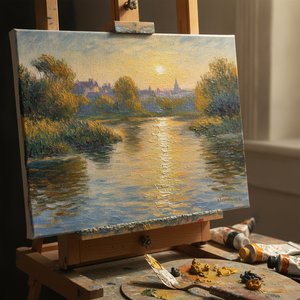
The Soul of Impressionism: Why Oil on Canvas Captures Eternal Light and Timeless Emotion
Discover the enchanting alchemy of Impressionism. Explore how the mastery of oil on canvas, through glazing and impasto, captures eternal light and emotion. Perfect for lovers of Monet and Van Gogh seeking the profound depth of hand-painted fine art.

The Enduring Power of Painting: A Historical & Contemporary Exploration of Form and Emotion
Explore the rich history & enduring techniques of oil painting with OriginalUniqueArt. Discover masterpieces, learn about art collecting, and find authentic handmade reproductions crafted by skilled artists.

Trwała Spuścizna Malarstwa Olejnego: Technika, Historia i Współczesna Praktyka
Poznaj historię i techniki malarstwa olejnego. Poradniki dla artystów, informacje o konserwacji oraz możliwość zamówienia wysokiej jakości reprodukcji obrazów. Ekspercka wiedza i gwarancja trwałości dzieł sztuki.

Olej na płótnie: Historia, techniki i ponadczasowy urok malarskiego medium
Poznaj historię i techniki malarstwa olejowego! Od renesansowych mistrzów po współczesne zastosowania – wszystko o oleju na płótnie. Poradniki, konserwacja i inspiracje dla pasjonatów sztuki.

Trwała Spuścizna Malarstwa Olejnego: Technika, Historia i Estetyczny Wpływ
Poznaj historię i technikę malarstwa olejnego! Eksperckie artykuły o konserwacji, renowacji oraz współczesnych zastosowaniach. Dowiedz się więcej o mistrzach i trwałości obrazów olejnych.

