

 Zobacz w skali 1:1
 Wyślij
 Udostępnij
 Szczegóły
 Przewodnik

 Pobierz plik obrazu
 Podobne obiekty
 RTG
RTG Pokaz slajdów
 Statystyki
A Thinker, Young Roman Monk
 Oil On Canvas
- WallArt
- Academic Realism
 1848
1848 90.0 x 71.0 cm
 Musée Fabre
 Czytaj więcej
Giclée / Wydruk artystyczny
Wydruki giclée lub płótna o jakości muzealnej, szybka realizacja i szeroki wybór opcji wykończenia. ( Kup ręcznie malowany obraz Przełącz na wersję cyfrową)




P118B zł10

P118H zł10

P118W zł10

P438Z zł10

P508JH zł12

P508YH zł12

P805H zł10

P805Z zł10

P919BZ zł10

P919G zł10

P919XJ zł10

P959ZH zł10

P968JZ zł12

W106C zł8

W218G zł10

W218JH zł8

W218Y zł10

W307PJ zł10

W316G zł10

W316PJ zł8

W316Y zł10

W398PJ zł8

W4111J zł10

W500HY zł15

W500JH zł15

W692G zł12

W849H zł8

W940BG zł15

W953PJ zł8




Wybierz spośród naszych standardowych rozmiarów, które zachowują oryginalne proporcje dzieła sztuki.

Wpisz wymaganą szerokość i wysokość, aby dopasować grafikę do ramy lub ściany. Wydruk można jedynie przyciąć, nigdy nie powiększając go poza oryginalny obraz, dlatego format o innym proporcji spowoduje utratę części kompozycji. Przed rozpoczęciem druku prześlemy Ci cyfrowy podgląd do zatwierdzenia. Obraz wyświetlany na tej stronie nie pokazuje rzeczywistego przycięcia — jedynie podgląd oddaje ten efekt.
Dostawa na cały świat () w ciągu 2 tygodni zamiast standardowych 4/5 tygodni. (22 Październik)

Bezpłatna ekspresowa wysyłka na cały świat

Wysokiej jakości płótno lniane

Pełne ubezpieczenie transportowe

Gwarancja zwrotu należności celnych i podatków importowych

Gwarancja idealnego odwzorowania barw

100-dniowy okres na zwrot dzieła w przypadku wykrycia wad produkcyjnych

Gwarancja 100% zwrotu pieniędzy

Oferta przy zakupie wielu sztuk
 Opcja ze szkłem jest dostępna wyłącznie w rozmiarach poniżej 110 cm

A Thinker, Young Roman Monk
Giclée / Wydruk artystyczny
Rozmiar reprodukcji
-


Suma do zapłaty
zł 304
A Moment of Contemplation: Alexandre Cabanel’s “A Thinker, Young Roman Monk”
Alexandre Cabanel's "A Thinker, Young Roman Monk," painted in 1848, is more than just a portrait; it’s a profound meditation on solitude, faith, and the weight of introspection. Housed within the serene walls of the Musée Fabre in Montpellier, France, this oil-on-canvas masterpiece invites viewers to step into the quiet world of a young monk lost in reverie. Cabanel, a master of the academic style—a tradition deeply rooted in classical ideals and meticulous observation—crafted an image that transcends mere representation, achieving instead a palpable sense of inner experience.
The subject himself is strikingly rendered: a youthful Roman monk, his features etched with a thoughtful solemnity. He’s seated upon a simple stone wall, the rough texture providing a grounding contrast to the smooth, almost ethereal quality of his garments. His gaze is directed towards an unseen horizon, suggesting a journey of the mind—a contemplation that seems both deeply personal and universally resonant. The subtle play of light across his face and robes isn’t merely decorative; it's strategically employed to sculpt form and draw attention to the key areas of emotional expression.
The Academic Style: Precision and Idealization
Cabanel’s commitment to the academic style is immediately apparent. This approach, prevalent in 19th-century France, prioritized anatomical accuracy, realistic detail, and a sense of idealized beauty. Notice the meticulous rendering of his hands—folded neatly before him—a testament to Cabanel's dedication to precise observation. The composition itself adheres to classical principles: balanced symmetry, harmonious color palettes, and a carefully orchestrated use of space. Unlike later movements that sought to challenge these conventions, Cabanel embraced them, believing in their ability to capture the essence of human experience with clarity and dignity.
The painting’s palette is restrained yet evocative—a blend of muted browns, ochres, and subtle blues—creating a mood of quiet contemplation. The artist skillfully employs sfumato, a technique borrowed from Leonardo da Vinci, to soften edges and create an atmospheric haze, further enhancing the sense of introspection. This careful attention to detail isn’t simply about technical proficiency; it's about conveying a feeling – a deep sense of stillness and profound thought.
Symbolism and Spiritual Resonance
Beyond its formal qualities, “A Thinker, Young Roman Monk” is rich in symbolic meaning. The monk’s posture—seated, contemplative, and isolated—immediately evokes themes of faith, solitude, and the search for spiritual truth. The stone wall upon which he sits represents both earthly grounding and a barrier between himself and the outside world, emphasizing his inward focus. The act of thinking itself is presented as a sacred practice, a communion with something larger than oneself.
Furthermore, the young age of the monk suggests that this contemplation isn’t simply an adult concern but rather a fundamental aspect of spiritual development—a journey undertaken from youth. The painting subtly invites us to consider our own moments of quiet reflection and the importance of seeking meaning in a world often characterized by distraction and noise.
A Timeless Masterpiece: Reproduction and Legacy
Created over 175 years ago, “A Thinker, Young Roman Monk” remains remarkably relevant today. Its exploration of universal themes—contemplation, faith, and the human condition—continues to resonate with viewers across generations. High-quality reproductions, meticulously crafted by skilled artisans using traditional techniques, offer a way to bring this timeless masterpiece into your home or office.
Whether you’re an art enthusiast, a collector seeking to enrich your collection, or simply someone drawn to the beauty and serenity of this image, a reproduction of Cabanel's "A Thinker, Young Roman Monk" is more than just a decorative piece—it’s a window into the soul of 19th-century France and a reminder of the enduring power of quiet contemplation. For authentic reproductions, please visit https://OriginalUniqueArt.com.
Pytania i odpowiedzi
Kto stworzył "A Thinker, Young Roman Monk"?
Dzieło "A Thinker, Young Roman Monk" przypisuje się Alexandre Cabanel.
Czy mogę zobaczyć „A Thinker, Young Roman Monk” autorstwa Alexandre Cabanel na własnej ścianie przed zakupem?
Dzieło „A Thinker, Young Roman Monk” posiada podgląd w rozszerzonej rzeczywistości: strona Podgląd AR dzieła pozwala zobaczyć je w Twojej własnej przestrzeni na kompatybilnym urządzeniu.
Do jakiego nurtu w sztuce należy „A Thinker, Young Roman Monk” autorstwa Alexandre Cabanel?
Nurt związany z „A Thinker, Young Roman Monk” autorstwa Alexandre Cabanel to Academic Realism. Ta klasyfikacja sytuuje dzieło wśród pokrewnych artystów i dzieł sztuki.
Biografia artysty
Alexandre Cabanel - A Master of Academic Style
Alexandre Cabanel (ur. 28 września 1823 w Montpellier, zm. 23 stycznia 1889 w Paryżu) – malarz francuski. Był jednym z głównych przedstawicieli akademickiego eklektyzmu.
Born in Montpellier in 1823, Cabanel was the son of a carpenter and began his artistic apprenticeship at the local art school in Montpellier at the age of ten, demonstrating an aptitude that warranted special attention. Five years later, he received a scholarship to study in Paris in 1839, entering the École des Beaux-Arts under the tutelage of François-Édouard Picot.
Picot, himself a student of Jacques-Louis David (1748-1825), imparted a rigorous training rooted in classical principles—a foundation that would profoundly shape Cabanel’s artistic trajectory. The curriculum wasn't solely focused on technique; it encompassed a broad education in literature, history, and philosophy, fostering an intellectual depth that informed his subject matter.
His early attempts at the Prix de Rome scholarship, though initially unsuccessful, demonstrated ambition and a willingness to refine his skills. Finally, in 1845, he achieved this honor, granting him a period of study at the Villa Medici in Rome—a pivotal experience for any aspiring French artist.
The Roman Years and Rise to Prominence
Rome proved transformative for Cabanel. Immersed in the art and culture of antiquity, he absorbed the lessons of the Renaissance masters, studying their compositions, techniques, and mastery of form. This period wasn’t merely about copying the old masters; it was a process of internalizing classical ideals and adapting them to his own artistic vision.
During this time, he forged a crucial relationship with Alfred Bruyas, an avid art collector who became Cabanel's patron. Bruyas commissioned several works from the artist, including *Albaydé*, *La Chiaruccia*, and *Man Contemplating, A Young Roman Monk*—paintings that reveal Cabanel’s growing skill in depicting both historical subjects and evocative scenes imbued with romantic sensibility.
The breakthrough moment arrived in 1863 with *The Birth of Venus*. This painting, a stunning depiction of the goddess emerging from the sea, caused an immediate sensation—and not without controversy. While celebrated for its exquisite rendering of the female form and masterful technique, it also drew criticism from some quarters who found it overly sensual or lacking in originality.
However, Napoleon III himself purchased the work for his personal collection, solidifying Cabanel’s reputation and ensuring his place among the most sought-after artists of the Second Empire.
A Master of Academic Style
Cabanel's artistic style is firmly rooted in academic realism—a tradition that emphasized precise draftsmanship, meticulous attention to detail, and a commitment to classical ideals of beauty. He excelled at portraying historical, mythological, and religious subjects, often imbuing them with a sense of drama and emotional intensity.
His portraits were equally admired for their ability to capture not only the physical likeness of his sitters but also their character and personality. Cabanel possessed an exceptional talent for rendering flesh tones with remarkable realism, creating figures that seemed to breathe on the canvas.
He wasn’t simply replicating reality; he was idealizing it—striving to create images that embodied classical notions of harmony, balance, and proportion. This pursuit of idealized beauty often led him to refine and perfect his subjects, resulting in paintings that were both technically flawless and aesthetically pleasing.
Legacy and Influence
By 1864, Cabanel had achieved a level of success that allowed him to accept a professorship at the École des Beaux-Arts—a position he held until his death in 1889. As a teacher, he influenced generations of artists, imparting his knowledge and skills to aspiring painters.
Among his notable pupils were numerous successful artists who carried on the traditions of academic painting. His work continued to be exhibited and celebrated, and he retained a loyal following among collectors and patrons.

Alexandre Cabanel
1823 - 1889 , Francja
Najważniejsze informacje
- Artistic Movement Or Style: Akademia
- Artists Or Movements Influenced By This Artist: ['Impressionizm']
- Artists Who Influenced This Artist:
- Jacques-Louis David
- François Édouard Picot
- Date Of Birth: 28 września 1823
- Date Of Death: 23 stycznia 1889
- Full Name: Alexandre Cabanel
- Nationality: Francuz
- Notable Artworks:
- Święty Jan Chrzestny
- Narodziny Wenus
- Place Of Birth: Montpellier, Francja
Zobacz także powiązane artykuły

Olej na płótnie: Historia, techniki i ponadczasowy urok malarskiego medium
Poznaj historię i techniki malarstwa olejowego! Od renesansowych mistrzów po współczesne zastosowania – wszystko o oleju na płótnie. Poradniki, konserwacja i inspiracje dla pasjonatów sztuki.

Trwała Spuścizna Malarstwa Olejnego: Technika, Historia i Estetyczny Wpływ
Poznaj historię i technikę malarstwa olejnego! Eksperckie artykuły o konserwacji, renowacji oraz współczesnych zastosowaniach. Dowiedz się więcej o mistrzach i trwałości obrazów olejnych.
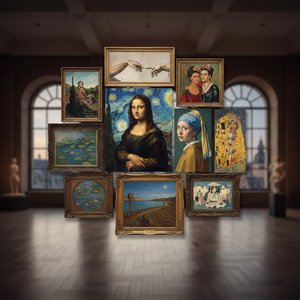
10 arcydzieł malarstwa olejnego, które na zawsze zmieniły sztukę | OriginalUniqueArt.com
Poznaj 10 arcydzieł malarstwa olejowego, które zrewolucjonizowały świat sztuki! Van Gogh, Monet, Picasso i inni – odkryj historie, techniki i emocje w słynnych obrazach. Reprodukcje najwyższej jakości na OriginalUniqueArt.com. Eksploruj kolekcję online!
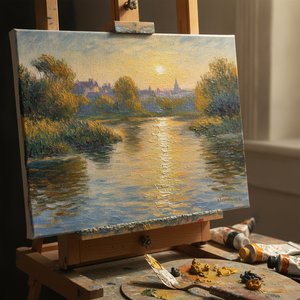
The Soul of Impressionism: Why Oil on Canvas Captures Eternal Light and Timeless Emotion
Discover the enchanting alchemy of Impressionism. Explore how the mastery of oil on canvas, through glazing and impasto, captures eternal light and emotion. Perfect for lovers of Monet and Van Gogh seeking the profound depth of hand-painted fine art.

Trwała Spuścizna Malarstwa Olejnego: Technika, Historia i Współczesna Praktyka
Poznaj historię i techniki malarstwa olejnego. Poradniki dla artystów, informacje o konserwacji oraz możliwość zamówienia wysokiej jakości reprodukcji obrazów. Ekspercka wiedza i gwarancja trwałości dzieł sztuki.

