

 Zobacz w skali 1:1
 Wyślij
 Udostępnij
 Szczegóły
 Przewodnik

 Pobierz plik obrazu
 Podobne obiekty
 RTG
RTG Pokaz slajdów
 Statystyki
Nemo


 Czytaj więcej
Dzieło sztuki prezentowane na tej stronie podlega ochronie prawem autorskim, co oznacza, że nie mamy prawa do tworzenia ani sprzedaży jego identycznej reprodukcji. Ochrona ta jest egzekwowana na mocy umów międzynarodowych, takich jak Konwencja berneńska oraz przez przepisy prawa krajowego, w tym te określone w Prawo autorskie USA – Tytuł 17.
Metoda ta jest w pełni zgodna z przepisami prawa autorskiego, ponieważ nie polega na kopiowaniu ani powielaniu chronionego dzieła. Stanowi ona kreatywną reinterpretację – nowy obraz, który czerpie inspirację z oryginału, ale nie jest z nim tożsamy.
Giclée / Wydruk artystyczny
Wydruki giclée lub płótna o jakości muzealnej, szybka realizacja i szeroki wybór opcji wykończenia. ( Kup ręcznie malowany obraz Przełącz na wersję cyfrową)




P118B zł10

P118H zł10

P118W zł10

P438Z zł10

P508JH zł12

P508YH zł12

P805H zł10

P805Z zł10

P919BZ zł10

P919G zł10

P919XJ zł10

P959ZH zł10

P968JZ zł12

W106C zł8

W218G zł10

W218JH zł8

W218Y zł10

W307PJ zł10

W316G zł10

W316PJ zł8

W316Y zł10

W398PJ zł8

W4111J zł10

W500HY zł15

W500JH zł15

W692G zł12

W849H zł8

W940BG zł15

W953PJ zł8




Wybierz spośród naszych standardowych rozmiarów, które zachowują oryginalne proporcje dzieła sztuki.

Wpisz wymaganą szerokość i wysokość, aby dopasować grafikę do ramy lub ściany. Wydruk można jedynie przyciąć, nigdy nie powiększając go poza oryginalny obraz, dlatego format o innym proporcji spowoduje utratę części kompozycji. Przed rozpoczęciem druku prześlemy Ci cyfrowy podgląd do zatwierdzenia. Obraz wyświetlany na tej stronie nie pokazuje rzeczywistego przycięcia — jedynie podgląd oddaje ten efekt.
Dostawa na cały świat () w ciągu 2 tygodni zamiast standardowych 4/5 tygodni. (23 Październik)

Bezpłatna ekspresowa wysyłka na cały świat

Wysokiej jakości płótno lniane

Pełne ubezpieczenie transportowe

Gwarancja zwrotu należności celnych i podatków importowych

Gwarancja idealnego odwzorowania barw

100-dniowy okres na zwrot dzieła w przypadku wykrycia wad produkcyjnych

Gwarancja 100% zwrotu pieniędzy

Oferta przy zakupie wielu sztuk
 Opcja ze szkłem jest dostępna wyłącznie w rozmiarach poniżej 110 cm

Nemo
Giclée / Wydruk artystyczny
Rozmiar reprodukcji
-


Suma do zapłaty
zł 307
Nemo – A Symphony of Geometric Form and Chance
Alexander Milne Calder’s “Nemo” stands as a testament to the enduring fascination with abstraction—a captivating exploration of color, shape, and movement that transcends mere visual representation. Created in 1947, this striking piece embodies Calder's signature approach: eschewing realism for a deliberate embrace of spontaneity and serendipity, mirroring the very essence of his celebrated mobiles.
The Visual Language of Equilibrium
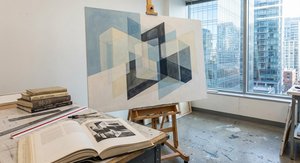
Dominating the canvas is an intricate composition featuring overlapping circles and squares—a bold declaration of geometric principles. The palette bursts with vibrant hues—primarily reds, yellows, and blues—that harmonize to create a dynamic visual experience. Calder meticulously crafted these shapes using a flat painting technique, prioritizing form over texture; there’s no visible brushwork, reflecting his unwavering commitment to precision and control despite the illusion of movement.
A Reflection of Constructivism's Legacy
“Nemo” firmly roots itself within the influential Constructivist movement of the early 20th century. Like its contemporaries—artists who sought to liberate art from traditional conventions—Calder aimed to convey emotion and ideas through simplified geometric forms, rejecting decorative embellishments in favor of intellectual rigor. This stylistic choice underscores Calder’s belief that art should communicate directly with the viewer's intellect as well as their senses.
Symbolism Embedded in Motionless Form
Despite its apparent stillness, “Nemo” pulsates with an underlying sense of dynamism—a subtle suggestion of movement achieved through the careful arrangement of shapes and colors. Calder’s genius lies in transforming static form into a conduit for conveying emotion; the overlapping circles and squares evoke feelings of balance, harmony, and perhaps even controlled chaos. The artist deliberately avoided explicit symbolism, allowing viewers to interpret the artwork's impact on their own emotional landscape.
A Monumental Contribution to Modern Art
Alexander Milne Calder’s “Nemo” represents more than just a beautiful painting—it embodies a pivotal moment in artistic history. His pioneering exploration of kinetic sculpture and his unwavering dedication to geometric abstraction paved the way for subsequent generations of artists, establishing him as one of the most influential sculptors of the 20th century. This artwork continues to inspire admiration for its elegance, innovation, and profound engagement with fundamental principles of visual art.
Pytania i odpowiedzi
Do jakiego nurtu i do której epoki zalicza się „Nemo” autorstwa Alexander Milne Calder?
W „Nemo” autorstwa Alexander Milne Calder nurt Modernism łączy się z epoką Nowoczesność.
Jak silny jest kontrast w „Nemo” autorstwa Alexander Milne Calder?
Poziom kontrastu dzieła „Nemo” autorstwa Alexander Milne Calder wynosi Statement.
W którym muzeum znajduje się oryginał "Nemo"?
Oryginał dzieła „Nemo” można zobaczyć w Biennale Internazionale dell'Antiquariato di Firenze, Florencja, Włochy.
Biografia artysty
Introduction to Alexander Milne Calder
Alexander Milne Calder (MILL-nee) was a Scottish American sculptor born in Aberdeen, Scotland, on August 23, 1846. He is best known for his architectural sculpture of Philadelphia City Hall and both his son, Alexander Stirling Calder, and grandson, Alexander ‘sandy’ Calder, became significant sculptors in the 20th century. His artistic journey began with a formative influence from his father, John Rhind, a sculptor who instilled in him an early appreciation for stone carving during his childhood years. Calder attended the Royal Academy in Edinburgh where he honed his skills and studied alongside fellow artists, shaping his understanding of classical sculpture traditions. He subsequently moved to London, immersing himself in the vibrant artistic milieu of Victorian England, and undertook commissions that showcased his versatility and technical prowess.Early Life and Education
Calder’s upbringing was marked by a profound connection to art from a young age. His father, John Rhind, nurtured his talent for sculpting stone—a craft passed down through generations—providing him with invaluable experience in mastering the medium. Calder pursued formal artistic training at the Royal Academy of Edinburgh, immersing himself in the study of classical sculpture and gaining insights into influential artistic movements of the time. This early education laid the groundwork for his future endeavors as a sculptor and cemented his dedication to artistic excellence. He traveled extensively throughout Europe, absorbing diverse cultural influences that enriched his creative vision.Career Highlights
Calder’s professional life unfolded with remarkable achievements, most notably his monumental contribution to Philadelphia City Hall. Recognizing the need for innovative sculptural designs, he embarked on a transformative project—a commission that demanded more than 250 pieces of marble and bronze over a span of two decades. This ambitious undertaking showcased Calder's unparalleled skill in crafting large-scale architectural sculptures and solidified his reputation as one of Scotland’s foremost sculptors. Furthermore, Calder captivated audiences with his creation of William Penn, a colossal bronze statue that served as the centerpiece of Philadelphia City Hall’s tower—a testament to his artistic ambition and technical mastery. His work extended beyond monumental sculpture; he produced numerous smaller pieces, exploring diverse materials and techniques while maintaining a consistent commitment to artistic innovation.Notable Sculptures and Artistic Style
Calder's sculptural style is characterized by its exploration of kinetic art—the incorporation of movement into static sculptures. He pioneered the technique of “mobiles,” delicate structures composed of suspended metal rods and balanced weights that oscillate rhythmically with air currents, capturing the essence of chance and spontaneity. These mobiles exemplify Calder’s fascination with natural phenomena and his desire to translate organic rhythms into artistic form. His monumental sculptures, such as *Man Cub* and *Indian Figure*, stand as enduring symbols of sculptural artistry—reflecting Calder's profound understanding of form and balance. Calder’s distinctive approach to sculpture continues to inspire artists today, cementing his legacy as a visionary innovator who reshaped the landscape of modern art.Legacy and Influence
Alexander Stirling Calder and Alexander ‘sandy’ Calder followed in their father’s footsteps, establishing themselves as prominent sculptors—carrying forward Calder's artistic vision and furthering his exploration of kinetic sculpture. Their contributions to the art world underscore the enduring impact of Calder’s pioneering spirit and demonstrate the transmission of artistic heritage across generations. Calder’s sculptures reside in museums worldwide—a testament to their universal appeal and lasting significance—inspiring artists and audiences alike with their beauty, innovation, and contemplation of movement and balance. His legacy continues to resonate within the art community—affirming Calder's position as a pivotal figure who transformed sculptural practice and captivated viewers with his groundbreaking aesthetic.
Alexander Milne Calder
1898 - 1976 , Szkocja
Najważniejsze informacje
- Artistic Movement Or Style: Architectural sculpture
- Artists Who Influenced This Artist: ['John Rhind']
- Date Of Birth: August 23, 1846
- Date Of Death: June 14, 1923
- Full Name: Alexander Milne Calder
- Nationality: Scottish-American
- Notable Artworks:
- Philadelphia City Hall
- William Penn statue
- Place Of Birth: Aberdeen, Scotland
Zobacz także powiązane artykuły

Poza Formą i Kolorem: Ewolucja Abstrakcji Geometrycznej w Sztuce XX i XXI Wieku
Odkryj fascynującą historię abstrakcji geometrycznej w sztuce XX i XXI wieku! Analiza kluczowych nurtów, artystów i technik. Ekspercka wiedza dla kolekcjonerów na OriginalUniqueArt.com.

Neo-Abstract Art: The High-Impact Evolution of Modern Visual Energy and Geometric Sophistication
Discover the power of Neo-Abstract art. Explore how bold geometric forms and high-impact visual energy are redefining modern design. Learn to curate sophisticated, high-energy spaces with the latest trends in contemporary abstraction and structural color.
Poza Formą i Kolorem: Trwała Spuścizna Abstrakcji Geometrycznej w Historii Sztuki
Poznaj fascynującą historię abstrakcji geometrycznej – od rosyjskiej awangardy po wpływ na współczesną sztukę i design. Ekskluzywne analizy, kluczowi artyści i perspektywy inwestycyjne dla kolekcjonerów.

25 Arcydzieł Kandinskiego: Kolor, Duchowość i Abstrakcja w Twoim Domu | OriginalUniqueArt.com
Odkryj 25 arcydzieł Wassily Kandinskiego – pioniera abstrakcji i ekspresjonizmu! Poznaj historie, techniki i emocje kryjące się za jego kolorowymi kompozycjami. Reprodukcje obrazów najwyższej jakości na OriginalUniqueArt.com. Eksploruj pełną kolekcję online!

Geometria Sztuki: 10 Arcydzieł Abstrakcji Geometrycznej | OriginalUniqueArt.com
Odkryj 10 arcydzieł abstrakcji geometrycznej! Poznaj historię Mondriana, Kandinskiego i Maleвича. Inspiracje wnętrzarskie z malarstwem abstrakcyjnym – reprodukcje najwyższej jakości na OriginalUniqueArt.com. Eksploruj kolekcję online!
