

 Zobacz w skali 1:1
 Wyślij
 Udostępnij
 Szczegóły
 Przewodnik

 Pobierz plik obrazu
 Podobne obiekty
 RTG
RTG Pokaz slajdów
 Statystyki
Czerwony Słońce


 Czytaj więcej
Dzieło sztuki prezentowane na tej stronie podlega ochronie prawem autorskim, co oznacza, że nie mamy prawa do tworzenia ani sprzedaży jego identycznej reprodukcji. Ochrona ta jest egzekwowana na mocy umów międzynarodowych, takich jak Konwencja berneńska oraz przez przepisy prawa krajowego, w tym te określone w Prawo autorskie USA – Tytuł 17.
Metoda ta jest w pełni zgodna z przepisami prawa autorskiego, ponieważ nie polega na kopiowaniu ani powielaniu chronionego dzieła. Stanowi ona kreatywną reinterpretację – nowy obraz, który czerpie inspirację z oryginału, ale nie jest z nim tożsamy.
Giclée / Wydruk artystyczny
Wydruki giclée lub płótna o jakości muzealnej, szybka realizacja i szeroki wybór opcji wykończenia. ( Kup ręcznie malowany obraz Przełącz na wersję cyfrową)




P118B zł10

P118H zł10

P118W zł10

P438Z zł10

P508JH zł12

P508YH zł12

P805H zł10

P805Z zł10

P919BZ zł10

P919G zł10

P919XJ zł10

P959ZH zł10

P968JZ zł12

W106C zł8

W218G zł10

W218JH zł8

W218Y zł10

W307PJ zł10

W316G zł10

W316PJ zł8

W316Y zł10

W398PJ zł8

W4111J zł10

W500HY zł15

W500JH zł15

W692G zł12

W849H zł8

W940BG zł15

W953PJ zł8




Wybierz spośród naszych standardowych rozmiarów, które zachowują oryginalne proporcje dzieła sztuki.

Wpisz wymaganą szerokość i wysokość, aby dopasować grafikę do ramy lub ściany. Wydruk można jedynie przyciąć, nigdy nie powiększając go poza oryginalny obraz, dlatego format o innym proporcji spowoduje utratę części kompozycji. Przed rozpoczęciem druku prześlemy Ci cyfrowy podgląd do zatwierdzenia. Obraz wyświetlany na tej stronie nie pokazuje rzeczywistego przycięcia — jedynie podgląd oddaje ten efekt.
Dostawa na cały świat () w ciągu 2 tygodni zamiast standardowych 4/5 tygodni. (22 Październik)

Bezpłatna ekspresowa wysyłka na cały świat

Wysokiej jakości płótno lniane

Pełne ubezpieczenie transportowe

Gwarancja zwrotu należności celnych i podatków importowych

Gwarancja idealnego odwzorowania barw

100-dniowy okres na zwrot dzieła w przypadku wykrycia wad produkcyjnych

Gwarancja 100% zwrotu pieniędzy

Oferta przy zakupie wielu sztuk
 Opcja ze szkłem jest dostępna wyłącznie w rozmiarach poniżej 110 cm

Czerwony Słońce
Giclée / Wydruk artystyczny
Rozmiar reprodukcji
-


Suma do zapłaty
zł 307
Red Sun: A Bold Statement of Geometric Simplicity
Alexander Milne Calder’s “Red Sun” stands as a testament to the power of reductive art – a deceptively simple black and white linocut print that encapsulates the spirit of Pop Art while simultaneously delving into profound symbolic considerations. Created in 1968, this artwork immediately grabs attention with its striking visual impact: a stylized sun figure dominates the composition, rendered in stark monochrome against a rectangular frame, embodying the core tenets of Calder’s artistic vision.
- Subject Matter & Composition: The central motif is an anthropomorphic sun – not merely a celestial body but imbued with human features. This deliberate juxtaposition elevates the image beyond mere representation, prompting contemplation on themes of vitality and perhaps even vulnerability. Geometric shapes—circles, triangles, and radiating lines—are skillfully employed to construct the sun’s form and its surrounding rays, generating dynamism and visual excitement.
- Style & Technique: Calder's approach aligns perfectly with Pop Art’s aesthetic principles. The bold outlines and flattened perspective contribute to a sense of immediacy and clarity, prioritizing formal elements over narrative content. The printmaking technique—likely linocut—is evident in the crisp edges and solid black areas, demonstrating precision and control.
- Historical Context: Produced during the mid-1960s, “Red Sun” reflects the broader artistic landscape of its time. Pop Art emerged as a reaction against Abstract Expressionism, favoring everyday subjects and vibrant colors (though here absent), yet retaining an intellectual rigor rooted in geometric abstraction.
- Symbolism: The sun has long held significance across cultures—representing life, illumination, divinity, and rebirth. Calder’s simplification of this universal symbol invites viewers to consider its essence, stripping away extraneous detail to focus on core concepts of energy and presence.
More than just a visually arresting image, “Red Sun” communicates an emotional resonance rooted in Calder's exploration of chance and spontaneity. The deliberate flatness of the composition underscores the artwork’s two-dimensional nature, while the red circle positioned at the bottom left corner serves as a subtle focal point—a vibrant counterpoint to the monochrome palette that reinforces the piece’s contemplative mood.
This reproduction offers an exceptional opportunity to appreciate Calder's masterful craftsmanship and his enduring contribution to modern art. Its clarity and tonal accuracy faithfully capture the essence of the original print, making it ideal for enhancing any interior space or serving as a captivating conversation starter.
Pytania i odpowiedzi
W jaki sposób kontrast i harmonia łączą się w "Czerwony Słońce"?
W "Czerwony Słońce" Oświadczenie kontrast współgra z Spójna paleta barw harmonią.
Jaki jest ogólny nastrój dzieła „Czerwony Słońce” autorstwa Alexander Milne Calder?
Ogólny nastrój dzieła „Czerwony Słońce” autorstwa Alexander Milne Calder to Wyraziste. Nastrój ten oddaje ogólną atmosferę pracy.
Gdzie mogę zobaczyć podgląd dzieła "Czerwony Słońce"?
Podgląd dzieła „Czerwony Słońce” autorstwa Alexander Milne Calder jest dostępny na stronie Podgląd danego utworu.
Biografia artysty
Introduction to Alexander Milne Calder
Alexander Milne Calder (MILL-nee) was a Scottish American sculptor born in Aberdeen, Scotland, on August 23, 1846. He is best known for his architectural sculpture of Philadelphia City Hall and both his son, Alexander Stirling Calder, and grandson, Alexander ‘sandy’ Calder, became significant sculptors in the 20th century. His artistic journey began with a formative influence from his father, John Rhind, a sculptor who instilled in him an early appreciation for stone carving during his childhood years. Calder attended the Royal Academy in Edinburgh where he honed his skills and studied alongside fellow artists, shaping his understanding of classical sculpture traditions. He subsequently moved to London, immersing himself in the vibrant artistic milieu of Victorian England, and undertook commissions that showcased his versatility and technical prowess.Early Life and Education
Calder’s upbringing was marked by a profound connection to art from a young age. His father, John Rhind, nurtured his talent for sculpting stone—a craft passed down through generations—providing him with invaluable experience in mastering the medium. Calder pursued formal artistic training at the Royal Academy of Edinburgh, immersing himself in the study of classical sculpture and gaining insights into influential artistic movements of the time. This early education laid the groundwork for his future endeavors as a sculptor and cemented his dedication to artistic excellence. He traveled extensively throughout Europe, absorbing diverse cultural influences that enriched his creative vision.Career Highlights
Calder’s professional life unfolded with remarkable achievements, most notably his monumental contribution to Philadelphia City Hall. Recognizing the need for innovative sculptural designs, he embarked on a transformative project—a commission that demanded more than 250 pieces of marble and bronze over a span of two decades. This ambitious undertaking showcased Calder's unparalleled skill in crafting large-scale architectural sculptures and solidified his reputation as one of Scotland’s foremost sculptors. Furthermore, Calder captivated audiences with his creation of William Penn, a colossal bronze statue that served as the centerpiece of Philadelphia City Hall’s tower—a testament to his artistic ambition and technical mastery. His work extended beyond monumental sculpture; he produced numerous smaller pieces, exploring diverse materials and techniques while maintaining a consistent commitment to artistic innovation.Notable Sculptures and Artistic Style
Calder's sculptural style is characterized by its exploration of kinetic art—the incorporation of movement into static sculptures. He pioneered the technique of “mobiles,” delicate structures composed of suspended metal rods and balanced weights that oscillate rhythmically with air currents, capturing the essence of chance and spontaneity. These mobiles exemplify Calder’s fascination with natural phenomena and his desire to translate organic rhythms into artistic form. His monumental sculptures, such as *Man Cub* and *Indian Figure*, stand as enduring symbols of sculptural artistry—reflecting Calder's profound understanding of form and balance. Calder’s distinctive approach to sculpture continues to inspire artists today, cementing his legacy as a visionary innovator who reshaped the landscape of modern art.Legacy and Influence
Alexander Stirling Calder and Alexander ‘sandy’ Calder followed in their father’s footsteps, establishing themselves as prominent sculptors—carrying forward Calder's artistic vision and furthering his exploration of kinetic sculpture. Their contributions to the art world underscore the enduring impact of Calder’s pioneering spirit and demonstrate the transmission of artistic heritage across generations. Calder’s sculptures reside in museums worldwide—a testament to their universal appeal and lasting significance—inspiring artists and audiences alike with their beauty, innovation, and contemplation of movement and balance. His legacy continues to resonate within the art community—affirming Calder's position as a pivotal figure who transformed sculptural practice and captivated viewers with his groundbreaking aesthetic.
Alexander Milne Calder
1898 - 1976 , Szkocja
Najważniejsze informacje
- Artistic Movement Or Style: Architectural sculpture
- Artists Who Influenced This Artist: ['John Rhind']
- Date Of Birth: August 23, 1846
- Date Of Death: June 14, 1923
- Full Name: Alexander Milne Calder
- Nationality: Scottish-American
- Notable Artworks:
- Philadelphia City Hall
- William Penn statue
- Place Of Birth: Aberdeen, Scotland
Zobacz także powiązane artykuły

Trwała Forma: Rzeźba w Historii – Technika i Rezonans Emocjonalny
Poznaj historię rzeźby od antyku do współczesności! Ekspercka analiza technik, stylów i emocjonalnego wpływu arcydzieł. Inspiracje dla kolekcjonerów i miłośników sztuki.

Czarne arcydzieła: Top 10 słynnych obrazów pełnych mroku i ekspresji | OriginalUniqueArt.com
Odkryj 10 słynnych obrazów, w których czerń króluje! Poznaj historie artystów, ekspresjonizm i mroczną paletę barw. Reprodukcje dzieł sztuki najwyższej jakości na OriginalUniqueArt.com – inspiracje do wnętrz i kolekcjonerstwo.

10 Legendarnych Brązów Rzeźbiarskich, Które Zmieniły Sztukę | OriginalUniqueArt
Odkryj 10 legendarnych rzeźb brązowych od Rodina, Degasa i innych mistrzów! Poznaj historię powstania arcydzieł sztuki i inspiruj się do dekoracji wnętrz. Reprodukcje najwyższej jakości na OriginalUniqueArt.com – zobacz kolekcję!

Trwałe Formy: Ewolucja Technik i Tematów w Rzeźbie Przez Wieki – Od Antyku do Renesansu
Poznaj fascynującą historię rzeźby od antyku do renesansu! Odkryj techniki, wybitnych artystów i wpływ na współczesną sztukę. Ekspercka analiza dla kolekcjonerów i miłośników.
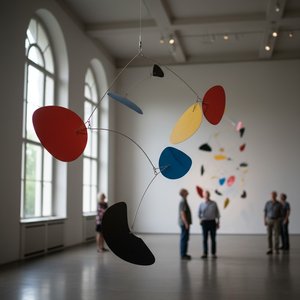
Alexander Calder: Kinetic Sculpture, Mobile Art & the Poetics of Chance
Explore the revolutionary world of Alexander Calder's kinetic sculptures & mobiles. Discover insights for collectors, acquisition advice, and the enduring legacy of this modern master. Expert analysis & art valuation.
