

 Podgląd w skali 1:1
 Wyślij jako kartkę
 Udostępnij
 Szczegóły dzieła
 Przewodnik

 Pobierz obraz
 Podobne obiekty
 RTG
RTG Pokaz slajdów
 Statystyki
Crosshatch

 Rozwiń treść
Dzieło sztuki prezentowane na tej stronie podlega ochronie prawem autorskim, co oznacza, że nie mamy prawa do tworzenia ani sprzedaży jego identycznej reprodukcji. Ochrona ta jest egzekwowana na mocy umów międzynarodowych, takich jak Konwencja berneńska oraz przez przepisy prawa krajowego, w tym te określone w Prawo autorskie USA – Tytuł 17.
Jako pełną szacunku i legalną alternatywę oferujemy personalizowane, malowane ręcznie dzieła sztuki inspirowane oryginałem. Nasi wykwalifikowani i profesjonalni artyści starannie analizują styl, nastrój oraz artystyczną esencję pierwowzoru, aby stworzyć nowe, unikalne dzieło, które przywołuje te same emocje – pozostając jednocześnie w pełni oryginalną kreacją.
Metoda ta jest w pełni zgodna z przepisami prawa autorskiego, ponieważ nie polega na kopiowaniu ani powielaniu chronionego dzieła. Stanowi ona kreatywną reinterpretację – nowy obraz, który czerpie inspirację z oryginału, ale nie jest z nim tożsamy.
Ręcznie malowana reprodukcja olejowa
Ręcznie malowany obraz olejny na płótnie, wykonany na zamówienie przez naszych artystów w wybranym przez Ciebie wymiarze i oprawie. ( Przełącz na wydania drukowane Przejdź do wersji cyfrowej)




































Wybierz spośród naszych standardowych rozmiarów, które zachowują oryginalne proporcje dzieła sztuki.

Wpisz wymaganą szerokość i wysokość, aby obraz pasował do Twojej ramy lub ściany. Ponieważ jest to dzieło malowane ręcznie, w przypadku rozmiaru o innych proporcjach artysta może domalować nieco więcej wokół obrazu lub przyciąć jego fragmenty — wybór należy do Ciebie. Przed rozpoczęciem pracy prześlemy Ci cyfrową wizualizację do zatwierdzenia. Obraz widoczny na tej stronie nie przedstawia rzeczywistego efektu — jedynie wizualizacja oddaje realny rezultat.
Po złożeniu zamówienia zespół OriginalUniqueArt.com skontaktuje się z klientem drogą mailową w celu uzyskania instrukcji i prześle wizualizację projektu
Dostawa na całym świecie () w ciągu 3–4 tygodni zamiast standardowych 5 tygodni. (28 Październik). Bez kompromisów w kwestii jakości.

Bezpłatna ekspresowa wysyłka na cały świat

Wysokiej jakości płótno lniane

Pełne ubezpieczenie przesyłki

Gwarancja zwrotu należności celnych i podatków importowych

Gwarancja wiernego odwzorowania kolorów

100-dniowa polityka zwrotów (tylko w przypadku wad)

Gwarancja 100% zwrotu pieniędzy

Zniżka przy zakupie wielu sztuk
 Opcja ze szkłem jest dostępna wyłącznie w rozmiarach poniżej 110 cm

Crosshatch
Technika reprodukcji
Wymiary reprodukcji
-


Cena całkowita
zł 1153
A Striking Encounter: "Crosshatch" by Alexander Milne Calder
This captivating painting, currently residing within the esteemed Smithsonian American Art Museum, presents a unique and visually arresting depiction of two birds perched atop one another. Rendered in a striking palette of red, yellow, and black, these aren't your typical feathered creatures; they possess an almost industrial aesthetic, appearing to be constructed from wire or metal. This unconventional material choice immediately elevates the work beyond simple representation, hinting at a deeper exploration of form, texture, and artistic interpretation. The birds’ beaks gently touching creates a sense of intimacy and connection despite their seemingly rigid construction.Style & Technique: Bridging Realism and Abstraction
Alexander Milne Calder's style in "Crosshatch" demonstrates a fascinating bridge between realism and abstraction. While the subject matter – birds – is readily identifiable, the execution deviates significantly from traditional naturalistic painting. The use of bold colors and the implied materiality (wire or metal) suggest an influence of early modernism, particularly movements exploring industrial aesthetics and geometric forms. The technique itself remains somewhat enigmatic without further documentation; however, the sharp contrasts in color and the defined lines likely contribute to the overall sense of structure and deliberate design. It’s a testament to Calder's ability to transform familiar subjects into compelling artistic statements.Historical Context & The Calder Legacy
Born in Aberdeen, Scotland in 1898, Alexander Milne Calder established himself as a significant sculptor, particularly known for his architectural contributions to Philadelphia City Hall. "Crosshatch," though seemingly simple, reflects the burgeoning artistic experimentation of the early 20th century. Importantly, it places this work within a remarkable family legacy: both his son, Alexander Stirling Calder, and grandson, Alexander "Sandy" Calder, achieved international acclaim as sculptors, notably for their kinetic sculptures. Understanding this familial context highlights the enduring influence of artistic exploration passed down through generations, demonstrating a shared commitment to innovative form and challenging conventional representation. The painting’s presence in the Smithsonian American Art Museum further underscores its historical and cultural importance within the landscape of American art.Symbolism & Emotional Impact
The symbolism inherent in "Crosshatch" is open to interpretation, adding layers of intrigue for the viewer. The birds themselves often represent freedom, communication, or even spiritual connection. Their metallic appearance could symbolize the intersection of nature and industry, reflecting the rapid technological advancements of Calder’s time. The act of perching atop one another, beaks touching, suggests interdependence, harmony, or perhaps a quiet moment of shared existence. Emotionally, the painting evokes a sense of both strength and fragility – the birds are robust in their construction yet possess an undeniable vulnerability. It's a work that invites contemplation on themes of connection, resilience, and the beauty found within unexpected forms.Pytania i odpowiedzi
Czy mogę zobaczyć „Crosshatch” – Alexander Milne Calder w różnym oświetleniu?
Widok rentgenowski dzieła „Crosshatch” – Alexander Milne Calder jest dostępny na stronie Analiza rentgenowska: to interaktywna analiza obrazu obejmująca jedenaście warstw optycznych.
W jaki sposób nurt i epoka przenikają się w „Crosshatch” – Alexander Milne Calder?
"Crosshatch" należy do nurtu Abstract Expressionism, a jego twórca tworzył w epoce Nowoczesność.
Gdzie mogę znaleźć statystyki dotyczące „Crosshatch” – Alexander Milne Calder?
Dla dzieła „Crosshatch” dostępna jest strona Statystyki wyświetleń. Przedstawia ona miesięczną liczbę odwiedzin tego dzieła oraz innych prac artysty, z podziałem na kraje i języki.
Biografia artysty
Introduction to Alexander Milne Calder
Alexander Milne Calder (MILL-nee) was a Scottish American sculptor born in Aberdeen, Scotland, on August 23, 1846. He is best known for his architectural sculpture of Philadelphia City Hall and both his son, Alexander Stirling Calder, and grandson, Alexander ‘sandy’ Calder, became significant sculptors in the 20th century. His artistic journey began with a formative influence from his father, John Rhind, a sculptor who instilled in him an early appreciation for stone carving during his childhood years. Calder attended the Royal Academy in Edinburgh where he honed his skills and studied alongside fellow artists, shaping his understanding of classical sculpture traditions. He subsequently moved to London, immersing himself in the vibrant artistic milieu of Victorian England, and undertook commissions that showcased his versatility and technical prowess.Early Life and Education
Calder’s upbringing was marked by a profound connection to art from a young age. His father, John Rhind, nurtured his talent for sculpting stone—a craft passed down through generations—providing him with invaluable experience in mastering the medium. Calder pursued formal artistic training at the Royal Academy of Edinburgh, immersing himself in the study of classical sculpture and gaining insights into influential artistic movements of the time. This early education laid the groundwork for his future endeavors as a sculptor and cemented his dedication to artistic excellence. He traveled extensively throughout Europe, absorbing diverse cultural influences that enriched his creative vision.Career Highlights
Calder’s professional life unfolded with remarkable achievements, most notably his monumental contribution to Philadelphia City Hall. Recognizing the need for innovative sculptural designs, he embarked on a transformative project—a commission that demanded more than 250 pieces of marble and bronze over a span of two decades. This ambitious undertaking showcased Calder's unparalleled skill in crafting large-scale architectural sculptures and solidified his reputation as one of Scotland’s foremost sculptors. Furthermore, Calder captivated audiences with his creation of William Penn, a colossal bronze statue that served as the centerpiece of Philadelphia City Hall’s tower—a testament to his artistic ambition and technical mastery. His work extended beyond monumental sculpture; he produced numerous smaller pieces, exploring diverse materials and techniques while maintaining a consistent commitment to artistic innovation.Notable Sculptures and Artistic Style
Calder's sculptural style is characterized by its exploration of kinetic art—the incorporation of movement into static sculptures. He pioneered the technique of “mobiles,” delicate structures composed of suspended metal rods and balanced weights that oscillate rhythmically with air currents, capturing the essence of chance and spontaneity. These mobiles exemplify Calder’s fascination with natural phenomena and his desire to translate organic rhythms into artistic form. His monumental sculptures, such as *Man Cub* and *Indian Figure*, stand as enduring symbols of sculptural artistry—reflecting Calder's profound understanding of form and balance. Calder’s distinctive approach to sculpture continues to inspire artists today, cementing his legacy as a visionary innovator who reshaped the landscape of modern art.Legacy and Influence
Alexander Stirling Calder and Alexander ‘sandy’ Calder followed in their father’s footsteps, establishing themselves as prominent sculptors—carrying forward Calder's artistic vision and furthering his exploration of kinetic sculpture. Their contributions to the art world underscore the enduring impact of Calder’s pioneering spirit and demonstrate the transmission of artistic heritage across generations. Calder’s sculptures reside in museums worldwide—a testament to their universal appeal and lasting significance—inspiring artists and audiences alike with their beauty, innovation, and contemplation of movement and balance. His legacy continues to resonate within the art community—affirming Calder's position as a pivotal figure who transformed sculptural practice and captivated viewers with his groundbreaking aesthetic.
Alexander Milne Calder
1898 - 1976 , Szkocja
Krótka nota
- Artistic Movement Or Style: Architectural sculpture
- Artists Who Influenced This Artist: ['John Rhind']
- Date Of Birth: August 23, 1846
- Date Of Death: June 14, 1923
- Full Name: Alexander Milne Calder
- Nationality: Scottish-American
- Notable Artworks:
- Philadelphia City Hall
- William Penn statue
- Place Of Birth: Aberdeen, Scotland
Powiązane artykuły

Trwała Forma: Rzeźba w Historii – Technika i Rezonans Emocjonalny
Poznaj historię rzeźby od antyku do współczesności! Ekspercka analiza technik, stylów i emocjonalnego wpływu arcydzieł. Inspiracje dla kolekcjonerów i miłośników sztuki.

Trwałe Formy: Ewolucja Technik i Tematów w Rzeźbie Przez Wieki – Od Antyku do Renesansu
Poznaj fascynującą historię rzeźby od antyku do renesansu! Odkryj techniki, wybitnych artystów i wpływ na współczesną sztukę. Ekspercka analiza dla kolekcjonerów i miłośników.
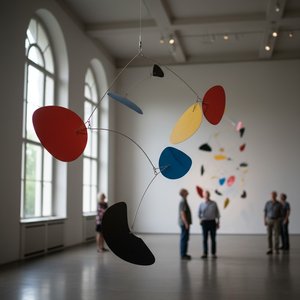
Alexander Calder: Kinetic Sculpture, Mobile Art & the Poetics of Chance
Explore the revolutionary world of Alexander Calder's kinetic sculptures & mobiles. Discover insights for collectors, acquisition advice, and the enduring legacy of this modern master. Expert analysis & art valuation.

10 Legendarnych Brązów, Które Zrewolucjonizowały Sztukę | OriginalUniqueArt
Odkryj 10 legendarnych rzeźb brązowych, które zrewolucjonizowały sztukę! Poznaj historie Rodina, Donatello i innych mistrzów. Inspiracje wnętrzarskie & reprodukcje najwyższej jakości na OriginalUniqueArt.com.

10 Legendarnych Brązów Rzeźbiarskich, Które Zmieniły Sztukę | OriginalUniqueArt
Odkryj 10 legendarnych rzeźb brązowych od Rodina, Degasa i innych mistrzów! Poznaj historię powstania arcydzieł sztuki i inspiruj się do dekoracji wnętrz. Reprodukcje najwyższej jakości na OriginalUniqueArt.com – zobacz kolekcję!
