Rozmiar tekstu

() ·

Obraz stworzony dla Ciebie, własnoręcznie

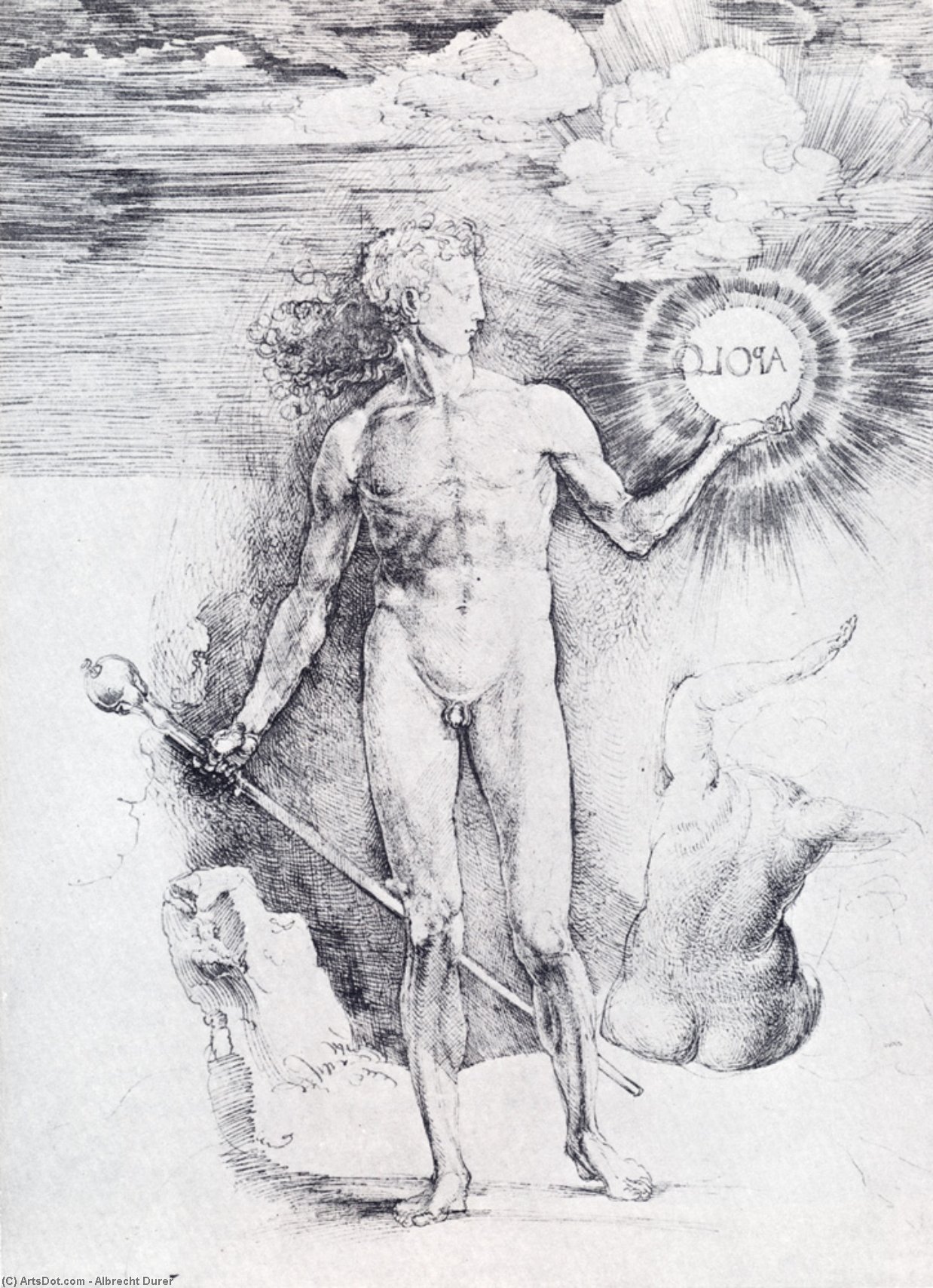
Apollo with the Solar Disc

Ręcznie malowana reprodukcja olejowa

Ręcznie malowany obraz olejny na płótnie, wykonany na zamówienie przez naszych artystów w wybranym przez Ciebie wymiarze i oprawie. ( Przełącz na wydania drukowane Przejdź do wersji cyfrowej)

Opis obiektu

Experience Albrecht Dürer's 'Apollo with the Solar Disc' (1504) – a stunning black & white pen and ink masterpiece capturing divine power, meticulous detail, and Renaissance artistry. A breathtaking reproduction of this iconic work.

Biografia artysty

Albrecht Dürer – niemiecki mistrz renesansu! Jego grafiki, portrety i pejzaże fascynują od wieków. Odkryj świat jego arcydzieł i genialnej techniki!

od ·

Rozdział 1

Jak duży powinien być ten format?

Przesuń suwak, aby zmienić rozmiar; obraz po lewej stronie przedstawia ramę w jej rzeczywistej szerokości. Zachowano proporcje oryginału.

Standardowy format
personalizowane
CM
INCH

Wybierz spośród naszych standardowych rozmiarów, które zachowują oryginalne proporcje dzieła sztuki.

szerokość
wysokość

Wpisz wymaganą szerokość i wysokość, aby obraz pasował do Twojej ramy lub ściany. Ponieważ jest to dzieło malowane ręcznie, w przypadku rozmiaru o innych proporcjach artysta może domalować nieco więcej wokół obrazu lub przyciąć jego fragmenty — wybór należy do Ciebie. Przed rozpoczęciem pracy prześlemy Ci cyfrową wizualizację do zatwierdzenia. Obraz widoczny na tej stronie nie przedstawia rzeczywistego efektu — jedynie wizualizacja oddaje realny rezultat.

Rozdział 2

W jaki sposób ma zostać dostarczone?

Wybierz krawędzie płótna naciągniętego na ramę

Wybierz ramę

Corner sample of the WhiteWrap canvas edge finish, stretched on lite drewno bars
Białe krawędzie zł1
Corner sample of the BlurSideWrap canvas edge finish, stretched on lite drewno bars
rozmyte krawędzie zł1
Corner sample of the ExtendedWrap canvas edge finish, stretched on lite drewno bars
Przedłużony zł1
Corner sample of the P118B picture frame: polistyren formowany, 5 cm wide and 3 cm thick
P118B zł10
Corner sample of the P118H picture frame: polistyren formowany, 5 cm wide and 3 cm thick
P118H zł10
Corner sample of the P118W picture frame: polistyren formowany, 5 cm wide and 3 cm thick
P118W zł10
Corner sample of the P438Z picture frame: polistyren formowany, 5.5 cm wide and 3.5 cm thick
P438Z zł10
Corner sample of the P508JH picture frame: polistyren formowany, 7 cm wide and 3.5 cm thick
P508JH zł12
Corner sample of the P508YH picture frame: polistyren formowany, 7 cm wide and 3.5 cm thick
P508YH zł12
Corner sample of the P805H picture frame: polistyren formowany, 5 cm wide and 3.5 cm thick
P805H zł10
Corner sample of the P805Z picture frame: polistyren formowany, 5 cm wide and 3.5 cm thick
P805Z zł10
Corner sample of the P919BZ picture frame: polistyren formowany, 7 cm wide and 3.5 cm thick
P919BZ zł10
Corner sample of the P919G picture frame: polistyren formowany, 7 cm wide and 3.5 cm thick
P919G zł10
Corner sample of the P919XJ picture frame: polistyren formowany, 7 cm wide and 3.5 cm thick
P919XJ zł10
Corner sample of the P959ZH picture frame: polistyren formowany, 5 cm wide and 3 cm thick
P959ZH zł10
Corner sample of the P968JZ picture frame: polistyren formowany, 6 cm wide and 4 cm thick
P968JZ zł12
Corner sample of the W106C picture frame: lite drewno, 5 cm wide and 3 cm thick
W106C zł8
Corner sample of the W218G picture frame: lite drewno, 5 cm wide and 3 cm thick
W218G zł10
Corner sample of the W218JH picture frame: lite drewno, 5 cm wide and 3 cm thick
W218JH zł8
Corner sample of the W218Y picture frame: lite drewno, 5 cm wide and 3 cm thick
W218Y zł10
Corner sample of the W307PJ picture frame: lite drewno, 6 cm wide and 3 cm thick
W307PJ zł10
Corner sample of the W316G picture frame: lite drewno, 6 cm wide and 3 cm thick
W316G zł10
Corner sample of the W316PJ picture frame: lite drewno, 6 cm wide and 3 cm thick
W316PJ zł8
Corner sample of the W316Y picture frame: lite drewno, 6 cm wide and 3 cm thick
W316Y zł10
Corner sample of the W398PJ picture frame: lite drewno, 5 cm wide and 3 cm thick
W398PJ zł8
Corner sample of the W4111J picture frame: lite drewno, 6.5 cm wide and 3.5 cm thick
W4111J zł10
Corner sample of the W500HY picture frame: lite drewno, 7 cm wide and 5 cm thick
W500HY zł15
Corner sample of the W500JH picture frame: lite drewno, 7 cm wide and 5 cm thick
W500JH zł15
Corner sample of the W692G picture frame: lite drewno, 8 cm wide and 4 cm thick
W692G zł12
Corner sample of the W849H picture frame: lite drewno, 5 cm wide and 3 cm thick
W849H zł8
Corner sample of the W940BG picture frame: lite drewno, 7.5 cm wide and 4.5 cm thick
W940BG zł15
Corner sample of the W953PJ picture frame: lite drewno, 6 cm wide and 3.5 cm thick
W953PJ zł8
Corner sample of the H24-GOLD picture frame: rzeźbione drewno pokryte gipsem, 10 cm wide and 6 cm thick
H24-GOLD zł30
Corner sample of the H24-SILVER picture frame: rzeźbione drewno pokryte gipsem, 10 cm wide and 6 cm thick
H24-SILVER zł30
Corner sample of the H36-GOLD picture frame: rzeźbione drewno pokryte gipsem, 15 cm wide and 6.5 cm thick
H36-GOLD zł45
Corner sample of the H36-SILVER picture frame: rzeźbione drewno pokryte gipsem, 15 cm wide and 6.5 cm thick
H36-SILVER zł45

Profil: . Wymiar całkowity w ramie: .

Rozdział 3

Kto go maluje i czy coś powinno ulec zmianie?

Przykłady możliwych zmian: Zastąpienie twarzy zdjęciem klienta; Dodanie zwierzęcia (np. zamiana kota na psa); Ukrycie wiadomości w tle; Zmiana krajobrazu lub elementów tła.
Po złożeniu zamówienia zespół OriginalUniqueArt.com skontaktuje się z klientem drogą mailową w celu uzyskania instrukcji i prześle podgląd projektu

Dostawa na całym świecie () w ciągu 3–4 tygodni zamiast standardowych 5 tygodni. (9 Listopad). Bez kompromisów w kwestii jakości.

Rozdział 4

Ostatnie szlify

Tabliczka informacyjna, jak w muzeum?

Szczegóły grawerowanej brązowej tabliczki

This elegant plaque features the artist's name and the title of the artwork, finely engraved for a timeless presentation.

It is made from bronze with a refined, elegant finish. The text is precisely laser-engraved for a sharp and permanent result. Measuring 9x2 cm, the plaque is compact yet easy to read. It's built to be durable and scratch-resistant, offering a professional, museum-quality look. Mounting is simple thanks to the included adhesive backing.

Szczegóły przezroczystej tabliczki akrylowej

The plaque includes essential engraved details such as the artist's name, the title of the artwork, the date it was created, the type of media used-like oil on canvas or watercolor-a brief description of the piece, and a QR code that links to the complete artwork information.

It is crafted from clear acrylic, offering a sleek, modern appearance. The text is UV-engraved in black to ensure strong visual contrast. With a size of 10x15 cm, it ensures optimal readability. It comes equipped with two metal hooks for secure wall mounting. The plaque is designed to be weather-resistant, making it suitable for various environments, and it includes interactive features that work seamlessly with smartphone scanning.

Szczegóły czarnej tabliczki akrylowej

This elegant plaque includes engraved information such as the artist's name, the title of the artwork, the date it was created, the type of media used (like oil on canvas or watercolor), a short description of the artwork, and a QR code for quick access to more information.

The plaque itself is made from refined black acrylic with a premium finish. The text is laser-engraved in white for high contrast and readability. Its size is 10x15 cm, designed to be easy to read. It comes with two metal hooks for professional mounting. The design is sleek and fits any interior style. It is also weather-resistant and durable, with built-in digital integration for mobile compatibility.

Werniks ochronny?

Kiedy potrzebujesz dostawy?

Rozdział 5

Twoje dzieło, dokładnie tak, jak zamówiłeś

Apollo with the Solar Disc

Technika reprodukcji

Wymiary reprodukcji

-

Wybitny mistrz artystyczny

Większa szczegółowość, finezja i dodatkowy czas na realizację

-

Opcje oprawy reprodukcji

-

-

W przypadku dzieł sztuki lub reprodukcji, których którykolwiek z boków przekracza 105 cm (około 41 cali), rama zostanie wysłana w formie zestawu do samodzielnego montażu. Metoda ta zapewnia bezpieczną dostawę i zapobiega uszkodzeniom podczas transportu.

Wymagany profesjonalny montaż – nie jest to produkt typu DIY.
Zestaw musi zostać złożony, a płótno naciągnięte przez doświadczonego profesjonalnego ramiarza, przy użyciu kleju do drewna (brak w zestawie), kleszczy do naciągania płótna oraz ścisków, które utrzymają krosna w równej pozycji podczas schnięcia kleju. Nieprawidłowy montaż lub nierównomierne napięcie płótna może trwale uszkodzić dzieło sztuki i nie podlega naszej gwarancji.

  • W zestawie znajdują się wszystkie listwy z litego drewna, precyzyjnie docięte do wymiarów.

  • Montaż odbywa się przy użyciu dołączonych wkrętów oraz kleju do drewna do łączenia narożników, którego zestaw nie zawiera i który musi zostać dostarczony przez ramiarza.

  • Wymagane są profesjonalne narzędzia, których nie ma w zestawie: kleszcze do naciągania płótna (napinacz) oraz zaciski, które pozwolą utrzymać listwy w równej pozycji podczas schnięcia kleju.

Ważne:
Do połączenia narożników niezbędny jest klej do drewna, listwy należy unieruchomić za pomocą ścisków do momentu całkowitego wyschnięcia kleju, a naciągnięcie płótna na złożoną ramę wymaga użycia kleszczy do naciągania płótna. Żaden z tych elementów nie jest dołączony do zestawu. Przed zamówieniem tego rozmiaru zalecamy konsultację z doświadczonym ramiarzem.

Etykieta obiektu

-

-

Lakier ochronny

Lakier z połyskiem (pogłębia kolory, chroni przed światłem i wilgocią)

-

Personalizacja dzieła

Przykłady możliwości personalizacji: zastąp twarz zdjęciem klienta; dodaj zwierzę domowe (np. zamień kota na psa); umieść ukrytą wiadomość w tle; zmień krajobraz lub elementy tła.

-

Ekspresowa

Dostawa na cały świat () w ciągu 3–4 tygodni zamiast standardowych 5 tygodni. (9 Listopad). Bez kompromisów w kwestii jakości.

-

Przesyłka ekspresowa

Dostawa na cały świat () w ciągu 5 tygodni. (16 Listopad).

W cenie

Cena całkowita

zł 1175

Suma całkowita zł 1175

Opcja ze szkłem jest dostępna wyłącznie w rozmiarach poniżej 110 cm

W każdym zamówieniu

  • Bezpłatna ekspresowa wysyłka na cały świat
  • Wysokiej jakości płótno lniane
  • Pełne ubezpieczenie przesyłki
  • Gwarancja zwrotu należności celnych i podatków importowych
  • Gwarancja wiernego odwzorowania kolorów
  • 100-dniowa polityka zwrotów (tylko w przypadku wad)
  • Gwarancja 100% zwrotu pieniędzy
  • Zniżka przy zakupie wielu sztuk

A Divine Radiance Captured: Albrecht Dürer’s “Apollo with the Solar Disc”

Albrecht Dürer's "Apollo with the Solar Disc," completed in 1504, is more than simply a meticulously rendered drawing; it’s a profound meditation on power, divinity, and the very essence of light. Executed in exquisite monochrome using the techniques of hatching and cross-hatching, this work transcends its technical mastery to offer a glimpse into the heart of Renaissance thought – a period grappling with classical ideals while simultaneously forging a distinctly German artistic identity. The drawing’s commanding scale of 285 x 202 cm immediately establishes an immersive experience for the viewer, inviting them into Dürer's meticulously constructed world.

At its core, the piece depicts Apollo, the Greek god of music, poetry, and the sun itself, positioned beneath a radiant solar disc. This isn’t merely a mythological subject; it’s an embodiment of Dürer’s fascination with classical antiquity – a renewed interest in the art and philosophy of ancient Greece and Rome that swept through Europe during the Renaissance. Apollo's contrapposto pose, a hallmark of Renaissance sculpture and painting, imbues the figure with dynamism and balance, suggesting both strength and contemplative grace. The staff he holds is not merely an attribute of his role; it’s a symbol of authority and artistic skill, subtly reinforcing his divine status.

The Language of Line: Technique and Craftsmanship

Dürer's genius lies in his unparalleled control over line. He doesn’t simply draw; he sculpts with ink. The drawing is built entirely upon a complex system of hatching and cross-hatching, creating an astonishingly rich range of tones within the absence of color. Observe how the delicate, closely spaced lines define the smooth contours of Apollo's skin, conveying both its texture and underlying musculature. The denser, more irregular lines used to depict shadows and volume create a palpable sense of depth and form – a remarkable feat achieved without the aid of shading. The rendering of the solar disc itself is particularly noteworthy; radiating lines emanate from a central point, mimicking the effect of light and creating an illusion of intense energy and brilliance.

Furthermore, Dürer’s use of stippling—tiny dots meticulously placed to build up tone—adds another layer of textural complexity. This technique is particularly evident in areas like the sculpted base, lending it a rough, weathered appearance that contrasts sharply with the polished smoothness of Apollo's form. The precision and patience required for such detailed execution underscore Dürer’s dedication to his craft and his commitment to achieving an unparalleled level of realism.

Symbolism and Emotional Resonance

Beyond its technical brilliance, “Apollo with the Solar Disc” is laden with symbolic meaning. The solar disc itself represents Apollo's association with the sun – a source of light, warmth, and life-giving energy. It’s a potent symbol of enlightenment, divine power, and artistic inspiration. The two smaller figures in the background, partially obscured by the landscape, likely represent mortals or perhaps other deities, adding a narrative dimension to the scene and suggesting Apollo's dominion over both the gods and humanity.

The overall effect is one of profound contemplation. Apollo’s gaze, directed upwards towards the solar disc, conveys a sense of focused determination and perhaps even a hint of melancholy – a recognition of his own divine nature alongside the limitations of human experience. The drawing invites us to consider themes of power, beauty, and the eternal quest for knowledge and understanding. It's a work that speaks not just to the eye but also to the soul.

A Window into the Renaissance: Historical Context

Created in 1504, “Apollo with the Solar Disc” reflects the intellectual climate of the High Renaissance in Germany. Nuremberg, Dürer’s adopted home, was a thriving center of commerce and artistic innovation during this period. Dürer's work exemplifies the era’s fascination with classical antiquity, as evidenced by his meticulous study of Greek mythology and his adoption of Renaissance artistic conventions. This drawing stands as a testament to Dürer’s ambition – he sought not merely to imitate but to elevate art to a new level of intellectual and aesthetic achievement.

The piece also demonstrates the growing importance of printmaking during this time, with Dürer being one of the first artists to truly master the technique. His drawings were often reproduced in multiple prints, making his work accessible to a wider audience than ever before. “Apollo with the Solar Disc” remains a powerful example of Dürer’s artistic genius and a significant contribution to the legacy of Northern Renaissance art.

Pytania i odpowiedzi

Jakie są rzeczywiste wymiary dzieła „Apollo with the Solar Disc” – Albrecht Dürer?

Oryginalny utwór „Apollo with the Solar Disc” – Albrecht Dürer ma wymiary 285 x 202 cm.

Jaki nastrój i emocje łączą się w "Apollo with the Solar Disc"?

Nastrój utrwalony w „Apollo with the Solar Disc” – Albrecht Dürer to Dramatic, a jego ton emocjonalny to Powerful.

Jaki rozmiar wydruku jest zalecany dla „Apollo with the Solar Disc” – Albrecht Dürer?

Dla dzieła „Apollo with the Solar Disc” – Albrecht Dürer sugerowana jest reprodukcja w formacie Large. Rozmiar można dostosować, zachowując proporcje.

Więcej o tym obrazie

Podgląd w skali 1:1 Podgląd AR Przełącz na wydania drukowane Przejdź do wersji cyfrowej Wyślij jako kartkę
Szczegóły dzieła Przewodnik Dodaj do ulubionych Pobierz obraz Podobne obiekty RTG Pokaz slajdów Pytania i odpowiedzi Statystyki

W liczbach

  • 1504rok powstania dzieła
  • 29dostępne ramy do wyboru
  • standardowe formaty, w ich własnych proporcjach
  • 5tygodni na namalowanie i dostarczenie dzieła
Albrecht Dürer

Albrecht Dürer

1471 - 1528, Niemcy

Krótkie informacje o Albrecht Dürer

  • Artistic Movement Or Style: Renesans północny
  • Artists Or Movements Influenced By This Artist:
    • Renesans włoski
    • Gothic
  • Artists Who Influenced This Artist:
    • Leonardo da Vinci
    • Michał Wolgemut
    • Rafael
  • Date Of Birth: 21 maja 1471
  • Date Of Death: 6 kwietnia 1528
  • Full Name: Albrecht Dürer
  • Nationality: Niemiec
  • Notable Artworks:
    • Apokalipsa
    • Melencolia I
    • Jeremia w jego studiu
  • Place Of Birth: Nuremberg, Niemcy

Biografia artysty

A Life Forged in Nuremberg: The Early Years and Apprenticeship

Albrecht Dürer, a name synonymous with the German Renaissance, emerged from the bustling artisan city of Nuremberg in 1471. His father, Albrecht Dürer the Elder, was a successful goldsmith who had immigrated from Hungary, bringing with him a lineage steeped in craftsmanship. It was within this environment—the scent of metal and the meticulous precision of handiwork—that young Albrecht’s artistic inclinations first took root. Though his father envisioned a similar path for him, apprenticing him initially in the family trade, it soon became undeniable that Albrecht possessed an exceptional gift for drawing. At thirteen, he transitioned to the workshop of Michael Wolgemut, Nuremberg's leading artist at the time. This was no mere technical training; it was immersion into a world of illuminated manuscripts, painted panels, and—crucially—the burgeoning art of woodcut illustration. The sheer volume of work produced by Wolgemut’s workshop, including the extensive illustrations for the *Nuremberg Chronicle*, provided Dürer with an unparalleled foundation in design, composition, and the mechanics of image-making. A remarkable silverpoint self-portrait from 1484, created when he was barely a teenager, stands as astonishing evidence of his precocious talent—a testament to a burgeoning artistic identity already taking shape. This early work demonstrated a keen eye for detail, an understanding of perspective, and a nascent ability to capture the likeness of individuals with remarkable accuracy.

The Italian Influence and Artistic Maturation

Dürer’s ambition extended far beyond the confines of Nuremberg. Driven by an insatiable curiosity and a desire to master the art of painting, he embarked on his first journey to Italy in 1494. This was not simply a sightseeing trip; it was a pilgrimage to the heart of the Renaissance. He encountered the works of masters like Raphael, Giovanni Bellini, and Leonardo da Vinci—artists who were redefining the possibilities of form, perspective, and human expression. The impact of this exposure was profound. Dürer absorbed the classical motifs, harmonious compositions, and subtle sfumato techniques that characterized Italian art, yet he never abandoned his Northern European sensibility for meticulous detail and symbolic depth. He studied the grandeur of Rome, marveling at ancient ruins and absorbing the legacy of antiquity. This journey ignited a desire to integrate classical ideals into his own artistic practice, leading him to incorporate elements of Greek and Roman mythology and philosophy into his later works. A second sojourn to Italy between 1505 and 1507 further solidified these influences, allowing him to study ancient Roman ruins and refine his understanding of anatomy and proportion. This synthesis of Northern precision and Italian grace became the hallmark of Dürer’s unique artistic style.

Mastering the Mediums: Painting, Engraving, and Woodcut

Dürer was a master of multiple mediums, each offering him distinct avenues for creative expression. His paintings, though fewer in number than his prints, demonstrate a remarkable command of oil paint and an ability to capture both physical likeness and psychological depth. Works like the *Feast of the Rose Garlands* (1507) reveal a vibrant palette influenced by Venetian colorism—bold hues and shimmering effects that create a sense of opulence and celebration. However, it was in the realm of printmaking—particularly engraving and woodcut—that Dürer truly revolutionized artistic practice. He elevated these techniques from mere reproductive methods to independent art forms, capable of conveying complex narratives and profound emotions. The *Apocalypse* series (1498), a collection of fourteen woodcuts illustrating the Book of Revelation, showcased his mastery of this medium despite its inherent limitations—the grainy texture of the woodcut demanded careful planning and execution. Later engravings like *Melencolia I* (1514) and *Saint Jerome in His Study* (1514) are testaments to his unparalleled skill—intricate compositions filled with symbolic meaning and executed with breathtaking precision. He didn’t just depict reality; he imbued it with layers of intellectual and spiritual significance, often incorporating complex allegories and moral lessons into his prints.

A Theorist and Innovator: The Legacy of Albrecht Dürer

Dürer was not merely an artist; he was a scholar, a theorist, and an innovator who sought to understand the underlying principles governing artistic creation. He believed in the mathematical foundations of art and dedicated himself to establishing a scientific approach to representation. His treatises on geometry, proportion, and human anatomy—most notably *Four Books of Human Proportion* (1528)—were groundbreaking for their time, demonstrating his commitment to rigorous observation and rational analysis. These writings were not simply academic exercises; they were intended to elevate the status of artists from mere craftsmen to intellectual practitioners. Dürer’s work on perspective, in particular, laid the groundwork for future generations of artists and architects. He meticulously documented his experiments with linear perspective, developing a system that allowed him to create realistic depictions of three-dimensional space on a two-dimensional surface. His theoretical writings were accompanied by numerous drawings and engravings that illustrated his concepts—a testament to his belief in the importance of visual demonstration. Dürer’s legacy extends far beyond his individual artworks. He bridged the gap between Northern European traditions and Italian Renaissance ideals, introducing classical motifs into Northern art while maintaining its distinctive character. His theoretical contributions helped establish a new framework for artistic practice, inspiring generations of artists with his technical skill, innovative spirit, and profound vision. He remains, to this day, one of the most important figures in the history of Western art.

Influences and Enduring Impact

  • Michael Wolgemut: Dürer’s initial mentor, providing foundational skills in drawing, painting, and woodcut techniques.
  • Leonardo da Vinci: Inspired Dürer's exploration of anatomy, perspective, and sfumato—the subtle blending of tones.
  • Raphael: Influenced Dürer’s compositional harmony and idealized forms.
  • Giovanni Bellini: Contributed to Dürer's understanding of color and Venetian painting traditions.

Dürer’s influence reverberates through centuries of art history. His meticulous realism, his innovative use of printmaking, and his theoretical writings continue to inspire artists and scholars alike. He demonstrated that art could be both technically masterful and intellectually rigorous—a legacy that continues to shape the artistic landscape today. His work stands as a testament to the power of observation, the pursuit of knowledge, and the enduring human desire to create beauty and meaning.

Najważniejsze informacje

  • Dimensions: 285 x 202 cm
  • Notable elements: Hatching/Cross-hatching
  • Title: Apollo with Solar Disc
  • Movement: Northern Renaissance
  • Subject or theme: Mythological Figure