
 Podgląd w skali
 Wyślij jako kartkę
 Udostępnij
 Szczegóły dzieła

 Pobierz
 Podobne obiekty
 RTG
RTG Pokaz slajdów
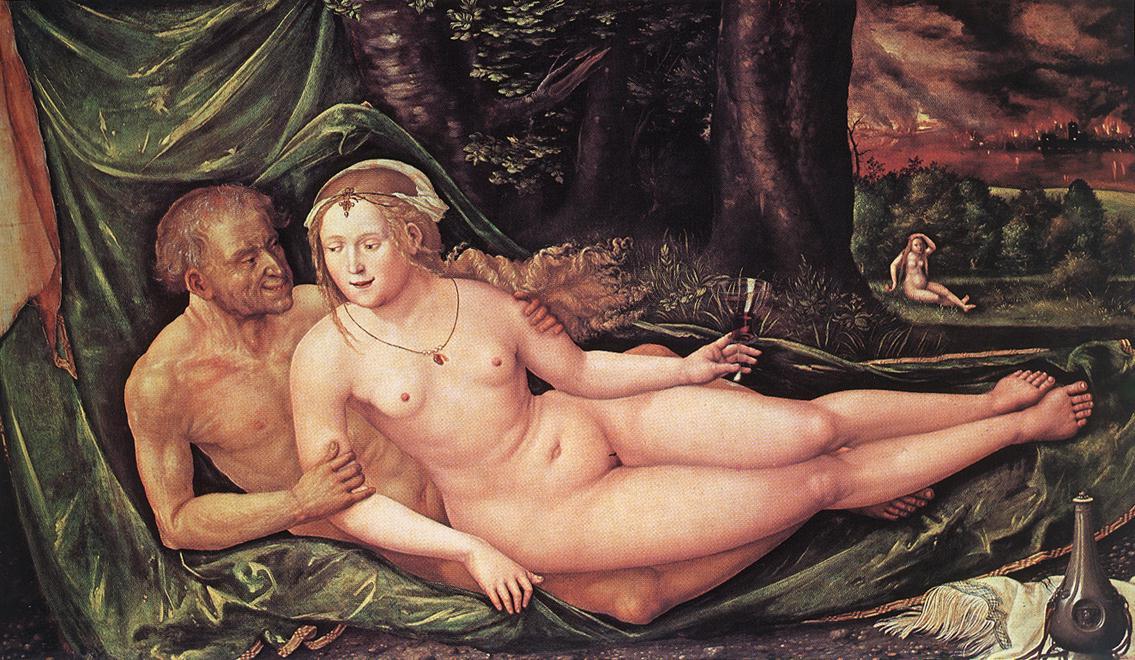
Loth and his Daughters
 Acrylic On Canvas
- WallArt
- Northern Renaissance
 1537
1537 107.0 x 189.0 cm
 Kunsthistorisches Museum
 Rozwiń treść
Kup wysokiej rozdzielczości, ulepszony obraz cyfrowy o znacznie wyższej jakości niż podgląd online.
Każdy plik jest starannie przygotowywany przez naszych specjalistów przy użyciu zaawansowanych narzędzi oraz profesjonalnej, ręcznej retuszy. Dbamy o to, aby każdy obraz cechował się wyjątkową ostrością, precyzyjnym odwzorowaniem kolorów i subtelnymi detalami.
Ostateczny plik dostarczany jest drogą mailową w ciągu 72 godzin, zoptymalizowany do natychmiastowego wykorzystania w profesjonalnych zastosowaniach redakcyjnych i poligraficznych. To ta sama jakość, której ufają czołowe studia projektowe, wydawnictwa oraz galerie sztuki.
Obraz cyfrowy
Pobierz plik o wysokiej rozdzielczości do osobistego wyświetlania, druku oraz projektów kreatywnych. ( Zamów wydruk Zamów ręcznie malowaną reprodukcję)
W każdym zamówieniu na obraz cyfrowy znajduje się
Profesjonalna dostawa cyfrowa z gwarancją
Wybierając OriginalUniqueArt.com, nie otrzymujesz jedynie obrazu – otrzymujesz profesjonalnie udoskonalone cyfrowe dzieło sztuki, stworzone z najwyższą precyzją i objęte gwarancją satysfakcji. Oto wszystko, co automatycznie dołączane jest do Twojego zamówienia:

Błyskawiczna wysyłka e-mailowa
Plik z obrazem cyfrowym w wysokiej rozdzielczości zostanie przesłany na Twój adres e-mail w ciągu 72 godzin od złożenia zamówienia – gotowy do natychmiastowego użycia.

Plik cyfrowy wzbogacony przez AI
Twoja grafika została profesjonalnie zoptymalizowana przy użyciu zaawansowanych narzędzi AI oraz ręcznej edycji, co zapewnia maksymalną szczegółowość, klarowność i wierność kolorów.

Dożywotnia darmowa ponowna dostawa
Przypadkowo usunąłeś lub zgubiłeś swój plik? Bez obaw – prześlemy go Tobie ponownie w dowolnym momencie, bez żadnych opłat.

Bez opłat importowych – zawsze
Ciesz się swoją sztuką natychmiast, bez żadnych opłat celnych, należności ani kosztów dostawy – pliki cyfrowe są zawsze wolne od podatku.

Gwarancja wierności kolorów
Dzięki zastosowaniu profesjonalnych narzędzi i procesów zarządzania barwą zapewniamy, że Twoje cyfrowe zdjęcie odzwierciedla oryginalne kolory tak wiernie, jak to tylko możliwe.

60-dniowa gwarancja satysfakcji
Jeśli nie będziesz zadowolony ze swojego cyfrowego obrazu, dokonamy jego poprawki lub zwrócimy 100% kosztów w ciągu 60 dni – bez żadnych pytań.

100% Gwarancja zwrotu pieniędzy
Nie jesteś zadowolony? Otrzymaj pełny zwrot kosztów w ciągu 60 dni od otrzymania pliku cyfrowego – bez zbędnych pytań.

Rabaty przy zamówieniach hurtowych
Kup 3 obrazy, oszczędź 10% - Kup 5, oszczędź 15% - Kup 10+, oszczędź 20%. Idealne do projektów kreatywnych, galerii i agencji.
Opis kolekcjonerski
Albrecht Altdorfer’s “Lot and His Daughters”: A Vision of Ruin and Intimacy
Albrecht Altdorfer's "Lot and his Daughters," painted in 1537, isn’t merely a depiction of a biblical narrative; it’s a profound exploration of human vulnerability, the looming specter of destruction, and an unexpectedly intimate portrayal of familial bonds. Emerging from the fertile artistic landscape of the Danube School, Altdorfer pushed beyond the established conventions of his time, forging a distinctly personal style that prioritized atmospheric depth, dramatic color, and a deeply rooted connection to the natural world – elements that resonate powerfully even today.
The painting immediately commands attention with its arresting composition. Lot, an aged figure rendered in muted tones, sits amidst a sprawling landscape dominated by a colossal, gnarled tree—a central motif throughout Altdorfer’s work, often interpreted as representing the enduring strength and resilience of nature itself. His posture is one of weary resignation, yet his gaze holds a flicker of affection directed towards his two daughters, who are depicted in a moment of unsettling vulnerability. The scene unfolds against the backdrop of a fiery, apocalyptic horizon—a clear reference to the destruction of Sodom and Gomorrah, subtly interwoven into the narrative’s emotional core. Altdorfer masterfully employs atmospheric perspective, creating a sense of vastness and distance that amplifies the painting's dramatic impact.
The Danube School and Altdorfer’s Revolutionary Landscape
To fully appreciate “Lot and his Daughters,” it’s crucial to understand Altdorfer’s place within the Danube School, a movement that fundamentally altered the course of German landscape painting. Unlike earlier artists who viewed nature as a static backdrop for human drama, Altdorfer treated the natural world as an active participant in the scene—a living, breathing entity imbued with its own rhythms and emotions. He meticulously observed the textures of bark, the play of light on water, and the shifting patterns of clouds, translating these observations onto canvas with remarkable detail and sensitivity. This commitment to realism was coupled with a willingness to imbue landscapes with symbolic meaning, as evidenced by the recurring presence of trees in his work – often seen as metaphors for life, death, or the passage of time.
Altdorfer’s innovative approach wasn't simply about replicating what he saw; it was about capturing *how* he felt when confronted with nature. His paintings are suffused with a sense of awe and reverence, reflecting his deep connection to the landscape of the Danube River valley. This artistic philosophy set him apart from his contemporaries and established him as a pioneer of modern landscape painting.
Symbolism and Emotional Resonance
Beyond its striking visual impact, “Lot and His Daughters” is rich in symbolic meaning. The daughters’s seductive glances towards their father are not presented as overtly scandalous but rather as an expression of desperate need—a plea for connection amidst the looming threat of annihilation. The wine they offer represents a fleeting attempt to stave off the inevitable, a fragile shield against the overwhelming forces of fate. The distant flames symbolize divine retribution and the consequences of human transgression.
Furthermore, the painting’s emotional core lies in the quiet intimacy between father and daughters. Despite the apocalyptic setting, there's a palpable sense of familial love—a poignant reminder that even in the face of destruction, human bonds endure. Altdorfer masterfully captures this delicate balance, creating an image that is both unsettling and profoundly moving.
A Masterpiece of Northern Renaissance Art
"Lot and His Daughters" stands as a testament to Albrecht Altdorfer’s artistic genius—a landmark achievement in the history of German painting. Its masterful composition, evocative use of color, and profound symbolic depth continue to captivate viewers centuries after its creation. Reproductions of this powerful work offer a unique opportunity to experience the drama and emotional resonance of Altdorfer's vision, bringing a touch of timeless beauty and contemplation to any space.
Biografia artysty
A Pioneer of the Northern Renaissance Landscape
Albrecht Altdorfer, born around 1480 in Regensburg, Germany, stands as a pivotal figure bridging the late Gothic period and the burgeoning German Renaissance. He wasn’t merely an artist *of* his time; he actively reshaped its artistic trajectory, particularly in the realm of landscape painting. Coming from a family deeply rooted in artistic tradition—his father, Ulrich Altdorfer, was a painter and miniaturist—the younger Altdorfer quickly distinguished himself not as a follower, but as an innovator. Regensburg, a free imperial city strategically positioned on the Danube River, provided a vibrant cultural backdrop for his formative years. This location profoundly shaped his artistic sensibilities, fostering a connection to the natural world that would become central to his oeuvre. Beyond his artistry, Altdorfer was a man of civic duty, serving as both town architect and council member—a testament to his versatile talents. However, it was through his art—particularly his early engravings and drawings from around 1506, such as *Stygmata of St. Francis* and *St. Jerome*—that he first revealed a unique artistic voice, hinting at the emotional intensity and meticulous detail that would characterize his mature style. His work reflects a deep engagement with the spiritual and the natural, often blending religious themes with evocative depictions of the landscape.The Danube School and a Revolutionary Vision
Altdorfer is most prominently recognized as a leading member of the Danube School, an influential group of artists active in southern Germany during the early 16th century. This artistic circle shared a common fascination with exploring the expressive potential of landscape, elevating it from a mere backdrop to become a central subject in its own right. Before Altdorfer, landscapes primarily served as settings for religious or historical narratives; he dared to depict nature *for itself*, imbued with atmosphere and emotional resonance. A transformative journey down the Danube River and into the Alps around 1511 proved crucial to his artistic development. The dramatic vistas, dense forests, and imposing mountains ignited within him a passion for depicting nature with unprecedented fidelity and feeling. He became, arguably, the first modern landscape painter, not simply replicating what he saw but conveying an emotional response—a sense of awe, mystery, and even spiritual connection. This wasn’t topographical accuracy alone; it was about capturing the *experience* of being within a landscape. His work, like “The Large Spruce,” exemplifies this shift, offering a serene and intricate depiction of nature's beauty. The Danube School artists, including Cranach and Huber, shared Altdorfer’s interest in portraying the natural world with an unprecedented level of detail and emotional depth, moving away from the purely functional role landscapes had previously held in art.Masterpieces and Artistic Influences
Throughout his career, Altdorfer produced a diverse body of work encompassing paintings, engravings, drawings, and architectural designs. Among his most celebrated achievements is *The Battle of Alexander at Issus* (1529), commissioned by Duke William IV of Bavaria. This monumental painting showcases not only his mastery of composition and detail but also his innovative use of landscape to heighten the dramatic tension of the battle scene. The swirling clouds, jagged mountains, and chaotic melee of soldiers create a sense of overwhelming energy and spectacle. The depiction is far from a simple historical record; it’s a carefully constructed drama where the landscape actively participates in the unfolding events. His collaboration with Emperor Maximilian I in Innsbruck from 1513 further expanded his artistic horizons and provided opportunities for large-scale projects. Altdorfer’s style wasn’t formed in isolation; he absorbed influences from various sources. The poetic lyricism of Giorgione, the expressive figures of Lucas Cranach the Elder, and the meticulous detail of Albrecht Dürer all left their mark on his work. However, he synthesized these influences into a uniquely personal vision, characterized by its emotional intensity, dramatic lighting, and evocative landscapes. His engravings, such as “Venus after the Bath,” demonstrate his skill in this medium, showcasing delicate lines and intricate details. The influence of Italian Renaissance art is particularly evident in his use of color and composition, while the Northern German tradition contributed to his meticulous attention to detail and his ability to capture the subtle nuances of light and shadow.Legacy and Lasting Impact
Albrecht Altdorfer’s artistic legacy extends far beyond the 55 panels, 120 drawings, and numerous engravings he created during his lifetime. He fundamentally altered the way artists approached landscape painting, paving the way for future generations to explore its expressive possibilities. His influence can be seen in the works of later German Romantic painters who similarly sought to capture the sublime beauty and emotional power of nature. Today, Altdorfer’s art is represented in major museum collections worldwide, including the Museum Ostdeutsche Galerie in Germany—which houses his *Madonna (Beautiful Maria of Regensburg)*—and the Kunstsammlungen und Museen Augsburg in Austria. His innovative spirit, technical skill, and profound connection to the natural world continue to inspire artists and captivate audiences centuries after his death in 1538. He remains a towering figure of the German Renaissance, a true pioneer who dared to see landscape not merely as scenery but as a powerful force capable of evoking deep emotion and spiritual meaning. His work serves as a testament to the enduring power of art to transform our perception of the world around us—a legacy that continues to resonate with viewers today.Exploring Altdorfer’s Diverse Works
Beyond his iconic landscapes and battle scenes, Altdorfer's artistic range encompassed religious subjects, mythological narratives, and even architectural designs. His depictions of biblical stories, such as “Abraham’s Sacrifice,” are imbued with a dramatic intensity and emotional depth that set them apart from earlier interpretations. He wasn’t simply illustrating scripture; he was exploring the human condition through the lens of faith. His works often feature complex allegorical elements interwoven within the natural setting, adding layers of meaning to his compositions. His engravings, particularly those depicting biblical figures, demonstrate a remarkable command of line and texture, creating images that are both visually striking and emotionally resonant. Altdorfer’s ability to seamlessly blend technical skill with emotional depth solidified his position as a leading artist of the Renaissance.- Religious Works: His depictions of scenes from the Bible, such as "Abraham's Sacrifice," demonstrate a profound engagement with religious themes and a willingness to explore complex theological ideas through evocative imagery.
- Mythological Narratives: Altdorfer also created works inspired by classical mythology, often incorporating elements of symbolism and allegory into his compositions.
- Architectural Designs: As town architect of Regensburg, Altdorfer contributed to the city’s fortifications and urban planning, showcasing his practical as well as artistic talents. His designs reflect a blend of Gothic and Renaissance styles.

Albrecht Altdorfer
1480 - 1538 , Niemcy
Krótka nota
- Artistic Movement Or Style: Szkoła Dunajska, Renesans
- Artists Or Movements Influenced By This Artist: ['Romantyzm Niemiecki']
- Artists Who Influenced This Artist:
- Giorgione
- Cranach
- Date Of Birth: c. 1480
- Date Of Death: 1538
- Full Name: Albrecht Altdorfer
- Nationality: Niemiec
- Notable Artworks:
- Bitwa Aleksandra
- Krajobraz
- Place Of Birth: Regensburg, Niemcy

