
 Podgląd w skali 1:1
 Wyślij jako kartkę
 Udostępnij
 Szczegóły dzieła
 Przewodnik

 Pobierz obraz
 Podobne obiekty
 RTG
RTG Pokaz slajdów
 Pytania i odpowiedzi
 Statystyki
Diptych

- 24.0 x 21.0 cm


 Rozwiń treść
Giclée / Wydruk artystyczny
Wydruki giclée lub płótna o jakości muzealnej, szybka realizacja i szeroki wybór opcji wykończenia. ( Zamów ręcznie malowaną reprodukcję Przejdź do wersji cyfrowej)




P118B zł10

P118H zł10

P118W zł10

P438Z zł10

P508JH zł12

P508YH zł12

P805H zł10

P805Z zł10

P919BZ zł10

P919G zł10

P919XJ zł10

P959ZH zł10

P968JZ zł12

W106C zł8

W218G zł10

W218JH zł8

W218Y zł10

W307PJ zł10

W316G zł10

W316PJ zł8

W316Y zł10

W398PJ zł8

W4111J zł10

W500HY zł15

W500JH zł15

W692G zł12

W849H zł8

W940BG zł15

W953PJ zł8




Wybierz spośród naszych standardowych rozmiarów, które zachowują oryginalne proporcje dzieła sztuki.

Wpisz wymaganą szerokość i wysokość, aby dopasować grafikę do ramy lub ściany. Wydruk można jedynie przyciąć, nigdy nie powiększając go poza oryginalny obraz, dlatego format o innych proporcjach spowoduje utratę części kompozycji. Przed rozpoczęciem druku prześlemy Ci cyfrowy podgląd do zatwierdzenia. Obraz wyświetlany na tej stronie nie pokazuje rzeczywistego przycięcia — jedynie podgląd oddaje ten efekt.
Dostawa na cały świat () w ciągu 2 tygodni zamiast standardowych 4/5 tygodni. (9 Listopad)

Bezpłatna ekspresowa wysyłka na cały świat

Wysokiej jakości płótno lniane

Pełne ubezpieczenie przesyłki

Gwarancja zwrotu należności celnych i podatków importowych

Gwarancja wiernego odwzorowania kolorów

100-dniowa polityka zwrotów (tylko w przypadku wad)

Gwarancja 100% zwrotu pieniędzy

Zniżka przy zakupie wielu sztuk
 Opcja ze szkłem jest dostępna wyłącznie w rozmiarach poniżej 110 cm

Diptych
Giclée / Wydruk artystyczny
Wymiary reprodukcji
-


Cena całkowita
zł 317
A Window Into the Soul: Albrecht Altdorfer’s “Diptych”
Albrecht Altdorfer's "Diptych," completed in 1507, isn’t merely a painting; it’s an invitation. A meticulously crafted wooden panel measuring just 24 x 21 centimeters, this work transcends its diminutive size to offer a profound glimpse into the artist’s unique vision and the burgeoning spirit of the Northern Renaissance. Housed within the Staatliche Museen in Berlin, the diptych presents two figures engaged in quiet contemplation beneath a richly detailed, almost dreamlike landscape – a scene brimming with symbolic weight and an undeniable sense of serenity.
Altdorfer, born in Regensburg around 1480, was a pivotal figure bridging the Gothic and Renaissance eras. He wasn’t simply *painting* landscapes; he actively reshaped how they were perceived within art. Rooted in his family's artistic lineage – his father, Ulrich Altdorfer, was a skilled miniaturist – Albrecht quickly distinguished himself as an innovator, moving beyond imitation to forge a distinctly personal style. The Danube River region, where he spent his formative years, profoundly influenced his work, imbuing it with a deep connection to the natural world and its inherent spirituality. This isn’t a straightforward depiction of nature; Altdorfer uses it as a vehicle for exploring human experience – the interplay between man and the environment, the search for wisdom, and perhaps even a hint of the divine.
The Composition: A Dance of Figures and Trees
At first glance, the scene appears simple: two men seated before a cluster of trees. However, closer inspection reveals an intricate web of detail and subtle symbolism. The figures themselves are rendered with remarkable realism – their robes meticulously depicted, their facial expressions conveying a quiet intensity. Yet, Altdorfer doesn’t rely solely on photographic accuracy; he employs a technique that blends meticulous observation with a touch of otherworldly mysticism. Notice the way the light filters through the branches, creating an ethereal glow and suggesting a realm beyond the purely material.
The trees themselves are particularly significant. In Altdorfer's work, they frequently represent wisdom, spiritual growth, or even the connection between heaven and earth. Their gnarled forms and dense foliage evoke a sense of ancient knowledge and enduring strength. The placement of the figures within this landscape is deliberate, creating a harmonious balance between human presence and natural grandeur. It’s as if Altdorfer is suggesting that true understanding comes not from dominating nature but from aligning oneself with its rhythms.
Symbolism and Technique: Earthy Tones and Layered Detail
Altdorfer's masterful use of earthy tones – ochres, browns, and greens – creates a sense of profound harmony and balance. These colors aren’t merely decorative; they are deeply rooted in the natural world, reflecting the artist’s reverence for the landscape. The painting is executed with remarkable detail, from the individual strands of hair to the texture of the robes. This meticulousness speaks to Altdorfer's dedication to his craft and his desire to capture not just the appearance but also the essence of his subjects.
The layering of paint—a technique known as *impasto*—adds a tactile quality to the work, inviting viewers to reach out and touch (though, of course, only through reproduction). This creates an illusion of depth and movement, drawing the eye into the scene and immersing it in its atmosphere. The subtle gradations of color and light further enhance this effect, transforming the painting into a captivating visual experience.
A Legacy of Innovation
Altdorfer’s work resonates with that of Matthias Grünewald, particularly his “St. Lawrence, St. Cyriacus,” sharing a similar emphasis on detail and symbolic richness. However, Altdorfer's contribution lies in his pioneering exploration of landscape as an integral element of narrative and spiritual expression – a characteristic that firmly establishes him as a key figure of the Danube School. His influence extended beyond painting; he was also a town architect and council member, demonstrating a remarkable versatility and engagement with his community.
Today, through meticulously crafted reproductions like those offered at OriginalUniqueArt.com, we can appreciate the profound beauty and enduring power of Altdorfer’s “Diptych.” It's an artwork that invites contemplation, sparking our own reflections on the relationship between humanity and the natural world – a timeless message rendered with breathtaking skill and sensitivity.
Pytania i odpowiedzi
Jaki poziom luminancji ma „Diptych” – Albrecht Altdorfer?
Jasność zarejestrowana dla „Diptych” – Albrecht Altdorfer wynosi Dark.
Jaka jest technika i wymiary oryginału „Diptych” – Albrecht Altdorfer?
Technika wykonania dzieła „Diptych” – Albrecht Altdorfer to Oil, a jego wymiary to 24 x 21 cm.
Kto stworzył "Diptych"?
Autorstwo dzieła "Diptych" przypisuje się Albrecht Altdorfer.
Biografia artysty
A Pioneer of the Northern Renaissance Landscape
Albrecht Altdorfer, born around 1480 in Regensburg, Germany, stands as a pivotal figure bridging the late Gothic period and the burgeoning German Renaissance. He wasn’t merely an artist *of* his time; he actively reshaped its artistic trajectory, particularly in the realm of landscape painting. Coming from a family deeply rooted in artistic tradition—his father, Ulrich Altdorfer, was a painter and miniaturist—the younger Altdorfer quickly distinguished himself not as a follower, but as an innovator. Regensburg, a free imperial city strategically positioned on the Danube River, provided a vibrant cultural backdrop for his formative years. This location profoundly shaped his artistic sensibilities, fostering a connection to the natural world that would become central to his oeuvre. Beyond his artistry, Altdorfer was a man of civic duty, serving as both town architect and council member—a testament to his versatile talents. However, it was through his art—particularly his early engravings and drawings from around 1506, such as *Stygmata of St. Francis* and *St. Jerome*—that he first revealed a unique artistic voice, hinting at the emotional intensity and meticulous detail that would characterize his mature style. His work reflects a deep engagement with the spiritual and the natural, often blending religious themes with evocative depictions of the landscape.The Danube School and a Revolutionary Vision
Altdorfer is most prominently recognized as a leading member of the Danube School, an influential group of artists active in southern Germany during the early 16th century. This artistic circle shared a common fascination with exploring the expressive potential of landscape, elevating it from a mere backdrop to become a central subject in its own right. Before Altdorfer, landscapes primarily served as settings for religious or historical narratives; he dared to depict nature *for itself*, imbued with atmosphere and emotional resonance. A transformative journey down the Danube River and into the Alps around 1511 proved crucial to his artistic development. The dramatic vistas, dense forests, and imposing mountains ignited within him a passion for depicting nature with unprecedented fidelity and feeling. He became, arguably, the first modern landscape painter, not simply replicating what he saw but conveying an emotional response—a sense of awe, mystery, and even spiritual connection. This wasn’t topographical accuracy alone; it was about capturing the *experience* of being within a landscape. His work, like “The Large Spruce,” exemplifies this shift, offering a serene and intricate depiction of nature's beauty. The Danube School artists, including Cranach and Huber, shared Altdorfer’s interest in portraying the natural world with an unprecedented level of detail and emotional depth, moving away from the purely functional role landscapes had previously held in art.Masterpieces and Artistic Influences
Throughout his career, Altdorfer produced a diverse body of work encompassing paintings, engravings, drawings, and architectural designs. Among his most celebrated achievements is *The Battle of Alexander at Issus* (1529), commissioned by Duke William IV of Bavaria. This monumental painting showcases not only his mastery of composition and detail but also his innovative use of landscape to heighten the dramatic tension of the battle scene. The swirling clouds, jagged mountains, and chaotic melee of soldiers create a sense of overwhelming energy and spectacle. The depiction is far from a simple historical record; it’s a carefully constructed drama where the landscape actively participates in the unfolding events. His collaboration with Emperor Maximilian I in Innsbruck from 1513 further expanded his artistic horizons and provided opportunities for large-scale projects. Altdorfer’s style wasn’t formed in isolation; he absorbed influences from various sources. The poetic lyricism of Giorgione, the expressive figures of Lucas Cranach the Elder, and the meticulous detail of Albrecht Dürer all left their mark on his work. However, he synthesized these influences into a uniquely personal vision, characterized by its emotional intensity, dramatic lighting, and evocative landscapes. His engravings, such as “Venus after the Bath,” demonstrate his skill in this medium, showcasing delicate lines and intricate details. The influence of Italian Renaissance art is particularly evident in his use of color and composition, while the Northern German tradition contributed to his meticulous attention to detail and his ability to capture the subtle nuances of light and shadow.Legacy and Lasting Impact
Albrecht Altdorfer’s artistic legacy extends far beyond the 55 panels, 120 drawings, and numerous engravings he created during his lifetime. He fundamentally altered the way artists approached landscape painting, paving the way for future generations to explore its expressive possibilities. His influence can be seen in the works of later German Romantic painters who similarly sought to capture the sublime beauty and emotional power of nature. Today, Altdorfer’s art is represented in major museum collections worldwide, including the Museum Ostdeutsche Galerie in Germany—which houses his *Madonna (Beautiful Maria of Regensburg)*—and the Kunstsammlungen und Museen Augsburg in Austria. His innovative spirit, technical skill, and profound connection to the natural world continue to inspire artists and captivate audiences centuries after his death in 1538. He remains a towering figure of the German Renaissance, a true pioneer who dared to see landscape not merely as scenery but as a powerful force capable of evoking deep emotion and spiritual meaning. His work serves as a testament to the enduring power of art to transform our perception of the world around us—a legacy that continues to resonate with viewers today.Exploring Altdorfer’s Diverse Works
Beyond his iconic landscapes and battle scenes, Altdorfer's artistic range encompassed religious subjects, mythological narratives, and even architectural designs. His depictions of biblical stories, such as “Abraham’s Sacrifice,” are imbued with a dramatic intensity and emotional depth that set them apart from earlier interpretations. He wasn’t simply illustrating scripture; he was exploring the human condition through the lens of faith. His works often feature complex allegorical elements interwoven within the natural setting, adding layers of meaning to his compositions. His engravings, particularly those depicting biblical figures, demonstrate a remarkable command of line and texture, creating images that are both visually striking and emotionally resonant. Altdorfer’s ability to seamlessly blend technical skill with emotional depth solidified his position as a leading artist of the Renaissance.- Religious Works: His depictions of scenes from the Bible, such as "Abraham's Sacrifice," demonstrate a profound engagement with religious themes and a willingness to explore complex theological ideas through evocative imagery.
- Mythological Narratives: Altdorfer also created works inspired by classical mythology, often incorporating elements of symbolism and allegory into his compositions.
- Architectural Designs: As town architect of Regensburg, Altdorfer contributed to the city’s fortifications and urban planning, showcasing his practical as well as artistic talents. His designs reflect a blend of Gothic and Renaissance styles.

Albrecht Altdorfer
1480 - 1538 , Niemcy
Krótka nota
- Artistic Movement Or Style: Szkoła Dunajska, Renesans
- Artists Or Movements Influenced By This Artist: ['Romantyzm Niemiecki']
- Artists Who Influenced This Artist:
- Giorgione
- Cranach
- Date Of Birth: c. 1480
- Date Of Death: 1538
- Full Name: Albrecht Altdorfer
- Nationality: Niemiec
- Notable Artworks:
- Bitwa Aleksandra
- Krajobraz
- Place Of Birth: Regensburg, Niemcy
Powiązane artykuły

John Constable: 25 Najlepszych Obrazów Mistrza Angielskiego Krajobrazu | OriginalUniqueArt
Odkryj 25 arcydzieł Johna Constable'a – mistrza angielskiego krajobrazu! Poznaj romantyczne pejzaże, technikę malarską i inspiracje z Dedham Vale. Reprodukcje obrazów najwyższej jakości na OriginalUniqueArt.com. Eksploruj pełną kolekcję online!

Romantyczny Krajobraz w Malarstwie: 10 Arcydzieł, Które Zdefiniowały Epokę | OriginalUniqueArt.com
Odkryj 10 arcydzieł romantyzmu w malarstwie! Poznaj historie Caspara Davida Friedricha, Turnera i innych mistrzów. Inspiracje wnętrzarskie & reprodukcje obrazów najwyższej jakości na OriginalUniqueArt.com. Eksploruj kolekcję online!
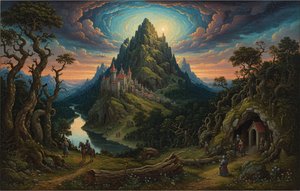
Albrecht Altdorfer: Innovation, Spirituality & the Northern Renaissance Landscape
Explore the groundbreaking art of Albrecht Altdorfer, a pioneer of the Northern Renaissance's Danube School. Discover his innovative landscapes, spiritual symbolism & lasting influence on German painting.
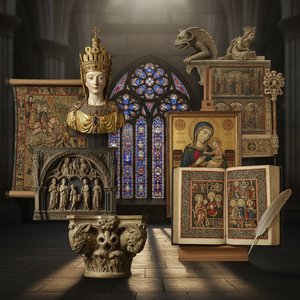
High Medieval Art: 10 Masterpieces That Shaped an Era | OriginalUniqueArt
Journey through High Medieval Art! Explore 10 iconic masterpieces – from Giotto's frescoes to stunning Gothic cathedrals. Discover the stories behind these timeless paintings, sculptures & illuminated manuscripts. Find museum-quality art reproductions at OriginalUniqueArt.com.

Evocations of Place: A Historical Journey Through Landscape Art
Explore the rich history of landscape art with OriginalUniqueArt. Discover renowned artists, movements like Impressionism & Romanticism, and expert guidance for collecting timeless pieces. Find your perfect serene escape today!


