

 Wyślij jako kartkę
 Udostępnij
 Szczegóły dzieła

 Pobierz
 Podobne obiekty
 Pokaz slajdów
Flower in Danger
 Mixed Materials
- Sculpture
- Surrealism
 1932
1932 56.0 x 78.0 cm
 Kunsthaus Zürich
 Rozwiń treść
Giclée / Wydruk artystyczny
Druk giclée lub płótno o jakości muzealnej, szybka realizacja i szeroki wybór opcji wykończenia. ( Zamów ręcznie malowaną reprodukcję Kup obraz wysokiej rozdzielczości)




































Wybierz spośród naszych standardowych rozmiarów, które zachowują oryginalne proporcje dzieła sztuki.

Możesz wprowadzić własne wymiary, aby dopasować dzieło do konkretnej ramy lub przestrzeni. Jeśli wybrany rozmiar nie będzie odpowiadał proporcjom oryginalnego obrazu, przytniecie dzieło lub rozszerzymy obraz za pomocą odbicia lustrzanego lub jednolitego wypełnienia krawędzi. Przed rozpoczęciem produkcji prześlemy cyfrową wizualizację do Twojej akceptacji.
Prosimy pamiętać, że podgląd na ekranie nie odzwierciedla faktycznego przycinania ani rozszerzania. Tylko wizualizacja dokładnie pokaże końcową kompozycję.
Mimo dostępności niestandardowych rozmiarów, zalecamy wybór wymiaru z listy zdefiniowanej, aby zachować oryginalne proporcje.
Dostawa na cały świat () w ciągu 2 tygodni zamiast standardowych 4/5 tygodni. (22 Sierpień)

Bezpłatna ekspresowa wysyłka na cały świat

Wysokiej jakości płótno lniane

Pełne ubezpieczenie przesyłki

Gwarancja zwrotu należności celnych i podatków importowych

Gwarancja wiernego odwzorowania kolorów

Polityka 60-dniowego zwrotu (tylko w przypadku wad)

Gwarancja 100% zwrotu kosztów

Zniżka przy zamówieniu wielu produktów
 Opcja ze szkłem jest dostępna wyłącznie w rozmiarach poniżej 110 cm

Flower in Danger
Giclée / Wydruk artystyczny
Wymiary reprodukcji
-


Cena całkowita
$ 80
Opis kolekcjonerski
Alberto Giacometti’s “Flower in Danger”: A Silent Plea for Preservation
The sculpture "Flower in Danger," created by Alberto Giacometti in 1932, stands as a poignant emblem of existentialist art and a testament to the artist's masterful manipulation of form and space. Executed in wood, plaster, wire, and string – materials chosen deliberately to convey fragility and vulnerability – it’s more than just an aesthetically pleasing object; it’s a visual meditation on themes of mortality and the urgent need for safeguarding beauty amidst encroaching threats. Giacometti's distinctive style, characterized by elongated figures that seem to defy gravity, immediately establishes itself as a departure from traditional sculptural conventions. This deliberate distortion isn’t merely stylistic flourish; it serves as a powerful metaphor for confronting anxieties about existence and grappling with the precariousness of life itself.- Material Composition: The sculpture utilizes wood as its primary structural element, providing stability while simultaneously highlighting its inherent vulnerability. Plaster reinforces this fragility, creating an impression of delicate balance—a visual representation of the flower’s fragile state. Wire and string are interwoven throughout the piece, adding textural complexity and subtly suggesting connections between disparate elements.
- Technique: Giacometti employed a subtractive sculpting technique, meticulously carving away material to reveal the underlying form. This painstaking process underscores the artist's commitment to capturing essence rather than replicating surface detail—a hallmark of Surrealist art’s exploration of subconscious imagery and emotional resonance.
Emotional Impact
“Flower in Danger” evokes a profound sense of melancholy and contemplation—a reminder of the ephemeral nature of existence and the importance of cherishing moments of beauty. Its stark simplicity compels viewers to confront uncomfortable truths about vulnerability and loss, prompting reflection on our role in protecting the natural world and safeguarding artistic legacies for future generations. The sculpture’s enduring power resides not merely in its formal qualities but also in its ability to resonate with audiences on an emotional level—a testament to Giacometti's profound understanding of the human condition.O artyście
A Life Sculpted by Existential Echoes
Alberto Giacometti, a name synonymous with the hauntingly elongated figures that define much of 20th-century sculpture, was born in 1901 amidst the breathtaking landscapes of Borgonovo, Switzerland. This alpine setting, nestled near the Italian border, instilled within him an early appreciation for form and space – qualities that would profoundly shape his artistic vision. He wasn’t simply entering a world of art; he was *born* into it. His father, Giovanni Giacometti, was a respected Post-Impressionist painter, and this familial immersion provided both encouragement and a foundation upon which young Alberto could build. The echoes of the Reformation resonated within his lineage too, as his family descended from Protestant refugees who had sought sanctuary from persecution, perhaps contributing to a lifelong exploration of isolation and the human condition. His brothers, Diego – himself a sculptor – and Bruno, an architect, further cemented art’s central role in their lives, creating a dynamic creative atmosphere that fostered experimentation and mutual influence.Early Influences and Artistic Formation
Giacometti’s formative years were marked by exposure to the artistic traditions of Switzerland and Italy. His father's paintings instilled in him an understanding of color and composition, while visits to Roman ruins ignited his fascination with classical sculpture and architectural grandeur. Recognizing his talent early on, Giovanni encouraged Alberto to pursue formal studies at the Geneva School of Fine Arts, where he honed his skills in drawing and painting alongside fellow artists. However, it was Antoine Bourdelle’s mentorship that truly shaped Giacometti's artistic trajectory. Bourdelle, a former associate of Rodin, instilled in him techniques rooted in classical sculpture—precision, anatomical accuracy, and an unwavering dedication to capturing the essence of human form. This influence would permeate his entire oeuvre, informing his later explorations of elongated figures and minimalist aesthetics.The Parisian Avant-Garde: Cubism, Surrealism, and Beyond
In 1922, Giacometti embarked on a transformative journey to Paris, immersing himself in the vibrant intellectual and artistic milieu of the avant-garde. He enrolled at Académie de la Grande Chaumière, absorbing influences from École de Beaux-Arts and experimenting with various sculptural mediums. Initially drawn to Cubism—particularly Picasso’s groundbreaking approach—Giacometti dismantled and reconstructed forms, mirroring the era's desire to challenge conventional representations of reality. Yet, he swiftly rejected Cubism’s fragmentation as a stylistic choice, yearning for a more personal expression. He embraced Surrealism, channeling his subconscious anxieties into dreamlike imagery and exploring psychological depths. Collaborations with Miró, Ernst, and Picasso solidified his position within the movement, fostering experimentation and pushing boundaries of artistic convention.The Miniature Revolution: Exploring Distance and Isolation
Around 1935, Giacometti underwent a radical stylistic shift—a deliberate reduction in scale that would become synonymous with his signature style. He began producing sculptures no larger than seven centimeters tall, rejecting monumental forms in favor of diminutive figures. This decision wasn’t merely about practicality; it reflected a profound preoccupation with isolation and detachment—themes central to Giacometti's worldview. These miniature sculptures weren’t simply scaled-down representations of human beings; they were explorations of distance—both physical and emotional—expressing the profound solitude inherent in existence. As Giacometti himself eloquently stated, “But wanting to create from memory what I had seen, to my terror the sculptures became smaller and smaller.” This preoccupation with scale underscored his belief that true artistic expression resided not in capturing external appearances but in conveying internal states of being.Postwar Recognition and Legacy
The devastation of World War II provided Giacometti with a crucible for artistic renewal. Seeking refuge in Switzerland during the conflict, he continued to sculpt—albeit on a smaller scale—and it was after the war that he achieved his most iconic style: the tall, attenuated figures for which he is celebrated today. These sculptures captured the anxieties of the postwar era—the trauma of loss and the yearning for connection—through rough surfaces and elongated limbs conveying fragility and vulnerability. They seemed perpetually on the verge of dissolving into nothingness, embodying the precariousness of existence. Giacometti’s monumental *Grande Femme Debout I–IV*, commissioned for Chase Manhattan Bank in New York, exemplifies his uncompromising artistic integrity—a refusal to compromise his vision for commercial considerations. He received the Grand Prize for Sculpture at the Venice Biennale in 1962 and was honored with retrospectives worldwide, cementing his place as one of the foremost sculptors of the 20th century. His work continues to inspire artists and captivate audiences with its profound exploration of the human condition—a testament to Giacometti’s enduring legacy as a pioneer of existential art.
Alberto Giacometti
1901 - 1966 , Szwajcaria
Krótka nota
- Artistic Movement Or Style: Surrealizm i Ekspresjonizm
- Artists Or Movements Influenced By This Artist: ['Cubizm']
- Artists Who Influenced This Artist:
- Antoine Bourdelle
- Rodin
- Date Of Birth: 1901
- Date Of Death: 1966
- Full Name: Alberto Giacometti
- Nationality: Szwajcarski
- Notable Artworks:
- Grande Femme Debout I–IV
- The City Square
- Place Of Birth: Borgonovo, Switzerland
Powiązane artykuły

10 Legendarnych Brązów Rzeźbiarskich, Które Zmieniły Sztukę | OriginalUniqueArt
Odkryj 10 legendarnych rzeźb brązowych od Rodina, Degasa i innych mistrzów! Poznaj historię powstania arcydzieł sztuki i inspiruj się do dekoracji wnętrz. Reprodukcje najwyższej jakości na OriginalUniqueArt.com – zobacz kolekcję!

10 Legendarnych Brązów, Które Zrewolucjonizowały Sztukę | OriginalUniqueArt
Odkryj 10 legendarnych rzeźb brązowych, które zrewolucjonizowały sztukę! Poznaj historie Rodina, Donatello i innych mistrzów. Inspiracje wnętrzarskie & reprodukcje najwyższej jakości na OriginalUniqueArt.com.

Trwałe Formy: Ewolucja Technik i Tematów w Rzeźbie Przez Wieki – Od Antyku do Renesansu
Poznaj fascynującą historię rzeźby od antyku do renesansu! Odkryj techniki, wybitnych artystów i wpływ na współczesną sztukę. Ekspercka analiza dla kolekcjonerów i miłośników.

Giovanni Giacometti: Sculpting Existentialism – A Study of Form, Space, and the Human Condition
Explore the profound artistic journey of Giovanni Giacometti, father to Alberto. Discover his unique transition from Surrealism to Existentialist sculpture and painting – a compelling study for elite collectors and art enthusiasts.
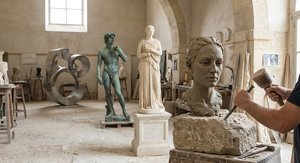
Trwała Forma: Rzeźba w Historii – Technika i Rezonans Emocjonalny
Poznaj historię rzeźby od antyku do współczesności! Ekspercka analiza technik, stylów i emocjonalnego wpływu arcydzieł. Inspiracje dla kolekcjonerów i miłośników sztuki.

