
 Podgląd w skali
 Wyślij jako kartkę
 Udostępnij
 Szczegóły dzieła

 Pobierz
 Podobne obiekty
 RTG
RTG Pokaz slajdów
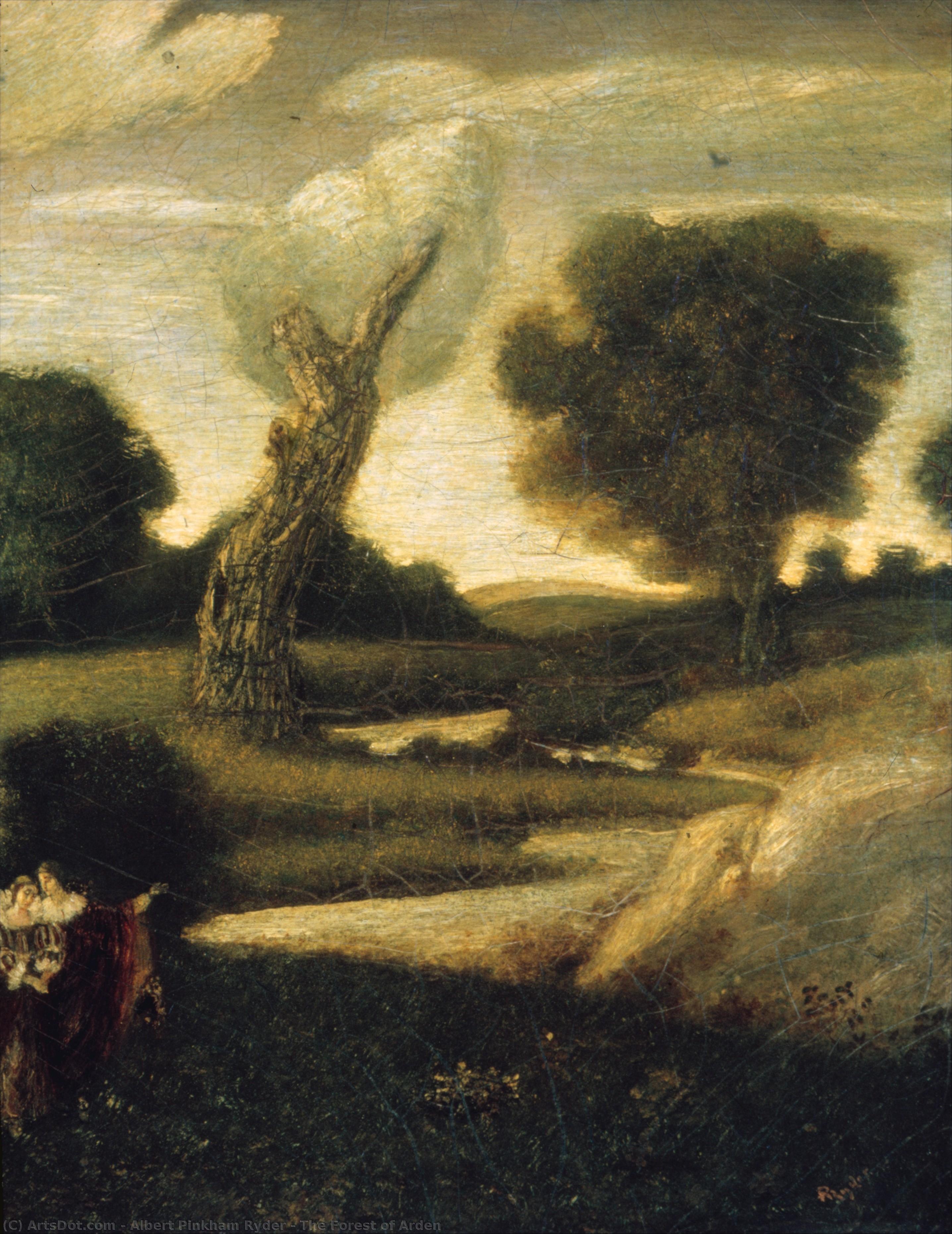
The Forest of Arden
 Oil
Oil- WallArt
- Impressionistic Landscape
 1908
1908- 19th Century
 48.0 x 38.0 cm
 Metropolitan Museum of Art
 Rozwiń treść
Giclée / Wydruk artystyczny
Druk giclée lub płótno o jakości muzealnej, szybka realizacja i szeroki wybór opcji wykończenia. ( Zamów ręcznie malowaną reprodukcję Kup obraz wysokiej rozdzielczości)




P118B $10

P118H $10

P118W $10

P438Z $10

P508JH $12

P508YH $12

P805H $10

P805Z $10

P919BZ $10

P919G $10

P919XJ $10

P959ZH $10

P968JZ $12

W106C $8

W218G $10

W218JH $8

W218Y $10

W307PJ $10

W316G $10

W316PJ $8

W316Y $10

W398PJ $8

W4111J $10

W500HY $15

W500JH $15

W692G $12

W849H $8

W940BG $15

W953PJ $8




Wybierz spośród naszych standardowych rozmiarów, które zachowują oryginalne proporcje dzieła sztuki.

Możesz wprowadzić własne wymiary, aby dopasować dzieło do konkretnej ramy lub przestrzeni. Jeśli wybrany rozmiar nie będzie odpowiadał proporcjom oryginalnego obrazu, przytniecie dzieło lub rozszerzymy obraz za pomocą odbicia lustrzanego lub jednolitego wypełnienia krawędzi. Przed rozpoczęciem produkcji prześlemy cyfrową wizualizację do Twojej akceptacji.
Prosimy pamiętać, że podgląd na ekranie nie odzwierciedla faktycznego przycinania ani rozszerzania. Tylko wizualizacja dokładnie pokaże końcową kompozycję.
Mimo dostępności niestandardowych rozmiarów, zalecamy wybór wymiaru z listy zdefiniowanej, aby zachować oryginalne proporcje.
Dostawa na cały świat () w ciągu 2 tygodni zamiast standardowych 4/5 tygodni. (21 Sierpień)

Bezpłatna ekspresowa wysyłka na cały świat

Wysokiej jakości płótno lniane

Pełne ubezpieczenie przesyłki

Gwarancja zwrotu należności celnych i podatków importowych

Gwarancja wiernego odwzorowania kolorów

Polityka 60-dniowego zwrotu (tylko w przypadku wad)

Gwarancja 100% zwrotu kosztów

Zniżka przy zamówieniu wielu produktów
 Opcja ze szkłem jest dostępna wyłącznie w rozmiarach poniżej 110 cm

The Forest of Arden
Giclée / Wydruk artystyczny
Wymiary reprodukcji
-


Cena całkowita
$ 80
Opis kolekcjonerski
A Dreamscape of Shadows and Solitude
In the quiet depths of Albert Pinkham Ryder’s 1908 masterpiece, “The Forest of Arden,” viewers are invited into a realm where the boundaries between reality and poetry dissolve. This evocative landscape is far more than a mere botanical study; it is a profound visual translation of Shakespearean pastoralism. Inspired by the legendary woods from the Bard's comedy, Ryder crafts a dreamlike panorama that captures the very essence of Arcadia—a sanctuary for those seeking escape from the relentless march of society. The painting breathes with an almost palpable stillness, inviting the observer to step into a world defined by contemplation and the transformative power of solitude.
The composition is anchored by a sense of profound weight and permanence. Unlike the fleeting, light-drenched moments captured by his Impressionist contemporaries, Ryder prioritizes depth and solidity. The towering trees dominate the canvas, their trunks rendered in rich, earthy tones of ochre and deep brown, creating a structural foundation that feels as ancient as the earth itself. Through a masterful simplification of form, the artist reduces complex botanical details into abstracted, rhythmic shapes. This deliberate technique directs the eye away from literal representation and toward the emotional resonance of the scene, allowing the muted palette of greens, blues, and shadows to weave an atmosphere of serene melancholy.
Symbolism and the Cycle of Life
At the heart of this woodland vision lies a poignant symbol: a felled tree resting in the foreground. To the discerning eye, this element serves as a powerful meditation on the duality of nature. While it traditionally represents mortality and the inevitable decay of all living things, within Ryder’s vision, it simultaneously embodies resilience and regeneration. This tension between life and death mirrors the very themes explored by Shakespeare, where characters like Rosalind and Celia find new identities and freedoms amidst the wildness of the forest. The presence of two subtle figures wandering through the landscape adds a layer of narrative intrigue, suggesting a human connection to this vast, indifferent, yet protective natural world.
For collectors and interior designers alike, “The Forest of Arden” offers an unparalleled opportunity to introduce a sense of intellectual depth and quiet drama into a space. The painting’s ability to evoke a mood of "sublime" beauty makes it a perfect centerpiece for rooms designed for reflection, such as libraries, studies, or sophisticated lounge areas. A high-quality reproduction of this work does not merely decorate a wall; it establishes an atmosphere of timelessness and mystery. It serves as a window into a period of American art where the landscape was used to explore the deepest recesses of the human soul, making it an enduring choice for those who appreciate art that speaks to both the eye and the spirit.
O artyście
Albert Pinkham Ryder – A Visionary of Mood and Light
Albert Pinkham Ryder (1847-1917) remains a figure shrouded in artistic enigma, yet undeniably influential within the annals of American art history. Details concerning his formative years are scarce—fragments gleaned from archival records paint a picture of a childhood steeped in the maritime atmosphere of New Bedford, Massachusetts. Little is known about Ryder’s early life beyond this coastal upbringing, which undoubtedly instilled within him an enduring fascination with the sea and its transformative power. This fascination would become a recurring motif throughout his oeuvre, manifesting itself as a constant source of inspiration for decades to come.Early Life and Artistic Beginnings
Ryder's family relocated to New York City in 1867 or 1868, joining Ryder’s elder brother who had established Hotel Albert in Greenwich Village—a landmark reflecting the burgeoning cultural dynamism of the era. This move placed young Albert within a milieu brimming with artistic possibilities and exposure to groundbreaking ideas. Balancing familial responsibilities alongside his unwavering passion for painting, he diligently honed his craft, laying the groundwork for his future artistic trajectory. Despite facing rejection from the National Academy of Design—a pivotal moment in his artistic ambitions—Ryder persevered, securing admittance after a second attempt and forging an enduring friendship with fellow artist Julian Alden Weir. These formative years nurtured his technical skills and introduced him to the established art world, shaping his aesthetic sensibilities profoundly.Formal Training and European Influences
Ryder’s formal artistic education commenced under William Edgar Marshall in New York City before he enrolled at the National Academy of Design between 1870 and 1875. His initial exhibition in 1873 cemented his position within the artistic landscape, establishing a lifelong connection with Weir—a bond that would prove invaluable throughout his career. These years instilled in him a mastery of traditional techniques while simultaneously fostering an openness to innovative concepts championed by European artists. Between 1877 and 1903, Ryder embarked on four transformative journeys to Europe, immersing himself in the artistic currents of the Old World—a period that irrevocably altered his artistic vision. He was particularly captivated by the French Barbizon school’s emphasis on naturalism and plein air painting, alongside the Dutch Hague School's muted color palettes and atmospheric landscapes. These influences instilled within him a profound appreciation for tonal effects and textural nuances—elements that would become hallmarks of his distinctive style.A Distinctive Artistic Style: Tonalism and Symbolism
Ryder’s artistic approach distinguished itself from prevailing trends, prioritizing mood and emotion over meticulous detail. He eschewed academic conventions in favor of expressive brushwork and a deliberate manipulation of color to convey intangible feelings—a stylistic choice that foreshadowed the burgeoning movement of Abstract Expressionism. His canvases frequently depict solitary figures enveloped within expansive landscapes or seascapes bathed in ethereal light—scenes imbued with an otherworldly quality that transcends mere representation. Ryder’s masterful use of tonal variations—subtle gradations of hue and shade—created a palpable sense of atmosphere, mirroring the psychological depth he sought to capture on canvas. Recurring motifs included biblical narratives and mythological references—symbols that resonated deeply within his artistic imagination and reflected his spiritual convictions.Legacy and Recognition
Ryder’s oeuvre garnered considerable acclaim during his lifetime, securing him a place alongside European masters at the groundbreaking 1913 Armory Show—an event that effectively defined modern art in America. His singular vision captivated critics and fellow artists alike, establishing him as a pioneer of American Tonalism and Symbolism. Notably, Jackson Pollock famously proclaimed Ryder’s influence on his own work, recognizing him as “the only American master who interests me.” Ryder's enduring legacy continues to inspire contemporary artists—a testament to the timeless power of his artistic intuition and unwavering dedication to exploring the expressive potential of color and form. His paintings remain treasured artifacts of American art history—illuminating glimpses into a visionary artist’s profound engagement with both nature and spirituality.
Albert Pinkham Ryder
1847 - 1917 , Stany Zjednoczone
Krótka nota
- Artistic Movement Or Style: Tonalism & Symbolism
- Artists Who Influenced This Artist:
- William Edgar Marshall
- J. Alden Weir
- Date Of Birth: March 19, 1847
- Date Of Death: March 28, 1917
- Full Name: Albert Pinkham Ryder
- Nationality: American
- Notable Artworks:
- Misty Moonlight
- The Race Track
- Siegfried & Rhine Maidens
- Place Of Birth: New Bedford, USA
Powiązane artykuły

The Magic of Pastel Art: A Guide to Soft Colors and Velvately Textures in Impressionist Masterpieces
Explore the ethereal beauty of pastel art. Discover how Impressionist masters used soft hues and velvety textures to capture light. A professional guide for art enthusiasts seeking to understand, collect, and appreciate the delicate magic of this timeless medium.
Uchwycenie Światła Narodu: Amerykański Impresjonizm – Ewolucja i Dziedzictwo Ruchu
Odkryj fascynujący świat amerykańskiego impresjonizmu! Poznaj historię, kluczowych artystów i unikalne cechy tego wyjątkowego ruchu. Ekspercka analiza i piękne reprodukcje obrazów na OriginalUniqueArt.com.

Grant Wood & American Regionalism: Identity, Myth & the Rural Landscape
Explore the world of Grant Wood & American Regionalism with OriginalUniqueArt. Discover the symbolism behind 'American Gothic', recurring themes, and the movement's lasting impact on art history. High-quality reproductions available.

Subtelności Pastelu: Historia, Technika i Emocjonalny Rezonans w Sztuce
Odkryj fascynujący świat pasteli! Poznaj historię, technikę i wybitnych artystów. Porady konserwacji, inspiracje Wyspiańskiego i wszystko, co musisz wiedzieć o malarstwie pastelowym. Ekspercka analiza dla miłośników sztuki.

Amerykański Realizm: 10 Arcydzieł, Które Zdefiniowały Epokę | OriginalUniqueArt
Poznaj 10 arcydzieł amerykańskiego realizmu! Odkryj historie Winslowa Homera, Edwarda Hoppera i innych mistrzów. Reprodukcje obrazów najwyższej jakości – inspiracje do Twojego wnętrza na OriginalUniqueArt.com


